
How rising temperatures are quietly rewiring the relationship between plants and fungi
A Slow Experiment with Big Implications
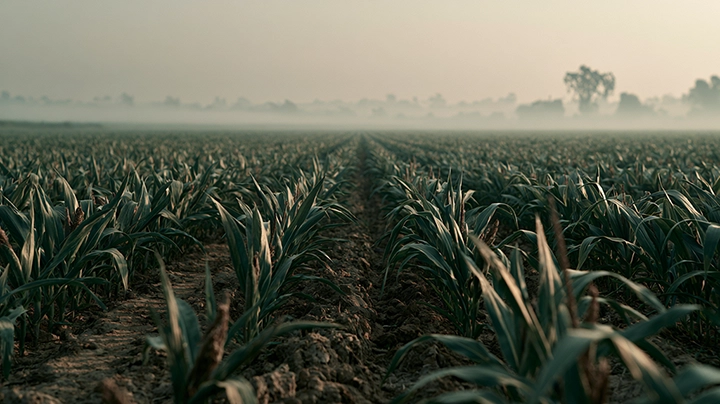
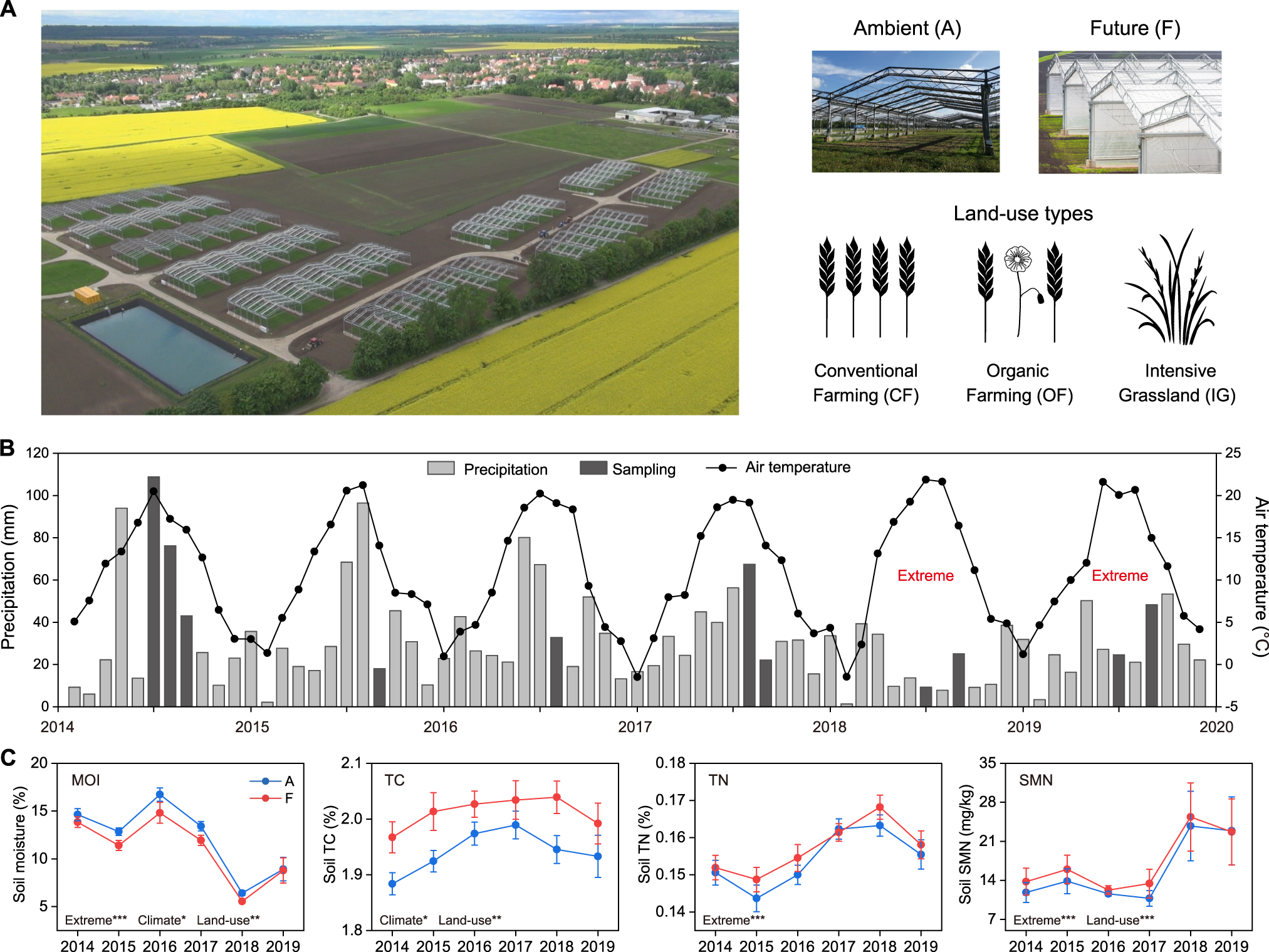
Climate change is often imagined as something abrupt—a wildfire, a flood, a sudden collapse of ecosystems. But some of its most profound effects unfold slowly, almost invisibly, like a quiet shift in the background rules of life. In a long-term experimental warming study, researchers took a different approach: instead of measuring immediate damage, they observed ecosystems over extended periods, watching how living systems adapt under sustained temperature increases. What emerged was not a dramatic loss of life, but a subtle reorganization. The landscape remained green, plants continued to grow, and soil still teemed with microbes. Yet beneath this apparent stability, the relationships that sustain the system began to change, reshaping how energy and nutrients moved through the environment.

When Plant–Fungal Partnerships Weaken
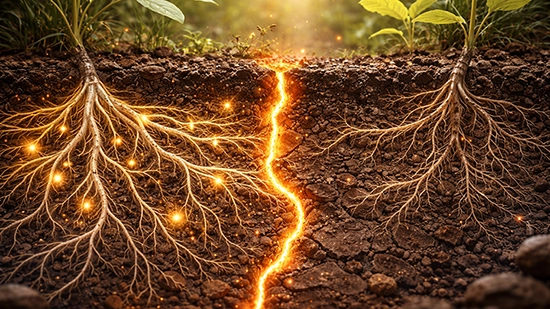
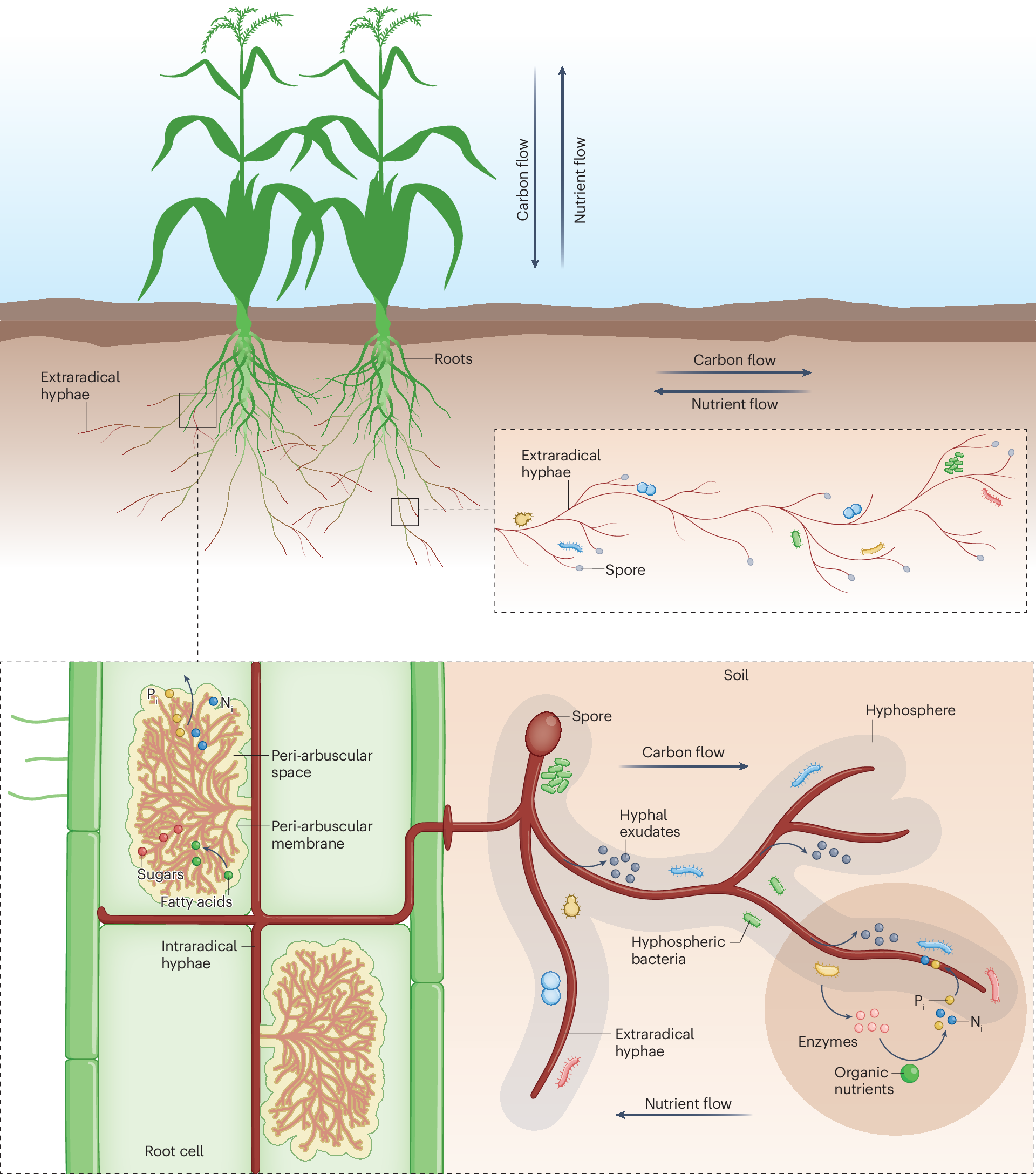
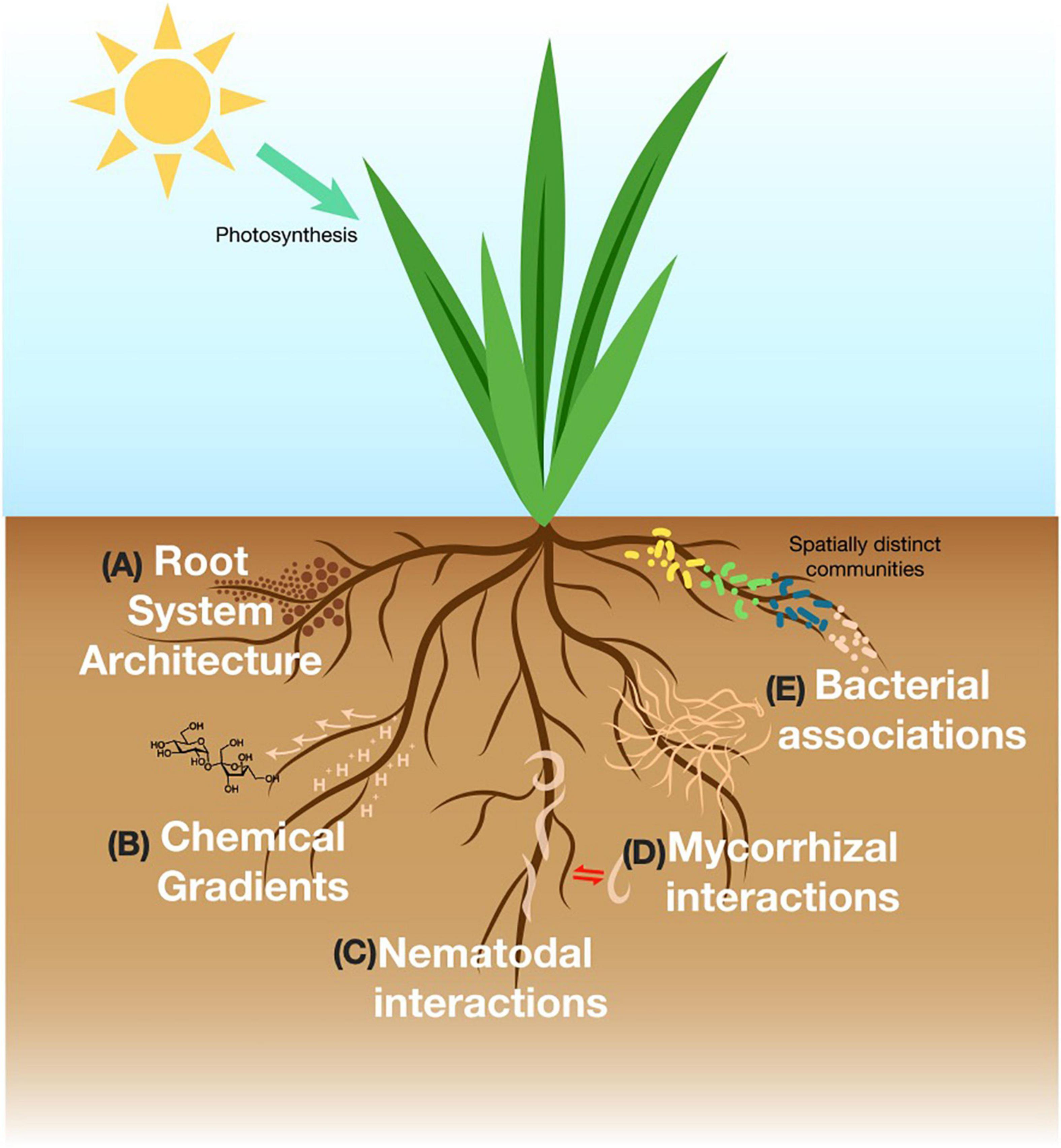
At the heart of most terrestrial ecosystems lies a quiet partnership between plants and fungi. Through mycorrhizal relationships, plant roots exchange carbon for nutrients gathered by fungal networks that extend deep into the soil. This cooperation allows plants to access resources far beyond their physical reach, while fungi benefit from a steady energy supply. Under prolonged warming, however, this partnership begins to weaken. Measurements show a decline in root-associated fungal colonization, including both arbuscular mycorrhizal fungi and other symbiotic groups. The reduction—around 17 to 20 percent—is not catastrophic, but it is significant enough to signal a structural change. The plants remain, the fungi remain, but the connection between them loosens, like a network whose cables are still intact but no longer transmitting at full capacity.

A Rise in Decomposition Over Cooperation
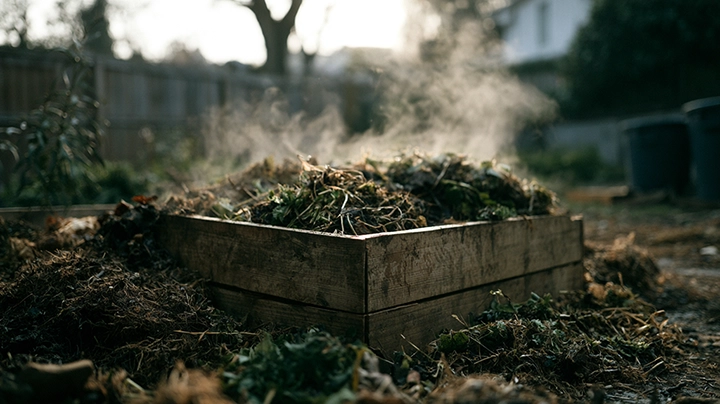
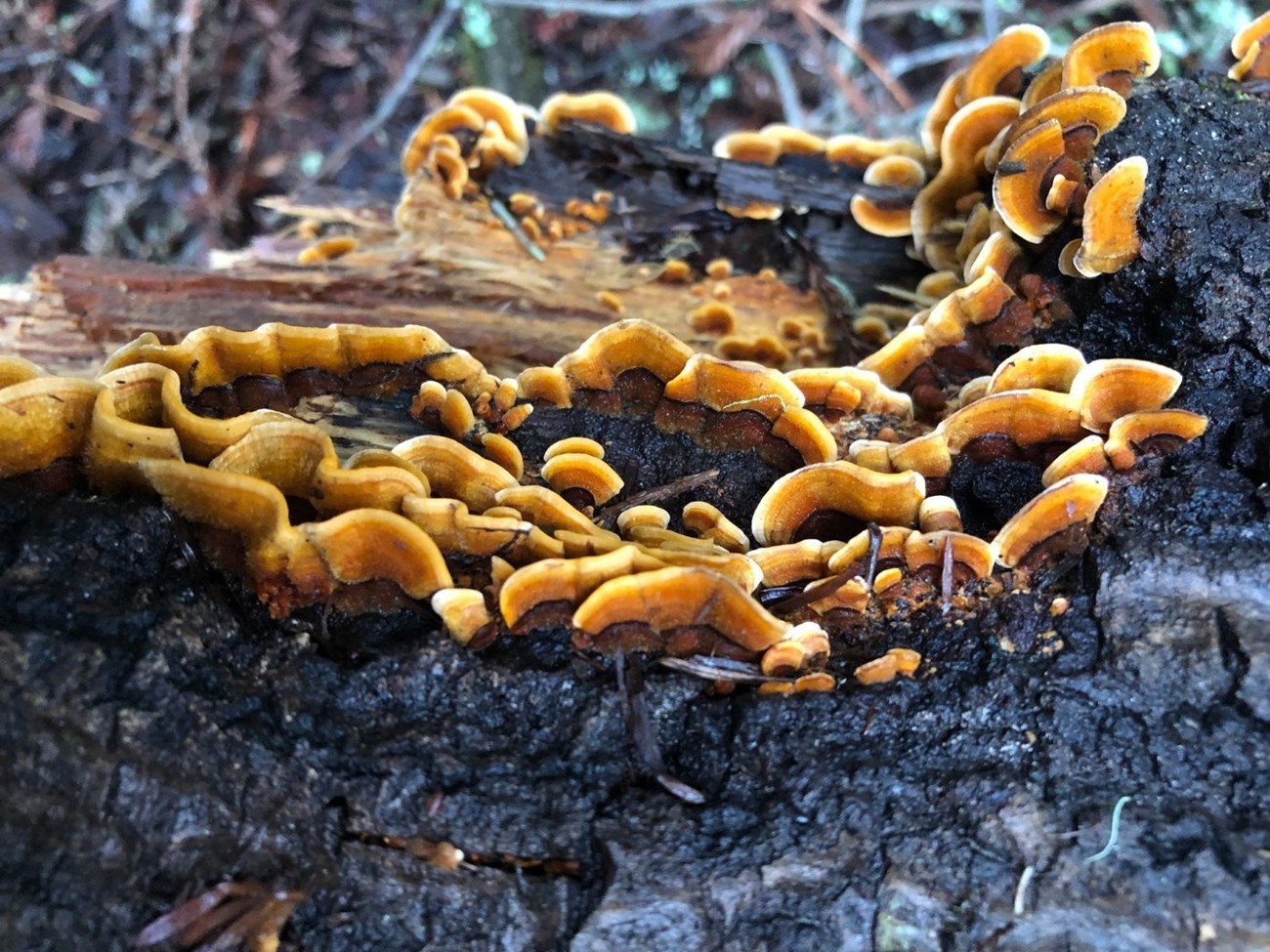
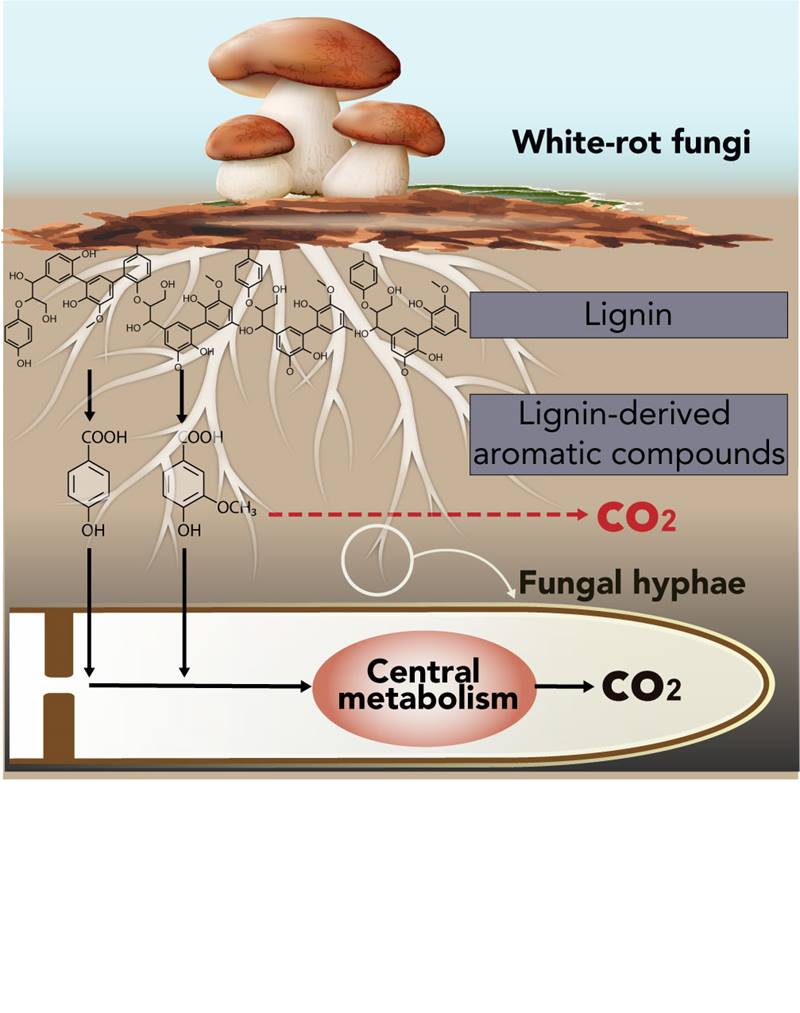
As symbiotic fungi retreat, another group quietly advances. Decomposer fungi, which specialize in breaking down organic material, increase under warming conditions. Unlike their symbiotic counterparts, these fungi do not form partnerships with plants. Instead, they focus on dismantling dead matter, releasing nutrients back into the soil. Their rise—measured at roughly a 10 percent increase—signals a shift in ecological strategy. Where the system once emphasized cooperation and nutrient sharing, it now leans more heavily on recycling and breakdown. This is not simply a change in population balance; it is a redirection of how the ecosystem processes energy. The flow of nutrients begins to move less through partnerships and more through decomposition, subtly altering the system’s internal economy.
When Systems Fall Out of Sync
Perhaps the most revealing outcome of the study is what researchers describe as “decoupling.” In a stable ecosystem, aboveground plant communities and belowground fungal networks evolve together, responding in coordinated ways to environmental changes. When conditions shift, both layers adjust in tandem, maintaining a functional balance. Under warming, this synchronization begins to unravel. Plants and fungi still exist, but they no longer respond in harmony. It is as if two halves of a system are following different instructions. The structure remains recognizable, yet the coordination that once defined it begins to fade. This decoupling does not destroy the ecosystem, but it changes how its components interact, weakening the alignment that once held it together.

A Shift in How Ecosystems Function
As these relationships shift, so does the way the ecosystem operates. With fewer symbiotic fungi supporting nutrient exchange, plants must rely on less efficient pathways to obtain essential resources. At the same time, increased decomposition accelerates the breakdown of organic matter, releasing nutrients in a different pattern and at different rates. The result is not a collapse, but a redistribution of activity. Nutrient cycles continue, but they follow new routes. Energy still flows, but through altered channels. The ecosystem remains active, yet its internal logic—how resources are shared, stored, and used—has been quietly rewritten.
A More Conservative Strategy Emerges
Over time, these changes push the ecosystem toward a more conservative mode of operation. Rapid growth becomes less dominant, replaced by strategies that prioritize resource retention and stability. This shift reflects a system under persistent stress, where efficiency gives way to caution. Instead of expanding aggressively, the ecosystem adapts to survive within new constraints. It slows down, conserves energy, and becomes less dependent on tightly coordinated interactions. This is not failure, but adaptation—a recalibration of priorities in response to long-term environmental pressure.
Climate Change as a Relationship Problem
What makes this study particularly important is how it reframes the impact of climate change. Rather than focusing solely on temperature increases or species loss, it highlights a deeper transformation. Climate change is not just altering what exists in an ecosystem; it is altering how those components relate to one another. The organisms remain present, and the landscape appears intact, but the connections that bind them begin to loosen and reorganize. Ecosystems are not defined only by their parts, but by the interactions between them. When those interactions shift, the system itself becomes something different, even if it looks the same on the surface.


❓ FAQ: Warming and Plant–Fungal Interactions
What is this study mainly about?
It examines how long-term warming changes the relationship between plants and fungi within an ecosystem.
What is the biggest change observed?
Plant–fungal symbiosis weakens, while decomposer fungi become more dominant.
What does “decoupling” mean?
It means plants and soil fungi are no longer changing together in a coordinated way.
Does warming destroy ecosystems?
No. The ecosystem remains, but its internal relationships and functions change.
Why is this important?
Because ecosystems depend on cooperation between organisms, and changes in those relationships alter how systems behave.
References
Academic Sources
Crowther, T. W., et al. (2015). Biotic interactions mediate soil microbial feedbacks to climate change. PNAS. https://doi.org/10.1073/pnas.1502956112
Frey, S. D., et al. (2008). Chronic nitrogen enrichment affects the structure and function of the soil microbial community. Ecological Applications. https://doi.org/10.1890/07-0458.1
van der Heijden, M. G. A., et al. (2015). Mycorrhizal ecology and ecosystem processes. New Phytologist. https://doi.org/10.1111/nph.13372
Official Sources
Intergovernmental Panel on Climate Change (IPCC) – Climate Change Reports: https://www.ipcc.ch
Food and Agriculture Organization (FAO) – Soil biodiversity: https://www.fao.org
Key Takeaways
- How rising temperatures are quietly rewiring the relationship between plants and fungi
- But some of its most profound effects unfold slowly, almost invisibly, like a quiet shift in the background rules of life.
- Yet beneath this apparent stability, the relationships that sustain the system began to change, reshaping how energy and nutrients moved through the environment.
- Through mycorrhizal relationships, plant roots exchange carbon for nutrients gathered by fungal networks that extend deep into the soil.
- Measurements show a decline in root-associated fungal colonization, including both arbuscular mycorrhizal fungi and other symbiotic groups.
Frequently Asked Questions
What should you know about academic Sources?
Crowther, T. W., et al. (2015). Biotic interactions mediate soil microbial feedbacks to climate change. PNAS. https://doi.org/10.1073/pnas.1502956112Frey, S. D., et al. (2008). Chronic nitrogen enrichment affects the structure and function of the soil microbial community. Ecological A
What should you know about official Sources?
Intergovernmental Panel on Climate Change (IPCC) – Climate Change Reports: https://www.ipcc.chFood and Agriculture Organization (FAO) – Soil biodiversity: https://www.fao.org
What are the key findings about When Warming Breaks the?
How rising temperatures are quietly rewiring the relationship between plants and fungi
How does When Warming Breaks the affect public health or safety?
Climate change is often imagined as something abrupt—a wildfire, a flood, a sudden collapse of ecosystems. But some of its most profound effects unfold slowly, almost invisibly, like a quiet shift in the background rules of life. In a long-term experimental warming study, researchers took a differen
What do researchers and experts say about When Warming Breaks the?
At the heart of most terrestrial ecosystems lies a quiet partnership between plants and fungi. Through mycorrhizal relationships, plant roots exchange carbon for nutrients gathered by fungal networks that extend deep into the soil. This cooperation allows plants to access resources far beyond their