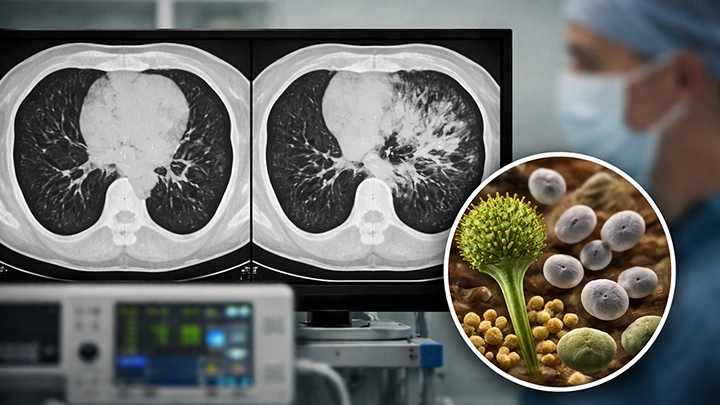

Breakthrough fungal infections are revealing the limits of modern antifungal protection
In modern healthcare, antifungal drugs are designed to act as a shield.
They are deployed quietly but strategically, protecting patients whose immune systems can no longer defend them — individuals undergoing chemotherapy, recovering from organ transplants, or fighting for stability in intensive care units.
For years, this approach has worked.
But increasingly, cracks are appearing.
A growing body of clinical research, including recent findings from The Pediatric Infectious Disease Journal (2026), points to a concerning reality:
👉 Patients are developing invasive fungal infections even while receiving antifungal therapy.
These are known as breakthrough infections — and they are forcing medicine to confront a difficult truth.
Protection is no longer guaranteed.
It is becoming probabilistic.



When Protection Fails
Breakthrough invasive fungal infections (IFI) occur when a patient develops or continues to experience a fungal infection despite being on antifungal treatment.
These are not routine infections. They emerge in some of the most carefully managed clinical settings, often in patients already identified as high-risk and placed under preventive therapy.
Consider a typical scenario.
A leukemia patient undergoing chemotherapy is placed on antifungal prophylaxis to prevent infection during immune suppression. Despite this, the patient develops invasive aspergillosis — a serious lung infection caused by airborne fungal spores.
The expectation was protection.
The reality is breakthrough.


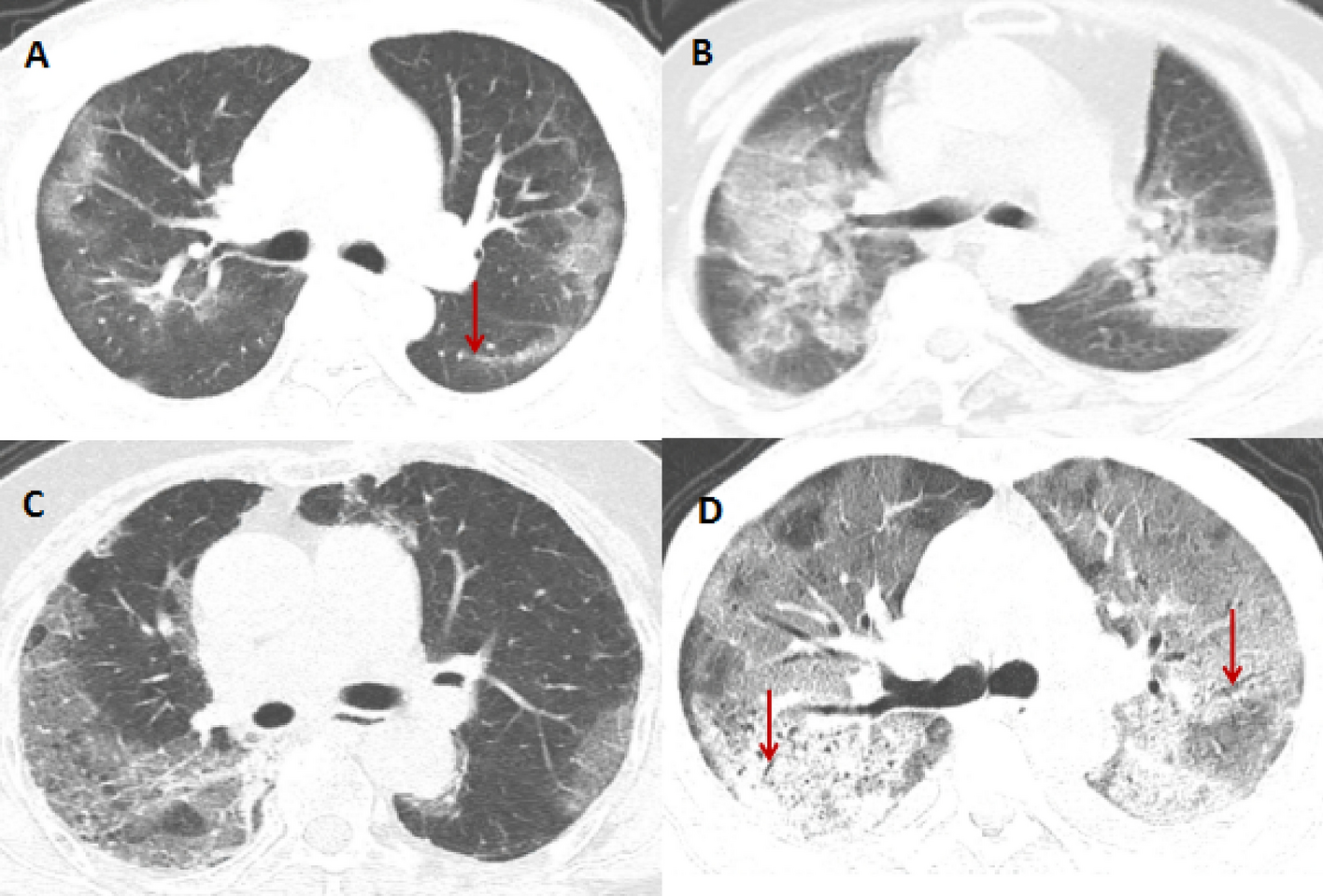
Why Are Fungal Infections Breaking Through?
What factors are driving the rise of breakthrough infections?
Breakthrough infections result from multiple overlapping pressures.
One major factor is antifungal resistance. Certain species, including Aspergillus fumigatus and Candida auris, are becoming less responsive to commonly used antifungal drugs such as azoles. Environmental exposure to agricultural fungicides may contribute to this resistance.
At the same time, modern medicine has expanded the population of vulnerable patients. Advances in cancer treatment, transplantation, and critical care allow more individuals to survive with weakened immune systems, increasing the number of patients at risk.
Diagnosis also presents a challenge. Early symptoms of fungal infections often resemble bacterial or viral illnesses, leading to delays in identification and treatment adjustment.
In addition, the fungal landscape is evolving. New species and shifting resistance patterns make treatment less predictable.
Together, these factors create a growing risk environment for breakthrough infections.


The Pathogens Behind the Problem
Which fungi are most commonly involved in breakthrough infections?
Several fungal species are frequently associated with breakthrough infections.
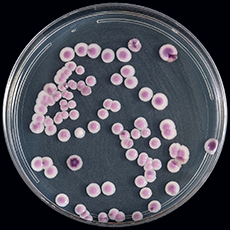
Aspergillus fumigatus is a leading cause of invasive lung infections, particularly in immunocompromised patients. Candida auris has emerged as a global concern due to its multidrug resistance and ability to spread within healthcare environments. Candida albicans, while traditionally manageable, continues to cause severe infections under certain conditions.
These organisms are widely present in the environment, making complete avoidance impossible. In vulnerable patients, even routine exposure can lead to infection.
Impact on Healthcare Systems
Why are breakthrough infections a concern for hospitals and clinicians?
Breakthrough infections challenge a key assumption in modern medicine: that preventive antifungal treatment can reliably protect high-risk patients.
When this assumption weakens, multiple consequences follow.
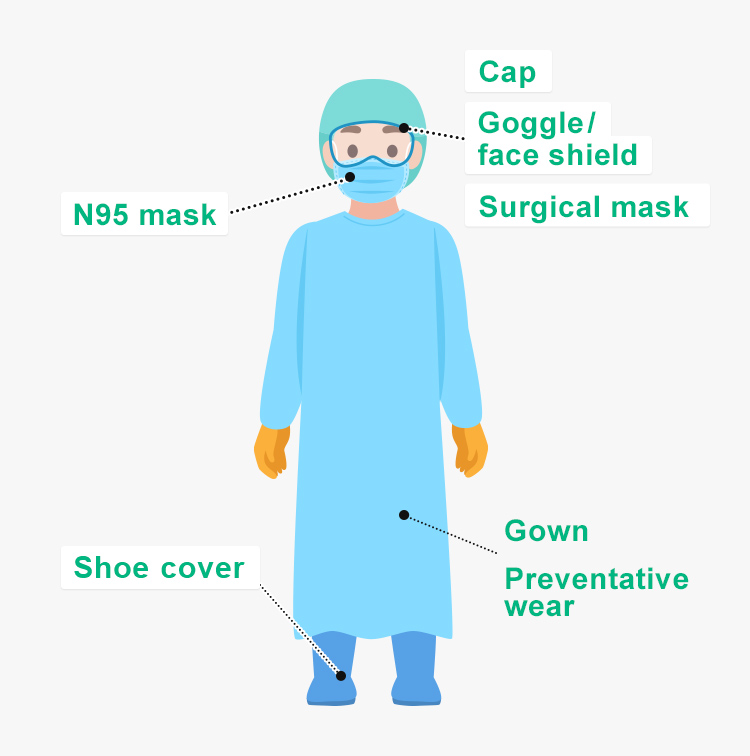
Hospitals must strengthen infection control measures, especially in environments where airborne spores or environmental reservoirs are difficult to eliminate. Clinicians face increased uncertainty and must often adjust treatments rapidly based on limited diagnostic information.
At the same time, there is growing pressure to develop new antifungal drugs capable of overcoming resistance.
Most importantly, patient outcomes are affected. Breakthrough infections are often severe, difficult to treat, and associated with high mortality rates.

A Growing Global Issue
Are fungal infections becoming a larger public health concern?
Fungal diseases already contribute to more than one million deaths globally each year, yet they remain under-recognized compared to bacterial and viral infections.
The rise of breakthrough infections reflects a gradual shift rather than a sudden crisis. It reveals the limits of current medical strategies and highlights the need for adaptation.
Key priorities include improving diagnostic speed and accuracy, strengthening antifungal stewardship, monitoring resistance patterns, and developing new therapeutic approaches.


Rethinking Control in Medicine
What do breakthrough infections reveal about modern healthcare systems?
Breakthrough infections do not represent a simple failure of treatment. They reflect the complexity of modern medical systems.
Advances in healthcare have made it possible to suppress immune systems, perform complex procedures, and extend life. At the same time, these advances create conditions that allow opportunistic fungi to thrive.
Fungi do not need to invade aggressively. They exploit imbalance.
Understanding this dynamic is essential for developing more effective strategies to manage fungal disease in the future.
❓ FAQ
What is a breakthrough fungal infection?
A breakthrough fungal infection occurs when a patient develops or continues to have a fungal infection despite receiving antifungal treatment.
Who is most at risk?
Immunocompromised individuals, including cancer patients, transplant recipients, and critically ill ICU patients, are at highest risk.
Why are these infections difficult to diagnose?
Symptoms often resemble bacterial or viral infections, which can delay accurate diagnosis and treatment.
Are antifungal drugs becoming less effective?
In some cases, yes. Resistance among certain fungal species is reducing the effectiveness of commonly used treatments.
How can the risk be reduced?
Improved diagnostics, careful use of antifungal drugs, stronger infection control measures, and new treatment development are key strategies.
References
Academic Sources
Perlin, D. S. (2015). Echinocandin resistance in Candida. Clinical Infectious Diseases. https://doi.org/10.1093/cid/civ791
Bongomin, F., et al. (2017). Global and multi-national prevalence of fungal diseases—estimate precision. Journal of Fungi. https://doi.org/10.3390/jof3040057
Fisher, M. C., et al. (2020). Emerging fungal threats to human health. Nature Reviews Microbiology.
Official Sources
Centers for Disease Control and Prevention (CDC) – Fungal Diseases: https://www.cdc.gov/fungal
World Health Organization (WHO) – Fungal Priority Pathogens List: https://www.who.int
Key Takeaways
- Please login Breakthrough fungal infections are revealing the limits of modern antifungal protection
- Despite this, the patient develops invasive aspergillosis — a serious lung infection caused by airborne fungal spores.The expectation was protection.The reality is breakthrough.
- Certain species, including Aspergillus fumigatus and Candida auris, are becoming less responsive to commonly used antifungal drugs such as azoles.
- Early symptoms of fungal infections often resemble bacterial or viral illnesses, leading to delays in identification and treatment adjustment.In addition, the fungal landscape is evolving.
- Candida auris has emerged as a global concern due to its multidrug resistance and ability to spread within healthcare environments.
Frequently Asked Questions
What should you know about please login to bookmark?
Please login Breakthrough fungal infections are revealing the limits of modern antifungal protection
What should you know about academic Sources?
Perlin, D. S. (2015). Echinocandin resistance in Candida. Clinical Infectious Diseases. https://doi.org/10.1093/cid/civ791Bongomin, F., et al. (2017). Global and multi-national prevalence of fungal diseases—estimate precision. Journal of Fungi. https://doi.org/10.3390/jof3040057F
What should you know about official Sources?
Centers for Disease Control and Prevention (CDC) – Fungal Diseases: https://www.cdc.gov/fungalWorld Health Organization (WHO) – Fungal Priority Pathogens List: https://www.who.int
What are the key findings about When Treatment Isn’t Enough?
Please login Breakthrough fungal infections are revealing the limits of modern antifungal protection
How does When Treatment Isn’t Enough affect public health or safety?
In modern healthcare, antifungal drugs are designed to act as a shield.They are deployed quietly but strategically, protecting patients whose immune systems can no longer defend them — individuals undergoing chemotherapy, recovering from organ transplants, or fighting for stability in intensive care