
A Case That Sparked Debate
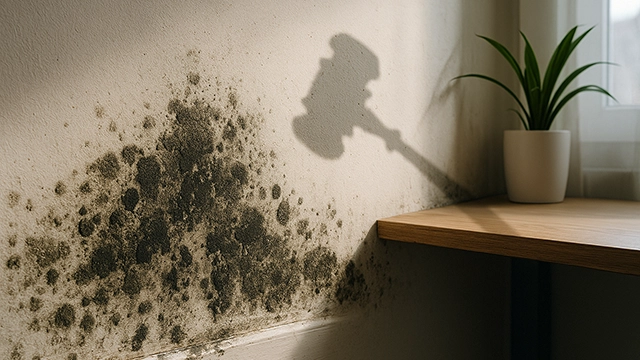
This summer, the Sessanta apartment complex in New York’s Upper West Side became the center of controversy. A family discovered hidden mold inside their walls. Their child developed painful skin ulcers and infections, while adults complained of breathing difficulties. Eventually, they sued the landlord and property management, arguing that hidden mold caused direct health damage. This case reveals an overlooked reality: mold is not only a sanitation issue—it can escalate into a full legal battle.

Hidden Mold in Our Homes
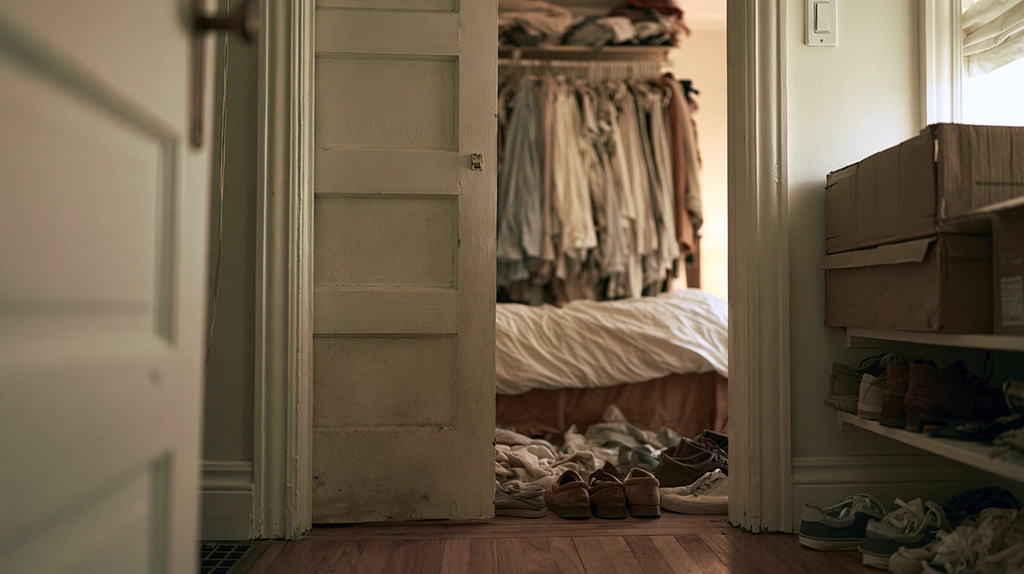
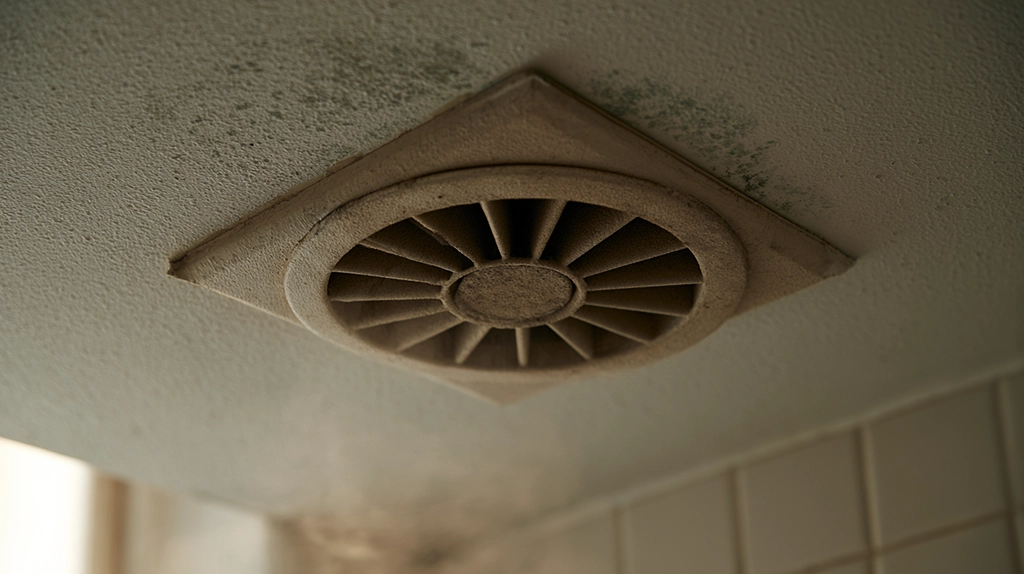
The danger of mold lies in its invisibility. It often grows in places we cannot see: behind walls, under carpets, above ceilings, or around plumbing. These hidden areas are damp and poorly ventilated, creating perfect conditions for growth. Stachybotrys chartarum (black mold) produces mycotoxins that harm the respiratory tract and skin, Chaetomium globosum thrives in wet building materials like wood and gypsum board, and Aspergillus fumigatus is known to trigger asthma or invasive infections in vulnerable individuals. Because mold often remains concealed, tenants usually become aware of it only when health symptoms appear.
Health Consequences: Beyond Allergies
Mold spores and toxins spread through air currents and settle into lungs and skin. For some, the effects are mild—sneezing, nasal congestion, or itchy eyes. But for children, the elderly, or those with weakened immunity, the consequences are far more serious. Persistent asthma, recurring respiratory infections, or skin ulcers may occur, and certain molds produce mycotoxins that impair immunity and the nervous system. In the New York case, the child’s skin lesions are a visible reminder that mold is not just a minor irritant but a real health hazard.

More Than Luxury Apartments: Other Legal Cases
Mold lawsuits are not unique to upscale residences. Tenants across the U.S. have sued landlords when hidden mold triggered asthma or chronic skin problems, often citing negligence in maintenance. Schools have faced student lawsuits over mold in dormitories and classrooms, while hospitals have been challenged by patients who developed mold-related infections. These examples highlight that mold disputes cut across property values; the real issue is whether proper maintenance and monitoring are in place.
The Challenge of Proof: Science Meets the Law
In court, mold disputes hinge on evidence. Tenants must show that their illnesses were caused by mold in their homes, often relying on medical records, allergy tests, or even biological samples. Landlords, on the other hand, typically claim they were unaware of the mold or that its presence was unforeseeable.
What complicates matters is the science itself. Mold exposure is difficult to quantify because spore concentrations fluctuate with humidity, temperature, and ventilation. A test taken today may not reflect long-term conditions. In addition, multiple species often coexist—Aspergillus, Penicillium, Cladosporium—each with different health impacts, which makes establishing direct causation harder. Finally, individual responses to mold vary widely: one person may only have mild allergies, while another might suffer severe respiratory infections. This variability undermines straightforward claims of cause and effect, creating fertile ground for legal disputes. Several lawsuits have won large settlements, while others failed for lack of proof.
Where Science and Law Intersect
The hidden nature of mold turns it into both a scientific challenge and a legal flashpoint. Environmental health experts stress that mold requires prevention and monitoring, while courts grapple with its implications for tenant rights and landlord duties. As lawsuits multiply, questions emerge: how often should landlords inspect properties? To what extent should schools or hospitals be held accountable for mold outbreaks? Recent cases, including one involving a military family, show how courts struggle with jurisdiction and liability. Mold is reshaping how we think about safe housing and public health.
Prevention Is the Best Legal Protection
Mold cases remind us that safe housing is not guaranteed by price but by maintenance and accountability. A musty odor or water stain should not be dismissed as a small nuisance—it could be a warning of serious health risks and a potential lawsuit. The best protection does not come from legal victories but from prevention: inspecting regularly, repairing leaks promptly, and keeping spaces dry. Stopping mold at its source remains the most effective way to safeguard both health and peace of mind.

References
Official
Key Takeaways
- This summer, the Sessanta apartment complex in New York’s Upper West Side became the center of controversy.
- Eventually, they sued the landlord and property management, arguing that hidden mold caused direct health damage.
- It often grows in places we cannot see: behind walls, under carpets, above ceilings, or around plumbing.
- Mold spores and toxins spread through air currents and settle into lungs and skin.
- But for children, the elderly, or those with weakened immunity, the consequences are far more serious.
Frequently Asked Questions
What should you know about a Case That Sparked Debate?
This summer, the Sessanta apartment complex in New York’s Upper West Side became the center of controversy. A family discovered hidden mold inside their walls. Their child developed painful skin ulcers and infections, while adults complained of breathing difficulties. Eventually, they sued the landl
What should you know about hidden Mold in Our Homes?
The danger of mold lies in its invisibility. It often grows in places we cannot see: behind walls, under carpets, above ceilings, or around plumbing. These hidden areas are damp and poorly ventilated, creating perfect conditions for growth. Stachybotrys chartarum (black mold) produces mycotoxins tha
What should you know about health Consequences: Beyond Allergies?
Mold spores and toxins spread through air currents and settle into lungs and skin. For some, the effects are mild—sneezing, nasal congestion, or itchy eyes. But for children, the elderly, or those with weakened immunity, the consequences are far more serious. Persistent asthma, recurring respiratory
What should you know about more Than Luxury Apartments: Other Legal Cases?
Mold lawsuits are not unique to upscale residences. Tenants across the U.S. have sued landlords when hidden mold triggered asthma or chronic skin problems, often citing negligence in maintenance. Schools have faced student lawsuits over mold in dormitories and classrooms, while hospitals have been c
What should you know about the Challenge of Proof: Science Meets the Law?
In court, mold disputes hinge on evidence. Tenants must show that their illnesses were caused by mold in their homes, often relying on medical records, allergy tests, or even biological samples. Landlords, on the other hand, typically claim they were unaware of the mold or that its presence was unfo