
Most people clean shower mold the wrong way. They scrub, it disappears, and two weeks later it’s back in exactly the same spot. The problem isn’t the cleaning product. It’s that wiping away visible growth leaves the structure underneath intact — and mold doesn’t need much to rebuild from there.
Here’s what actually works, and why the drying step matters more than anything you spray on first.
Why Shower Mold Keeps Coming Back
The shower is one of the most controlled spaces in a home, yet it is also one of the most biologically active. Warm water, enclosed surfaces, limited airflow, and repeated moisture exposure combine to create an ideal microclimate for microbial growth.
After each use, a thin, nearly invisible film of water remains on surfaces. This film often contains organic material such as skin cells, soap residue, and mineral deposits. Together, these elements provide both moisture and nutrients, allowing fungi to establish themselves over time.
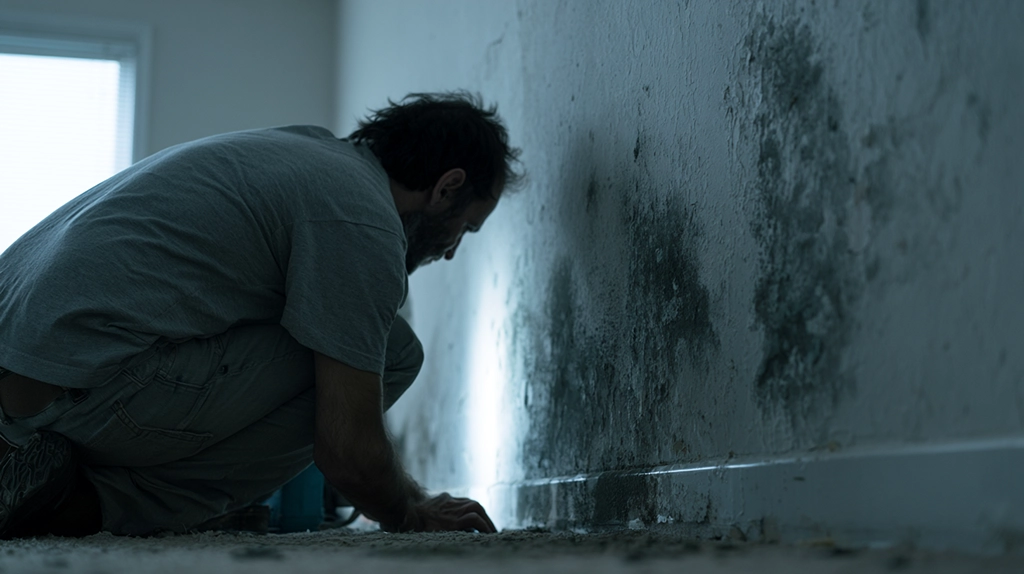
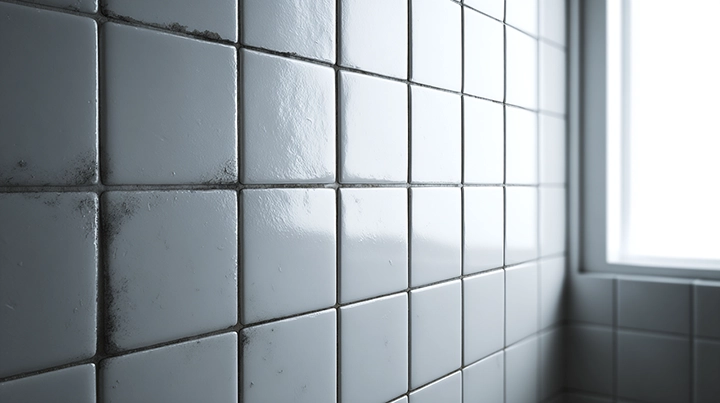
Mold spores are always present in indoor air. In a shower, they don’t need much to get started: a damp surface, a trace of those residues, and 24 to 48 hours of undisturbed moisture. What makes bathroom mold particularly stubborn is where it roots. Grout lines, silicone seals, and shower curtains are porous or textured enough for fungal structures to anchor below the visible surface. The dark patch you see is the tip; the growth beneath it is what drives the cycle of return.

Cleaning vs. Removal: These Are Not the Same Thing
Cleaning removes the discoloration. Removal addresses what’s causing it.
Effective mold removal requires two distinct steps: neutralizing the organism, then physically removing the material. Skip either one and you’ve only done half the job.
For non-porous surfaces — tiles, glass, chrome fittings — diluted bleach works well. It kills surface mold and lifts staining, but use it with ventilation open. It’s not a soak-and-leave product.
For grout and caulking — hydrogen peroxide penetrates more deeply than bleach and is better suited to porous materials. Apply it, let it sit for ten minutes, then scrub with a stiff brush. The mechanical action matters as much as the chemistry.
For routine upkeep — white vinegar is a low-strength option that won’t damage surfaces with repeated use. It won’t clear an established colony, but it can slow early development between deeper cleans.
When mold has worked its way into caulking and won’t shift after two or three proper attempts, replace the caulk. Cleaning compromised sealant is a temporary fix at best.
Step-by-Step: How to Do It Properly
- Look at the affected area and judge whether the growth is sitting on the surface or embedded in the material
- Choose your cleaning agent based on the surface type
- Apply and leave it — don’t scrub immediately, give it time to work
- Scrub with enough pressure to dislodge embedded growth, not just wipe the surface
- Rinse completely, leaving no residue
- Dry every surface before you leave the room — fan on, or wipe down manually
That last step is where most cleanups fail. A wet surface after cleaning is an invitation for immediate regrowth.

Drying Is the Actual Solution
Cleaning addresses what’s already there. Drying determines whether it comes back.
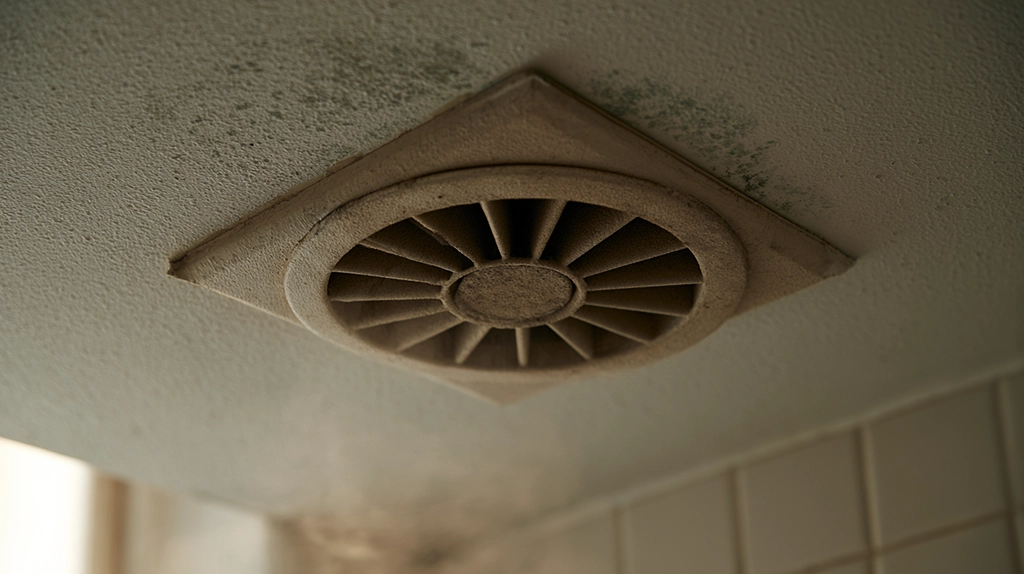
After every shower — not just after cleaning — moisture needs to leave the space. Run the exhaust fan for at least 15 minutes after you finish. If there’s no fan, open a window or wipe down the walls and floor with a towel or squeegee. The goal is to get surfaces dry before the next humid cycle begins.
This single habit does more to prevent shower mold than any cleaning product.
When It’s a Health Issue, Not Just an Aesthetic One
Shower mold is usually treated as a visual problem. For most healthy people, it stays that way. But in an enclosed space used daily, airborne spore levels can build up enough to cause eye irritation, sneezing, or skin sensitivity — especially for anyone with asthma or existing respiratory sensitivities.
A persistent musty smell is often the first real signal. If the odor is there before you can see visible growth, the colony is likely already established behind a surface — silicone seals and grout near the floor are the first places to check.
The Longer-Term Approach: Design Out the Conditions
Cleaning manages the symptom. Environmental control addresses the cause.
Mold needs moisture to survive. Bathrooms that dry out quickly after use — through ventilation, surface materials that don’t hold water, or simple habits like leaving the door open after showering — are fundamentally harder environments for mold to establish itself in.
Newer construction materials are starting to reflect this. Water-resistant grout formulations, antimicrobial surface coatings, and engineered wall panels that resist biofilm attachment are increasingly standard in renovations and new builds. The direction is toward bathrooms that are designed to resist mold, rather than bathrooms that need to be cleaned of it repeatedly.
📷 [IMAGE 3 — insert after this paragraph] File: Search Wikimedia Commons for bathroom exhaust fan or bathroom ventilation Wikimedia search: https://commons.wikimedia.org/w/index.php?search=bathroom+exhaust+fan Caption:Adequate ventilation after each shower use is the single most effective long-term control against recurring mold growth.Credit: (fill in after confirming file page)

FAQ
How quickly can mold form in a shower? Within 24 to 48 hours under consistent moisture — which is why drying after every use matters.
Why does it keep coming back after I clean it? Because cleaning removes visible growth but not the conditions that allow regrowth. If the surface stays damp, mold will return regardless of what you cleaned it with.
Is bleach the best option? For tiles and glass, yes. For grout and caulking, hydrogen peroxide penetrates better and is more effective on porous materials.
When should I replace caulking instead of cleaning it? When mold has penetrated deeply and won’t clear after two or three proper cleaning attempts. Replacement is faster and more reliable than repeated cleaning at that point.
What’s the single most effective prevention step? Reducing how long surfaces stay wet after each use. Everything else is secondary to this.
References
- U.S. Environmental Protection Agency — A Brief Guide to Mold, Moisture, and Your Home: https://www.epa.gov/mold/brief-guide-mold-moisture-and-your-home
- MoldNewsHub — Six Post-Shower Habits That Help Keep Bathrooms Clean and Reduce Mold Risk: https://moldnewshub.com/six-post-shower-habits-help-keep-bathrooms-clean-reduce-mold-risk/
- World Health Organization — WHO Guidelines for Indoor Air Quality: Dampness and Mould (2009): https://www.who.int/publications/i/item/9789241547857
Key Takeaways
- Please login Most people clean shower mold the wrong way.
- It’s that wiping away visible growth leaves the structure underneath intact — and mold doesn’t need much to rebuild from there.
- Warm water, enclosed surfaces, limited airflow, and repeated moisture exposure combine to create an ideal microclimate for microbial growth.
- This film often contains organic material such as skin cells, soap residue, and mineral deposits.
- What makes bathroom mold particularly stubborn is where it roots.
Frequently Asked Questions
What should you know about please login to bookmark?
Please login Most people clean shower mold the wrong way. They scrub, it disappears, and two weeks later it’s back in exactly the same spot. The problem isn’t the cleaning product. It’s that wiping away visible growth leaves the structure underneath intact — and mold doesn’t need much to rebuild fro
Why Shower Mold Keeps Coming Back?
The shower is one of the most controlled spaces in a home, yet it is also one of the most biologically active. Warm water, enclosed surfaces, limited airflow, and repeated moisture exposure combine to create an ideal microclimate for microbial growth.
What should you know about cleaning vs. Removal: These Are Not the Same Thing?
Cleaning removes the discoloration. Removal addresses what’s causing it.
What should you know about step-by-Step: How to Do It Properly?
That last step is where most cleanups fail. A wet surface after cleaning is an invitation for immediate regrowth.
What should you know about drying Is the Actual Solution?
Cleaning addresses what’s already there. Drying determines whether it comes back.