
From chemicals to living systems: how fungi are becoming the quiet workforce of modern industry
A Shift From Machines to Living Systems
Why are industries starting to use microbes instead of chemicals?
Across laboratories, treatment plants, and industrial pilot systems, a major transition is underway. Microorganisms are no longer just objects of study. They are being integrated into engineered systems as functional components.
Traditionally, industrial processes relied on force. Heat, pressure, and chemical reactions were used to drive change, often requiring high energy input and producing waste.
Now, scientists are turning toward biological processes. Instead of forcing reactions, they guide natural metabolic pathways that already exist in microorganisms. This marks a shift from engineering with inert materials to engineering with living systems.

What Can Microbes Actually Do?
What industrial tasks can microorganisms perform?
Microorganisms are highly specialized and capable of performing precise chemical transformations.
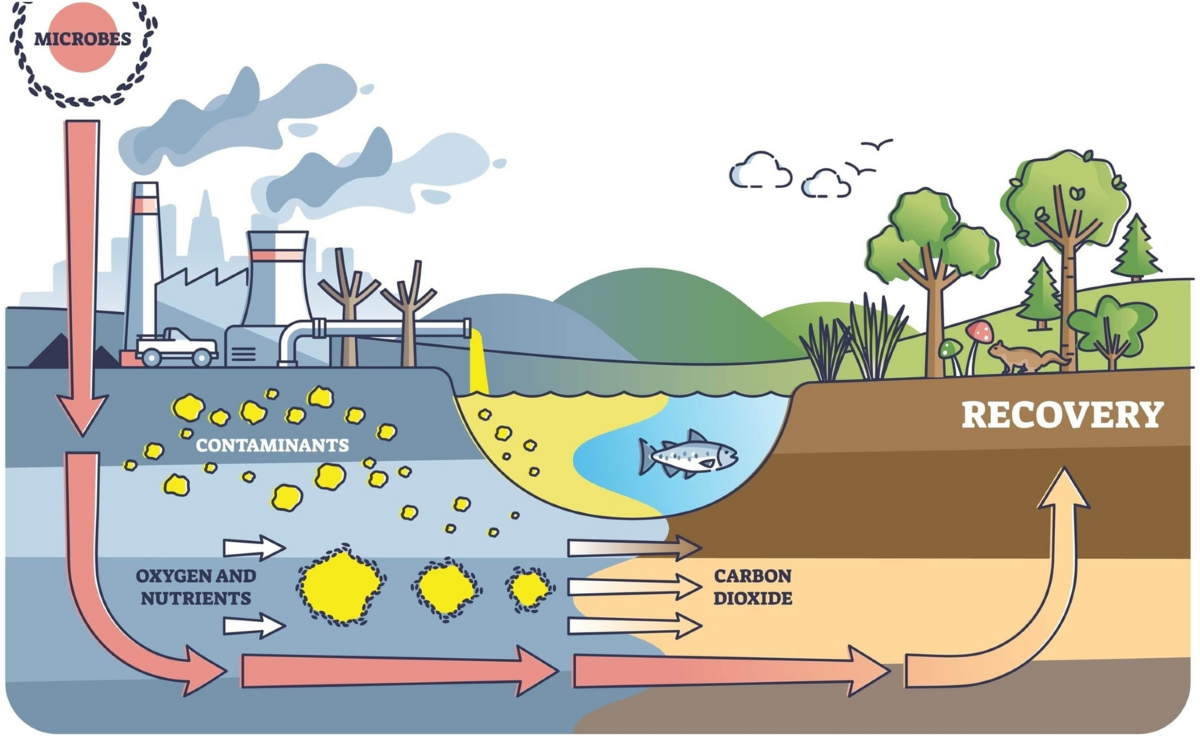
In controlled environments, they can degrade persistent pollutants such as hydrocarbons and dyes, transform toxic compounds into less harmful forms, and catalyze reactions using enzymes instead of synthetic chemicals. They can also operate under conditions that would damage conventional systems.
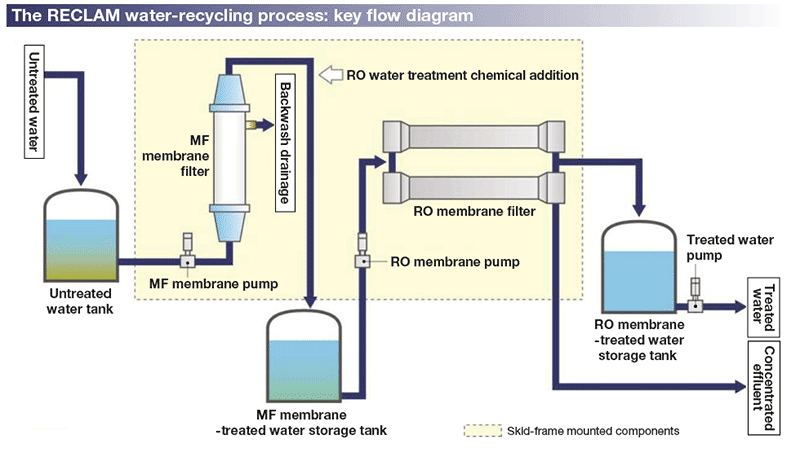
These capabilities are already visible in wastewater treatment, where microbial communities break down organic waste, and in contaminated environments, where fungi and bacteria help neutralize pollutants.
What once required complex chemical processing can increasingly be achieved through biological metabolism.
Why Fungi Stand Out
What makes fungi especially useful in industrial systems?
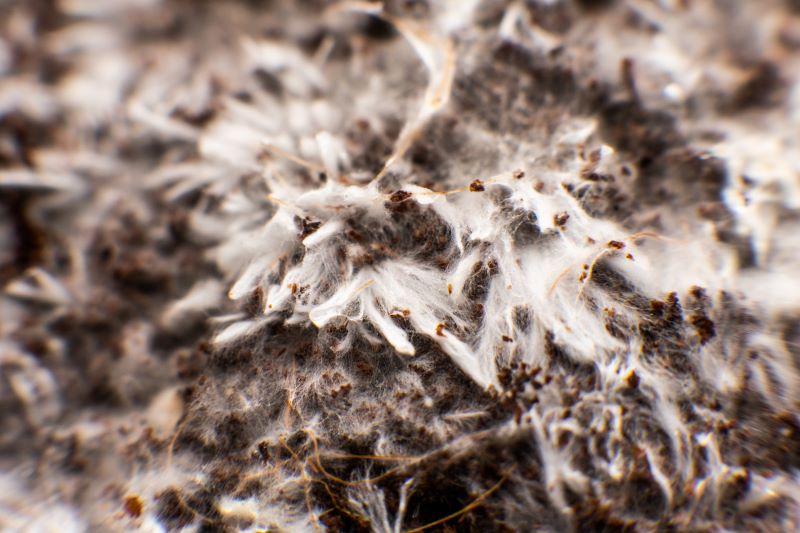
Among microorganisms, fungi are particularly versatile due to their biochemical capabilities and environmental resilience.
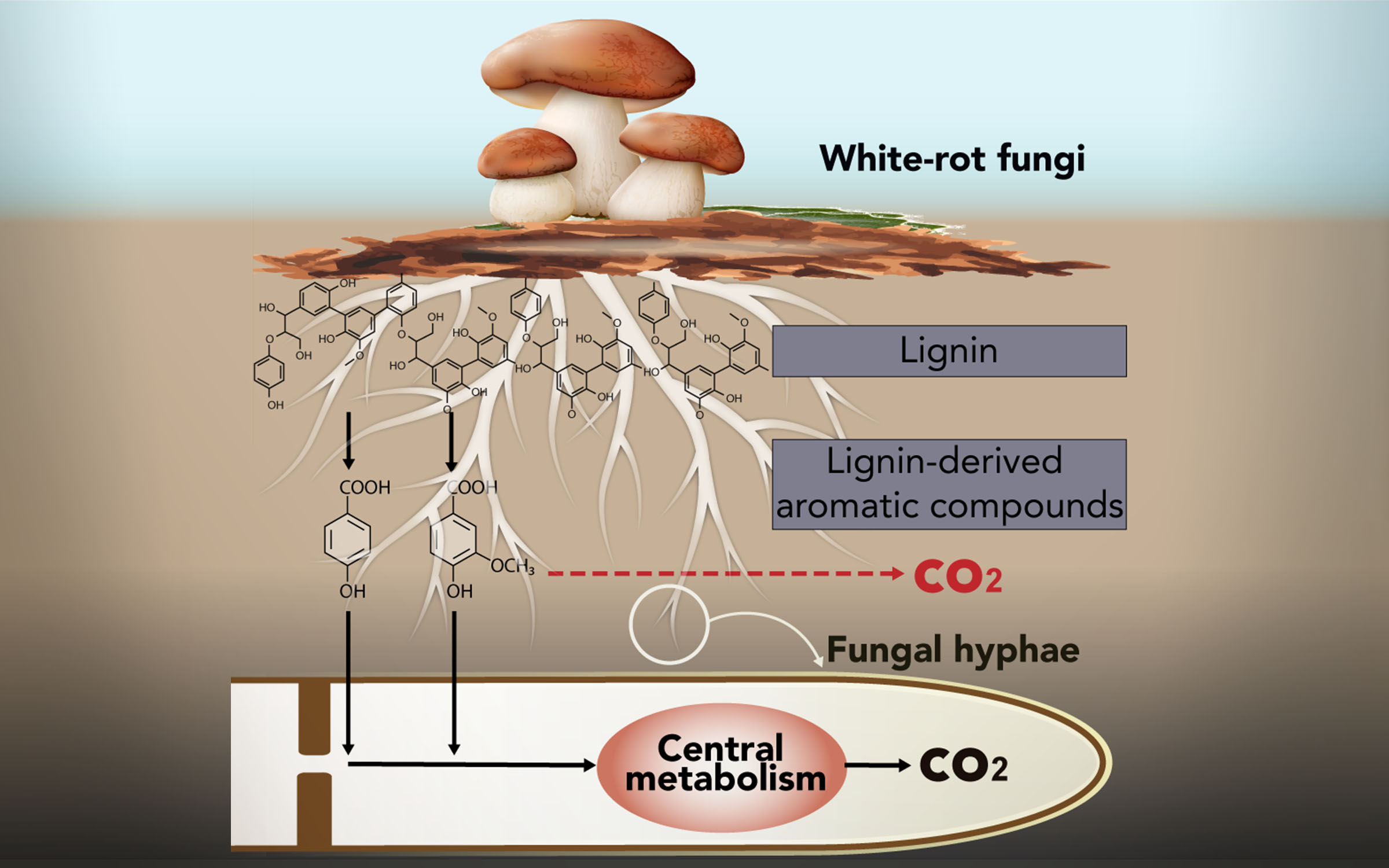
Fungi secrete powerful enzymes that can break down complex materials. For example, white-rot fungi can degrade lignin, one of the most resistant natural polymers. This same capability allows them to process industrial pollutants, dyes, and even components of plastics.
They are also highly tolerant of harsh conditions, including fluctuating pH levels, toxic environments, and limited nutrients. This makes them well suited for real-world industrial applications.
Unlike traditional tools, fungi are dynamic systems. They grow, adapt, and respond to their surroundings, allowing them to perform chemical processes continuously.
How Do Biological Systems Replace Chemistry?
How are microbial processes integrated into industrial operations?
In biological systems, chemical reactions are carried out through enzymes and metabolic activity rather than external force.
Fungi and other microbes release enzymes that break down complex molecules, bind or absorb contaminants, and transform unstable compounds into manageable forms.
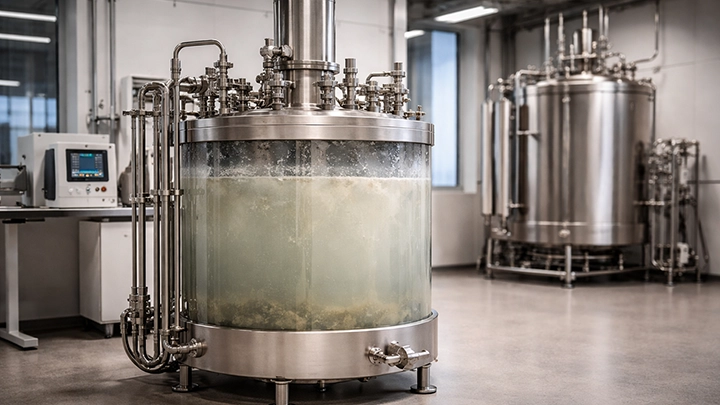
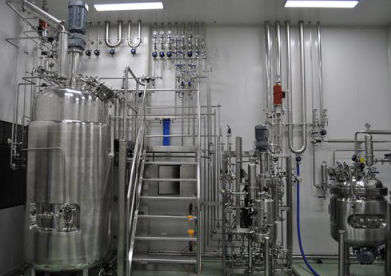
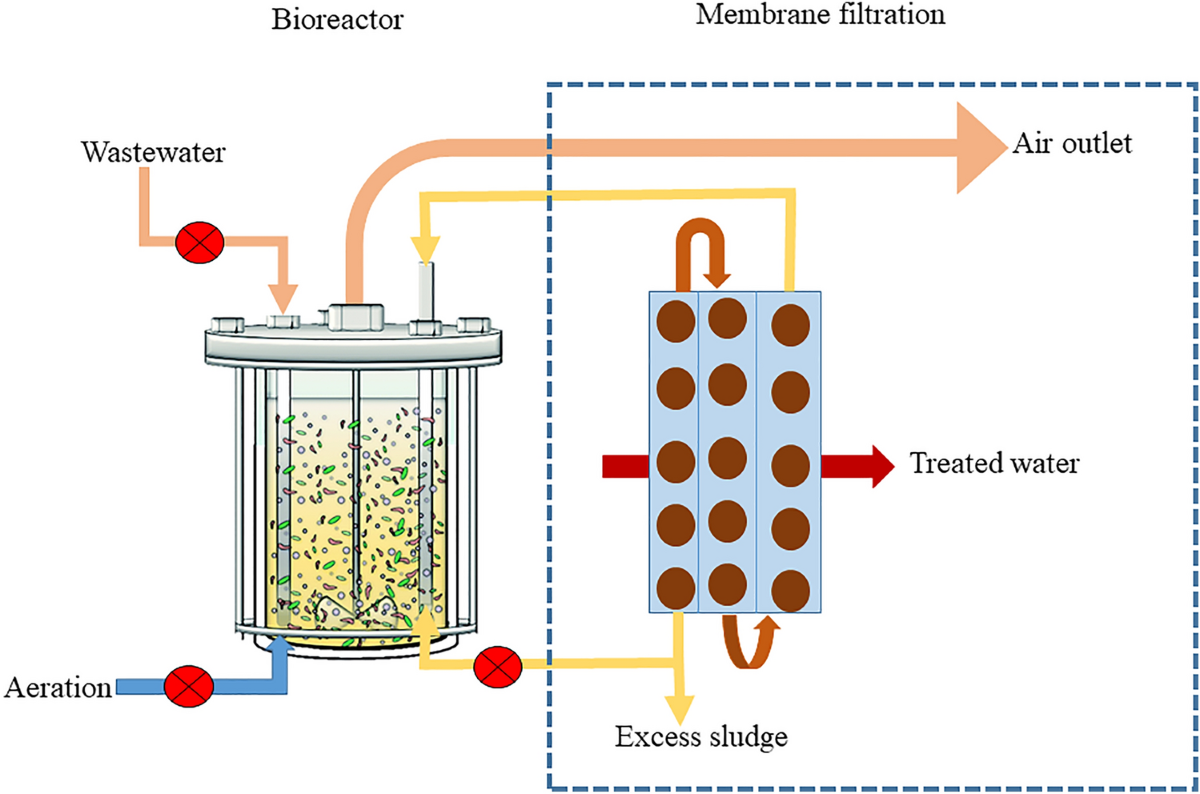
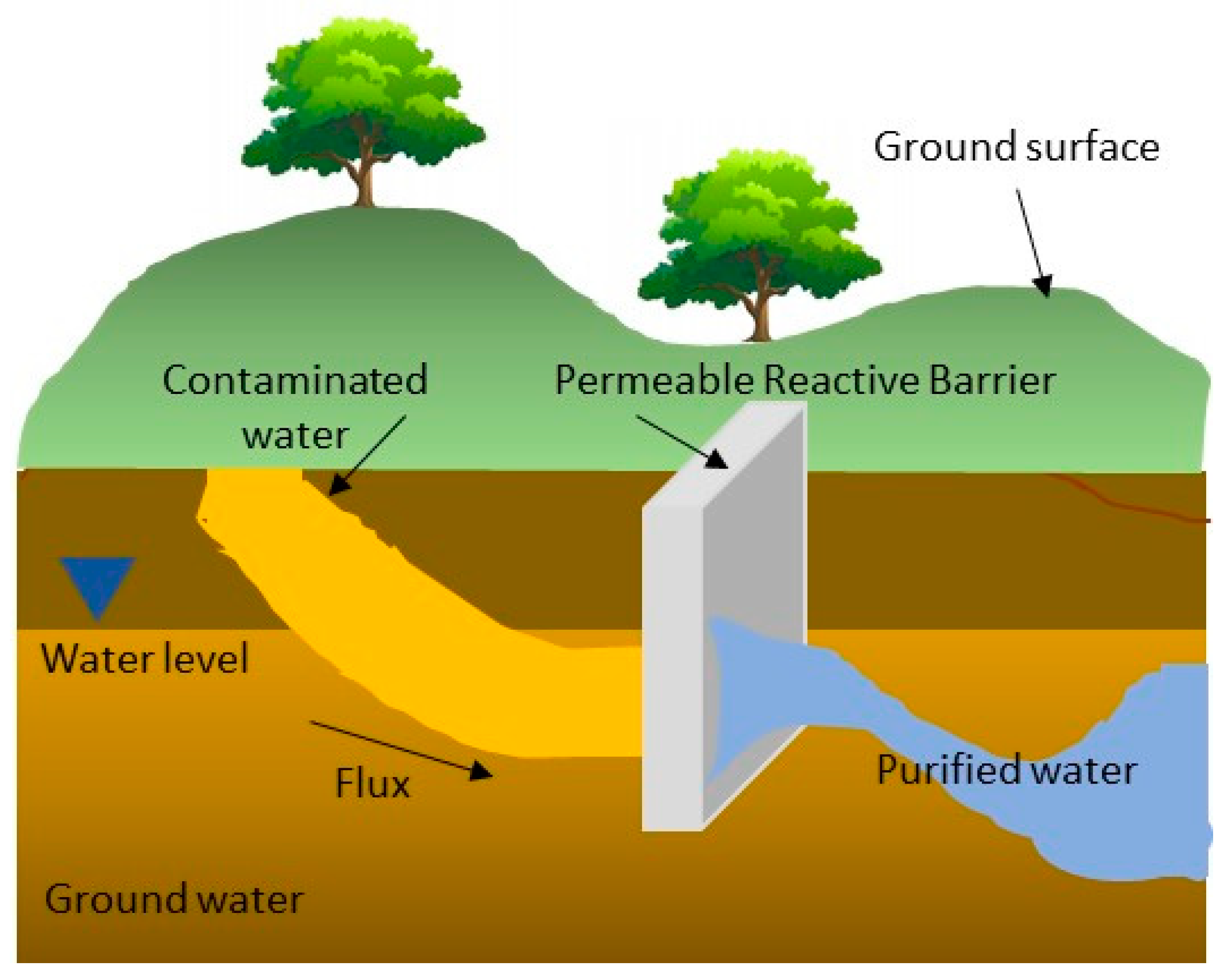
These processes are implemented through engineered environments such as bioreactors that cultivate microbial activity, filtration systems enhanced with biological layers, and soil treatments that introduce beneficial organisms.
Rather than replacing traditional systems entirely, biological processes often complement existing infrastructure by reducing energy use and chemical intensity.
Where This Is Already Happening
Which industries are currently using microbial systems?
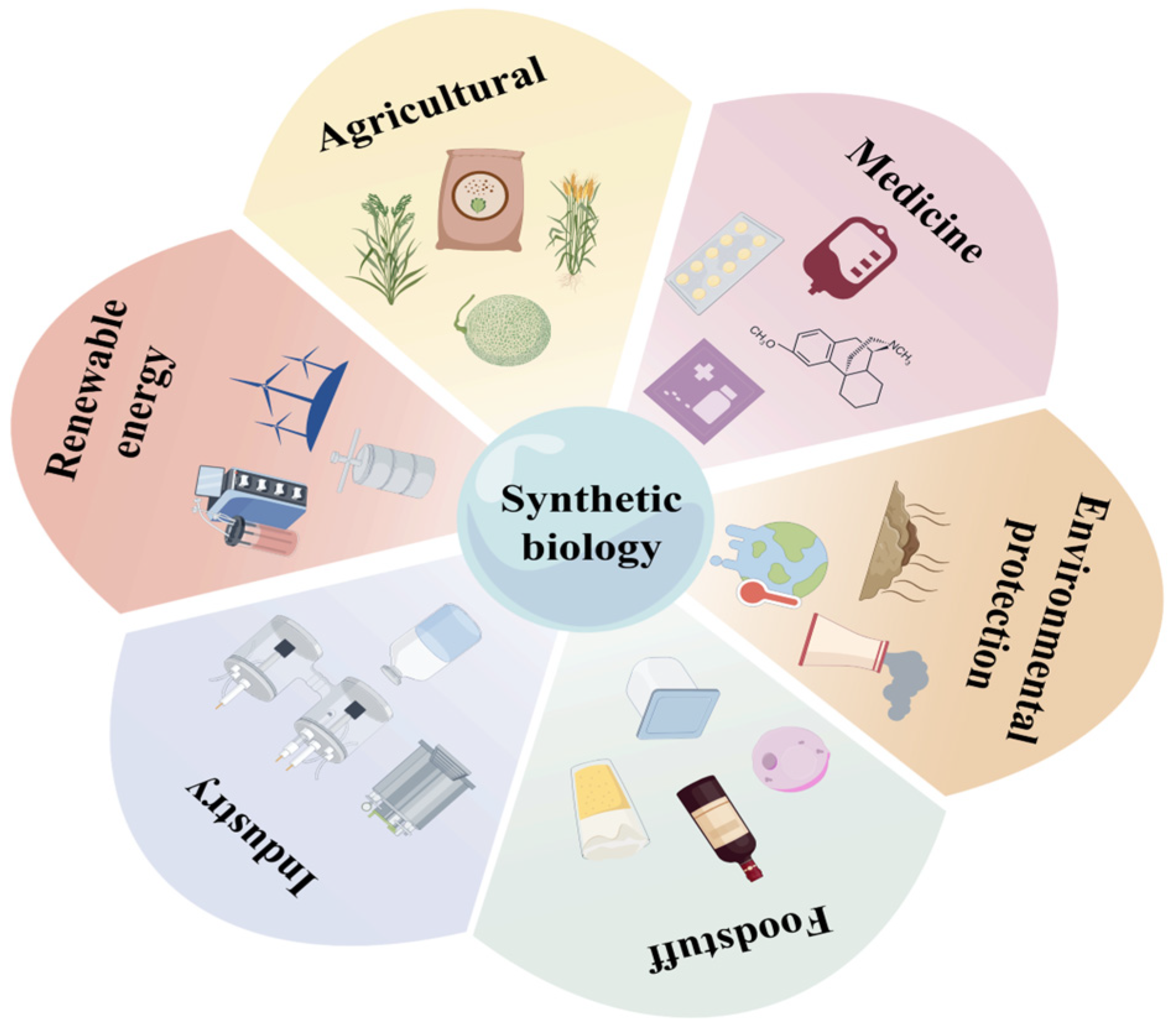
The use of microorganisms in industry is already well established in several areas.
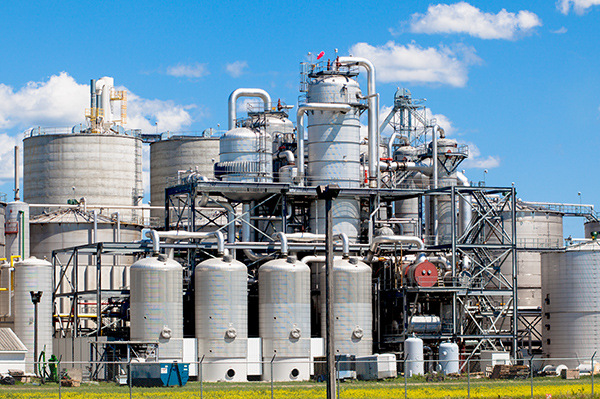
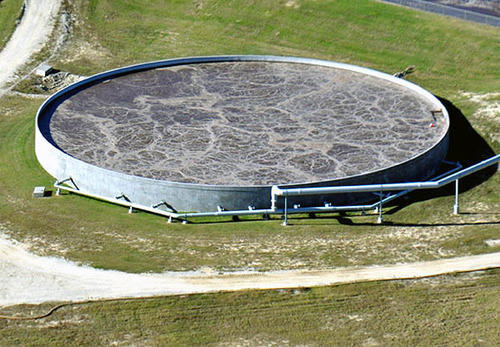
In wastewater treatment, microbial communities form the foundation of modern systems, breaking down organic waste efficiently. In environmental remediation, fungi have been used to degrade oil residues and industrial dyes in contaminated environments.
In manufacturing, enzymes derived from fungi are replacing harsh chemical catalysts in processes such as textile treatment and food production.
These applications represent early stages of a broader shift toward bio-assisted industrial systems.
Industrial Implications
What advantages do biological systems offer over traditional methods?
Biological systems offer several key advantages compared to conventional industrial processes.
They typically require less energy than high-temperature or high-pressure methods. They produce fewer harmful byproducts, reducing environmental impact. Their ability to adapt allows them to function in changing conditions, and some systems can operate continuously with minimal external input.
This does not eliminate the need for traditional infrastructure. Instead, it transforms how that infrastructure operates, introducing living components into industrial workflows.
Limits and Realities
What challenges limit the use of microbes in industry?
Despite their potential, microbial systems are not without challenges.
They can be sensitive to environmental fluctuations, requiring careful control to maintain consistent performance. Scaling processes from laboratory conditions to industrial levels remains complex.
There are also safety and regulatory considerations when deploying living organisms, particularly in open environments.
For now, microbial systems are best understood as complementary technologies that enhance existing industrial methods rather than fully replacing them.
A New Kind of Workforce
Are microbes becoming part of the industrial workforce?
The integration of microbes into industrial systems represents a fundamental shift in perspective.
Instead of relying solely on machines and external energy, industries are beginning to use living systems that perform work through metabolism and growth.
Fungi, in particular, operate continuously once established, performing complex chemical transformations without constant intervention.
They do not simply process materials. They participate in systems.
❓ FAQ
What is microbial bioremediation?
Microbial bioremediation is the use of microorganisms to remove or neutralize pollutants from soil, water, or air through natural biochemical processes.
Why are fungi important in industrial applications?
Fungi produce powerful enzymes, tolerate harsh environments, and can break down complex materials that are difficult for other systems to process.
Are microbes already used in industry?
Yes. They are widely used in wastewater treatment, environmental cleanup, and enzyme-based manufacturing processes.
Can microbes fully replace chemical processes?
Not yet. They are typically used alongside traditional systems, but their role is expanding as technology advances.
Are microbial systems environmentally friendly?
In many cases, yes. They often require less energy and produce fewer harmful byproducts compared to conventional industrial methods.
References
Academic Sources
Gadd, G. M. (2010). Metals, minerals and microbes: geomicrobiology and bioremediation. Microbiology. https://doi.org/10.1099/mic.0.037143-0
Singh, H. (2006). Mycoremediation: fungal bioremediation. Wiley-Interscience. https://doi.org/10.1002/0470050585
Pointing, S. B. (2001). Feasibility of bioremediation by white-rot fungi. Applied Microbiology and Biotechnology. https://doi.org/10.1007/s002530100745
Official Sources
U.S. Environmental Protection Agency (EPA) – Bioremediation: https://www.epa.gov
World Health Organization (WHO) – Environmental health: https://www.who.int
Key Takeaways
- Please login From chemicals to living systems: how fungi are becoming the quiet workforce of modern industry
- They are being integrated into engineered systems as functional components.Traditionally, industrial processes relied on force.
- Instead of forcing reactions, they guide natural metabolic pathways that already exist in microorganisms.
- This makes them well suited for real-world industrial applications.Unlike traditional tools, fungi are dynamic systems.
- They produce fewer harmful byproducts, reducing environmental impact.
Frequently Asked Questions
What should you know about please login to bookmark?
Please login From chemicals to living systems: how fungi are becoming the quiet workforce of modern industry
What should you know about academic Sources?
Gadd, G. M. (2010). Metals, minerals and microbes: geomicrobiology and bioremediation. Microbiology. https://doi.org/10.1099/mic.0.037143-0Singh, H. (2006). Mycoremediation: fungal bioremediation. Wiley-Interscience. https://doi.org/10.1002/0470050585Pointing, S. B. (2001). Feasi
What should you know about official Sources?
U.S. Environmental Protection Agency (EPA) – Bioremediation: https://www.epa.govWorld Health Organization (WHO) – Environmental health: https://www.who.int
What are the key findings about When Microbes Go to?
Please login From chemicals to living systems: how fungi are becoming the quiet workforce of modern industry
How does When Microbes Go to affect public health or safety?
Why are industries starting to use microbes instead of chemicals?Across laboratories, treatment plants, and industrial pilot systems, a major transition is underway. Microorganisms are no longer just objects of study. They are being integrated into engineered systems as functional components.Traditi