
Mold Doesn’t Ask for Permission
For many people, cannabis isn’t a lifestyle choice—it’s a lifeline. Used to manage nausea, chronic pain, seizures, inflammation, anxiety, and more, cannabis has become a refuge where other treatments fall short. From autoimmune conditions to palliative care, it offers relief, stability, and sometimes, the only rest someone can get.
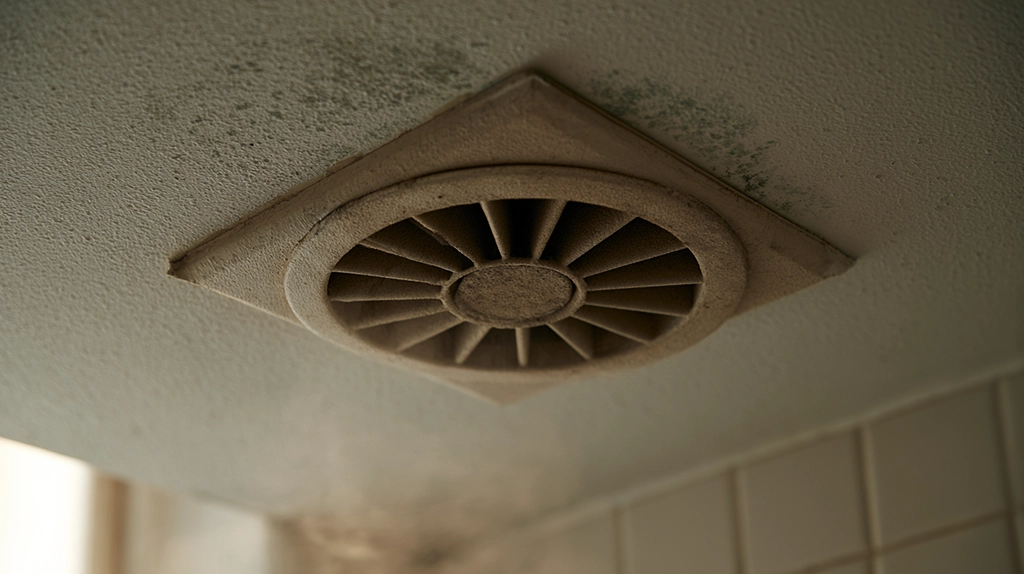
Behind every inhale, edible, or tincture may be something few consumers think to check: toxic mold. Mold doesn’t always carry a musty warning or visual clue. Sometimes, it grows quietly, undetectable until damage is done—especially in a product that’s meant to heal.

Source: Wikimedia Commons, CC BY-SA 4.0
A Quiet Threat in a Trusted Medicine
In March 2024, a study from Arizona State University sent ripples through the cannabis and medical community. Published in Environmental Health Perspectives, researchers examined 118 cannabis samples seized in Arizona and California—not to assess potency, but to test for mycotoxins.
Their findings were sobering: 16% of samples contained mycotoxins. Among them, ten samples tested positive for Fusarenon-X, a toxin associated with vomiting, immune suppression, and DNA damage. Other samples carried Diacetoxyscirpenol, a compound recognized by U.S. federal agencies as a biological threat.
These toxins are not science fiction—they are real, invisible hazards. And they are especially cruel to those already managing health challenges. The irony is heavy: a substance sought out for healing may unknowingly carry harm.
When Contamination Becomes the Real Drug
Unlike bacteria that die in heat or pesticides that can be rinsed off, mycotoxins are resilient. They survive combustion. They resist processing. That means toxins in moldy cannabis aren’t destroyed when smoked or vaped—they’re inhaled directly into the lungs and enter the bloodstream with frightening efficiency.
Imagine someone using cannabis to ease chemotherapy-induced nausea or to manage severe insomnia tied to chronic illness. They are doing what they can to reclaim comfort. But if that cannabis was contaminated? They may be introducing fungal toxins that worsen their condition instead of helping it.
This is where the issue becomes about more than mold. It’s about dignity, safety, and trust. When medicine becomes toxic, the cost isn’t just physical—it’s emotional and financial, too. People deserve better.

Source: Wikimedia Commons, CC BY 4.0
What Needs to Change—Now
Cannabis must be treated with the same standards applied to other therapeutic products. This includes strict testing and quality control—especially for those purchasing cannabis in places where regulation is still developing or inconsistently applied.
Testing for mycotoxins must become standard practice. Whether in flower, vape, oil, or edible form, each product should be evaluated for microbial contamination. Clear safety thresholds must be established, enforced, and shared transparently on product labels.
Consumers also need support. Many don’t know that strange odors, brittle buds, or unsealed packaging can signal contamination. Educational efforts—particularly in clinics, dispensaries, and public health messaging—can help users make informed, empowered decisions.
At the same time, research must evolve. Little is understood about the long-term impact of inhaled fungal toxins. More studies, more funding, and more cross-agency collaboration are needed to understand how these exposures affect vulnerable populations.
This isn’t a moral debate—it’s a public health discussion. The question is not whether cannabis should be used, but whether what people are using is safe.

Source: Wikimedia Commons, CC BY-SA 4.0
Final Puff: What You Can Do
If you use cannabis, or care for someone who does, take these steps:
- Choose reputable dispensaries or licensed medical sources. Look for lab-tested labels and third-party certifications.
- Examine your product. If it smells off, feels unusually dry or sticky, or has visible spots—don’t use it.
- Ask questions. Transparency is a right, not a luxury.
- Advocate for standards. Call for policies that ensure safe, mold-free cannabis for everyone.
Whether you’re managing pain, guiding a loved one through illness, or simply exploring cannabis as part of your care plan—you deserve clean medicine.
Because when safety is left to chance, contamination wins.
And no one should have to choose between relief and risk.
Let’s raise awareness, demand better standards, and ensure the conversation stays lit—so mold doesn’t get the final word.
References
- World Health Organization. (2023). Mycotoxins.
- U.S. Food and Drug Administration (FDA). (2024). Mycotoxins Guidance for Industry.
- PubChem Database. (2023). Fusarenon-X.
- PubChem Database. (2023). Diacetoxyscirpenol.
- FAO (2023). Global Mycotoxin Risk Map.
Key Takeaways
- For many people, cannabis isn’t a lifestyle choice—it’s a lifeline.
- From autoimmune conditions to palliative care, it offers relief, stability, and sometimes, the only rest someone can get.
- Sometimes, it grows quietly, undetectable until damage is done—especially in a product that’s meant to heal.
- Their findings were sobering: 16% of samples contained mycotoxins.
- These toxins are not science fiction—they are real, invisible hazards.
Frequently Asked Questions
What should you know about mold Doesn’t Ask for Permission?
For many people, cannabis isn’t a lifestyle choice—it’s a lifeline. Used to manage nausea, chronic pain, seizures, inflammation, anxiety, and more, cannabis has become a refuge where other treatments fall short. From autoimmune conditions to palliative care, it offers relief, stability, and sometime
What should you know about a Quiet Threat in a Trusted Medicine?
In March 2024, a study from Arizona State University sent ripples through the cannabis and medical community. Published in Environmental Health Perspectives, researchers examined 118 cannabis samples seized in Arizona and California—not to assess potency, but to test for mycotoxins.
When Contamination Becomes the Real Drug?
Unlike bacteria that die in heat or pesticides that can be rinsed off, mycotoxins are resilient. They survive combustion. They resist processing. That means toxins in moldy cannabis aren’t destroyed when smoked or vaped—they’re inhaled directly into the lungs and enter the bloodstream with frighteni
What Needs to Change—Now?
Cannabis must be treated with the same standards applied to other therapeutic products. This includes strict testing and quality control—especially for those purchasing cannabis in places where regulation is still developing or inconsistently applied.
What should you know about final Puff: What You Can Do?
If you use cannabis, or care for someone who does, take these steps: