
What a Recalled Nasal Spray Reveals About Hidden Fungal Risks
For many people, nasal sprays are everyday remedies. They sit quietly in medicine cabinets, used for allergies, colds, or chronic nasal congestion. Because they are associated with healthcare, these products are often assumed to be inherently safe. A recent product recall in the United States, however, serves as a reminder that even medical and wellness products can harbor unseen biological risks.
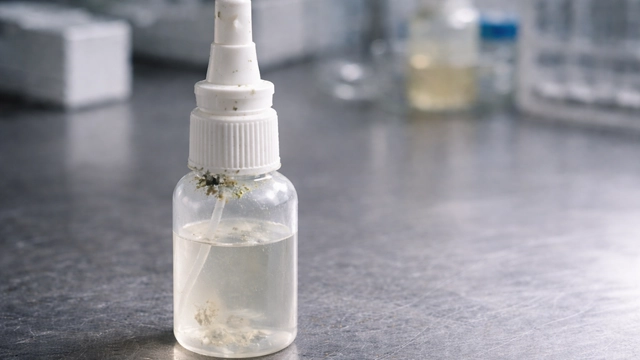
In late 2025, the U.S. Food and Drug Administration (FDA) announced a nationwide recall of ReBoost Nasal Spray after testing revealed contamination with mold and other microorganisms . While no widespread injuries were immediately reported, the recall raised important questions about how fungal contamination occurs and why it matters for public health.

How Does Mold End Up in a Nasal Spray?
Nasal sprays are liquid products, and liquids are particularly vulnerable to microbial growth. Under proper conditions, manufacturing and packaging take place in tightly controlled environments designed to limit contamination. But if any step in the process breaks down—such as inadequate sterilization, contaminated raw materials, or improper storage—microorganisms can enter the product.
In this case, testing detected not only mold but also Achromobacter, a genus of environmental bacteria commonly found in soil and water but not acceptable in sterile or semi-sterile medical products . Their presence in a product designed for direct nasal use represents a significant quality control failure.

Why Contamination in Nasal Products Is Especially Concerning
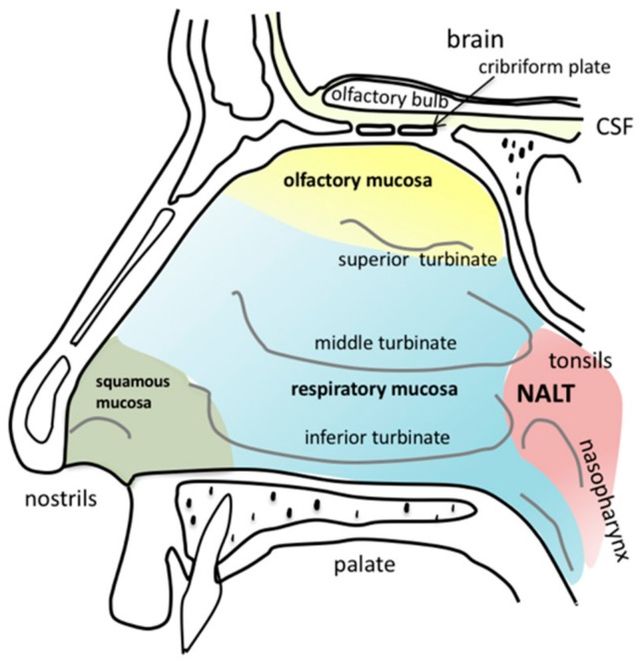
The nasal cavity is not merely an external surface. It connects directly to the respiratory tract and lies close to vascular and neural pathways. When a contaminated spray is used, microorganisms may bypass many of the body’s natural defenses and gain direct access to sensitive tissues.
For healthy adults, short-term exposure may not cause immediate symptoms. However, risk increases substantially for:
- People with weakened immune systems
- Individuals with chronic respiratory conditions
- Those who use nasal sprays frequently or long-term
- Elderly individuals and young children
Because of these vulnerabilities, regulatory agencies classify microbial contamination in nasal products as a serious safety concern, even when confirmed injuries are rare .
Mold Is Not Just a Household Problem
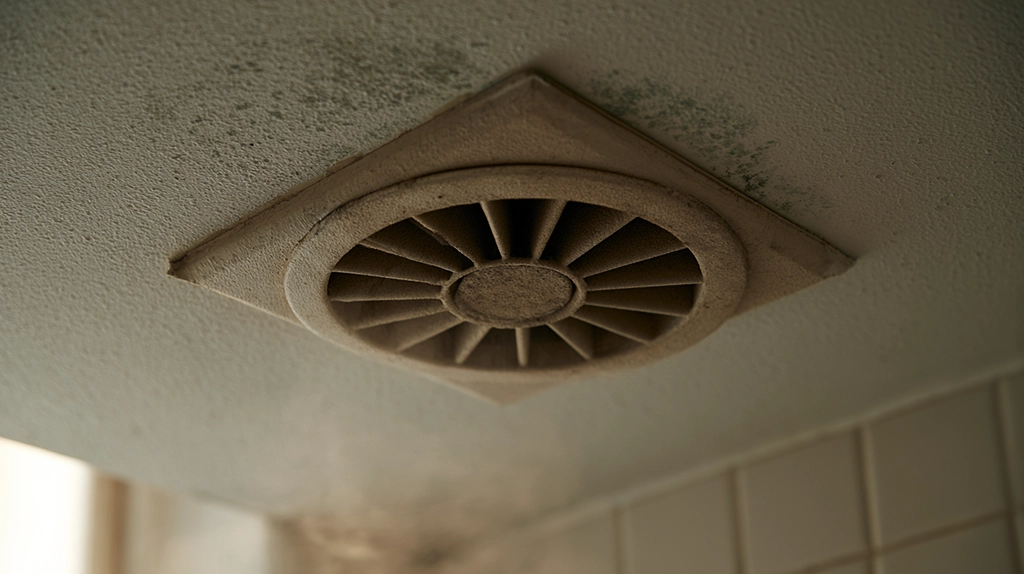
Mold is often framed as a household nuisance—something that appears on damp walls, spoiled food, or forgotten leftovers. In reality, fungal spores are ubiquitous, circulating continuously through air, dust, and water .
Medical and wellness products containing moisture can become ideal growth environments when contamination controls fail. This recall highlights how fungal risk extends beyond homes and food systems into industrial, pharmaceutical, and consumer health products.

What Can Consumers Learn From This Recall?
While recalls can feel alarming, they also serve an important educational role. Consumers can reduce risk by adopting several practical habits:
- Check official recall notices from health authorities
- Avoid using products past their expiration date
- Discontinue use if smell, color, or texture changes
- Store sprays according to manufacturer instructions, away from heat and humidity
- Seek medical advice if symptoms appear after product use
Awareness does not eliminate risk—but it shortens the time between exposure and action.
A Lesson in Invisible Risks
The nasal spray recall is not a reason to distrust medical products wholesale. Instead, it underscores an often-overlooked truth: mold and microbes do not disappear simply because a product is regulated.
As modern life relies increasingly on manufactured solutions for health and comfort, microbial awareness becomes part of basic health literacy. Mold does not always announce itself with visible growth or musty odors. Sometimes, it hides inside a bottle labeled relief.
Some molds grow on walls.
Others grow where we least expect them.
Recognizing that difference is the first step toward safer choices—and better public health awareness.
References
Official & Regulatory
- U.S. Food and Drug Administration (FDA). Drug Recall Notices and Microbial Contamination Guidance.
https://www.fda.gov - FDA. Microbiological Quality of Non-Sterile Products.
https://www.fda.gov/media/71911/download
Scientific & Medical
- Achromobacter — Overview. Wikipedia.
https://en.wikipedia.org/wiki/Achromobacter - Centers for Disease Control and Prevention (CDC). Mold: General Information.
https://www.cdc.gov/mold
Key Takeaways
- Please login What a Recalled Nasal Spray Reveals About Hidden Fungal Risks For many people, nasal sprays are everyday remedies.
- Because they are associated with healthcare, these products are often assumed to be inherently safe.
- While no widespread injuries were immediately reported, the recall raised important questions about how fungal contamination occurs and why it matters for public health.
- Under proper conditions, manufacturing and packaging take place in tightly controlled environments designed to limit contamination.
- Their presence in a product designed for direct nasal use represents a significant quality control failure.
Frequently Asked Questions
What should you know about please login to bookmark?
Please login What a Recalled Nasal Spray Reveals About Hidden Fungal Risks For many people, nasal sprays are everyday remedies. They sit quietly in medicine cabinets, used for allergies, colds, or chronic nasal congestion. Because they are associated with healthcare, these products are often assumed
What a Recalled Nasal Spray Reveals About Hidden Fungal Risks?
For many people, nasal sprays are everyday remedies. They sit quietly in medicine cabinets, used for allergies, colds, or chronic nasal congestion. Because they are associated with healthcare, these products are often assumed to be inherently safe. A recent product recall in the United States, howev
How Does Mold End Up in a Nasal Spray?
Nasal sprays are liquid products, and liquids are particularly vulnerable to microbial growth. Under proper conditions, manufacturing and packaging take place in tightly controlled environments designed to limit contamination. But if any step in the process breaks down—such as inadequate sterilizati
Why Contamination in Nasal Products Is Especially Concerning?
The nasal cavity is not merely an external surface. It connects directly to the respiratory tract and lies close to vascular and neural pathways. When a contaminated spray is used, microorganisms may bypass many of the body’s natural defenses and gain direct access to sensitive tissues.
What should you know about mold Is Not Just a Household Problem?
Mold is often framed as a household nuisance—something that appears on damp walls, spoiled food, or forgotten leftovers. In reality, fungal spores are ubiquitous, circulating continuously through air, dust, and water .