
Antifungal Resistance Is a Growing but Overlooked Threat
When people hear the word “drug resistance,” they usually think of bacteria. “Antibiotic resistance” has become a familiar public health concern.
Far less attention, however, is paid to a quieter but increasingly serious problem: fungi are also learning how to survive our medicines.
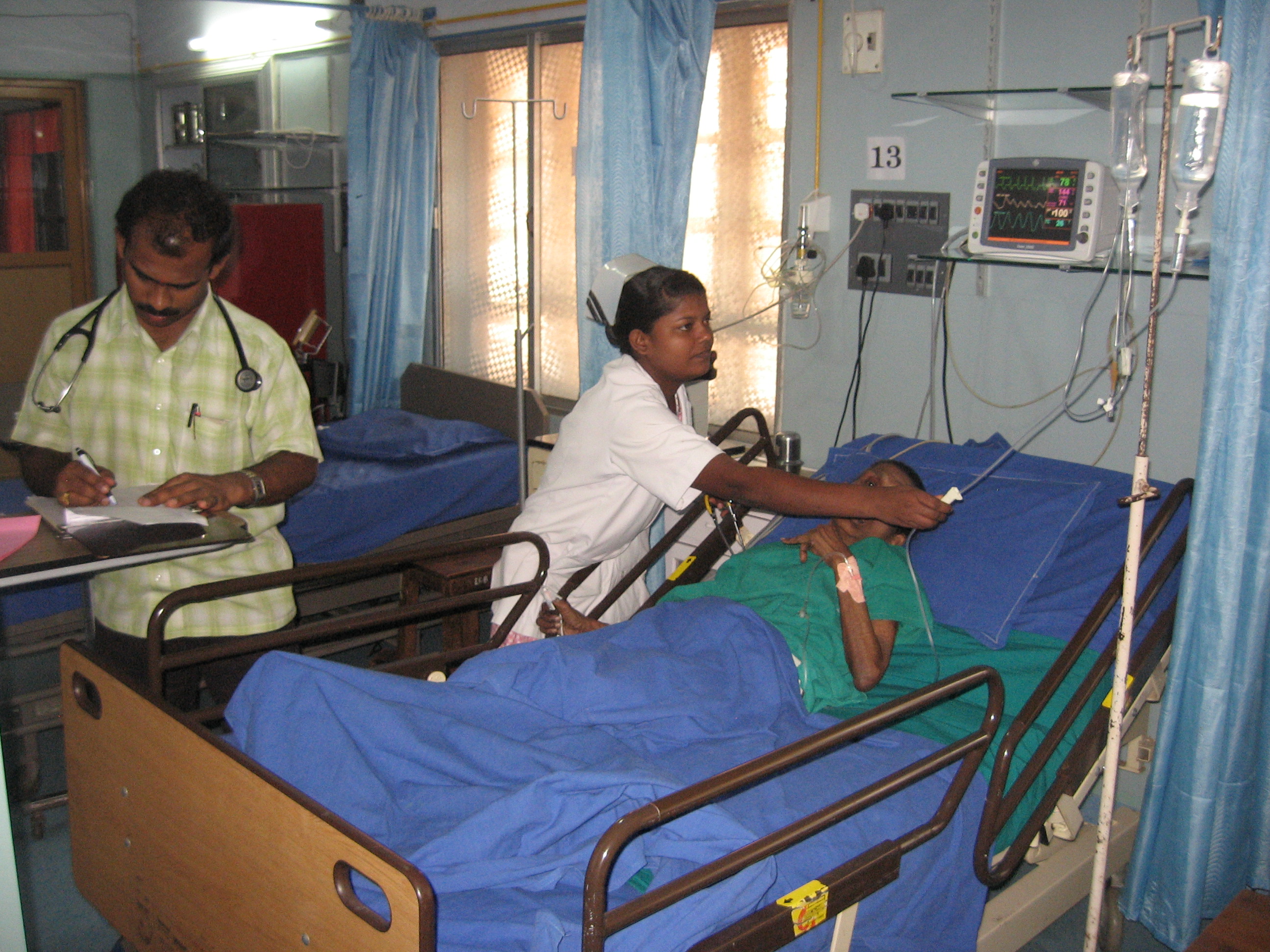
Recent research shows that antifungal resistance is no longer rare. In hospitals around the world, infections that were once treatable are becoming harder to control. This is not a future scenario. It is already happening.
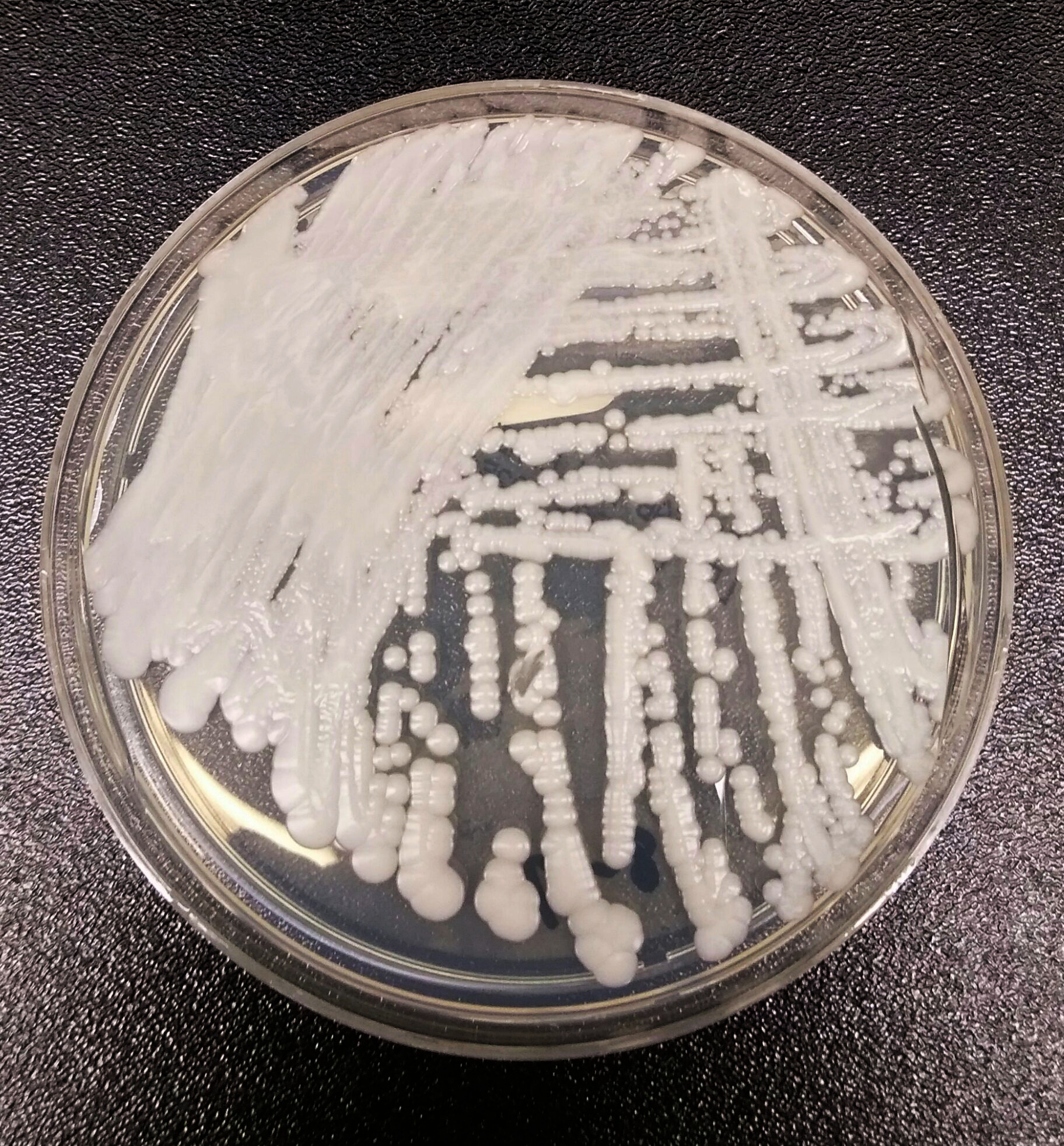
Fungi Are Harder to Target Than Bacteria
One fundamental challenge is biological.
Unlike bacteria, fungi are eukaryotic organisms, which means their cells share many similarities with human cells.

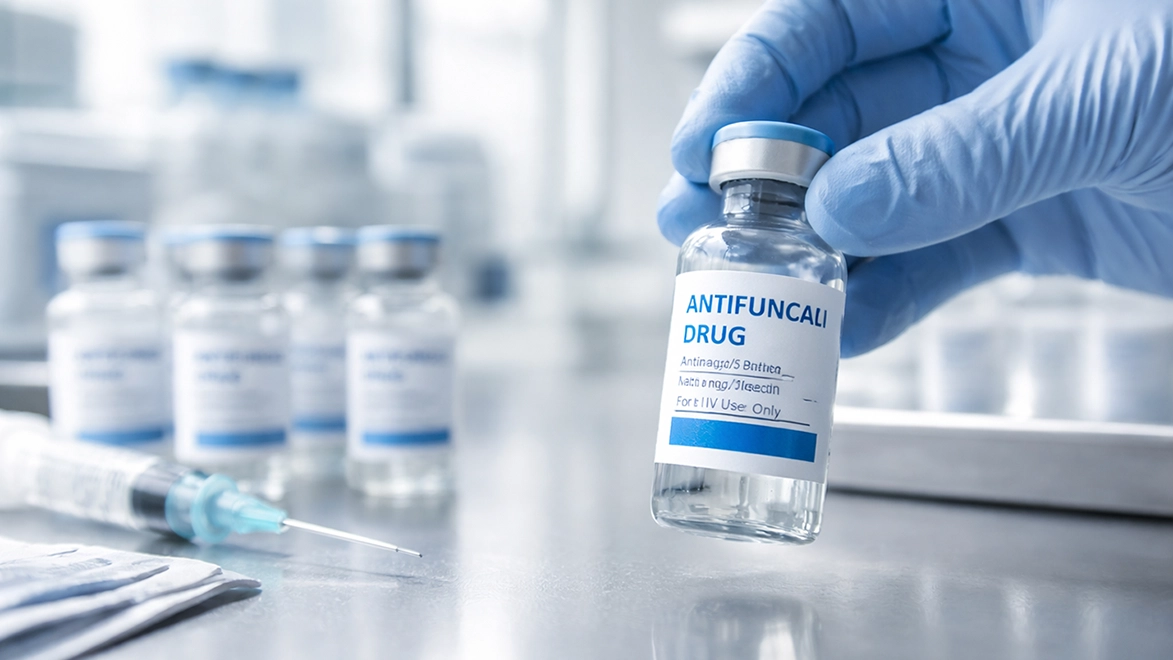
This makes antifungal drug development uniquely difficult. A compound strong enough to kill fungi can easily damage human cells as well. As a result, medicine relies on only a few classes of antifungal drugs, and there are limited alternatives when resistance appears.
Losing even one effective antifungal option has serious consequences.
How Fungi Become Drug-Resistant
Fungal resistance does not rely on a single trick. Research has identified several strategies that fungi use, often at the same time.

Changing the Drug’s Target
Some fungi alter the structure of key molecules inside their cells, so antifungal drugs can no longer bind effectively.
Pumping Drugs Out
Certain fungi activate transport systems that actively expel antifungal drugs before they can do damage.
Strengthening Cellular Defenses
By modifying their cell membranes or walls, fungi can reduce how much of a drug enters the cell in the first place.
These mechanisms are not theoretical. They have been repeatedly observed in clinical settings.
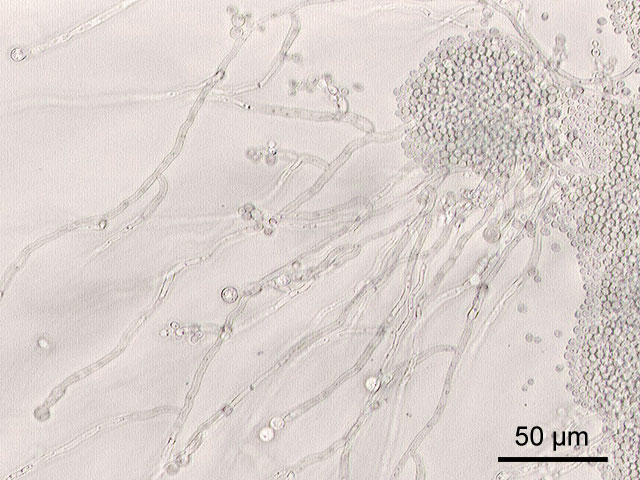
Hospitals as Evolutionary Pressure Zones
Ironically, healthcare environments themselves can accelerate resistance.
In hospitals, antifungal drugs are used frequently and often for long periods. This creates intense selection pressure. Fungal strains that survive treatment gain a strong advantage and can spread, especially among patients with weakened immune systems.
For these patients, drug-resistant fungal infections are associated with higher mortality and fewer treatment options.

Why This Is a Global Issue
Antifungal resistance is not confined to individual hospitals or countries.
With global travel, medical tourism, and climate-driven environmental change, resistant fungi can move between regions more easily than before.

At the same time, surveillance systems for fungal resistance remain limited. Diagnostic tools are often slow, and investment in new antifungal drugs has lagged behind that for antibiotics and antivirals.
The result is a widening gap between fungal adaptation and human preparedness.
The Cost of Long-Term Neglect
The research makes one point clear: antifungal resistance did not emerge suddenly.
It is the outcome of decades of underinvestment in fungal biology, diagnostics, and drug development.
Fungi rarely trigger global emergencies in the way viruses do. But as populations age and the number of immunocompromised patients increases, fungal infections are becoming more clinically significant.
Ignoring this trend only increases future risk.
Rethinking Our Relationship With Fungi
The lesson from antifungal resistance is not just about medicine. It is about perspective.
Fungi are highly adaptable organisms that respond quickly to environmental pressure. Treating them as a minor threat has allowed resistance to grow largely unnoticed.
Understanding fungal biology, ecology, and evolution will be essential if medicine is to keep pace.
References
Academic sources
- Fisher, M. C., et al. (2022). Tackling the emerging threat of antifungal resistance to human health. Nature Reviews Microbiology. DOI: 10.1038/s41579-022-00720-1. Source: https://www.nature.com/articles/s41579-022-00720-1
- Chaabane, F., et al. (2019). Review on Antifungal Resistance Mechanisms in the Emerging Pathogen Candida auris. Frontiers in Microbiology. DOI: 10.3389/fmicb.2019.02788. Source: https://www.frontiersin.org/journals/microbiology/articles/10.3389/fmicb.2019.02788/full
Official / institutional sources
- World Health Organization (WHO): WHO fungal priority pathogens list to guide research, development and public health action (2022). https://www.who.int/publications/i/item/9789240060241
- Centers for Disease Control and Prevention (CDC): Candida auris (C. auris) — Tracking C. auris (updated page). https://www.cdc.gov/candida-auris/tracking-c-auris/index.html
- CDC: Candida auris (C. auris) overview page. https://www.cdc.gov/candida-auris/index.html
Key Takeaways
- Please login Antifungal Resistance Is a Growing but Overlooked Threat When people hear the word “drug resistance,” they usually think of bacteria.
- Recent research shows that antifungal resistance is no longer rare.
- One fundamental challenge is biological.Unlike bacteria, fungi are eukaryotic organisms, which means their cells share many similarities with human cells.
- As a result, medicine relies on only a few classes of antifungal drugs, and there are limited alternatives when resistance appears.Losing even one effective antifungal option has serious consequences.
- Changing the Drug’s TargetSome fungi alter the structure of key molecules inside their cells, so antifungal drugs can no longer bind effectively.
Frequently Asked Questions
What should you know about please login to bookmark?
Please login Antifungal Resistance Is a Growing but Overlooked Threat When people hear the word “drug resistance,” they usually think of bacteria. “Antibiotic resistance” has become a familiar public health concern.Far less attention, however, is paid to a quieter but increasingly serious problem: f
What should you know about antifungal Resistance Is a Growing but Overlooked Threat?
When people hear the word “drug resistance,” they usually think of bacteria. “Antibiotic resistance” has become a familiar public health concern.Far less attention, however, is paid to a quieter but increasingly serious problem: fungi are also learning how to survive our medicines.
What should you know about fungi Are Harder to Target Than Bacteria?
One fundamental challenge is biological.Unlike bacteria, fungi are eukaryotic organisms, which means their cells share many similarities with human cells.
How Fungi Become Drug-Resistant?
Fungal resistance does not rely on a single trick. Research has identified several strategies that fungi use, often at the same time.
What should you know about hospitals as Evolutionary Pressure Zones?
Ironically, healthcare environments themselves can accelerate resistance.In hospitals, antifungal drugs are used frequently and often for long periods. This creates intense selection pressure. Fungal strains that survive treatment gain a strong advantage and can spread, especially among patients wit