
A Fungus Among Us: From Caves to Living Rooms
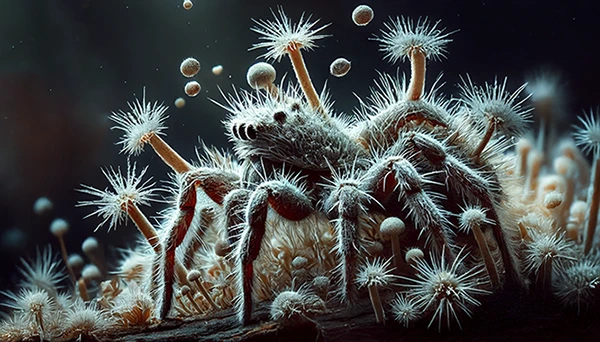
Fungi are everywhere—hidden in the air, soil, and even in our homes. While most people associate fungi with mold growth in damp corners, certain species have evolved far beyond simple decomposition. A newly discovered fungal species, Gibellula attenboroughii, has shocked scientists by turning cave-dwelling spiders into ‘zombies’—manipulating their behavior before ultimately consuming them. This discovery raises new questions about how fungi interact with their hosts, not just in the wild but even in indoor environments where mold can impact human health

Source: Wikimedia Commons, CC BY-SA 2.0
Meet Gibellula attenboroughii: The Puppet Master Fungus
Named after Sir David Attenborough, Gibellula attenboroughii is a parasitic fungus that preys on spiders. Much like the infamous zombie ant fungus (Ophiocordyceps unilateralis), this fungus infiltrates the spider’s body and appears to alter its behavior before killing it. Infected spiders leave their webs and move to exposed areas, making it easier for fungal spores to spread. While this behavior-controlling mechanism remains a mystery, it mirrors what we know about certain toxic molds that impact human respiratory function and neurological responses.
From Webs to Walls: The Infection Process
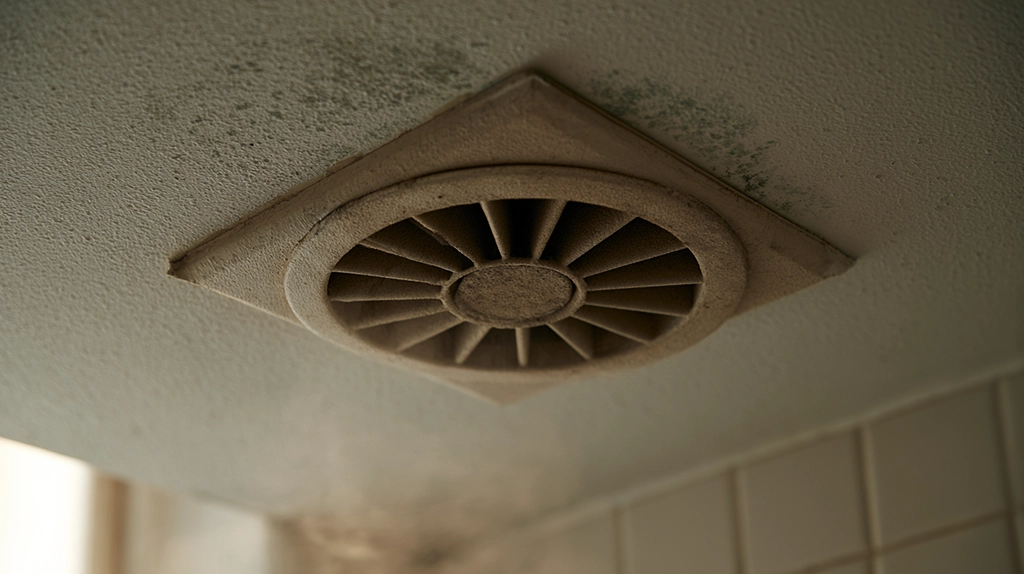
The infection process of Gibellula attenboroughii is eerily similar to how black mold (Stachybotrys chartarum) spreads indoors—thriving in humid, enclosed spaces and releasing spores that travel through the air.
In the case of spiders, fungal spores attach to the host’s body, penetrating through the exoskeleton and taking over the spider’s bodily functions. Over time, the fungus spreads, draining nutrients from the spider while simultaneously releasing chemicals that may alter its nervous system.
Once the spider reaches an open area, it becomes immobilized as the fungus completes its life cycle, covering the body with mycelium. The infected spider’s corpse then acts as a launching pad for new spores, continuing the fungal invasion.

Source: Wikimedia Commons, CC BY-SA 4.0
Parallels Between Parasitic Fungi and Indoor Mold
While Gibellula attenboroughii only infects spiders, its behavior raises broader concerns about fungi’s ability to influence living organisms. Mold species like Stachybotrys chartarum (black mold) and Aspergillus fumigatus have long been studied for their effects on human health, with exposure linked to respiratory issues, allergic reactions, and cognitive impairment.
- Black mold produces mycotoxins, which have been linked to neurological effects such as memory loss and brain fog—similar to how Gibellula attenboroughii may manipulate spider behavior.
- Aspergillus fumigatus, a common indoor mold, spreads rapidly through airborne spores, much like how parasitic fungi invade their hosts.
- Exposure to high levels of fungal spores indoors has been linked to changes in immune response, respiratory function, and even mental health disorders.

Source: Wikimedia Commons, CC BY-SA 3.0
Evolution’s Dark Side: Why Fungi Manipulate Their Hosts
Why would a fungus evolve to control its host’s behavior? Scientists hypothesize that behavioral manipulation increases spore dispersal, ensuring that the fungus can spread effectively. This is similar to how mold colonies expand within damp buildings, using air currents to distribute spores across entire rooms.
Parasitic fungi like Ophiocordyceps (which infects insects) and Gibellula attenboroughii demonstrate nature’s deep connection between fungi and host organisms. Whether in the wild or within human-made environments, fungi find ways to thrive by taking advantage of living systems.

Source: Wikimedia Commons, CC BY-SA 4.0
Could Fungal Manipulation Happen in Humans?
While zombie-spider fungi won’t be turning humans into mind-controlled hosts anytime soon, there is scientific evidence that fungi can influence human biology:
- Mold exposure in indoor environments has been linked to neurological effects, including mood changes, depression, and even reduced cognitive function.
- Some fungal infections, such as Cryptococcus, can cause severe brain inflammation, affecting motor function and decision-making abilities.
- Gut fungi, such as Candida albicans, can alter human behavior by affecting neurotransmitter levels.
Though the concept of a “Last of Us”–style fungal takeover remains firmly in the realm of fiction, these studies suggest that fungi have the potential to interact with human biology in ways we don’t fully understand yet.
The Importance of Studying Fungal Behavior
With only 5% of fungal species identified, scientists are just beginning to uncover the full extent of how fungi interact with their environment.
Source: Generated by AI based on CDC data (CC0 template from Wikimedia Commons)
The discovery of Gibellula attenboroughii highlights how fungi can influence living hosts, an area of research that could lead to breakthroughs in medicine, microbiology, and even biotechnology.
Additionally, this discovery serves as a reminder of why indoor mold research is crucial. If fungi are capable of manipulating insects and animals, it’s worth considering how chronic exposure to indoor mold might subtly affect human behavior and health.
What This Means for You
While zombie-spider fungi remain an eerie curiosity, their discovery reinforces the importance of mold awareness in our daily lives. Whether dealing with parasitic fungi in nature or toxic mold in homes, the same principles apply—prevention, early detection, and controlling moisture levels to avoid unwanted fungal intrusions.
Key Takeaways:
- Fungi can manipulate host behavior, just like how some indoor molds affect human health.
- Mold spores spread through air currents, much like how parasitic fungi infect their hosts.
- Toxic mold exposure has been linked to neurological effects, reinforcing the need for indoor air quality management.
- Understanding fungi could lead to medical advancements in treating infections and cognitive disorders.
Final Thoughts: Are We Underestimating Fungal Influence?
Fungi are far more complex than we give them credit for. While Gibellula attenboroughii may seem like a bizarre outlier, its discovery pushes us to rethink how fungi shape ecosystems, human health, and possibly even behavior. Whether it’s a spider-luring parasite or toxic mold creeping through air vents, fungi are an ever-present force—and one we’re just beginning to understand.
References
- Fungi – Wikipedia
- Mold – Wikipedia
- EPA – Mold
- CDC – Fungal Diseases
- CDC – Mold & Health
- Aspergillus fumigatus – Wikipedia
- Stachybotrys chartarum – Wikipedia
- Ophiocordyceps – Wikipedia
- Cryptococcus – Wikipedia
- Candida albicans – Wikipedia
- Mental health & mold exposure – NIH PMC
- The Last of Us – Wikipedia
Image Sources:
- Zombie ant fungus – Wikimedia Commons (CC BY-SA 2.0)
- Fungi spores microscope – Wikimedia Commons (CC BY-SA 4.0)
- Mold on wall – Wikimedia Commons (CC BY-SA 3.0)
- Ophiocordyceps life cycle diagram – Wikimedia Commons (CC BY-SA 4.0)
Key Takeaways
- Fungi are everywhere—hidden in the air, soil, and even in our homes.
- A newly discovered fungal species, Gibellula attenboroughii, has shocked scientists by turning cave-dwelling spiders into ‘zombies’—manipulating their behavior before ultimately consuming them.
- Much like the infamous zombie ant fungus (Ophiocordyceps unilateralis), this fungus infiltrates the spider’s body and appears to alter its behavior before killing it.
- While this behavior-controlling mechanism remains a mystery, it mirrors what we know about certain toxic molds that impact human respiratory function and neurological responses.
- Over time, the fungus spreads, draining nutrients from the spider while simultaneously releasing chemicals that may alter its nervous system.
Frequently Asked Questions
What should you know about a Fungus Among Us: From Caves to Living Rooms?
Fungi are everywhere—hidden in the air, soil, and even in our homes. While most people associate fungi with mold growth in damp corners, certain species have evolved far beyond simple decomposition. A newly discovered fungal species, Gibellula attenboroughii, has shocked scientists by turning cave-d
What should you know about meet Gibellula attenboroughii: The Puppet Master Fungus?
Named after Sir David Attenborough, Gibellula attenboroughii is a parasitic fungus that preys on spiders. Much like the infamous zombie ant fungus (Ophiocordyceps unilateralis), this fungus infiltrates the spider’s body and appears to alter its behavior before killing it. Infected spiders leave thei
What should you know about from Webs to Walls: The Infection Process?
The infection process of Gibellula attenboroughii is eerily similar to how black mold (Stachybotrys chartarum) spreads indoors—thriving in humid, enclosed spaces and releasing spores that travel through the air.
What should you know about parallels Between Parasitic Fungi and Indoor Mold?
While Gibellula attenboroughii only infects spiders, its behavior raises broader concerns about fungi’s ability to influence living organisms. Mold species like Stachybotrys chartarum (black mold) and Aspergillus fumigatus have long been studied for their effects on human health, with exposure linke
What should you know about evolution’s Dark Side: Why Fungi Manipulate Their Hosts?
Why would a fungus evolve to control its host’s behavior? Scientists hypothesize that behavioral manipulation increases spore dispersal, ensuring that the fungus can spread effectively. This is similar to how mold colonies expand within damp buildings, using air currents to distribute spores across