
A DNA-Level Census of the Mold World
Fungi are among the most widespread yet least understood forms of life on Earth. They recycle nutrients in soil, shape plant health, influence food safety, and quietly inhabit the air and surfaces of human-built environments. Despite their ubiquity, much of the fungal world remains scientifically invisible.

Researchers estimate that more than two million fungal species may exist globally. Yet only a small fraction have been formally described and named. Many molds are present everywhere, but in scientific terms, they remain “unknown.”
A 2025 study focusing on fungal DNA barcoding seeks to change that reality.
The Blind Spots of Fungal Research
For decades, fungal classification relied on visible traits and laboratory cultivation. For many molds, this approach simply does not work. Numerous species:
- Cannot be reliably grown in laboratory conditions
- Appear nearly identical under the microscope despite major ecological or toxicological differences
- Exist only briefly or in highly specific environments
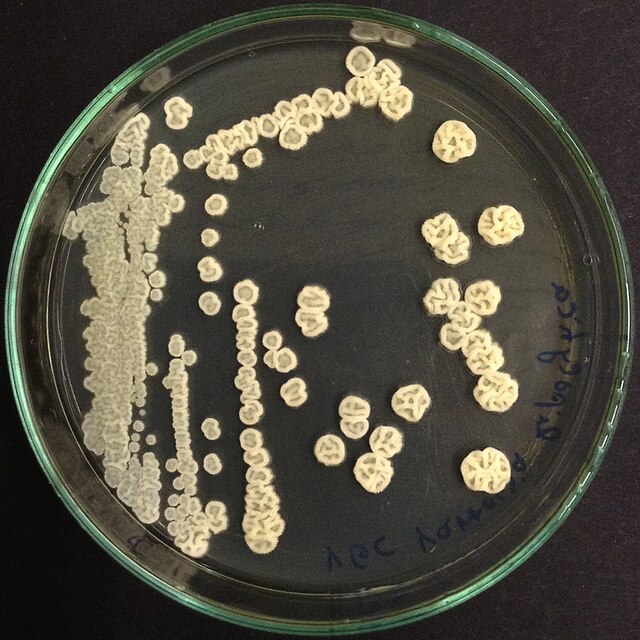
DNA barcoding offered a breakthrough by allowing researchers to identify fungi directly from soil, air, water, and building surfaces. However, this success created a new challenge. While DNA sequences accumulated rapidly, taxonomic knowledge did not keep pace.
As a result, vast numbers of fungal sequences remain labeled as “unclassified” or “unknown,” limiting their scientific and practical value.
Turning DNA Sequences into Ecological Meaning
The central contribution of this research is not merely technical improvement, but a shift in how fungal DNA is interpreted.
Instead of treating identification as a simple yes-or-no match, the study emphasizes placing fungal sequences within the broader structure of the fungal tree of life. Even when a species-level name is unavailable, knowing whether a fungus belongs to a particular genus, family, or ecological group can reveal critical information.
For fungi, approximate identity often matters. It can indicate:
- Whether a mold is likely to produce toxins
- What environmental conditions it favors
- Whether it may interact with plants, animals, or human health
This approach allows fungal data to become biologically meaningful rather than remaining abstract genetic code. High-throughput metabarcoding approaches have become a key method for revealing fungal diversity in environmental samples, enabling large-scale surveys of soil, air, and built environments.
A More Visible Mold World
As more fungal sequences are consistently classified, previously hidden patterns begin to emerge:

- Agriculture and Food Systems
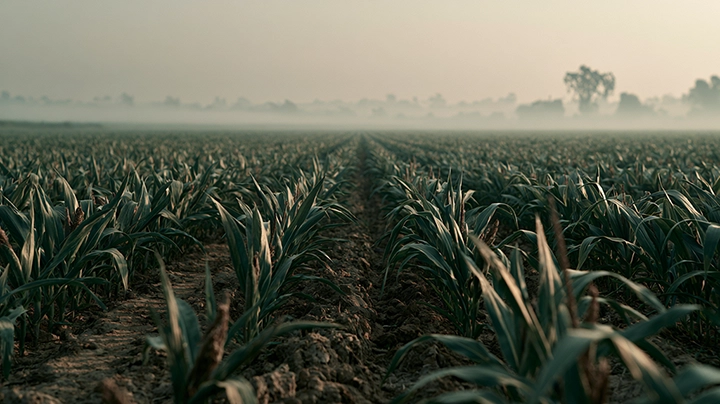
Soil and crop-associated fungal communities can be studied with greater clarity, improving understanding of disease pressure and beneficial fungi.
- Indoor Environments and Buildings
Air and surface samples can move beyond simple presence or absence toward identifying dominant fungal groups.
- Public Health and Medicine
The environmental distribution of pathogenic and opportunistic molds becomes easier to track.
- Climate and Ecosystem Change
Because fungi respond rapidly to temperature and moisture, they serve as sensitive indicators of environmental shifts.

Across these fields, fungi transition from background noise to interpretable biological actors.
From Unknown Sequences to Recognized Life
The broader implication of this research lies in recognition. When fungal diversity can be reliably organized, the fungal kingdom becomes easier to study, monitor, and protect.
This work does not replace taxonomists or ecological expertise. Instead, it helps ensure that fungal life—long overlooked due to its sheer complexity—can finally be incorporated into environmental, agricultural, and health research at scale.
In the process, countless molds move from anonymity toward understanding.
In One Sentence
This study helps transform fungi from unnamed DNA fragments into recognizable participants in ecosystems, health, and the built environment.
References
- Hawksworth DL & Lücking R. (2017). Fungal Diversity Revisited. Microbiology Spectrum. DOI: 10.1128/microbiolspec.FUNK-0052-2016
- Nilsson RH et al. (2019). The UNITE database for molecular identification of fungi. Nucleic Acids Research. DOI: 10.1093/nar/gky1022
- Kõljalg U et al. (2013). Towards a unified paradigm for sequence-based identification of fungi. Molecular Ecology. DOI: 10.1111/mec.12481
- UNITE fungal ITS database: https://unite.ut.ee
Key Takeaways
- Fungi are among the most widespread yet least understood forms of life on Earth.
- Despite their ubiquity, much of the fungal world remains scientifically invisible.
- Yet only a small fraction have been formally described and named.
- For decades, fungal classification relied on visible traits and laboratory cultivation.
- While DNA sequences accumulated rapidly, taxonomic knowledge did not keep pace.
Frequently Asked Questions
What should you know about a DNA-Level Census of the Mold World?
Fungi are among the most widespread yet least understood forms of life on Earth. They recycle nutrients in soil, shape plant health, influence food safety, and quietly inhabit the air and surfaces of human-built environments. Despite their ubiquity, much of the fungal world remains scientifically in
What should you know about the Blind Spots of Fungal Research?
For decades, fungal classification relied on visible traits and laboratory cultivation. For many molds, this approach simply does not work. Numerous species:
What should you know about turning DNA Sequences into Ecological Meaning?
The central contribution of this research is not merely technical improvement, but a shift in how fungal DNA is interpreted.
What should you know about a More Visible Mold World?
As more fungal sequences are consistently classified, previously hidden patterns begin to emerge:
What should you know about from Unknown Sequences to Recognized Life?
The broader implication of this research lies in recognition. When fungal diversity can be reliably organized, the fungal kingdom becomes easier to study, monitor, and protect.