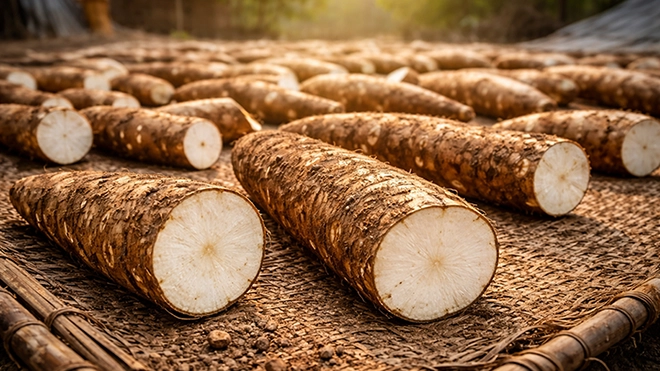

How fungal contamination in cassava reveals an invisible but widespread food safety challenge
A Staple Crop Under the Microscope
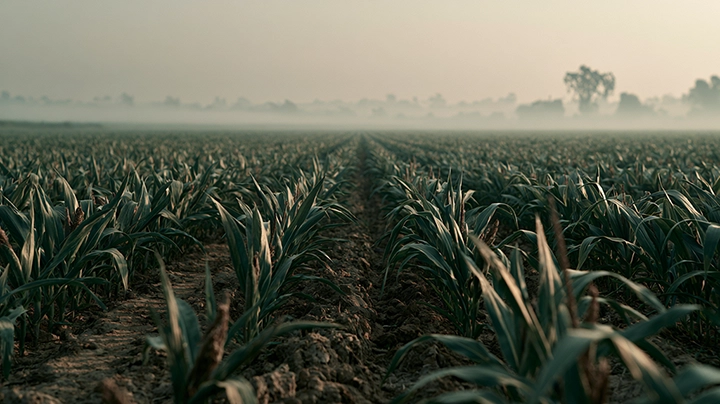
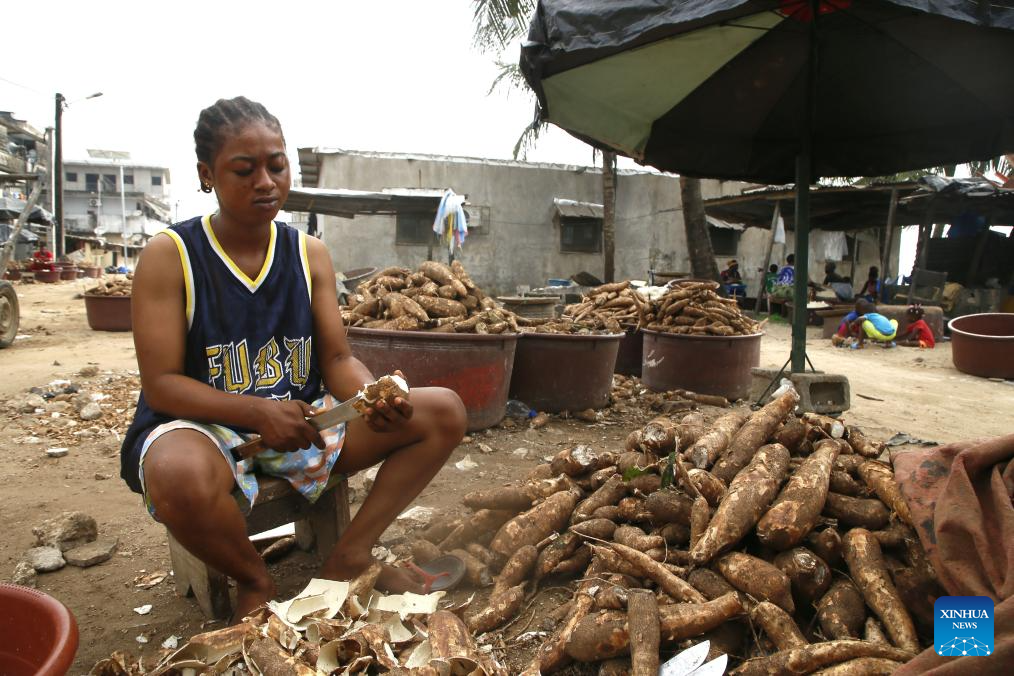
Cassava is more than a crop—it is a foundation of daily life for hundreds of millions of people, especially across tropical regions where few alternatives can match its resilience. It grows in poor soils, tolerates drought, and provides a reliable source of calories where food security is fragile. Yet beneath this image of stability lies a quieter biological reality. A large body of research spanning more than two decades shows that cassava is never alone; it exists within a microbial environment where fungi are consistently present. This means cassava is not just food—it is part of an ecological system where invisible organisms accompany it from field to table.

When Contamination Is Not an Exception
Across multiple studies conducted between 1999 and 2025, fungal contamination rates in cassava products are reported to range from 80% to 100%. These figures are not anomalies or isolated incidents; they indicate that fungal presence is a baseline condition rather than an occasional problem. This fundamentally changes how risk should be understood. Instead of asking whether contamination occurs, the more important question becomes what role these fungi play within the system. In other words, the issue is not presence, but activity—what fungi are doing, and under what conditions they become dangerous.


A Familiar Fungal Community
The fungi most commonly found in cassava—Aspergillus, Penicillium, and Fusarium—are not rare or exotic organisms. They are widespread, well-studied, and frequently associated with agricultural environments. Their consistent presence signals a stable microbial community embedded within the cassava supply chain. However, their significance lies in what they are capable of producing. These genera include species known to generate mycotoxins, which means their presence is not just a biological detail but a potential health concern waiting to be triggered under the right conditions.


From Organism to Chemical Risk
Fungal contamination becomes a public health issue when it shifts from biological presence to chemical production. Mycotoxins such as aflatoxin, ochratoxin A, and fumonisin are repeatedly detected in cassava products, and some studies report levels exceeding regulatory safety thresholds. These compounds are not eliminated by cooking or processing, and they can accumulate in the human body over time. This transforms the problem from one of microbial ecology into one of toxic exposure. The fungi may be microscopic, but the consequences of their metabolic activity can extend far beyond the field, reaching into long-term human health.

Conditions That Turn Risk Into Reality
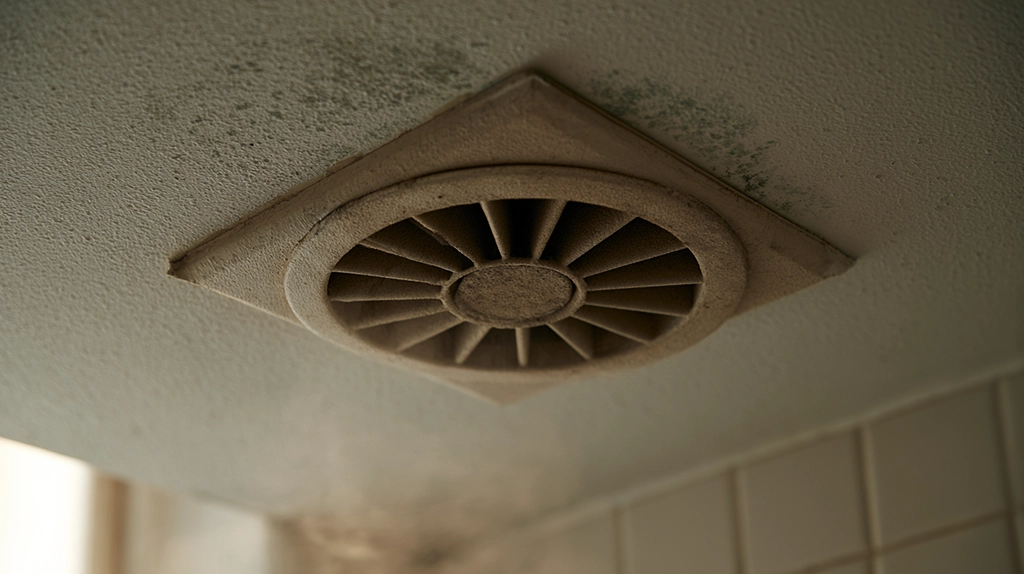
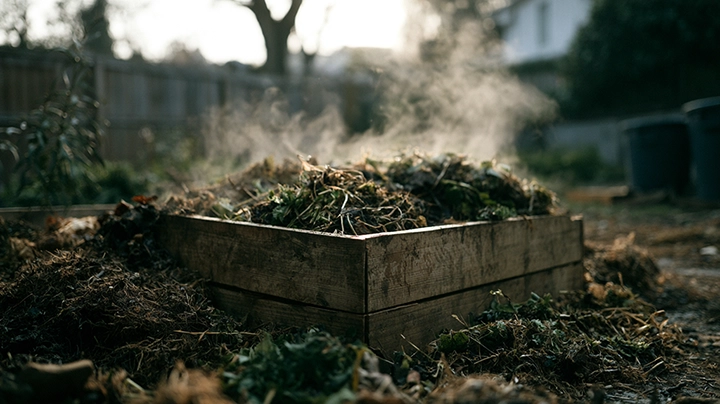
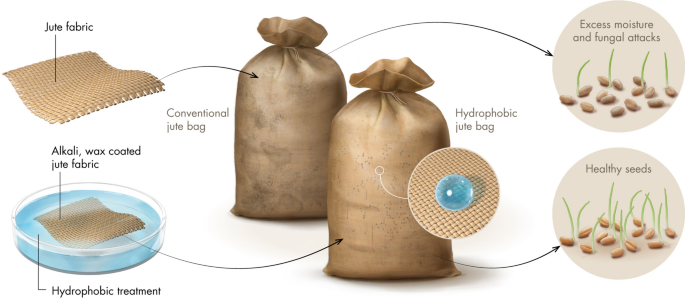
Fungi do not randomly produce toxins; they respond to environmental conditions that favor their growth and metabolism. Warm temperatures, high humidity, and inadequate drying or storage create ideal conditions for fungal activity. A cassava root left to dry in moist air or stored in a poorly ventilated space becomes more than just food—it becomes a microenvironment where fungi can thrive. These conditions are not unusual in tropical regions, which means the risk is not accidental but structurally linked to climate and infrastructure.

A Chain of Risk Across the Supply System
Contamination does not originate from a single failure point but develops across the entire cassava supply chain. From harvesting to drying, processing, and storage, each stage introduces opportunities for fungal growth. Small inefficiencies—slightly delayed drying, minor moisture retention, suboptimal storage—can accumulate into significant risk over time. This means that by the time cassava reaches consumers, its safety reflects a series of interconnected conditions rather than a single event. The system itself becomes the source of risk, not just individual mistakes.
Seeing the Invisible—But Not Everywhere
Scientific tools such as high-performance liquid chromatography and ELISA allow precise detection of mycotoxins, making it possible to quantify contamination levels with high accuracy. However, these technologies require laboratory infrastructure, trained personnel, and financial resources that are not always available in regions where cassava is most widely consumed. This creates a gap between knowledge and practice. While scientists can identify and measure the risk, routine monitoring across the entire supply chain remains limited, leaving many instances of contamination undetected in everyday food systems.


A Food Safety Challenge at Scale
Because cassava is a staple food, fungal contamination is not a niche issue but a widespread public health concern. Millions of people rely on cassava as a daily dietary component, which means even low-level contamination can translate into large-scale exposure. The combination of consistent fungal presence, toxin-producing species, and favorable environmental conditions creates a persistent and systemic challenge. Addressing this issue requires more than isolated interventions—it demands a comprehensive understanding of how the entire system operates.
❓ FAQ: Cassava and Fungal Contamination
What does this study examine?
It reviews research on fungal contamination and mycotoxins in cassava across Africa from 1999 to 2025.
How common is fungal contamination?
Very common, with reported rates ranging from 80% to 100%.
Which fungi are most commonly found?
The main genera are Aspergillus, Penicillium, and Fusarium.
What are the main risks?
The production of mycotoxins such as aflatoxins, ochratoxin A, and fumonisins.
Why does contamination occur?
It is influenced by environmental conditions and storage practices across the cassava supply chain.
References
Academic Sources
Bennett, J. W., & Klich, M. (2003). Mycotoxins. Clinical Microbiology Reviews. https://doi.org/10.1128/CMR.16.3.497-516.2003
Wild, C. P., & Gong, Y. Y. (2010). Mycotoxins and human disease: a largely ignored global health issue. Carcinogenesis. https://doi.org/10.1093/carcin/bgq104
Ezekiel, C. N., et al. (2012). Mycotoxin contamination in foods in Africa: current situation and future perspectives. Food Control. https://doi.org/10.1016/j.foodcont.2012.04.009
Official Sources
World Health Organization (WHO) – Mycotoxins: https://www.who.int
Food and Agriculture Organization (FAO) – Food safety and mycotoxins: https://www.fao.org
Key Takeaways
- How fungal contamination in cassava reveals an invisible but widespread food safety challenge
- Yet beneath this image of stability lies a quieter biological reality.
- Across multiple studies conducted between 1999 and 2025, fungal contamination rates in cassava products are reported to range from 80% to 100%.
- Instead of asking whether contamination occurs, the more important question becomes what role these fungi play within the system.
- They are widespread, well-studied, and frequently associated with agricultural environments.
Frequently Asked Questions
What should you know about academic Sources?
Bennett, J. W., & Klich, M. (2003). Mycotoxins. Clinical Microbiology Reviews. https://doi.org/10.1128/CMR.16.3.497-516.2003Wild, C. P., & Gong, Y. Y. (2010). Mycotoxins and human disease: a largely ignored global health issue. Carcinogenesis. https://doi.org/10.1093/carcin/bgq104Ezekiel, C.
What should you know about official Sources?
World Health Organization (WHO) – Mycotoxins: https://www.who.intFood and Agriculture Organization (FAO) – Food safety and mycotoxins: https://www.fao.org
What are the key findings about When Food Becomes a?
How fungal contamination in cassava reveals an invisible but widespread food safety challenge
How does When Food Becomes a affect public health or safety?
Cassava is more than a crop—it is a foundation of daily life for hundreds of millions of people, especially across tropical regions where few alternatives can match its resilience. It grows in poor soils, tolerates drought, and provides a reliable source of calories where food security is fragile. Y
What do researchers and experts say about When Food Becomes a?
Across multiple studies conducted between 1999 and 2025, fungal contamination rates in cassava products are reported to range from 80% to 100%. These figures are not anomalies or isolated incidents; they indicate that fungal presence is a baseline condition rather than an occasional problem. This fu