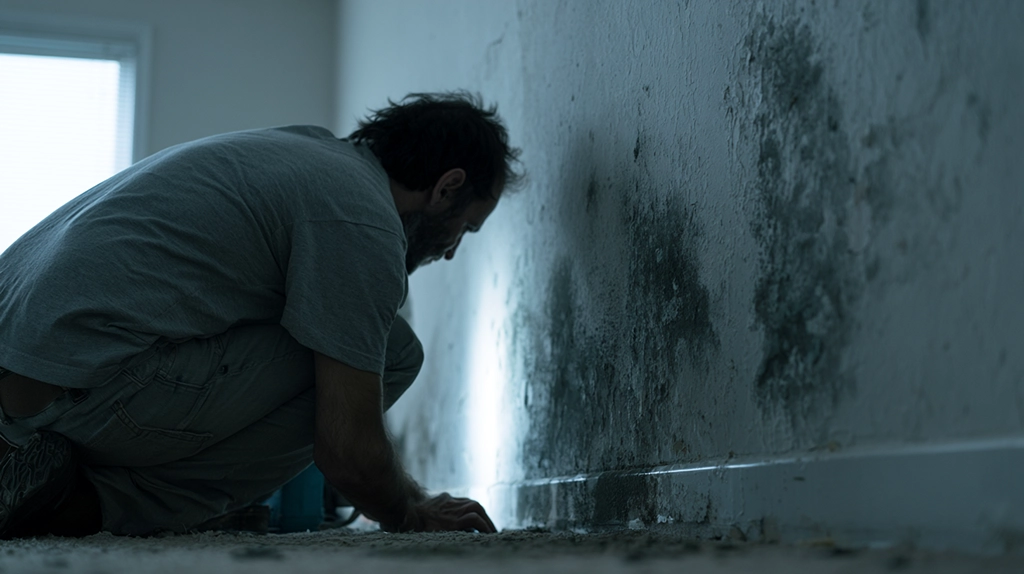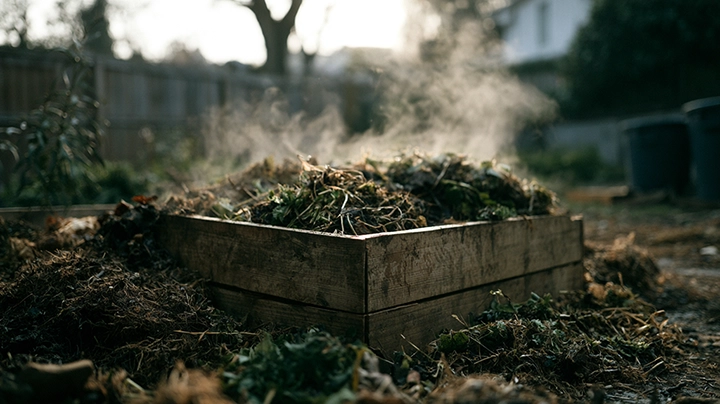

In the invisible microcosm that surrounds us, mold is far from being a lone villain. In fact, molds are vital decomposers, breaking down organic matter and recycling nutrients. Yet, even these resilient organisms live within an ecosystem full of rivals and predators. Bacteria, yeasts, other fungi—and even natural compounds like essential oils and metal ions—all play roles as “natural enemies” that suppress mold growth.
Bacteria: The Chemical Warriors Against Mold

In soil, decaying plants, and moist organic matter, bacteria and molds constantly compete for carbon, nutrients, and space. Numerous studies have shown that some bacterial species possess strong antifungal properties.
For example, Bacillus amyloliquefaciens strain P10-7 has been found to inhibit the growth of several fungal pathogens such as Botrytis cinerea—with a 92% reduction in mycelial growth and nearly 98% inhibition of spore germination.
More broadly, reviews on biocontrol agents (BCAs) have confirmed that Bacillus and Pseudomonas species produce a range of antifungal metabolites, including lipopeptides (iturin, fengycin), phenazines, and siderophores that sequester iron away from molds. These mechanisms allow bacteria to not only chemically attack molds but also starve them of key nutrients.
In ecological terms, bacteria act as mold’s “chemical competitors,” using both biochemical weapons and resource competition to limit fungal dominance. This natural model has inspired eco-friendly biocontrol strategies that replace synthetic fungicides in agriculture—and, conceptually, can inform how we approach mold prevention in built environments.
Fungi vs. Fungi: The Intricate Battle Within the Same Kingdom

Not all fungi are allies. Some fungi parasitize or chemically suppress others.
Species from the Trichoderma genus are the most well-studied examples of antifungal fungi. They produce cell wall–degrading enzymes such as β-1,3-glucanase and chitinase, as well as volatile organic compounds (VOCs) that inhibit the growth of competing molds.
In agricultural research, Trichoderma strains have been used to control pathogens like Fusarium and Rhizoctonia, showing that “mold-fighting molds” can be powerful allies in sustainable crop protection.
Seen through a broader ecological lens, Trichoderma represents a natural regulator—keeping fungal populations balanced in soil and decomposing matter. These fungi illustrate that even within the same kingdom, molds are engaged in constant biochemical warfare for territory and resources.
Yeasts: Silent Competitors and Ecological Balancers

Yeasts, best known for baking and brewing, also influence mold ecology in subtle but important ways. Certain yeast species—such as Wickerhamomyces anomalus—can inhibit molds in fruit and grain storage environments by competing for sugars and secreting organic acids or antifungal proteins known as “killer toxins.”
Experimental data show that yeasts can reduce both the growth and toxin production of molds like Aspergillus and Penicillium. By altering local pH and nutrient balance, yeasts make it harder for molds to dominate.
In human environments, this ecological insight translates into a simple but powerful principle: cleanliness and nutrient control. By removing organic residues, dust, and moisture—mold’s “food sources”—we mimic yeast-like ecological suppression, creating environments where molds have less to feed on.
Essential Oils, Metal Ions, and Natural Compounds: Non-Living Mold Inhibitors

Beyond living antagonists, nature provides numerous chemical defenses against mold.
Essential Oils.
A study combining thyme, oregano, cinnamon, lemongrass, and eucalyptus oils showed complete inhibition of Botrytis cinerea growth under laboratory conditions. The active compounds—such as thymol, cinnamaldehyde, and citral—can disrupt fungal cell membranes, inhibit ergosterol synthesis, and induce oxidative stress.
Metal Ions and Nanomaterials.
Silver (Ag⁺) and copper (Cu²⁺) ions have well-documented antifungal activity. Silver nanoparticles, for example, have shown inhibitory effects on molds such as Aspergillus, Fusarium, and Botrytis. Copper nanoparticles and oxides are also used in antimicrobial coatings and industrial mold-resistant materials.
These natural or naturally inspired substances form the foundation for many current antifungal technologies—though they are primarily applied in agricultural, industrial, or packaging contexts rather than typical household cleaning.
From Ecosystem Defense to Everyday Mold Prevention
All these examples—from bacterial competitors to essential oil vapors—illustrate a key ecological truth: molds thrive only when their surroundings allow it. Nature controls molds through balance, not eradication. Translating this insight into daily life offers several practical lessons:
- Reduce available nutrients. Keeping surfaces clean and minimizing organic buildup deprives molds of the substrates they need to grow.
- Control humidity and airflow. Proper ventilation maintains an environment less favorable to fungal proliferation while enhancing the activity of beneficial microbes.
- Use nature-inspired antifungal agents. Materials containing silver or copper ions, or plant-based essential oils, can serve as supplementary defenses in humid environments.
- Think ecologically, not chemically. In industrial or laboratory settings, controlled use of antagonistic microbes—such as Bacillus or Trichoderma—can form part of a sustainable mold-management system.
Ultimately, molds are not invincible. They are bound by ecological rules and constantly challenged by other organisms and natural chemicals. The key lesson from their natural enemies is not destruction but balance: to design environments—whether in homes, factories, or storage facilities—where conditions favor stability over decay. By learning from the quiet wars of the microbial world, we can better coexist with, and control, the molds that share our planet.
Key Takeaways
- In the invisible microcosm that surrounds us, mold is far from being a lone villain.
- Yet, even these resilient organisms live within an ecosystem full of rivals and predators.
- In soil, decaying plants, and moist organic matter, bacteria and molds constantly compete for carbon, nutrients, and space.
- Species from the Trichoderma genus are the most well-studied examples of antifungal fungi.
- Yeasts, best known for baking and brewing, also influence mold ecology in subtle but important ways.
Frequently Asked Questions
What should you know about essential Oils, Metal Ions, and Natural Compounds: Non-Living Mold Inhibitors?
Beyond living antagonists, nature provides numerous chemical defenses against mold.Essential Oils. A study combining thyme, oregano, cinnamon, lemongrass, and eucalyptus oils showed complete inhibition of Botrytis cinerea growth under laboratory conditions. The active compounds—such as thymol, cinna
What should you know about from Ecosystem Defense to Everyday Mold Prevention?
All these examples—from bacterial competitors to essential oil vapors—illustrate a key ecological truth: molds thrive only when their surroundings allow it. Nature controls molds through balance, not eradication. Translating this insight into daily life offers several practical lessons:
What are the key findings about What Is the Natural?
In the invisible microcosm that surrounds us, mold is far from being a lone villain. In fact, molds are vital decomposers, breaking down organic matter and recycling nutrients. Yet, even these resilient organisms live within an ecosystem full of rivals and predators. Bacteria, yeasts, other fungi—an
How does What Is the Natural affect public health or safety?
In soil, decaying plants, and moist organic matter, bacteria and molds constantly compete for carbon, nutrients, and space. Numerous studies have shown that some bacterial species possess strong antifungal properties. For example, Bacillus amyloliquefaciens strain P10-7 has been found to inhibit the
What do researchers and experts say about What Is the Natural?
Not all fungi are allies. Some fungi parasitize or chemically suppress others. Species from the Trichoderma genus are the most well-studied examples of antifungal fungi. They produce cell wall–degrading enzymes such as β-1,3-glucanase and chitinase, as well as volatile organic compounds (VOCs) that