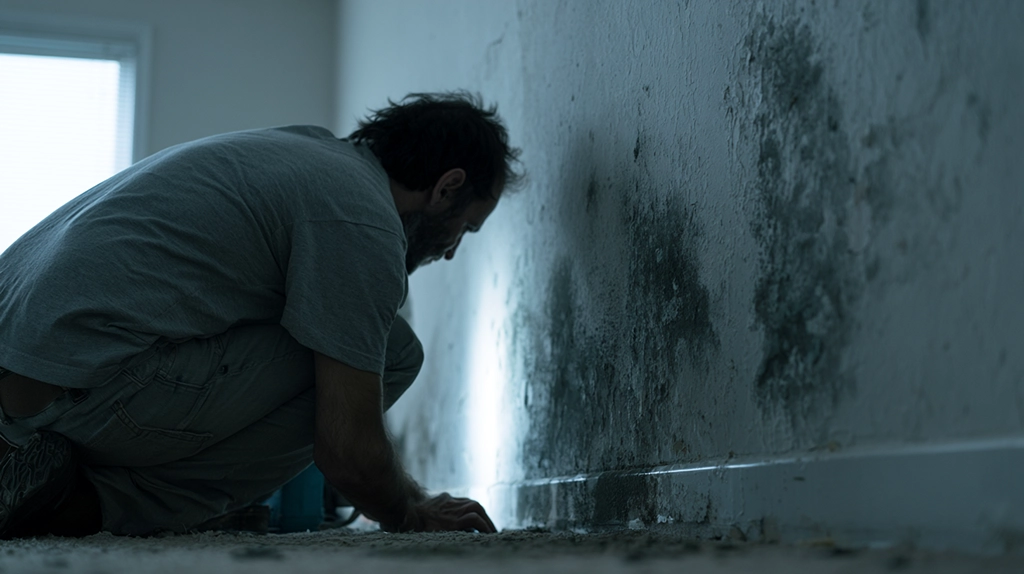


In damp areas of the home, mold behaves like an unwanted guest that keeps finding excuses to return. Whether it’s the grout lines in your bathroom, the concrete walls of a basement, or that corner of the kitchen where oil and steam gather, mold has a knack for reappearing just when you think you’ve taken care of it.
So the question many people ask—year after year—is simple: What can you spray on walls to prevent mold?
The answer is both encouraging and practical: several options do work, but choosing the right one—and using it correctly—matters more than most people realize.
The Most Effective Mold-Prevention Sprays
Bleach: A powerful weapon, but not for prevention
Bleach (sodium hypochlorite) is extremely effective at destroying mold spores, but it’s not meant to be used as a routine wall spray.
Over time, it can damage paint, corrode surfaces, and irritate your airways.
It’s appropriate only in one scenario:
“There is already mold on a hard, non-porous surface, and I need to remove it fast.”
White Vinegar: A safe, simple everyday option
Household white vinegar contains 4–6% acetic acid, which can inhibit certain mold species.
It’s gentle on walls, affordable, and widely used for light mold prevention.
Be prepared for a strong smell, slow evaporation, and a shorter protection window compared with commercial products.
3% Hydrogen Peroxide: The perfect finishing step after cleaning
Hydrogen peroxide (H₂O₂) is a clean, no-residue option that works well as a preventive spray once the wall has been cleaned.
Just remember: it can lightly bleach surfaces, so avoid using it on dark or easily stained paint.
Professional Anti-Mold Sprays: Long-lasting protection
For walls in bathrooms, kitchens, basements, or any moisture-prone area, professional mold-prevention sprays are usually the top recommendation.
They often contain:
- BZK (Benzalkonium chloride)
- IPBC (Iodopropynyl butylcarbamate)
- OIT (Octylisothiazolinone)
- Siloxane-based coatings
These compounds don’t simply “kill mold.” They create a protective chemical layer that makes the surface inhospitable to mold spores, often lasting weeks or even months.
What You Shouldn’t Use
❌ Baking soda spray — fresh scent, zero long-term mold prevention.
❌ Water or non-alcohol wet wipes — these only add moisture, basically giving mold what it needs to grow.
Wall Surfaces That Need Mold Prevention the Most

These areas are mold magnets:
- Bathroom tiles and grout lines
- Matte paint walls (more porous, more moisture-absorbing)
- Basement concrete walls
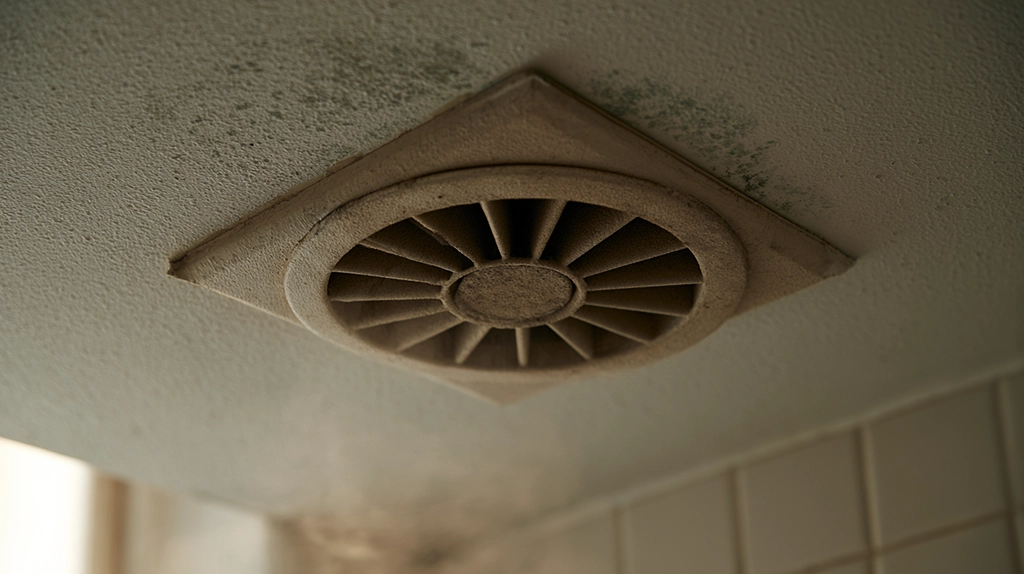
- Around air-conditioning vents (condensation-prone)
- Kitchen walls (mixed oil and moisture = perfect “food”)
If mold returns frequently, it’s very likely one of these spots is involved.
How to Use Mold-Prevention Sprays Correctly
- Clean first — Never spray directly on damp, dirty, or mold-covered surfaces; you’ll only dilute the product.
- Let the wall dry completely — Dryness alone dramatically reduces mold activity.
- Apply a thin, even layer — More is not better and may damage paint.
- Keep away from open windows — Strong airflow can blow off the protective layer.
- Reapply every 1–3 weeks — Bathrooms and basements may need more frequent treatment.
References
- Wikipedia: Sodium hypochlorite, Vinegar, Hydrogen peroxide, Siloxane, Mold prevention.
- PubChem Database: Benzalkonium chloride (CID 24569), Iodopropynyl butylcarbamate (CID 90479), 2-Octyl-3-isothiazolone (CID 13507).
- Centers for Disease Control and Prevention (CDC). (2024). Guidelines for household mold cleanup and prevention.
- U.S. Environmental Protection Agency (EPA). (2023). Mold Remediation in Schools and Commercial Buildings.
Key Takeaways
- In damp areas of the home, mold behaves like an unwanted guest that keeps finding excuses to return.
- Bleach (sodium hypochlorite) is extremely effective at destroying mold spores, but it’s not meant to be used as a routine wall spray.Over time, it can damage paint, corrode surfaces, and irritate your airways.
- Household white vinegar contains 4–6% acetic acid, which can inhibit certain mold species.It’s gentle on walls, affordable, and widely used for light mold prevention.
- For walls in bathrooms, kitchens, basements, or any moisture-prone area, professional mold-prevention sprays are usually the top recommendation.
- ❌ Baking soda spray — fresh scent, zero long-term mold prevention.❌ Water or non-alcohol wet wipes — these only add moisture, basically giving mold what it needs to grow.
Frequently Asked Questions
What should you know about the Most Effective Mold-Prevention Sprays?
Bleach (sodium hypochlorite) is extremely effective at destroying mold spores, but it’s not meant to be used as a routine wall spray.Over time, it can damage paint, corrode surfaces, and irritate your airways.
What should you know about bleach: A powerful weapon, but not for prevention?
Bleach (sodium hypochlorite) is extremely effective at destroying mold spores, but it’s not meant to be used as a routine wall spray.Over time, it can damage paint, corrode surfaces, and irritate your airways.
What should you know about white Vinegar: A safe, simple everyday option?
Household white vinegar contains 4–6% acetic acid, which can inhibit certain mold species.It’s gentle on walls, affordable, and widely used for light mold prevention.
What should you know about 3% Hydrogen Peroxide: The perfect finishing step after cleaning?
Hydrogen peroxide (H₂O₂) is a clean, no-residue option that works well as a preventive spray once the wall has been cleaned.Just remember: it can lightly bleach surfaces, so avoid using it on dark or easily stained paint.
What should you know about professional Anti-Mold Sprays: Long-lasting protection?
For walls in bathrooms, kitchens, basements, or any moisture-prone area, professional mold-prevention sprays are usually the top recommendation.