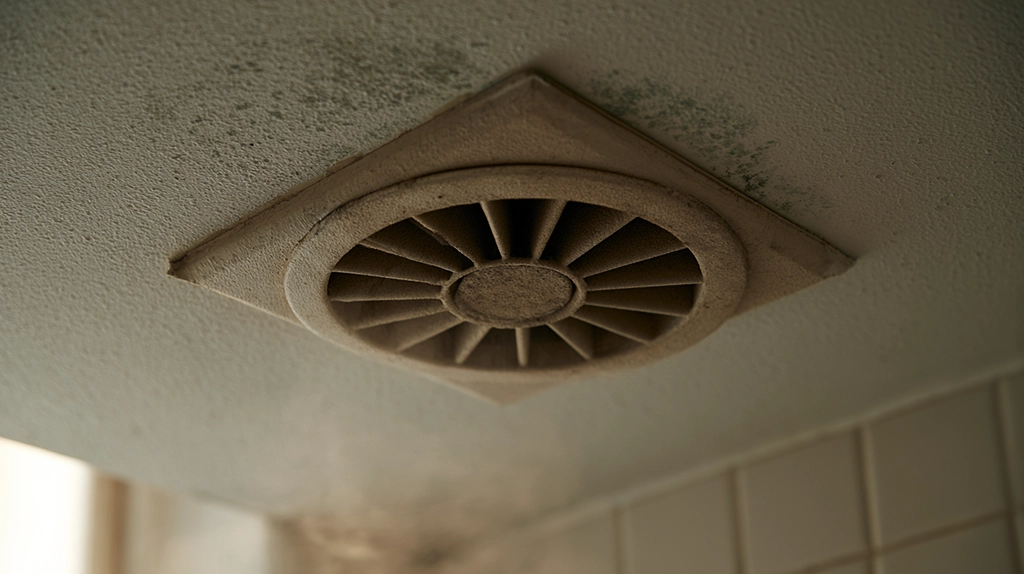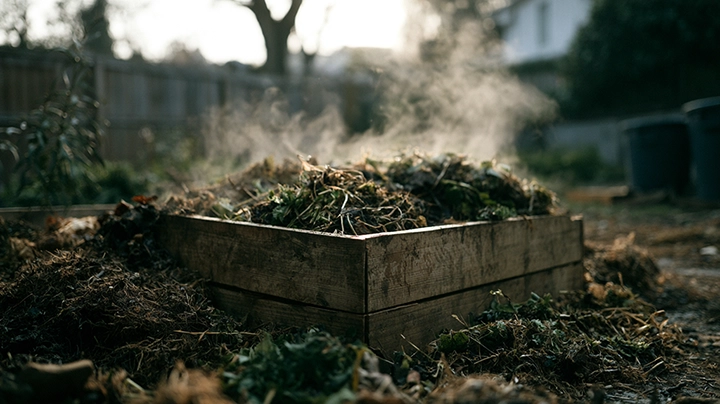


Imagine living in a damp apartment where you constantly feel tired, your throat itches, your skin breaks out, and your head aches for no clear reason. People often call it “mold poisoning.” But is that really what’s happening? Sometimes, what we interpret as poisoning is actually our body’s way of warning us: your environment has gone wrong.
Breaking the Myth: What “Mold Poisoning” Really Means
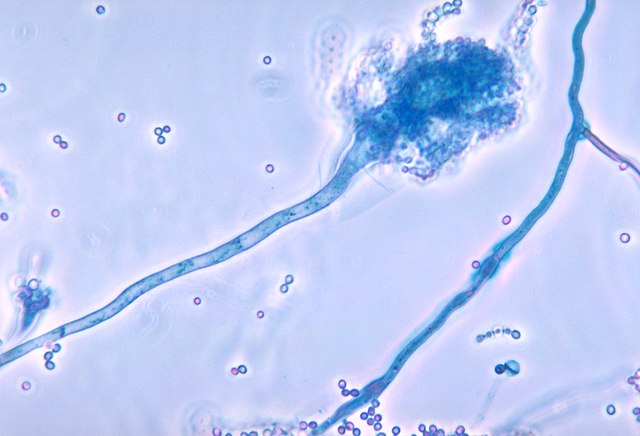
“Mold poisoning” isn’t an official medical diagnosis. The effects of mold exposure can come from three main biological routes:
- Allergic Reactions — Spores from Aspergillus, Cladosporium, and Penicillium can trigger sneezing, nasal congestion, itchy eyes, coughing, or skin rashes.
- Hypersensitivity Pneumonitis (HP) — A delayed immune response in people who inhale spores daily (e.g., farmers or HVAC workers), with chest tightness, breathlessness, and fatigue.
- Opportunistic Infections — For people with weakened immunity, molds such as Aspergillus fumigatus can invade the lungs or bloodstream, leading to fever, hemoptysis, and severe respiratory distress.
Mycotoxin Poisoning: Real, but Not the Way You Think

“Mycotoxicosis” refers to poisoning caused by toxic compounds produced by molds that contaminate food. These toxins are chemically stable and can survive processing, as noted by the World Health Organization (WHO) and the U.S. Food and Drug Administration (FDA).
One of the most documented events occurred in Kenya in 2004, where residents consumed home-stored maize contaminated with aflatoxin. Within weeks, 317 people were affected and 125 died, with symptoms beginning as nausea, vomiting, abdominal pain, and jaundice, progressing in some patients to acute liver failure and coma (CDC MMWR investigation).
Independent analyses later identified the causal agent in the contaminated maize and detailed the outbreak dynamics (Applied and Environmental Microbiology, Probst et al., 2007). During the same crisis, market maize in affected districts was found to have widespread high-level aflatoxin contamination, linking commercial supply to the outbreak as well (Environmental Health Perspectives survey).
What does this mean for everyday life? Similar risks can lurk in old grains, peanuts, dried chilies, spices, or homemade flours and nut butters, especially when stored in humid conditions—exactly the scenario described in the CDC field findings.
If you experience unexplained nausea, vomiting, yellowing of the eyes/skin, or right upper abdominal pain and recently ate stale, visibly damaged, or musty-smelling staples, consider possible mycotoxin exposure and seek care.
When the Body Knows Before You Do

Common patterns of mold-related illness include:
- Respiratory signs: nasal congestion, persistent cough, wheezing, sore throat.
- Skin reactions: redness, itching, or contact dermatitis.
- Systemic symptoms: fatigue, headaches, or trouble concentrating—often improving when you leave the environment.
If several family members develop similar symptoms at the same time, or if discomfort eases outdoors, it strongly suggests an indoor environmental problem.
Diagnosis and Response: Healing the Person and the Place

Medical care: Clinicians may use allergy testing, serum IgE, or chest imaging to evaluate respiratory effects; in suspected aflatoxicosis, supportive management and exposure history to stored staples are crucial (see risk framing in FDA guidance).
Environmental repair: Find and fix leaks, keep relative humidity below ~50%, ventilate, and discard visibly moldy or musty grains and nuts. Remember that, per WHO, mycotoxins persist even if the food looks clean after drying or cooking.
Conclusion: It’s Not Poisoning—It’s Imbalance
“Mold poisoning” isn’t a mysterious curse; it’s a warning that your food and environment may be out of balance. True prevention starts with dry storage, good airflow, and skepticism toward old or musty staples—so your walls and your pantry don’t quietly undermine your health.
References
- World Health Organization (WHO): Mycotoxins Fact Sheet
- U.S. FDA: Mycotoxins Guidance for Industry
- CDC MMWR: Outbreak of Aflatoxin Poisoning — Kenya, 2004
- Probst, C., et al. (2007). Outbreak of an acute aflatoxicosis in Kenya in 2004. Applied and Environmental Microbiology, 73(2), 438–443.
- Lewis, L., et al. (2005). Environmental Health Perspectives: Aflatoxin contamination of commercial maize in Kenya. EHP, 113(12), 1763–1767.
Key Takeaways
- Imagine living in a damp apartment where you constantly feel tired, your throat itches, your skin breaks out, and your head aches for no clear reason.
- Sometimes, what we interpret as poisoning is actually our body’s way of warning us: your environment has gone wrong.
- “Mycotoxicosis” refers to poisoning caused by toxic compounds produced by molds that contaminate food.
- Within weeks, 317 people were affected and 125 died, with symptoms beginning as nausea, vomiting, abdominal pain, and jaundice, progressing in some patients to acute liver failure and coma (CDC MMWR investigation).
- During the same crisis, market maize in affected districts was found to have widespread high-level aflatoxin contamination, linking commercial supply to the outbreak as well (Environmental Health Perspectives survey).
Frequently Asked Questions
What should you know about breaking the Myth: What “Mold Poisoning” Really Means?
“Mold poisoning” isn’t an official medical diagnosis. The effects of mold exposure can come from three main biological routes:
What should you know about mycotoxin Poisoning: Real, but Not the Way You Think?
“Mycotoxicosis” refers to poisoning caused by toxic compounds produced by molds that contaminate food. These toxins are chemically stable and can survive processing, as noted by the World Health Organization (WHO) and the U.S. Food and Drug Administration (FDA).
When the Body Knows Before You Do?
Common patterns of mold-related illness include:
What should you know about diagnosis and Response: Healing the Person and the Place?
Medical care: Clinicians may use allergy testing, serum IgE, or chest imaging to evaluate respiratory effects; in suspected aflatoxicosis, supportive management and exposure history to stored staples are crucial (see risk framing in FDA guidance).
What are the key findings about What Are the Signs?
Imagine living in a damp apartment where you constantly feel tired, your throat itches, your skin breaks out, and your head aches for no clear reason. People often call it “mold poisoning.” But is that really what’s happening? Sometimes, what we interpret as poisoning is actually our body’s way of w