
The Roots of Biodiversity: Hidden, Overlooked, and Indispensable
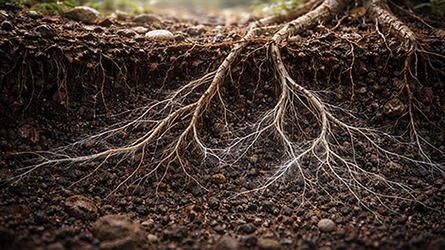
When people imagine biodiversity, it’s the visible world that comes to mind — lush Amazon canopies, orchid-laden jungles, birds and butterflies in riotous color. But the world’s most vital reservoirs of diversity are often invisible, locked in the soil beneath our feet. A recent study published in Nature Communications brings this message into stark relief: if we save only what we see, we risk losing what holds ecosystems together.
Using global mapping data, researchers compared the distribution of plant diversity to two of the most fundamental fungal groups — arbuscular mycorrhizal fungi and ectomycorrhizal fungi. The results are startling. Only a tiny fraction of fungal “hotspots” coincide with traditional plant biodiversity hotspots. For AM fungi, the overlap with plant-rich zones is less than 9%; for ECM fungi, it’s just 1.5%. The upshot? Protected forests and parks may do almost nothing for some of the planet’s most critical underground life.


Aboveground Riches, Belowground Gaps
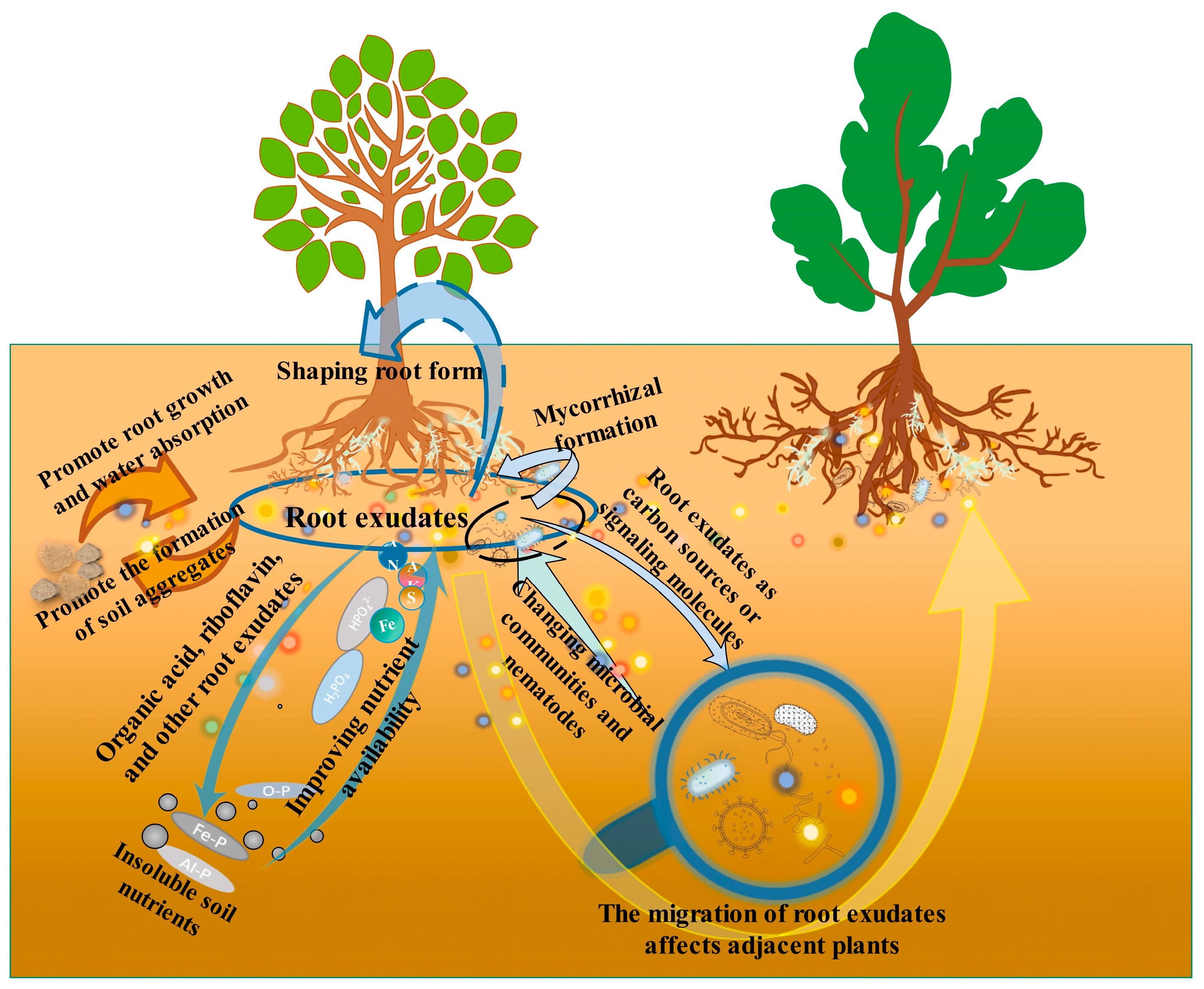
Why this disconnect? It turns out that the drivers of biodiversity above and below the soil are not the same. AM fungi, which help most crops and grasses access phosphorus, flourish in tropical and subtropical grasslands, as well as in open woodlands — often far from the rainforests that draw most conservation attention. ECM fungi, on the other hand, are at their richest in the boreal and temperate forests of the north, tightly linked with pine, birch, and oak. Meanwhile, classic “plant biodiversity” peaks in the tropics, where ECM partners are scarce.
This means that vast reserves of fungal genetic diversity — the literal engine rooms of nutrient cycling, carbon storage, and plant community resilience — are hiding in places few conservationists prioritize. The world’s protected areas may leave the mycorrhizal underworld completely out in the cold.


Why the Fungal Mismatch Matters for the Planet
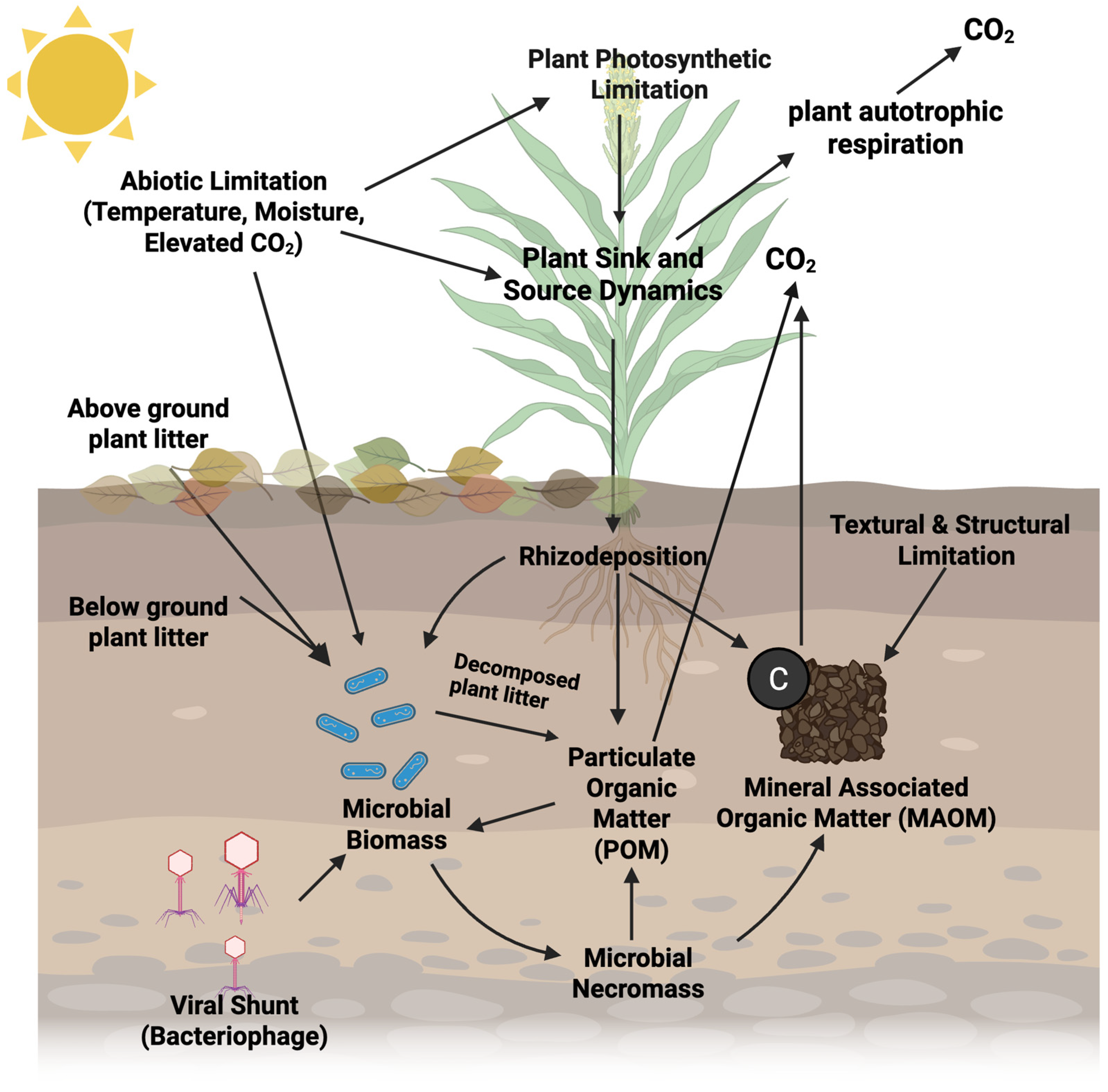
Fungi are not passive passengers in the ecosystem bus. Mycorrhizal fungi, in particular, are the infrastructure specialists of the living world. They shuttle nutrients between plant roots, buffer against drought, stabilize carbon in soils, drive succession after disturbance, and even shape plant competition. They are architects and engineers, often more decisive in ecosystem function than the visible life they support.
And yet, international conservation priorities — from the IUCN Red List to biodiversity treaties and nature reserve designs — almost universally neglect fungi. The data layer simply isn’t there. As the study’s authors warn, this is a dangerous oversight: “Beneath every step we take lies a mycorrhizal world holding ecosystems together. And we’re not protecting it.”

Toward a New Conservation Blueprint: Fungi Included
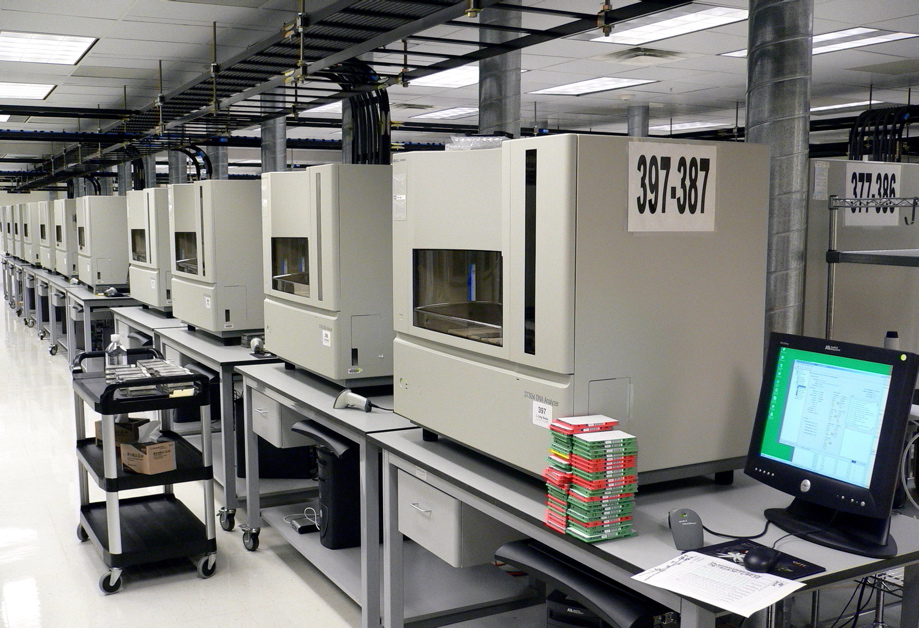
The path forward, according to the researchers, is to “layer in” fungal maps alongside those for plants and animals. Conservation planners should integrate fungal diversity into the process of selecting new protected areas, using the rapidly expanding data from DNA sequencing, soil surveys, and global mapping. Mycorrhizal fungi, especially, need to be recognized as biodiversity indicators and ecosystem service providers in their own right. Models that focus only on visible life miss the intricate, mutualistic partnerships that make ecosystems resilient.
As climate change accelerates, the urgency grows. Mycorrhizal ranges are shifting — sometimes independently of plant partners — as temperature, precipitation, and soil chemistry change. If conservation efforts ignore these trends, the foundational symbioses that undergird forests, grasslands, and crops could be at risk.
For readers tracking fungal ecology, biotechnology, or indoor air quality, this story is a powerful reminder: the fungal kingdom’s value is not just in visible outbreaks or crop threats. The vast majority of fungi are symbionts, not pathogens. They stabilize, heal, and support the planet in ways we’re only beginning to grasp. Protecting biodiversity now means thinking in three dimensions — aboveground and below.


Conservation Needs a Fungal Layer
This research upends the conventional wisdom that “saving the trees saves the forest.” It challenges conservationists to expand their view — to include the hidden, irreplaceable diversity beneath every step. Without fungal maps, even the best-protected forests may lose their roots, quite literally.
The future of planetary health depends on closing this “conservation blindspot.” It’s time to make the invisible visible, and let fungi lead the way into a new era of biodiversity protection.
References
Academic Sources
- Treseder, K. K., et al. (2025). Global mismatch between plant and mycorrhizal fungal diversity hotspots. Nature Communications.
- Smith, S. E., & Read, D. (2008). Mycorrhizal Symbiosis. Academic Press. DOI: 10.1016/B978-012370526-6.X5001-6
Official & Institutional Sources
- IUCN Red List – https://www.iucnredlist.org
- United Nations Environment Programme biodiversity overview – https://www.unep.org
- DNA sequencing overview – https://www.genome.gov
Key Takeaways
- When people imagine biodiversity, it’s the visible world that comes to mind — lush Amazon canopies, orchid-laden jungles, birds and butterflies in riotous color.
- Only a tiny fraction of fungal “hotspots” coincide with traditional plant biodiversity hotspots.
- Protected forests and parks may do almost nothing for some of the planet’s most critical underground life.
- ECM fungi, on the other hand, are at their richest in the boreal and temperate forests of the north, tightly linked with pine, birch, and oak.
- Mycorrhizal fungi, in particular, are the infrastructure specialists of the living world.
Frequently Asked Questions
What should you know about the Roots of Biodiversity: Hidden, Overlooked, and Indispensable?
When people imagine biodiversity, it’s the visible world that comes to mind — lush Amazon canopies, orchid-laden jungles, birds and butterflies in riotous color. But the world’s most vital reservoirs of diversity are often invisible, locked in the soil beneath our feet. A recent study published in N
What should you know about aboveground Riches, Belowground Gaps?
Why this disconnect? It turns out that the drivers of biodiversity above and below the soil are not the same. AM fungi, which help most crops and grasses access phosphorus, flourish in tropical and subtropical grasslands, as well as in open woodlands — often far from the rainforests that draw most c
Why the Fungal Mismatch Matters for the Planet?
Fungi are not passive passengers in the ecosystem bus. Mycorrhizal fungi, in particular, are the infrastructure specialists of the living world. They shuttle nutrients between plant roots, buffer against drought, stabilize carbon in soils, drive succession after disturbance, and even shape plant com
What should you know about conservation Needs a Fungal Layer?
This research upends the conventional wisdom that “saving the trees saves the forest.” It challenges conservationists to expand their view — to include the hidden, irreplaceable diversity beneath every step. Without fungal maps, even the best-protected forests may lose their roots, quite literally.T
What are the key findings about Unseen Riches?
When people imagine biodiversity, it’s the visible world that comes to mind — lush Amazon canopies, orchid-laden jungles, birds and butterflies in riotous color. But the world’s most vital reservoirs of diversity are often invisible, locked in the soil beneath our feet. A recent study published in N