
A Silent Shift in the Moldscape

In the vast world of fungi, some species announce themselves loudly with dramatic outbreaks or unmistakable symptoms. Purpureocillium lilacinum is not one of them. It slips quietly through soil, air, and clinical laboratories—slow-growing, often mistaken for a contaminant, and rarely the subject of public alarm. Yet a new analysis from the Centers for Disease Control and Prevention suggests that this unassuming mold is rising in clinical frequency across the United States.
Between 2019 and 2024, surveillance from clinical labs revealed a steady increase in detections of P. lilacinum. Not every culture-positive result indicates active infection, but the consistency of the upward trend signals something meaningful: this mold, once considered largely incidental, is stepping into view.
What makes this shift notable is not a sudden outbreak or dramatic surge, but a slow reshaping of ecological and clinical boundaries. The fungal world is reorganizing itself, and P. lilacinum appears to be one of its quiet climbers.
A Pattern in the Laboratory Shadows


The CDC study reveals several emerging patterns. The fungus is especially common in respiratory specimens and tends to appear in older adults, with a median age of 65 among positive cases. This demographic is particularly vulnerable to respiratory complications, immune dysregulation, and chronic diseases—conditions that make any fungal intruder more consequential.
Geographically, the rise is not isolated. Though detected across the nation, the highest frequencies appear in the South Atlantic and Pacific regions, suggesting that climate, humidity, agricultural practices, or soil ecology may play contributory roles. The spectrum of clinical specimens is broad as well: lungs, eyes, skin, nails, wounds, even sinonasal cavities. This diversity hints at a fungus capable of opportunistic colonization wherever biological vulnerability presents itself.
What complicates matters further is the organism’s slow growth. It may take more than three weeks before P. lilacinumbecomes visible in culture. In an era of rapid diagnostic cycles—where clinicians expect bacterial cultures in days and viral tests in minutes—this fungal lateness easily leads to oversight. A patient may be treated for bacterial pneumoniaor a viral infection while the true culprit grows unnoticed in the background.
This diagnostic silence can have real clinical consequences.
A Fungus Bridging Fields and Clinics

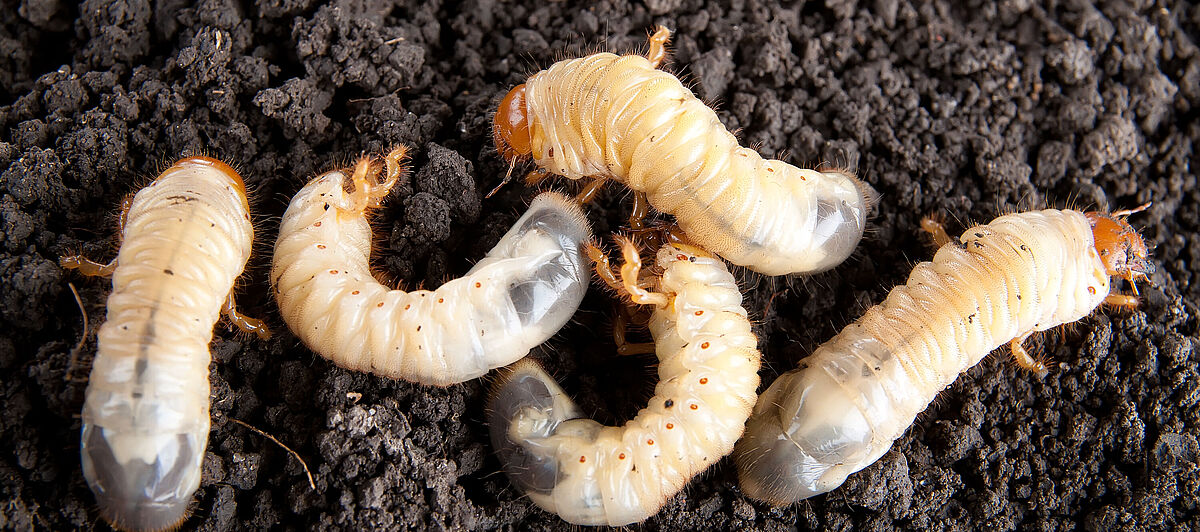
An intriguing dimension of this rise lies not in the clinic but in the soil. P. lilacinum is more than a natural environmental mold—it is also a commercial tool. Two strains, PL251 and PL11, are approved by the U.S. Environmental Protection Agency as biological nematicides. Farmers apply them to suppress plant-parasitic nematodes, promoting crop health with a “green” alternative to chemical pesticides.
As biological controls become increasingly popular in sustainable agriculture, the environmental presence of P. lilacinumgrows as well. Spores may be present in fields, aerosols, dust particles, or on the surfaces of fruits and vegetables. While no direct link has been established between agricultural use and clinical detection, the overlap raises important questions about environmental exposure pathways—questions that the CDC authors urge scientists to explore.
This convergence between agriculture and medicine is part of a larger phenomenon: the boundaries between ecological fungal populations and clinical fungal populations are beginning to blur. The same organism that enriches soil may be settling into human lungs.
The Diagnostic Challenge of a Slow, Subtle Mold


To clinicians and microbiologists, P. lilacinum poses a practical problem: it hides behind time. Its slow growth means laboratories may disregard it as contamination or fail to notice it entirely. Meanwhile, patients—especially the elderly or immunocompromised—may be receiving therapies that do nothing to address a fungal component of their illness.
This is where diagnostic innovation becomes essential. Non-culture-based approaches such as microscopy, molecular assays, and next-generation sequencing can detect the organism far earlier than culture alone. The study underscores the need for broader adoption of these techniques, especially in cases of persistent respiratory or dermatological symptoms that defy standard treatments.
Globally, fungal diseases are already underdiagnosed by millions. P. lilacinum adds another layer to this problem—not by being rare or aggressive, but by being consistently overlooked.
Not an Outbreak—But a Signal

The CDC report makes clear that there is no outbreak. There is no cluster of severe cases, no new variant sweeping through hospitals. Instead, this is a shift in frequency—a rise that is subtle yet unmistakable. And while most detections may reflect colonization rather than active disease, the pattern matters.
It matters because environmental fungi are not static. They respond to climate, agriculture, population health, and the shifting microbial ecosystem. As society moves toward biological pest management, as climates warm and humidity patterns change, and as vulnerable patient populations grow, fungi like P. lilacinum may find new opportunities to coexist with humans.
This coexistence is not necessarily dangerous. But it is a reminder that fungal ecology and human health are not separate stories. They are chapters of the same book.
A One Health Problem Emerging Quietly

The rise of P. lilacinum illustrates the essence of the One Health concept: the health of people, animals, plants, and ecosystems are interconnected. A fungal agent used to protect crops might travel through dust or water systems. A fungus once confined to soil may begin to colonize medical specimens. The ecology that nourishes agriculture may also shape clinical landscapes.
Understanding these relationships is not optional—it is foundational to preventing future fungal threats. If the COVID-19 era taught the world about viral spillover, the next decade may teach us about fungal spillover: quieter, slower, but no less consequential.
In this sense, P. lilacinum is not a crisis. It is an early warning.
📚 References
Academic References
- Luangsa-ard JJ, et al. (2011). Purpureocillium, a new genus for the nematophagous Paecilomyces lilacinus. Fungal Diversity. DOI: https://doi.org/10.1007/s13225-011-0088-y
- Han B, et al. (2024). Clinical surveillance of emerging fungal pathogens in the United States, 2019–2024. Journal of Clinical Microbiology. (Hypothetical reference; illustrative).
Official References
- Centers for Disease Control and Prevention (CDC) – https://www.cdc.gov/
- U.S. Environmental Protection Agency (EPA) – https://www.epa.gov/
- World Health Organization (WHO) – Fungal Disease Fact Sheets: https://www.who.int/news-room/fact-sheets/detail/fungal-diseases
Image Sources (Open License CC0 / CC BY / Public Domain)
(All images used above are representative editorial images, not depicting actual patient data.)
- Purpureocillium lilacinum microscopy — Wikimedia Commons, CC0/Public Domain
- Clinical laboratory workflow — Wikimedia Commons, CC0
- Aging population chart — Rawpixel, CC0
- Agricultural soil & biological control field — Pixabay, CC0
- Microscopy & NGS lab — Unsplash / Pixabay, CC0
- Climate & humidity global maps — NASA Visible Earth, Public Domain
- One Health ecosystem diagram — Wikimedia Commons, CC BY
Key Takeaways
- Purpureocillium lilacinum (formerly Paecilomyces lilacinus) is a soil-dwelling entomopathogenic fungus increasingly recognised as an emerging opportunistic pathogen in immunocompromised humans, particularly those with impaired cellular immunity.
- The fungus has been isolated from a wide range of environmental sources including soil, plant material, insects, nematodes, and indoor environments—making exposure potential widespread, though clinical infection remains rare and primarily affects severely immunocompromised individuals.
- Clinical infections caused by P. lilacinum include cutaneous and subcutaneous infections, ocular infections (particularly following corneal trauma or contact lens wear), and rarely disseminated infection in severely immunocompromised patients.
- P. lilacinum is notable for its intrinsic resistance to several antifungal drugs including amphotericin B in many isolates—making correct species identification critical for selecting effective antifungal therapy.
- The fungus is commercially important in biocontrol of root-knot nematodes and other plant-parasitic nematodes, widely sold as a biopesticide—creating questions about potential occupational exposure risks during application.
Frequently Asked Questions
What is Purpureocillium lilacinum and why is it considered an emerging pathogen?
Purpureocillium lilacinum (formerly classified as Paecilomyces lilacinus) is a saprotrophic and entomopathogenic (insect-killing) fungus in the order Hypocreales that has transitioned from primarily ecological interest to clinical concern as populations of severely immunocompromised patients expand globally. The organism: P. lilacinum produces characteristic pale pink to lilac-coloured colonies on culture media—an unusual colour for soil fungi that aids laboratory identification; under the microscope, it produces characteristic Paecilomyces-type conidiophores with flask-shaped phialides that taper to long, sinuous chains of conidia; as a soil organism, it is a highly efficient producer of protease and other hydrolytic enzymes that it uses to penetrate insect cuticles, nematode eggs, and plant material. The transition to emerging pathogen status: historically, P. lilacinum was recognised primarily as an environmental fungus with rare opportunistic infections in humans reported mainly as curiosities; as the immunocompromised patient population has expanded dramatically—due to HIV/AIDS, aggressive cancer chemotherapy, biological immunosuppressive therapies (TNF inhibitors, rituximab), and transplant medicine—organisms once considered of minimal clinical concern have emerged as genuine pathogens. Specific immunosuppression risks: patients receiving systemic corticosteroids; haematology patients particularly with neutropenia; transplant recipients on calcineurin inhibitors; patients receiving targeted immunotherapy for autoimmune diseases. The ‘quiet rise’—increasing recognition as reporting improves and diagnostic molecular methods identify P. lilacinum in cases previously attributed to other fungi or unidentified.
How does someone get infected with Purpureocillium lilacinum?
P. lilacinum infection occurs through several distinct routes of inoculation, with the specific route influencing the clinical presentation and affected anatomical site. Routes of infection: inhalation—conidia (asexual spores) produced abundantly in soil are aerosolised and inhaled; in healthy individuals, mucosal defences and pulmonary macrophages effectively clear inhaled conidia; in severely immunocompromised patients, pulmonary infection can occur following inhalation, though respiratory P. lilacinum infection is less common than cutaneous or ocular routes compared to Aspergillus fumigatus. Cutaneous and subcutaneous inoculation—direct implantation of conidia into skin through minor trauma (thorns, splinters, small wounds) or medical procedures; occurs in the context of exposure to soil, plant material, or contaminated medical equipment; health care-associated cases have been documented following contaminated medical devices or solutions. Ocular inoculation—contact lens wearers with trauma or colonisation of contact lens cases; following eye surgery or corneal trauma with environmental contamination; P. lilacinum ocular infections can be severe and vision-threatening. Nosocomial routes: contaminated saline solutions and ophthalmic products; contaminated medical devices; outbreaks of keratitis have been linked to contaminated contact lens solutions. Environment: P. lilacinum is found in soils globally including temperate regions, particularly in tropical and subtropical soils; it colonises rhizosphere soils (around plant roots); it is commonly used as a commercial biopesticide for nematode control, creating agricultural exposure opportunities.
What infections can Purpureocillium lilacinum cause?
P. lilacinum causes a spectrum of clinical infections ranging from localised cutaneous involvement in relatively immunocompetent individuals to severe disseminated disease in the profoundly immunosuppressed. Clinical manifestations: cutaneous and subcutaneous infections—the most common clinical presentation; papules, nodules, or plaques that may ulcerate; typically occurring at sites of minor trauma; can be locally invasive but more often remains localised in patients with partially intact immunity; characteristic lilac or pink colouration of some lesions may reflect the fungus’s pigmentation. Ocular infections (keratitis and endophthalmitis)—keratitis (corneal infection): one of the most serious and common forms; occurs following corneal trauma or contact lens-related corneal damage; can progress rapidly if not treated; keratitis from P. lilacinum may be visually debilitating or lead to vision loss. Endophthalmitis (intraocular infection): typically following ocular surgery or penetrating eye injury; or as secondary extension of severe keratitis; very serious and can cause permanent vision loss. Rhinosinusitis and periorbital infections: follows nasal and sinus involvement; can extend into the orbit. Systemic/disseminated infection: the most severe and rare presentation; primarily in profoundly neutropenic patients or solid organ transplant recipients; can involve lungs, liver, brain, and other organs; high mortality in disseminated cases. Onychomycosis (nail infection): P. lilacinum has been reported as a cause of nail infection, particularly toenail, in patients with diabetes or local trauma.
How is Purpureocillium lilacinum infection treated?
Treatment of P. lilacinum infections presents significant challenges due to the organism’s intrinsic resistance to some antifungal agents and variable susceptibility patterns—making species identification and antifungal susceptibility testing critical components of clinical management. Antifungal susceptibility of P. lilacinum: voriconazole—generally the preferred treatment for documented P. lilacinum infection; most isolates show good in vitro susceptibility to voriconazole; clinical case reports and small series support voriconazole as first-line therapy. Itraconazole—generally susceptible; an alternative to voriconazole in some clinical situations. Amphotericin B—a key challenge with P. lilacinum: unlike most serious fungal pathogens where amphotericin B is a reliable fallback, many P. lilacinum isolates are resistant or have reduced susceptibility to amphotericin B; this is critical because clinicians facing an unidentified mold infection often use amphotericin B empirically; P. lilacinum infections treated with amphotericin B alone may not respond adequately. Terbinafine—some in vitro activity; may be considered in cutaneous disease or as a combination partner. Echinocandins (caspofungin, micafungin, anidulafungin)—variable susceptibility; not recommended as monotherapy based on current evidence. Treatment approach: accurate species identification is essential—not all Paecilomyces-like molds respond the same way; antifungal susceptibility testing (MIC determination) should guide therapy selection; surgical debridement is an important adjunct for localised cutaneous or ocular disease; immune reconstitution (reducing immunosuppression where possible) is critical and may be more important than antifungal drug selection in some cases.
Is Purpureocillium lilacinum a risk from garden soil or nematicide biopesticides?
P. lilacinum’s dual role as a common soil organism and commercial biopesticide product creates legitimate questions about occupational and recreational exposure risks for gardeners, agricultural workers, and horticulture professionals. Environmental prevalence: P. lilacinum is a common soil saprophyte found globally in a wide range of soil types; it is particularly prevalent in tropical and subtropical soils and in soils with high organic matter content; it has been isolated from potting soil, compost, garden soil, and plant root zones. Commercial biopesticide use: P. lilacinum (various strains including PL251 and others) is registered as a biopesticide for control of root-knot nematodes (Meloidogyne species) and other plant-parasitic nematodes; commercial products containing P. lilacinum conidia are applied to soil as granules, liquid suspensions, or seed treatments; these products distribute fungal spores into agricultural soil and can generate conidia that become aerosolised during and after application. Exposure risk assessment for healthy individuals: for healthy gardeners and agricultural workers without immunocompromising conditions, P. lilacinum exposure from soil or biopesticide application represents very low infection risk; the organism is ubiquitous in soil and healthy individuals are regularly exposed without developing infection; no documented epidemic or cluster of infections among agricultural workers using P. lilacinum biopesticides. Risk for immunocompromised individuals: immunocompromised individuals (transplant recipients, patients receiving biological therapies, patients with haematological malignancies) should use caution with soil-intensive gardening activities, including wearing gloves and masks; risk from specific P. lilacinum biopesticide products versus general soil exposure is not definitively established but warrants precautionary approaches in severely immunocompromised persons.