Every day, people breathe in tiny fungal spores without realizing it. They drift through outdoor air, garden soil, compost piles, fallen leaves, mulch, and sometimes damp indoor spaces.
One important airborne fungus is Aspergillus fumigatus.
How our immune system tackles fungal foes. Malaghan Institute. https://www.malaghan.org.nz/news-and-resources/news/how-our-immune-system-tackles-fungal-foes
That contrast is why A. fumigatus matters. It is common, usually harmless, yet capable of causing serious disease when the person exposed is vulnerable.
Nature’s Cleanup Crew
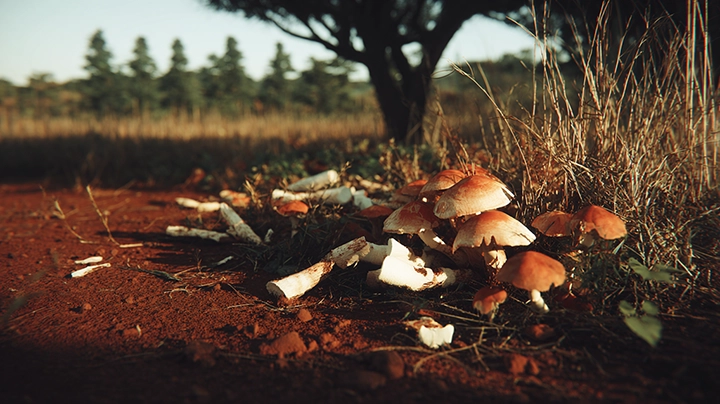
Before it becomes a health concern, Aspergillus fumigatus is an ecological recycler. It helps break down dead organic material such as fallen leaves, plant debris, mulch, stored grain, and compost.
The role of fungi in decomposition of forest litter. Britannica. https://www.britannica.com/video/role-fungi-decomposition-forest-litter/-164645
The same fungus that worries doctors in hospitals is also helping turn piles of leaves into future soil.

Why Compost Is One of Its Favorite Homes
Aspergillus fumigatus is especially comfortable in warm, decaying plant material. Compost piles can heat up as microbes break down organic matter, and this mold can tolerate temperatures that slow many other fungi.
That is why compost, leaf litter, mulch, rotting vegetation, and stored plant material can become common habitats.
For most people, gardening and compost handling are low-risk. But these activities can temporarily increase exposure to airborne spores. People with serious immune problems or lung disease may need extra caution when turning compost, cleaning heavy mold growth, or entering dusty renovation areas.
The goal is not fear. The goal is knowing when exposure matters.
Tiny Spores, Deep Reach
One reason A. fumigatus receives medical attention is the size of its spores.
The fungus produces microscopic airborne spores called conidia. These spores are small enough to travel through the air and reach deep into the lungs when inhaled.
Most healthy lungs can remove them. But when the body’s defenses are weakened, spores may be harder to clear. In some people, the immune system may overreact. In others, the fungus may grow in damaged or vulnerable lung tissue.
This is why the same mold can be harmless for one person and dangerous for another.

When Exposure Becomes Aspergillosis
The best-known health concern linked with A. fumigatus is aspergillosis. Aspergillosis is not one single disease. It is a group of conditions related to Aspergillus exposure, allergic reaction, or fungal growth.
Allergic bronchopulmonary aspergillosis can occur in people with asthma or cystic fibrosis. Chronic pulmonary aspergillosis may develop in people with damaged lungs. An aspergilloma, sometimes called a fungus ball, can form inside existing lung cavities.
The most severe form is invasive aspergillosis. It usually affects people with significantly weakened immune systems, such as some cancer patients, transplant recipients, or people taking immune-suppressing medicines.
These conditions are serious, but they are not typical for healthy people. Most people exposed to A. fumigatus never develop aspergillosis.
Why Resistance Matters
Scientists also study Aspergillus fumigatus because some strains have become resistant to important antifungal drugs. Azole antifungals are commonly used to treat aspergillosis. When strains become resistant, infections can be harder to manage.
Resistance may develop during medical treatment, but environmental exposure to agricultural azole fungicides may also contribute. This connects farming, environmental fungi, and hospital treatment in one shared story.
Indoor Mold and Moisture
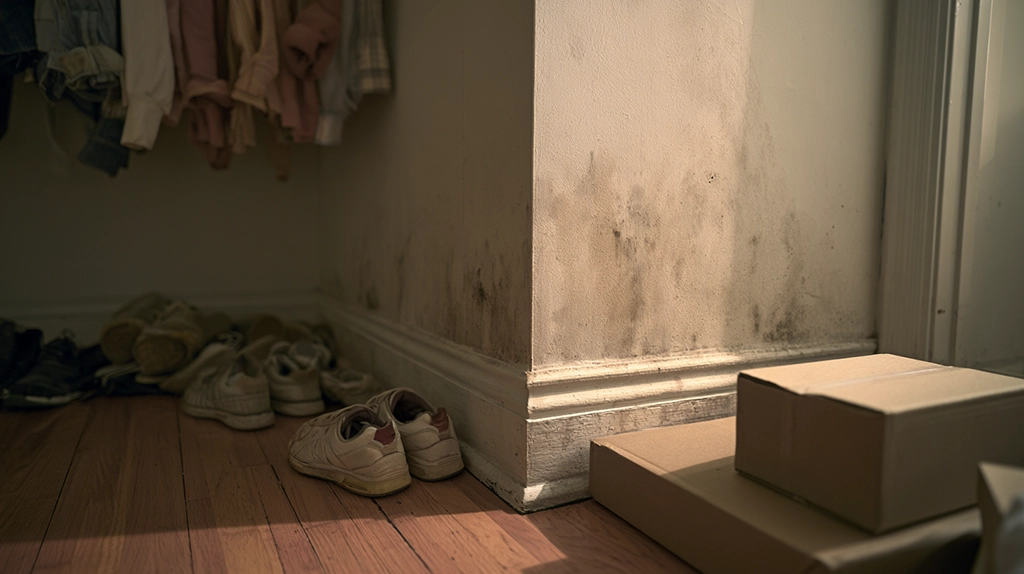
Although A. fumigatus is strongly linked with outdoor environments, it can also appear indoors where moisture, dust, and organic material are present.
Visual identification alone is unreliable. Seeing mold indoors does not mean it is automatically A. fumigatus. For buildings, the main issue is moisture. Leaks, condensation, water intrusion, dust buildup, and poor ventilation can support microbial growth.
Any visible mold or persistent dampness should be addressed, regardless of species.
FAQ — Aspergillus fumigatus and Human Exposure
Is Aspergillus fumigatus dangerous to healthy people?
For most healthy people, routine exposure is low-risk. The immune system usually clears inhaled spores.
Who is most at risk?
People with weakened immune systems, organ transplants, some cancers, asthma, cystic fibrosis, chronic lung disease, or immune-suppressing treatment may face higher risk.
Where is it commonly found?
It is found in compost piles, soil, mulch, leaf litter, stored grain, rotting vegetation, outdoor air, and sometimes damp indoor spaces.
Why is compost important?
Warm compost can support A. fumigatus growth, and turning compost can release spores into the air.
Why is antifungal resistance a concern?
Some strains resist azole antifungal drugs, making serious infections harder to treat.
References
How our immune system tackles fungal foes. Malaghan Institute. https://www.malaghan.org.nz/news-and-resources/news/how-our-immune-system-tackles-fungal-foes
The role of fungi in decomposition of forest litter. Britannica. https://www.britannica.com/video/role-fungi-decomposition-forest-litter/-164645