Fungi Are Normal—Indoor Problems Are Conditional
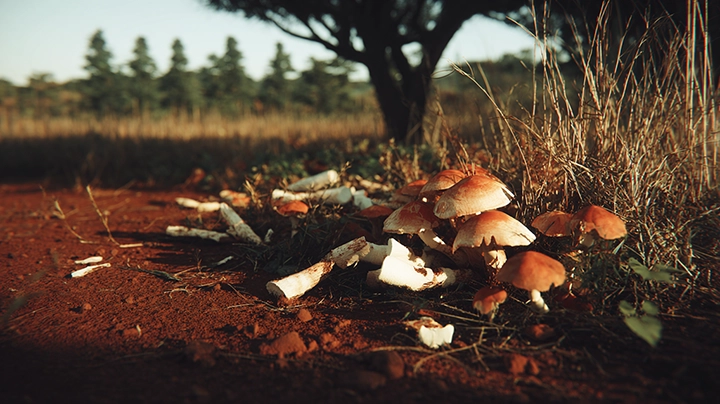
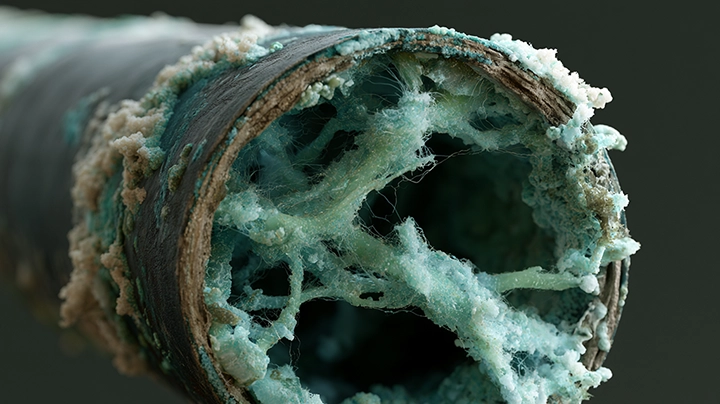
Fungi are a natural part of the environment, playing essential roles in decomposition, nutrient cycling, and ecosystem balance. Indoors, however, their behavior changes depending on environmental conditions.
Mold growth in homes is not caused by the sudden appearance of fungi, but by the presence of conditions that allow them to grow. These conditions are shaped by moisture, materials, airflow, and time. Mold is not a random event — it is a predictable outcome of controllable environmental factors.
Moisture Is the Primary Driver of Mold Growth
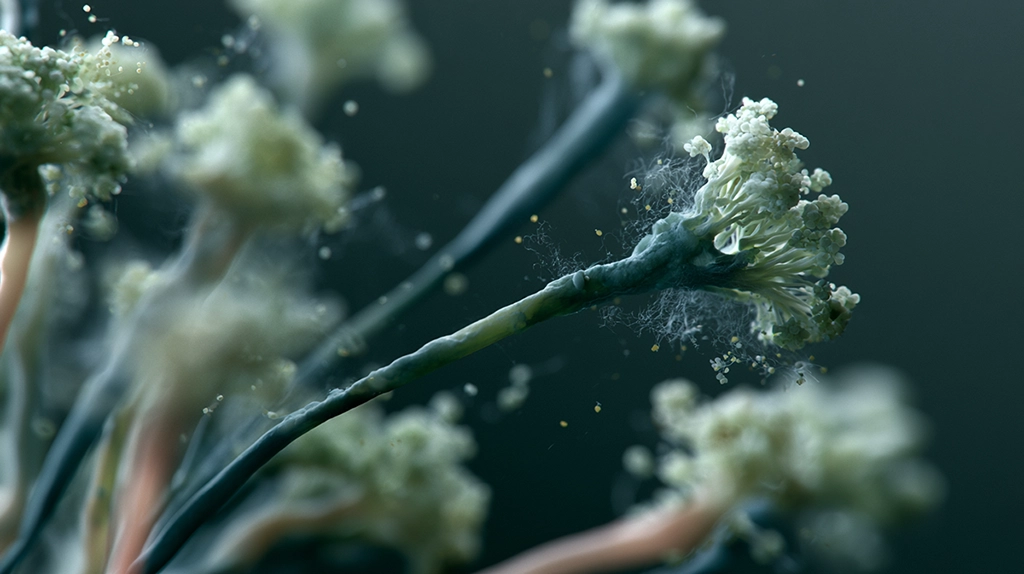
Fungal spores are constantly present in indoor air, but spores alone do not create visible mold. Growth begins when surfaces remain damp long enough to support fungal development.
Common indoor moisture sources include leaks, condensation, humidity buildup, and wet materials. Even small, repeated dampness — such as in bathrooms or near windows — can create suitable conditions. Moisture control is the most effective prevention strategy; cleaning without addressing moisture will not stop recurring growth.

Time Turns Moisture Into a Problem
Moisture becomes a risk when it persists. Brief exposure to water is usually not enough to support fungal growth if materials are dried quickly.
When dampness remains — especially in hidden areas such as behind walls, under carpets, or inside cabinets — fungal growth becomes increasingly likely. Response speed matters: early drying interrupts the growth cycle before it becomes visible or widespread.
Materials Shape Where Mold Appears
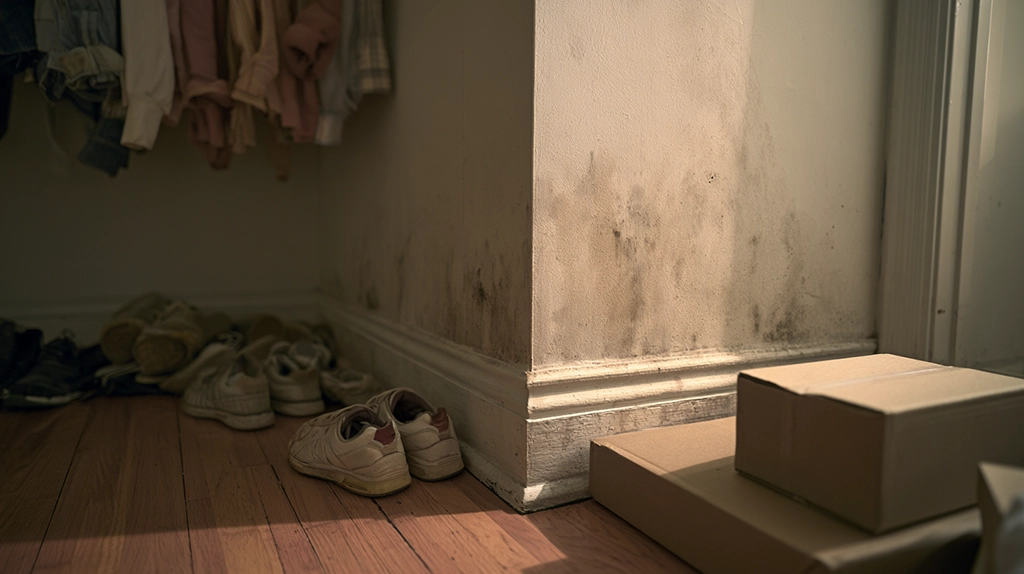
Fungi do not require unusual food sources. Everyday materials such as dust, paper, wood, drywall, fabric, and cardboard can support growth when moisture is present.
Porous materials are particularly vulnerable because they can retain moisture below the surface — a material may appear dry while still holding water internally. Visible dryness does not always reflect actual conditions, and material type influences both risk and response strategy.
Airflow Controls Moisture Persistence
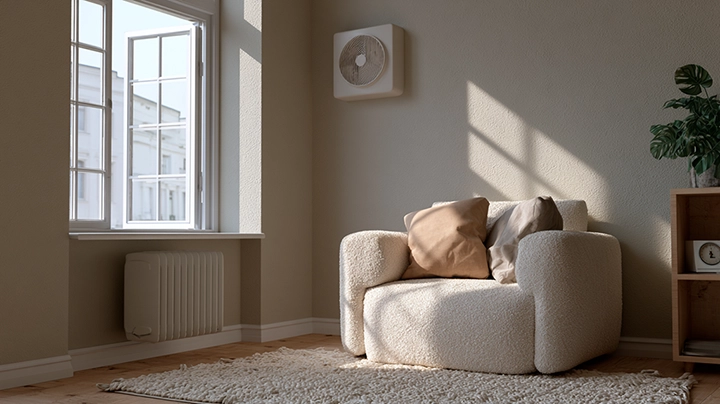
Air movement affects how quickly surfaces dry. Areas with poor ventilation — such as crowded closets, basement corners, behind furniture, or under sinks — tend to trap moisture.
Improving airflow helps reduce localized humidity and shortens drying time, but airflow alone does not eliminate moisture sources such as leaks or standing water. It works best when combined with active moisture management.
Mold Appearance Is Not a Reliable Indicator
Indoor mold can appear in a wide range of colors and textures, including white, green, gray, brown, or black. Color does not reliably indicate species or risk level.
Focusing only on appearance can lead to incorrect assumptions. The more important factors are moisture presence, growth size, and whether the condition is spreading or recurring.

Scale Determines the Appropriate Response
Small areas of mold on hard, non-porous surfaces may be manageable with careful cleaning and moisture correction. However, larger or recurring problems require a different approach.
Mold inside walls, after flooding, or involving HVAC systems may indicate hidden moisture and structural involvement. These situations often require professional assessment — not all mold problems are equal, and understanding scale helps determine when to act independently and when to seek expert support.
A Practical System for Mold Prevention
Indoor mold follows a consistent pattern: spores are present, materials are available, and moisture creates the opportunity for growth. Airflow and time determine whether that opportunity becomes a problem.
By controlling moisture, drying materials quickly, improving airflow, and monitoring vulnerable areas, this cycle can be interrupted. Mold prevention is not a single action — it is a system of small, consistent practices that reduce environmental risk over time.
FAQ
Do clean homes still get mold?
Yes. Moisture is the main factor, not cleanliness. Mold can grow in clean spaces if materials stay damp.
Are fungal spores a problem by themselves?
No. Spores are naturally present. Growth depends on moisture and environmental conditions.
Why does mold grow on dust and household materials?
Dust and common materials provide enough nutrients when combined with moisture.
Is ventilation enough to prevent mold?
Ventilation helps, but it does not replace drying and fixing moisture sources.
When should mold be handled by professionals?
When it is large, hidden, recurring, or associated with major water damage.
References
https://www.bbc.co.uk/bitesize/articles/z4jyjfr#zgpkp9q
https://www.nesdis.noaa.gov/about/k-12-education/atmosphere/what-humidity