
Introduction|The ally farmers can’t see
Behind every healthy plant is a tiny ecosystem of microorganisms working quietly out of sight. Among them, Trichoderma is one of the most reliable helpers.
You won’t see it as clearly as fertilizer pellets, nor does it appear on colorful pesticide labels. In fact, it’s a fungus so small that most farmers never notice it at all. Yet this humble microbe helps plants stand firm against disease and keeps their roots resilient during environmental stress.
What allows Trichoderma to play such an important role are the “talents” mentioned in Part 1—its competitiveness, its exceptional enzymatic abilities, and its power to trigger plant immune responses. These natural traits give it a dual identity: part bodyguard, part nutritionist. In modern agriculture, these two identities correspond to its major applications: biofungicide and biofertilizer.

1. How Trichoderma wins the underground microbial war — The core of biocontrol
Around plant roots exists a vibrant and highly competitive microbial battleground, invisible to the naked eye. Pathogenic fungi attempt to approach and invade, yet Trichoderma usually gets there first and occupies the critical positions.
Its first major strength is its ability to fight at close range.
When Trichoderma encounters pathogens such as Rhizoctonia, Fusarium, or other root-rot fungi, it extends its hyphae like coils of living vines, wraps around the pathogen, and releases powerful hydrolytic enzymes. These enzymes dissolve the pathogen’s cell wall, breaking it down in a way that resembles microbial disassembly. This direct mode of attack is rare among soil fungi and is one of the major reasons Trichoderma became the backbone of modern biocontrol.
The second strategy is more subtle: space occupation.
The root zone is crowded and nutrient-limited, and whoever occupies the root surface first gains the advantage. Trichoderma grows extremely fast—much like someone grabbing the front spot in a long line. Once it claims the space, pathogens arriving later find no gaps to colonize, effectively losing the battle before it even begins.
The third ability is the most elegant.
Plants are not passive victims; Trichoderma can “train” them to defend themselves. This immune priming, known as Induced Systemic Resistance (ISR), puts plants into a heightened state of alert. When pathogens eventually arrive, the plant reacts more quickly and strongly, resulting in fewer infections and a greater tolerance to stress.
Because of these combined abilities, Trichoderma provides strong suppression of many troublesome soilborne diseases—damping-off, wilt, root rot, southern blight, and various oomycete infections.
In practice, farmers use Trichoderma in several ways:
Seed coating powders, root drenches, drip irrigation suspensions, and potting media enriched with Trichoderma granules. While its effects may not be as immediate as synthetic fungicides, its protection is more stable and long-lasting.
As chemical pesticide regulations tighten and sustainable farming expands, Trichoderma’s popularity has grown rapidly. Today, it is one of the most frequently registered fungal biocontrol agents in the world.

2. Trichoderma as the plant’s “nutritionist” — The real magic of biofertilizers
If biocontrol is the art of “fighting,” then biofertilization is the art of “strengthening.”
Trichoderma’s metabolism is incredibly active. It produces organic acids, plant hormone–like compounds, and a broad spectrum of enzymes. Together, these substances don’t just protect roots—they push them to become stronger than untreated plants.
One important effect is enhancing root growth.
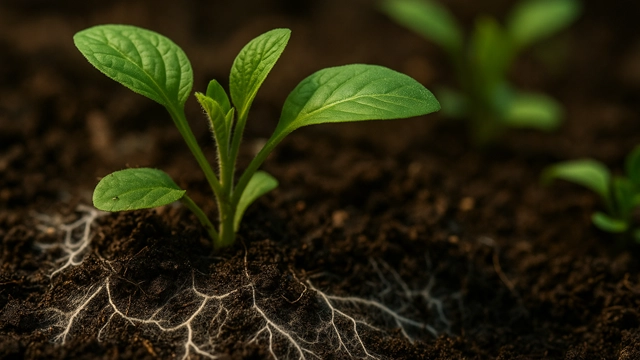
Some Trichoderma strains release compounds similar to the plant hormone IAA (indole-3-acetic acid), encouraging the formation of lateral roots and improving the plant’s ability to explore the soil.
Another key ability is phosphate solubilization.
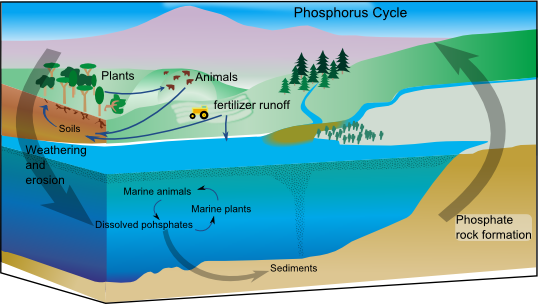
Most soil phosphorus exists in forms that plants cannot easily absorb. By secreting organic acids, Trichoderma unlocks this phosphorus, making it available to roots.
Trichoderma also enhances plant tolerance to stress.
Whether the challenge is salinity, drought, or temperature fluctuations, plants colonized by Trichoderma typically perform better.
Because of this suite of benefits, Trichoderma has become a regular ingredient in nursery mixes, vegetable and fruit cultivation, and even specialty crops like tea and coffee.
3. Why agriculture relies so heavily on Trichoderma
There are three simple reasons farmers trust Trichoderma:
it works, it’s safe, and it makes plants stronger.
Unlike conventional pesticides that merely block pathogens, or fertilizers that only provide nutrients, Trichoderma stands on both sides—keeping threats away while boosting plant resilience. This dual protection is difficult to achieve with chemical inputs alone.
As global agriculture shifts toward sustainability, Trichoderma’s importance will only continue to grow. It is not just a replacement for pesticides or fertilizers—it represents a new agricultural philosophy: helping plants and microbes work together.
References
Academic
- Harman, G.E. (2006). “Overview of mechanisms and uses of Trichoderma spp. in agriculture.” Phytopathology. DOI: 10.1094/PHYTO-96-190
- Lorito, M. et al. (2010). “Fungal–plant symbiosis and biocontrol mechanisms of Trichoderma.” Microbiology. DOI: 10.1099/mic.0.036194-0
- Woo, S.L. et al. (2014). “Trichoderma-based products in agriculture.” Journal of Biotechnology. DOI: 10.1016/j.jbiotec.2014.07.004
Official Sources
- FAO: Microbial biocontrol guidelines
- USDA ARS: Soil fungi and plant health
- EPPO: Registered biocontrol agents database
Key Takeaways
- Behind every healthy plant is a tiny ecosystem of microorganisms working quietly out of sight.
- In fact, it’s a fungus so small that most farmers never notice it at all.
- These natural traits give it a dual identity: part bodyguard, part nutritionist.
- Pathogenic fungi attempt to approach and invade, yet Trichoderma usually gets there first and occupies the critical positions.
- The second strategy is more subtle: space occupation.The root zone is crowded and nutrient-limited, and whoever occupies the root surface first gains the advantage.
Frequently Asked Questions
What is Trichoderma and how does it protect plant roots in agriculture?
Behind every healthy plant is a tiny ecosystem of microorganisms working quietly out of sight. Among them, Trichoderma is one of the most reliable helpers.You won’t see it as clearly as fertilizer pellets, nor does it appear on colorful pesticide labels. In fact, it’s a fungus so small tha
How does Trichoderma reduce the need for chemical fungicides?
What allows Trichoderma to play such an important role are the “talents” mentioned in Part 1—its competitiveness, its exceptional enzymatic abilities, and its power to trigger plant immune responses. These natural traits give it a dual identity: part bodyguard, part nutritionist. In modern agricultu
What are the practical applications of Trichoderma in modern farming?
Around plant roots exists a vibrant and highly competitive microbial battleground, invisible to the naked eye. Pathogenic fungi attempt to approach and invade, yet Trichoderma usually gets there first and occupies the critical positions.
What are the main risks associated with Trichoderma in Agriculture?
Its first major strength is its ability to fight at close range.When Trichoderma encounters pathogens such as Rhizoctonia, Fusarium, or other root-rot fungi, it extends its hyphae like coils of living vines, wraps around the pathogen, and releases powerful hydrolytic enzymes. These enzymes
What actions are recommended regarding Trichoderma in Agriculture?
The second strategy is more subtle: space occupation.The root zone is crowded and nutrient-limited, and whoever occupies the root surface first gains the advantage. Trichoderma grows extremely fast—much like someone grabbing the front spot in a long line. Once it claims the space, pathogens arriving