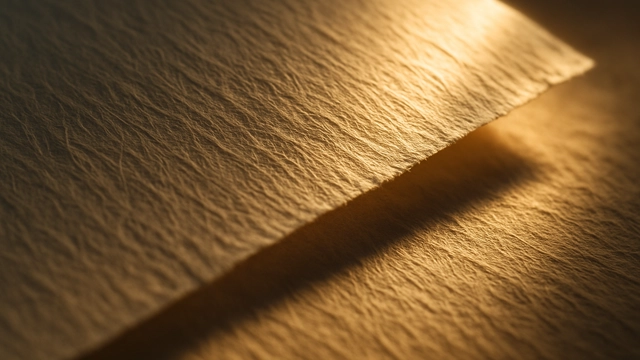


If Trichoderma is the loyal bodyguard of plants in the field, then inside factories it becomes a tireless, unseen technician. Most people assume mold grows only on forgotten bread or damp corners—but the truth is far more surprising. The paper you’re holding, the jeans you’re wearing, and the laundry detergent in your bathroom cabinet may all carry the invisible fingerprints of a fungus working behind the scenes.
At the center of this story is one exceptional species: Trichoderma reesei, the microbe that changed modern manufacturing without anyone noticing.
1. The accidental birth of an industrial fungus

The story begins during World War II in the South Pacific. American troops noticed that wooden ammunition crates were mysteriously rotting far faster than they should. Military scientists took samples, expecting termites or humidity to be the culprit. Instead, they discovered a peculiar green fungus chewing through the wood with astonishing speed.
Once brought into the lab, this organism stunned researchers. It wasn’t just decomposing wood—it was producing massive quantities of enzymes capable of breaking down cellulose, one of the toughest natural polymers on Earth.
This fungus was eventually named Trichoderma reesei, and it soon became clear that it wasn’t just another wild mold. It was a biochemical powerhouse.
Because it grows quickly, tolerates industrial conditions, and produces enzymes cheaply and efficiently, T. reeseitransformed from a forest decomposer into one of the most important enzyme factories in the world.
2. Making paper smoother, cleaner, and brighter

The sheets of paper you write on don’t reveal how complicated their journey is. Papermaking has always relied heavily on chemicals and energy to break down fibers, bleach pulp, and remove ink from recycled paper. These steps are costly, messy, and environmentally demanding.
But T. reesei enzymes changed the rules.
Its cellulases gently loosen fiber structures, help water drain more efficiently, and make it easier to remove ink from wastepaper. The result is smoother printer paper, softer tissues, and cleaner white pages—all produced with fewer chemicals and lower energy use.
In other words, the crisp sheet in your notebook may owe part of its texture and brightness to a fungus that once digested wooden crates in the tropics.
3. The secret behind stonewashed denim
Many people picture denim tumbling with stones inside giant washing drums to achieve that iconic “worn” look. And yes, that used to be true—until enzymes took over the job.
Today, the faded patterns on your jeans are far more likely shaped by Trichoderma cellulases than by stones. These enzymes act like microscopic sandpaper, trimming the outer fuzz of cotton fibers and creating natural-looking white streaks. Unlike real stones, enzymes don’t shred fabric or produce inconsistent results. They deliver a softer hand-feel, a smoother surface, and a more stable finish.
The same principle applies to cotton T-shirts, sheets, and other fabrics. Before they reach the store, many fabrics undergo bio-polishing, a process where Trichoderma enzymes refine the surface to remove fuzz and reduce pilling. If you’ve ever felt a cotton shirt that seems unusually smooth, chances are it met T. reesei somewhere along the production line.
4. Keeping clothes brighter and smoother—right in your laundry room
The influence of Trichoderma extends beyond factory floors and into everyday homes. Laundry detergents commonly include “anti-pilling enzymes” or “fabric-care enzymes”—these labels nearly always refer to microbial cellulases.
During a wash cycle, these enzymes gently shave off loose fibers that make clothes look dull or worn. They help maintain color brightness and fabric softness, making garments last longer. Rather than relying on harsh chemicals, detergents now use biological tools to refresh fabric fibers more safely and efficiently.
Every time you run your washing machine, you may already be putting this fungus to work.
5. A quiet engineer in many corners of industry
Beyond the products consumers see, Trichoderma enzymes also assist in technical processes tucked deep within industrial plants. They help break down natural fibers during specialized treatments, support certain cleaning procedures, and act as catalysts in niche biochemical transformations. These roles rarely appear on labels or advertisements, yet they are widely valued for improving efficiency and reducing chemical use.
You won’t notice these contributions directly, but factories certainly do.
6. Emerging possibilities: where Trichoderma might go next

Even though Trichoderma has already secured its place in paper mills, textile factories, and detergent formulas, scientists are exploring many new directions.
Researchers are investigating how its enzymes might improve juice clarity, increase extraction yield in fruit processing, or help break down raw materials in baking. Some food and beverage applications show promise but remain in early-stage development rather than mainstream production.
Animal feed science is also probing whether Trichoderma enzymes can boost fiber digestion in livestock. Results so far are mixed and highly dependent on feed type and species, but the concept continues to attract interest.
These emerging ideas may not yet rival the scale of paper or denim manufacturing—but they hint at how versatile this fungus could become as technology advances.
Conclusion — The story of mold is still unfolding
Trichoderma reesei began as a humble decomposer in the forest floor and unexpectedly turned into an invisible technician working behind modern materials and household products. It adjusts textures, improves manufacturing steps, reduces energy demand, and quietly enhances everyday items without calling attention to itself.
Yet this is only the beginning. As our understanding of fungi deepens and research uncovers new biochemical tools, more industries may find themselves relying on molds like Trichoderma. From smarter materials to cleaner processes, the next wave of innovation may be shaped not by machines, but by microorganisms that have been here far longer than we have.
The world of mold is far bigger—and more promising—than we ever imagined.
References
Academic
- Bischof, R. H., et al. (2016). Cellulases and beyond: the first 70 years of Trichoderma reesei research.Biotechnology for Biofuels. DOI: 10.1186/s13068-016-0545-7
- Kubicek, C. P., et al. (2009). Metabolic engineering strategies for improving cellulase production by Trichoderma reesei. Trends in Biotechnology. DOI: 10.1016/j.tibtech.2008.12.001
- Juturu, V., & Wu, J. C. (2014). Microbial cellulases for industrial applications. Renewable & Sustainable Energy Reviews. DOI: 10.1016/j.rser.2014.01.027
Official
- US Department of Energy — Bioenergy Technologies Office
- FAO — Sustainable textile and paper production pathways
Key Takeaways
- If Trichoderma is the loyal bodyguard of plants in the field, then inside factories it becomes a tireless, unseen technician.
- The story begins during World War II in the South Pacific.
- Military scientists took samples, expecting termites or humidity to be the culprit.
- reeseitransformed from a forest decomposer into one of the most important enzyme factories in the world.
- Papermaking has always relied heavily on chemicals and energy to break down fibers, bleach pulp, and remove ink from recycled paper.
Frequently Asked Questions
What should you know about 2. Making paper smoother, cleaner, and brighter?
The sheets of paper you write on don’t reveal how complicated their journey is. Papermaking has always relied heavily on chemicals and energy to break down fibers, bleach pulp, and remove ink from recycled paper. These steps are costly, messy, and environmentally demanding.But T. reesei enzymes chan
What should you know about 3. The secret behind stonewashed denim?
Many people picture denim tumbling with stones inside giant washing drums to achieve that iconic “worn” look. And yes, that used to be true—until enzymes took over the job.Today, the faded patterns on your jeans are far more likely shaped by Trichoderma cellulases than by stones. These enzymes act l
What should you know about 4. Keeping clothes brighter and smoother—right in your laundry room?
The influence of Trichoderma extends beyond factory floors and into everyday homes. Laundry detergents commonly include “anti-pilling enzymes” or “fabric-care enzymes”—these labels nearly always refer to microbial cellulases.During a wash cycle, these enzymes gently shave off loose fibers that make
What should you know about 5. A quiet engineer in many corners of industry?
Beyond the products consumers see, Trichoderma enzymes also assist in technical processes tucked deep within industrial plants. They help break down natural fibers during specialized treatments, support certain cleaning procedures, and act as catalysts in niche biochemical transformations. These rol
What should you know about 6. Emerging possibilities: where Trichoderma might go next?
Even though Trichoderma has already secured its place in paper mills, textile factories, and detergent formulas, scientists are exploring many new directions.Researchers are investigating how its enzymes might improve juice clarity, increase extraction yield in fruit processing, or help break down r