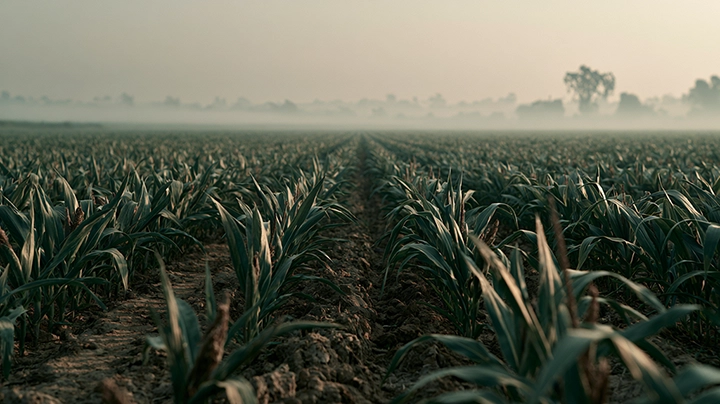
In 2022, Ireland’s southeast oat fields looked serene—rolling gold and green waves ready for harvest. But while farmers saw a successful season, scientists detected a quiet invasion hidden in the grains. Behind this bucolic facade, a fungal threat had taken root. A new study reveals that oats harvested from commercial fields were not as clean as they appeared. The culprit? A genus known all too well in food safety circles: Fusarium.

What the Fields Concealed
Researchers took samples from 44 commercial oat fields , carefully sterilizing and analyzing grains at maturity. From these seemingly healthy kernels, they recovered more than 4,000 fungal isolates. Using a combination of classical morphology and DNA sequencing—including rDNA ITS and TEF1-α gene analysis —they classified the fungal community, revealing a surprisingly diverse microbial landscape with 16 fungal morphotypes. But one genus dominated the spotlight: Fusarium.

The Paradox of F. langsethiae
Among the Fusarium isolates, one species stood out—not in abundance, but in reach. Fusarium langsethiae , a relatively quiet member of the fungal kingdom, was present in a staggering 94% of sampled fields. Yet, paradoxically, it made up less than 6% of the total fungal isolates. It was everywhere, and yet almost nowhere.

The Paradox of F. langsethiae
Why does this matter? Because F. langsethiae doesn’t need to dominate the grain to cause serious trouble. Even at low abundance, this fungus is known to produce T-2 and HT-2 toxins —two mycotoxins that are under increasing scrutiny from global food safety authorities. These compounds can cause immunosuppression, digestive distress, and are considered potential threats to both human and animal health.
Its stealthy nature makes it all the more dangerous. The fungus can fly under the radar of traditional inspection methods, quietly depositing toxins without triggering major visual cues or biomass thresholds. In essence, you might be looking at a harvest that passes visual and even microbial load inspection—but still carries unacceptable toxic risk.
The Broader Fusarium Family: Not Just One Villain
While F. langsethiae was the most widespread, the study identified a broader cast of toxic players. Fusarium tricinctum, F. poae, F. avenaceum, and F. culmorum were also detected—each known for their own suite of mycotoxins, including DON (deoxynivalenol) (or “vomitoxin”), enniatins, and moniliformin.
The important nuance here is not just who is present, but how much is needed to cause a problem. Unlike pathogens that require high population levels to be a threat, mycotoxin-producing fungi like these can be hazardous even at low abundance. It’s not about the fungus—it’s about the chemical residue it leaves behind.

Why This Study Changes the Game
This research offers an urgent reminder: food safety starts long before processing, packaging, or transport. It begins in the field. The traditional model of testing for fungal biomass or visible grain damage might not catch these stealth invaders. That’s why mycotoxin surveillance needs to evolve—to detect invisible risks that could compromise public health and international trade.
It also raises key questions about agricultural climate resilience. As weather patterns shift, fungi like Fusarium may gain a stronger foothold. Warmer, wetter conditions are known to favor their growth. In this context, a “normal-looking” harvest may no longer be a safe one. Food security can no longer ignore fungal dynamics.
Managing the Invisible Threat
What’s the way forward? Integrated monitoring systems that track both fungal presence and mycotoxin production are essential. Farmers and food producers need access to early warning tools, molecular diagnostics, and smart thresholds—not just based on fungal counts but on toxin levels.
In parallel, field management strategies must evolve. Crop rotation, resistant varieties, adjusted harvesting times, and even soil microbiome management can reduce fungal pressure. But none of these will work in isolation. A coordinated approach, informed by data and driven by both policy and practice, is now crucial.
Conclusion: Beneath the Husk, a Wake-Up Call
Ireland’s oat harvest of 2022 reminds us that safety doesn’t always wear a label. A grain that looks clean and healthy may still carry silent risks. The quiet presence of Fusarium—especially species like F. langsethiae—should push us to look deeper, test smarter, and act faster.
Because in the global effort to protect food integrity, it’s the quiet invasions we can’t afford to miss.
Key Takeaways
- In 2022, Ireland’s southeast oat fields looked serene—rolling gold and green waves ready for harvest.
- Behind this bucolic facade, a fungal threat had taken root.
- A genus known all too well in food safety circles: Fusarium.
- Among the Fusarium isolates, one species stood out—not in abundance, but in reach. Fusarium langsethiae , a relatively quiet member of the fungal kingdom, was present in a staggering 94% of sampled fields.
- langsethiae doesn’t need to dominate the grain to cause serious trouble.
Frequently Asked Questions
What the Fields Concealed?
Researchers took samples from 44 commercial oat fields , carefully sterilizing and analyzing grains at maturity. From these seemingly healthy kernels, they recovered more than 4,000 fungal isolates. Using a combination of classical morphology and DNA sequencing—including rDNA ITS and TEF1-α gene ana
What should you know about the Paradox of F. langsethiae?
Among the Fusarium isolates, one species stood out—not in abundance, but in reach. Fusarium langsethiae , a relatively quiet member of the fungal kingdom, was present in a staggering 94% of sampled fields. Yet, paradoxically, it made up less than 6% of the total fungal isolates. It wa
What should you know about the Paradox of F. langsethiae?
Why does this matter? Because F. langsethiae doesn’t need to dominate the grain to cause serious trouble. Even at low abundance, this fungus is known to produce T-2 and HT-2 toxins —two mycotoxins that are under increasing scrutiny from global food safety authorities. These compounds can c
What should you know about the Broader Fusarium Family: Not Just One Villain?
While F. langsethiae was the most widespread, the study identified a broader cast of toxic players. Fusarium tricinctum, F. poae, F. avenaceum, and F. culmorum were also detected—each known for their own suite of mycotoxins, including DON (deoxynivalenol) (or “vomitoxin”), enniatins, and m
Why This Study Changes the Game?
This research offers an urgent reminder: food safety starts long before processing, packaging, or transport. It begins in the field. The traditional model of testing for fungal biomass or visible grain damage might not catch these stealth invaders. That’s why mycotoxin surveillance needs to evolve—t