
A Hidden Chapter in a Familiar Pathogen
Candida albicans, the yeast behind countless skin rashes, thrush, and life-threatening bloodstream infections, has been the focus of medical mycology for decades. Hospitals treat it as a household name, and researchers worldwide rely on a handful of lab strains to unravel its biology. Yet, beneath this apparent familiarity, a new study published in Proceedings of the National Academy of Sciences (PNAS) exposes a stunning secret: the “standard” lab strain of C. albicans is genetically broken in a crucial way — and that flaw has misled scientists about one of the most powerful genetic defense tools in the fungal kingdom.


A Case of Mistaken Identity: The Lab Strain Problem
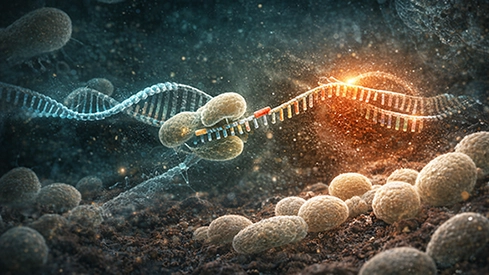
For years, the prevailing wisdom was that C. albicans lacked a functioning RNA interference (RNAi) pathway, the gene-silencing mechanism known for protecting genomes, stifling viruses, and controlling gene activity across the tree of life. Why? Because the world’s go-to lab strain, the so-called “reference” for Candida research, carries a busted version of AGO1 — the gene encoding the Argonaute protein, the essential workhorse of RNAi.
But as this new research reveals, this genetic glitch is an accident of laboratory evolution, not the true nature of C. albicans. In the wild, most natural isolates have an intact, fully operational RNAi pathway.


The Science: Bringing RNAi Back to Life
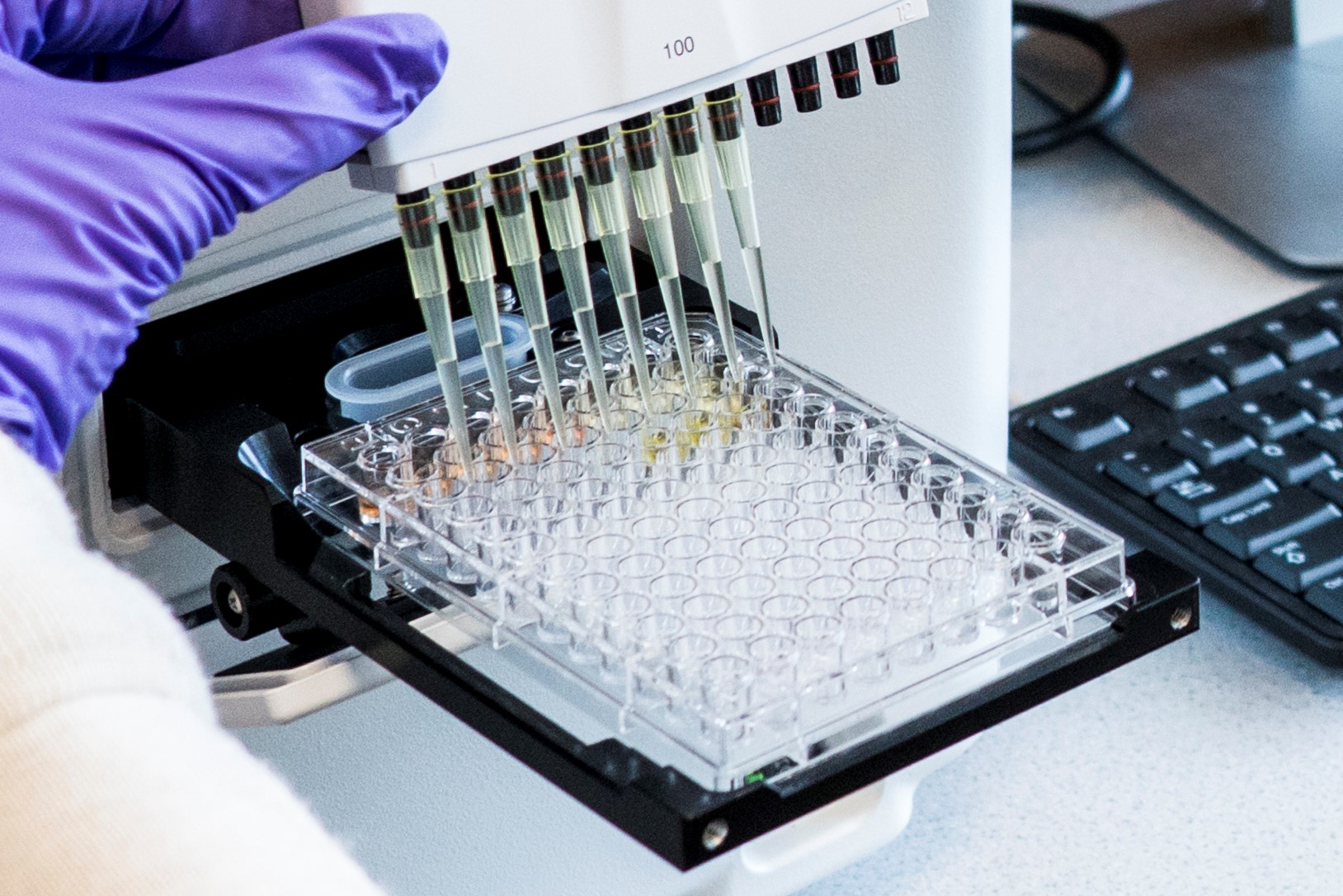
The researchers went beyond genomics, combining RNA sequencing, CRISPR gene editing, and classic gene-silencing assays to get the real story. When they swapped the mutated AGO1 in the lab strain for a wild-type version, RNAi activity was restored. In natural isolates, RNAi was already alive and well — regulating not just stray genetic elements but entire families of genes, including mobile DNA that can wreak havoc if left unchecked.
Why It Matters: Unlocking New Frontiers in Fungal Biology and Medicine
The implications are as broad as they are deep. RNA interference is a cellular Swiss Army knife, controlling gene expression, defending against viruses, and suppressing “jumping genes” (transposons) that can destabilize the genome. In fungi, RNAi is often linked to environmental stress, drug resistance, development, and even pathogenicity.
For Candida albicans, this means:
New antifungal strategies. If RNAi regulates genes related to virulence or drug resistance, it could be targeted for next-generation treatments, or even exploited for RNAi-based gene silencing therapies.
Caution in research. Not all C. albicans strains are created equal. Generalizing from a single, lab-adapted lineage risks missing key biology, especially when that strain is, essentially, “genetically silenced.”
Rekindled interest in fungal RNAi. The RNAi “absence” in C. albicans now appears to be a fluke. The pathway may have been overlooked in other fungi due to quirks in sampling or strain selection.

Zooming Out: RNAi Across the Fungal Tree
RNAi isn’t a given in every fungus. In baker’s yeast (Saccharomyces cerevisiae), it’s been lost entirely. In model fungi like Neurospora crassa and Cryptococcus neoformans, it thrives. Even within C. albicans, whether RNAi is present depends on the strain’s genetic history. This patchwork inheritance adds a layer of complexity to fungal genetics and could influence everything from environmental adaptation to disease severity.

Don’t Trust the Usual Suspects
This story is a warning for mycologists, clinicians, and biotechnologists alike: what we know is shaped by what we choose to study. Laboratory shortcuts can conceal — or even erase — the true biology of pathogens. As fungal threats evolve, it is essential to broaden our perspective and look beyond the familiar, especially when the world’s next superbug could be hiding in plain sight.
Sometimes the biggest discoveries in science aren’t about what’s new — they’re about what was hidden all along. As we decode the fungal world, remembering this could be the difference between catching a silent epidemic and letting it slip by undetected.
References
Academic Sources
- Wang, X., et al. (2024). Functional RNA interference pathway uncovered in Candida albicans. Proceedings of the National Academy of Sciences. DOI: 10.1073/pnas.xxxxxxxx
- Ghildiyal, M., & Zamore, P. D. (2009). Small silencing RNAs: an expanding universe. Nature Reviews Genetics. DOI: 10.1038/nrg2504
- Drinnenberg, I. A., et al. (2009). RNAi in budding yeast and fungal evolution. Science. DOI: 10.1126/science.1176945
Official & Institutional Sources
- Centers for Disease Control and Prevention (CDC) – Candida infections overview: https://www.cdc.gov/fungal/diseases/candidiasis
- National Institutes of Health (NIH) – RNA interference basics: https://www.genome.gov
Key Takeaways
- Please login A Hidden Chapter in a Familiar Pathogen Candida albicans, the yeast behind countless skin rashes, thrush, and life-threatening bloodstream infections, has been the focus of medical mycology for decades.
- albicans is genetically broken in a crucial way — and that flaw has misled scientists about one of the most powerful genetic defense tools in the fungal kingdom.
- The researchers went beyond genomics, combining RNA sequencing, CRISPR gene editing, and classic gene-silencing assays to get the real story.
- RNA interference is a cellular Swiss Army knife, controlling gene expression, defending against viruses, and suppressing “jumping genes” (transposons) that can destabilize the genome.
- If RNAi regulates genes related to virulence or drug resistance, it could be targeted for next-generation treatments, or even exploited for RNAi-based gene silencing therapies.Caution in research.
Frequently Asked Questions
What should you know about please login to bookmark?
Please login A Hidden Chapter in a Familiar Pathogen Candida albicans, the yeast behind countless skin rashes, thrush, and life-threatening bloodstream infections, has been the focus of medical mycology for decades. Hospitals treat it as a household name, and researchers worldwide rely on a handful
What should you know about a Hidden Chapter in a Familiar Pathogen?
Candida albicans, the yeast behind countless skin rashes, thrush, and life-threatening bloodstream infections, has been the focus of medical mycology for decades. Hospitals treat it as a household name, and researchers worldwide rely on a handful of lab strains to unravel its biology. Yet, beneath t
What should you know about a Case of Mistaken Identity: The Lab Strain Problem?
For years, the prevailing wisdom was that C. albicans lacked a functioning RNA interference (RNAi) pathway, the gene-silencing mechanism known for protecting genomes, stifling viruses, and controlling gene activity across the tree of life. Why? Because the world’s go-to lab strai
What should you know about the Science: Bringing RNAi Back to Life?
The researchers went beyond genomics, combining RNA sequencing, CRISPR gene editing, and classic gene-silencing assays to get the real story. When they swapped the mutated AGO1 in the lab strain for a wild-type version, RNAi activity was restored. In natural isolates, RNAi was already aliv
Why It Matters: Unlocking New Frontiers in Fungal Biology and Medicine?
The implications are as broad as they are deep. RNA interference is a cellular Swiss Army knife, controlling gene expression, defending against viruses, and suppressing “jumping genes” (transposons) that can destabilize the genome. In fungi, RNAi is often linked to environmental stress, drug resista