
People often ask, “Can I completely kill all the mold in my home?”
The answer is simple — no.
But that isn’t bad news. It’s actually a story about balance and persistence. Mold isn’t dirt; it’s a permanent resident of our environment. To truly manage it, we must stop talking about “eradication” and start talking about control.

1. Mold Is Everywhere — Total Removal Is an Illusion
Mold spores live in the air, in dust, inside carpets, and in the pores of wood.
Even after heat treatment or UV sterilization, new spores will always find their way back through ventilation or open doors.
As the U.S. Environmental Protection Agency (EPA) states:
“It is impossible to get rid of all mold and mold spores indoors; the key is to control moisture.” — EPA
That single sentence sums up mold science. “Eradication” doesn’t exist.
Even if you bleach the walls until they sparkle, as soon as humidity returns, spores will restart their life cycle.
The real question isn’t whether mold still exists — it’s whether the environment allows it to grow.

2. Bleach Doesn’t Kill Persistence — Cleaning Only Silences It
Bleach, alcohol, vinegar, hydrogen peroxide — these sound like weapons in a chemical war.
But their victories are often short-lived.
Bleach (sodium hypochlorite) can whiten stains and kill surface spores, but its molecules are too large to penetrate porous materials such as wood, drywall, or leather. The surface looks clean, yet the hidden hyphae are still alive.
Vinegar seeps deeper, but certain acid-tolerant species like Aspergillus niger barely flinch.
Hydrogen peroxide can oxidize spores, but only with long contact times, and it quickly decomposes on rough surfaces.
These methods suppress mold, but rarely eliminate it.
You may cut off the branches, but the roots remain — ready to regrow within weeks.
3. Moisture: The Only Ally Mold Needs
To solve mold, you must start with moisture.
A leaking wall, condensed window, damp fabric, or sealed room — all of these are invitations. Mold doesn’t need rain; it needs a microscopic film of water.
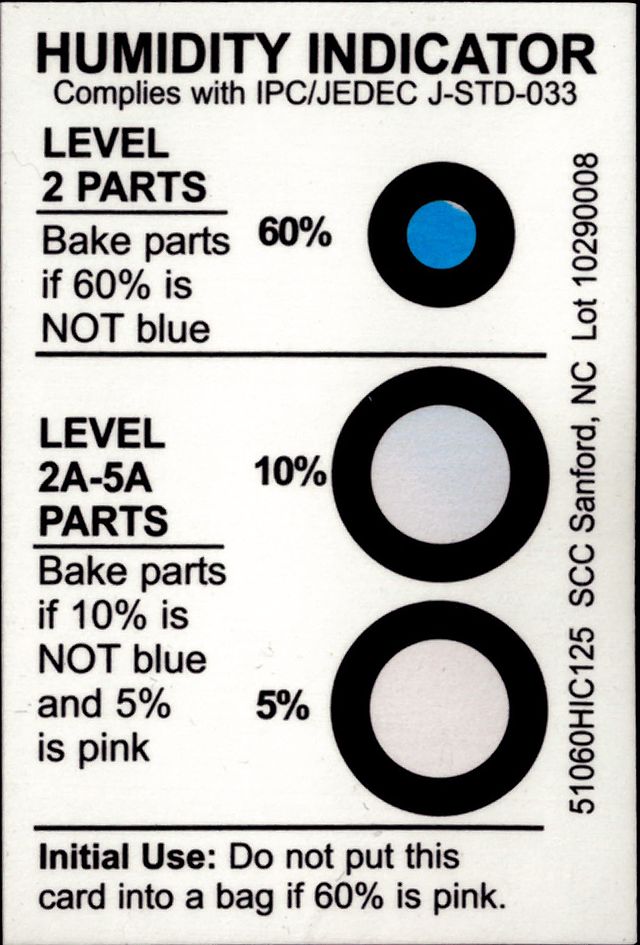
When relative humidity stays above 60%, hygroscopic surfaces start accumulating available water. If this persists for more than 48 hours, spores begin to activate.
That’s why even after deep cleaning, mold reappears as soon as the room gets damp again.
The best strategy isn’t killing, but dehydrating.
Fix leaks. Seal cold spots. Keep air moving. Maintain relative humidity below 50%.
These are not cosmetic repairs; they’re ecological interventions — the science of denying mold its habitat.
4. When to Call the Professionals
If the contaminated area is larger than one square meter, or if mold has penetrated walls, wood, or insulation, home remedies won’t cut it.
Professional remediation teams use negative-pressure containment, HEPA filtration, and biocidal cleaning agents to prevent spores from spreading during cleanup.
They also measure air and surface moisture levels, ensuring the environment dries properly afterward.
True expertise in mold removal isn’t about stronger chemicals — it’s about smarter moisture control.

5. From Eradication to Coexistence
Mold is part of nature.
It decomposes dead wood, recycles carbon, and reminds us that air is alive.
Trying to erase it completely is like wishing for oxygen-free air — impossible and unnecessary.
What we can do is make sure mold never takes control.
When the air stays dry, humidity is managed, and leaks are fixed, the mold life cycle breaks. It still exists, but no longer thrives.
“100% mold removal” is a myth.
True cleanliness isn’t the absence of mold — it’s the absence of conditions that let it grow.
When you learn to manage humidity and airflow, mold remains in the world, but no longer in your world.
References
- EPA Mold Cleanup and Control Guidelines
- ASHRAE Humidity Standards for Indoor Environments
- NIH Mycology Reference on Aspergillus niger
Key Takeaways
- People often ask, “Can I completely kill all the mold in my home?”The answer is simple — no.But that isn’t bad news.
- To truly manage it, we must stop talking about “eradication” and start talking about control.
- “It is impossible to get rid of all mold and mold spores indoors; the key is to control moisture.” — EPA
- Bleach, alcohol, vinegar, hydrogen peroxide — these sound like weapons in a chemical war.But their victories are often short-lived.
- These methods suppress mold, but rarely eliminate it.You may cut off the branches, but the roots remain — ready to regrow within weeks.
Frequently Asked Questions
Is it truly possible to permanently eradicate mold from a home?
People often ask, “Can I completely kill all the mold in my home?”The answer is simple — no.But that isn’t bad news. It’s actually a story about balance and persistence. Mold isn’t dirt; it’s a permanent resident of our environment. To truly manage it, we must stop talking about “eradication” and st
Why does mold always find a way to return after removal?
Mold spores live in the air, in dust, inside carpets, and in the pores of wood.Even after heat treatment or UV sterilization, new spores will always find their way back through ventilation or open doors.
What does science say about realistic mold prevention strategies?
As the U.S. Environmental Protection Agency (EPA) states:
What are the main risks associated with The Myth of Total?
“It is impossible to get rid of all mold and mold spores indoors; the key is to control moisture.” — EPA
What actions are recommended regarding The Myth of Total?
That single sentence sums up mold science. “Eradication” doesn’t exist.Even if you bleach the walls until they sparkle, as soon as humidity returns, spores will restart their life cycle.