
Mold Is Everywhere—And That’s Not a Coincidence
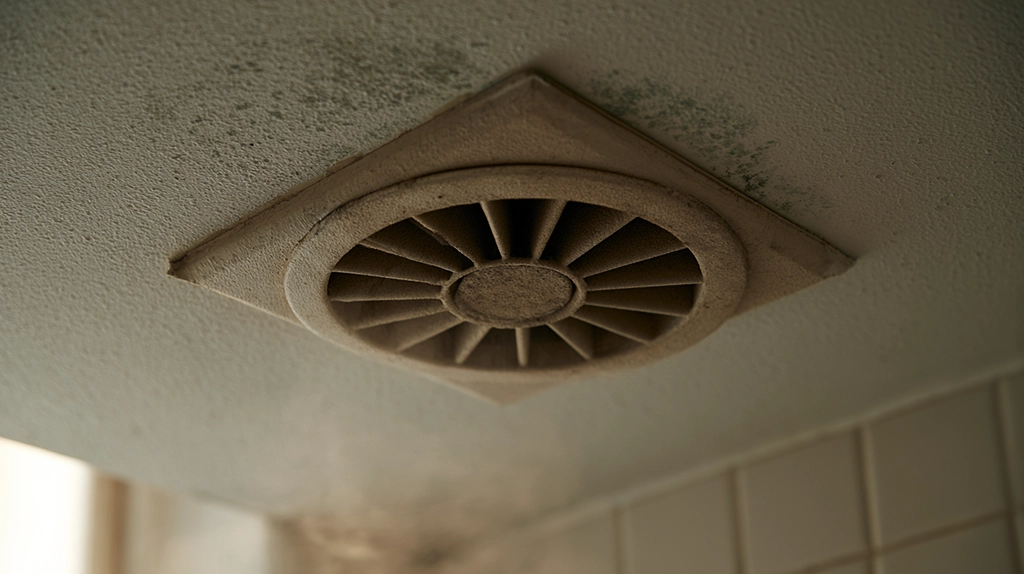
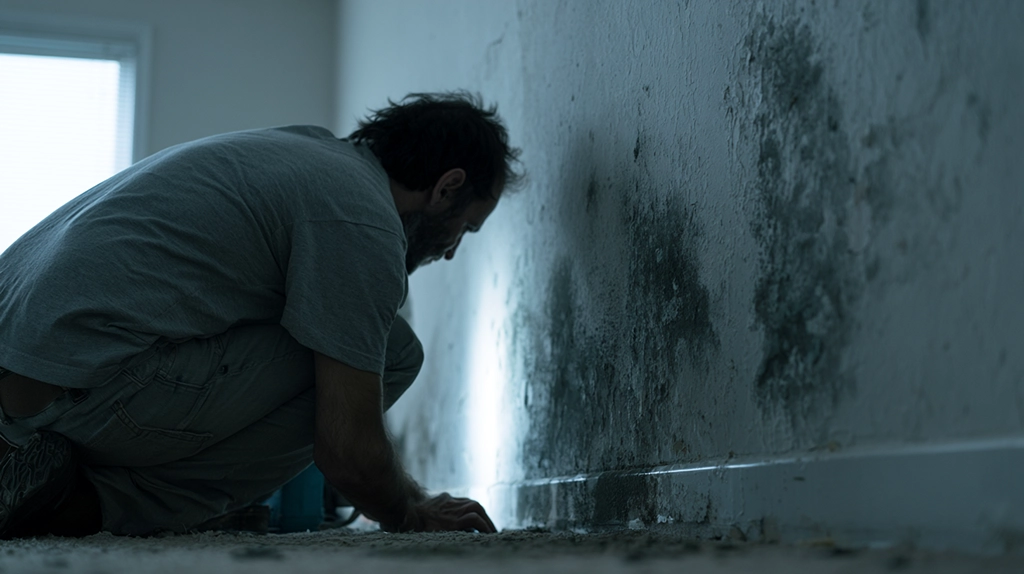
Mold isn’t just an accident. It’s a sign of a system failure—a symptom of rushed production, neglected storage conditions, and weak food safety enforcement. It thrives in hidden moisture, improperly regulated warehouses, and factories cutting corners, yet we expect our food to be free of it.
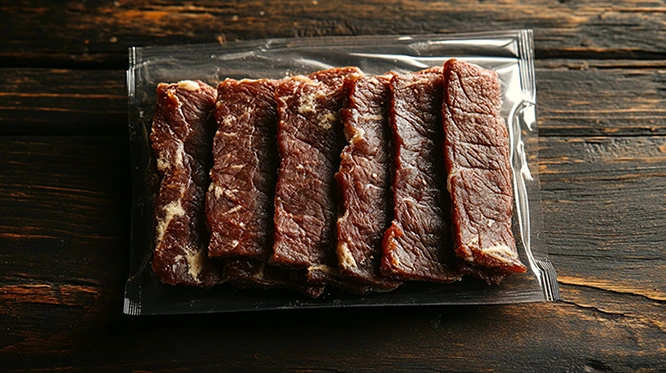
If mold can grow inside something as heavily processed, vacuum-sealed, and shelf-stable as beef jerky, we have to ask what this really means. What other problems are slipping through the cracks? If mold is getting into jerky—one of the driest, most preserved foods—what does that mean for everything else in our pantries?
How Did Mold Get Inside Sealed Beef Jerky?
Beef jerky is supposed to be one of the safest, longest-lasting foods. It’s built to survive heat, time, and exposure. And yet, consumers have found fuzzy mold colonies inside perfectly sealed bags. This raises serious concerns about where the system broke down.
There are only a few ways this could have happened, and none of them are reassuring:
- Drying failure – If the jerky wasn’t fully dehydrated before being packaged, any leftover moisture would create the perfect breeding ground for mold—even inside a sealed bag. Factories that rush the process or fail to check moisture levels before sealing could be setting consumers up for dangerous contamination.
- Packaging failure – If there was a tiny imperfection in the seal, it could have allowed humidity or airborne mold spores to sneak in after the jerky left the factory. A single flaw in vacuum-sealing machinery or compromised packaging materials could turn an entire production batch into a fungal incubator.
- Storage failure – Even if the jerky was processed and sealed correctly, improper storage in a humid or unsanitary warehouse could have triggered mold growth before it ever reached store shelves. Inconsistent temperature control, exposure to fluctuating humidity levels, or poor oversight in distribution centers could be the hidden culprit.
Each of these scenarios points to the same issue: food safety safeguards are failing somewhere along the line. If one bad batch slipped through, how many others have gone unnoticed?
If Jerky Isn’t Safe, What Else Is at Risk?
When we buy food, we assume that it has been tested, inspected, and is safe to eat. We trust that sealed packaging means protection. But this scandal raises a bigger concern: What else could be contaminated without us knowing?
Think about your pantry:
- Dried meats – If beef jerky is vulnerable, so are pepperoni, bacon bits, and survival food kits.
- Protein powders – Already at high risk for mycotoxin contamination, especially plant-based varieties.
- Dried seafood products – Fish jerky, squid snacks, and dehydrated seafood could face similar risks.
- Vegan meat alternatives – Soy-based jerky, seitan-based snacks, and meat substitutes may also be at risk.
If mold can grow inside a sealed food package, how much of our food is actually being properly monitored? If mold is being ignored in jerky production, what else is slipping through undetected?

Source: Wikimedia Commons, CC BY-SA 4.0
Why This Matters: The Pattern of Food Safety Failures
This isn’t the first time our food safety system has crumbled under pressure:
- Mold-contaminated baby food was pulled from shelves after parents reported foul smells.
- Packaged bread and tortillas tested positive for hidden mold before expiration dates.
- Even chocolates and snack bars, thought to be safe for months, were recalled due to invisible mold growth beneath the surface.
Each time, we’re told it’s rare. A fluke. But these mold incidents aren’t isolated—they’re part of a larger pattern of oversight failures.
And what’s even more alarming? The FDA rarely issues mold-related recall alerts, leaving it up to manufacturers to decide how serious the situation is.
When mold contaminates a sealed food product, it’s not just a quality issue—it’s a microbial hazard, especially for the immunocompromised. So why isn’t mold being treated as a public health risk by global regulators such as WHO, FAO, and Codex Alimentarius?

Source: Wikimedia Commons, CC BY-SA 3.0
What You Can Do: Taking Back Control
We can’t rely on companies to regulate themselves. But we can take steps to protect ourselves and push for better food safety standards:
💡 Check your pantry. Inspect jerky or dried meat products before eating. If you see any mold, moisture, or odd smells, throw them out immediately.
💡 Support transparent brands. Choose companies that invest in microbial testing and disclose storage protocols.
💡 Improve storage at home. Keep dry goods in airtight containers, store food in cool, dry places, and rotate stock regularly.
💡 Report contaminated products. If you find mold, take photos and report it to local or national food safety authorities.
💡 Stay alert for recalls. Watch for repeat offenders; multiple recalls often signal deeper problems in manufacturing or hygiene.
Final Take: This Is Bigger Than Just One Recall
This isn’t just about moldy jerky. It’s about food safety failures, corporate shortcuts, and a system that is struggling to protect consumers. It’s about how little we actually know about what happens to our food before it reaches our homes.
If we don’t demand better safety standards, stricter quality control, and full transparency from food manufacturers, this won’t be the last time we hear about contaminated products slipping through the cracks.
Because today, it’s moldy jerky. Tomorrow, it could be something far worse.
The Bigger Question: Are We Ready to Hold Companies Accountable?
Companies will always cut corners unless consumers and regulators hold them accountable.
The fight for safer food starts with awareness. The more we educate ourselves, the harder it becomes for companies to ignore safety violations. The more we demand transparency, the less likely they are to take risks that harm public health.
This isn’t just about the food on your shelf—it’s about the entire system. And if we don’t take action now, we’ll be dealing with far worse consequences in the future.
Food safety isn’t just a privilege—it’s a right. And we must fight for it.
References
Official & Scientific Sources
- World Health Organization (WHO): Mycotoxins Fact Sheet
- Food and Agriculture Organization (FAO): Food Safety Overview
- Codex Alimentarius: International Food Standards
- European Food Safety Authority (EFSA): Mycotoxin Risks
- U.S. Food and Drug Administration (FDA): Food Recalls and Safety Alerts
- Centers for Disease Control and Prevention (CDC): Mold FAQ
Images
- Beef jerky display supermarket (CC BY-SA 4.0)
- Food recall notice (CC BY-SA 3.0)
Key Takeaways
- It’s a sign of a system failure—a symptom of rushed production, neglected storage conditions, and weak food safety enforcement.
- If mold can grow inside something as heavily processed, vacuum-sealed, and shelf-stable as beef jerky, we have to ask what this really means.
- Beef jerky is supposed to be one of the safest, longest-lasting foods.
- There are only a few ways this could have happened, and none of them are reassuring:
- If one bad batch slipped through, how many others have gone unnoticed?
Frequently Asked Questions
What should you know about mold Is Everywhere—And That’s Not a Coincidence?
Mold isn’t just an accident. It’s a sign of a system failure—a symptom of rushed production, neglected storage conditions, and weak food safety enforcement. It thrives in hidden moisture, improperly regulated warehouses, and factories cutting corners, yet we expect our food to be free of it.
How Did Mold Get Inside Sealed Beef Jerky?
Beef jerky is supposed to be one of the safest, longest-lasting foods. It’s built to survive heat, time, and exposure. And yet, consumers have found fuzzy mold colonies inside perfectly sealed bags. This raises serious concerns about where the system broke down.
What should you know about if Jerky Isn’t Safe, What Else Is at Risk??
When we buy food, we assume that it has been tested, inspected, and is safe to eat. We trust that sealed packaging means protection. But this scandal raises a bigger concern: What else could be contaminated without us knowing?
Why This Matters: The Pattern of Food Safety Failures?
This isn’t the first time our food safety system has crumbled under pressure:
What You Can Do: Taking Back Control?
We can’t rely on companies to regulate themselves. But we can take steps to protect ourselves and push for better food safety standards: