
The Wellness Fruit With a Rotten Secret
Jujube. Once celebrated as a medicinal gem in Traditional Chinese Medicine, now stocked in trendy superfood aisles, herbal teas, and hormone-balancing supplements. It’s a fruit that bridges ancient healing and modern wellness—a natural treat we’re told to trust.
But trust, it turns out, may have been misplaced.
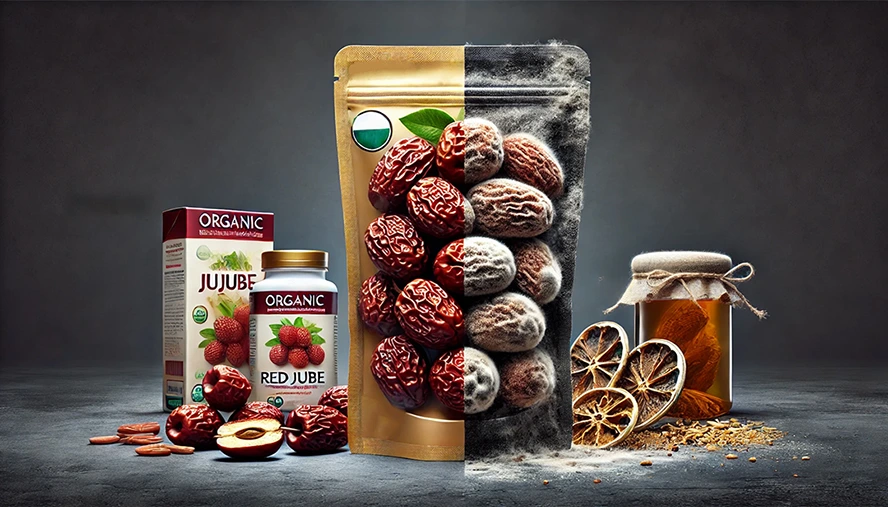
A wave of new research is exposing the moldy underbelly of this beloved fruit. Behind the promises of immune support and calming properties, the dried jujube may be hiding something far less healing: toxic fungi.
In a detailed scientific study from Shihezi, Xinjiang, China, researchers tested 58 commercial jujube products. The results? Shocking.

Source: Wikimedia Commons, CC BY-SA 4.0
What the Science Found: Hidden Toxins
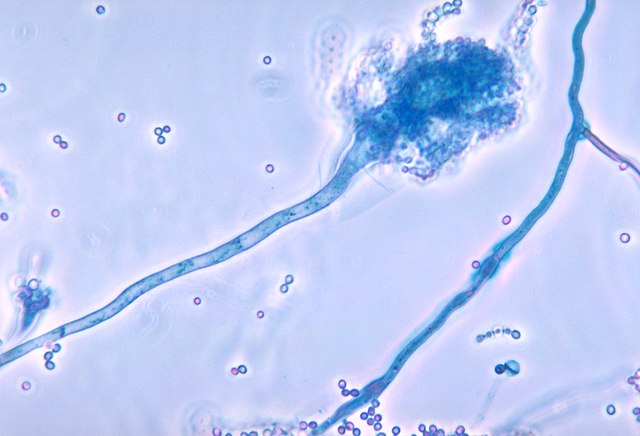
Using next-gen DNA sequencing and ELISA testing, scientists found 105 different fungal strains on those jujube samples. Among them were notorious mold genera:
These aren’t just minor spoilage organisms. They are capable of producing mycotoxins, highly toxic compounds that don’t smell, can’t be seen, and certainly don’t come with a warning label.
Mycotoxins such as aflatoxins and ochratoxins are linked to liver damage, kidney failure, immune suppression, and, in long-term cases, even cancer. These toxins can survive processing and packaging. Once inside your pantry—or your body—they quietly accumulate damage over time.
And yes, these toxins were found in the very same jujubes sold for daily health and wellness.
Source: Wikimedia Commons, CC BY-SA 3.0
This Isn’t Just a Local Problem
These jujube products aren’t staying local. They’re being exported globally—to markets in the U.S., Canada, Europe, Southeast Asia, and Australia. You’ll find them tucked in teas, wellness gummies, traditional tonics, and natural snack packs.
Despite their international reach, these products often pass through without rigorous inspection. There’s no universal standard requiring mold or mycotoxin screening. There’s no globally enforced certification for fungal safety. And in most places, there’s no mandatory testing before dried jujube hits store shelves.
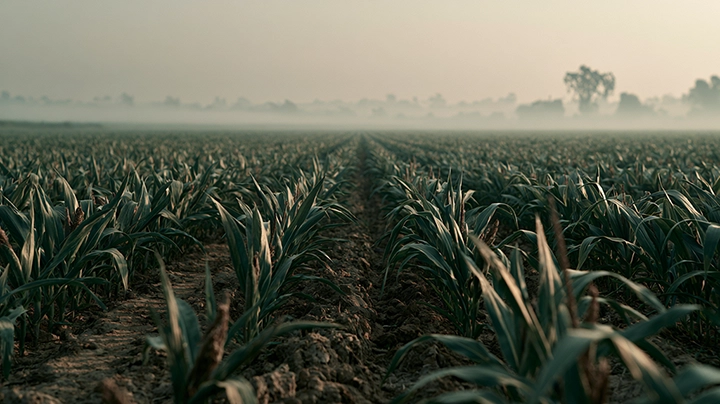
What’s worse: many consumers assume that words like “natural,” “organic,” or “traditional” mean “safe.” But mold doesn’t read labels. Fungi don’t care how pretty the packaging is. Contamination can happen in the fields, in the drying process, during shipping, or in storage—long before the product ever makes it into your tea.
The Bigger Wellness Blind Spot
This jujube scandal is part of a broader problem: the growing health food and supplement industry often skips over the very safety checks that pharmaceutical products must meet.
The wellness world loves the language of purity: “natural,” “clean,” “non-toxic.” But many of these terms are unregulated—and in the case of dried jujube, they’re hiding the presence of fungal threats.
And while many people read ingredient labels, avoid added sugars, or steer clear of artificial chemicals, almost no one is warned about mold contamination in herbal products.
These are the products that consumers buy to feel better. To prevent illness. To manage stress. And yet, the contamination they may carry can do the exact opposite.
This isn’t about demonizing tradition. Fermentation, herbal medicine, and natural foods have long-standing roles in global health practices. The issue is the lack of modern infrastructure around their safety when industrialized and globalized.
When demand outpaces quality control, contamination slips in.

Source: Wikimedia Commons, CC BY-SA 4.0
What Needs to Change
For Consumers:
- Ask brands if they test for mycotoxins, especially aflatoxins and ochratoxins.
- Avoid storing dried fruits in humid spaces or unsealed containers.
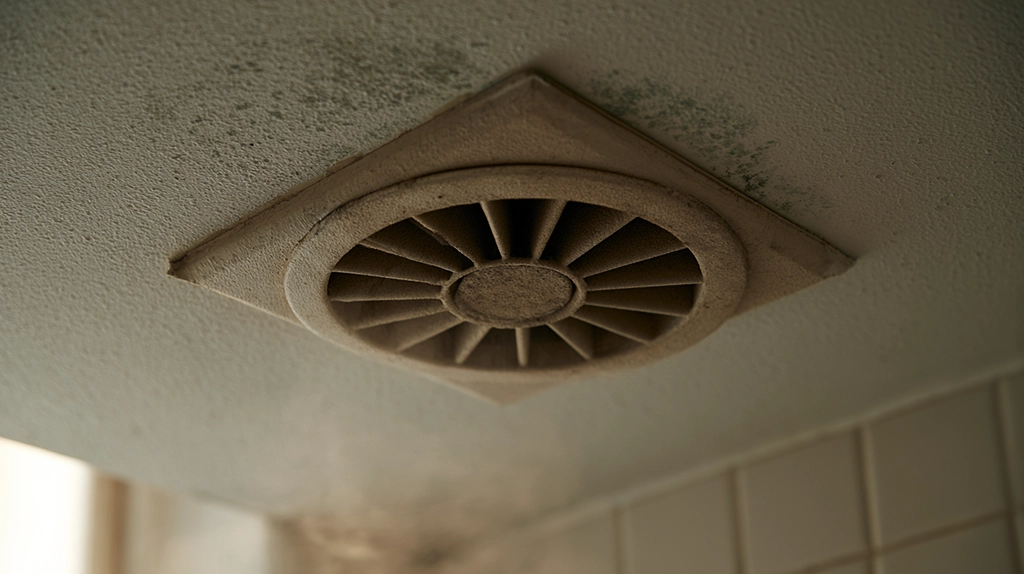
- If something smells musty or looks off—even slightly—don’t eat it. Mold toxicity doesn’t require visible fuzz.
- Treat dried fruits like any other perishables: store them properly, and use them mindfully.
For Brands:
- Start publishing mold and mycotoxin testing results. If your product is clean, be proud to prove it.
- Stop relying on “natural” as a shield. Safety must be demonstrated, not just marketed.
- Improve post-processing and packaging. Vacuum sealing hot, moist jujube is a recipe for hidden mold.
For Regulators:
- Implement international screening standards for dried fruits.
- Introduce certification labels for mycotoxin-safe products.
- Create clearer guidelines for fungal contamination in health food imports and exports.
The Lesson Hidden in the Spores
Mold doesn’t only grow in dark, damp corners. It grows in our blind spots. In poorly regulated wellness trends. In unchecked supply chains. In the silence of labels that tell us nothing about real risks.
And when the mold is invisible, and the food is framed as “medicine,” the danger doubles.
We’re told to take control of our health. But how can people make informed decisions if there’s no transparency? How can anyone trust a wellness product if the very standards that define safety are missing?
This story isn’t just about jujubes. It’s about how we protect ourselves in a world full of health claims—and how we demand better from the industries that profit from our trust.
We need oversight that reflects reality. We need language that means something. And we need to know: is the sweet fruit in our cup nourishing us—or slowly hurting us?
References
- Frontiers in Microbiology (2025). “Analysis of Fungal Diversity in Processed Jujube Products and the Production of Mycotoxins by Typical Toxigenic Aspergillus spp.”
- World Health Organization (WHO):Mycotoxins Fact Sheet
- Centers for Disease Control and Prevention (CDC): Aflatoxin Exposure and Health Effects
Key Takeaways
- Once celebrated as a medicinal gem in Traditional Chinese Medicine, now stocked in trendy superfood aisles, herbal teas, and hormone-balancing supplements.
- Once inside your pantry—or your body—they quietly accumulate damage over time.And yes, these toxins were found in the very same jujubes sold for daily health and wellness.
- You’ll find them tucked in teas, wellness gummies, traditional tonics, and natural snack packs.Despite their international reach, these products often pass through without rigorous inspection.
- Contamination can happen in the fields, in the drying process, during shipping, or in storage—long before the product ever makes it into your tea.
- Fermentation, herbal medicine, and natural foods have long-standing roles in global health practices.
Frequently Asked Questions
What should you know about the Wellness Fruit With a Rotten Secret?
Jujube. Once celebrated as a medicinal gem in Traditional Chinese Medicine, now stocked in trendy superfood aisles, herbal teas, and hormone-balancing supplements. It’s a fruit that bridges ancient healing and modern wellness—a natural treat we’re told to trust.But trust, it turns out, may have been
What the Science Found: Hidden Toxins?
Using next-gen DNA sequencing and ELISA testing, scientists found 105 different fungal strains on those jujube samples. Among them were notorious mold genera:
What should you know about this Isn’t Just a Local Problem?
These jujube products aren’t staying local. They’re being exported globally—to markets in the U.S., Canada, Europe, Southeast Asia, and Australia. You’ll find them tucked in teas, wellness gummies, traditional tonics, and natural snack packs.Despite their international reach, these products often pa
What should you know about the Bigger Wellness Blind Spot?
This jujube scandal is part of a broader problem: the growing health food and supplement industry often skips over the very safety checks that pharmaceutical products must meet.The wellness world loves the language of purity: “natural,” “clean,” “non-toxic.” But many of these terms are unregulated—a
What should you know about for Brands:?
Mold doesn’t only grow in dark, damp corners. It grows in our blind spots. In poorly regulated wellness trends. In unchecked supply chains. In the silence of labels that tell us nothing about real risks.And when the mold is invisible, and the food is framed as “medicine,” the danger doubles.