High Altitudes, Quiet Signals


There are places in the world where the air is thin and the silence is so deep, it seems to hold its own kind of wisdom. The Indian Himalayas are one of those places—a landscape shaped by stone, wind, and cloud, but also, quietly, by lichens.
Clinging to rocks, bark, and soil, lichens are a living partnership of fungus and alga—a symbiosis—built for survival. They endure in places where others can’t, painting the mountains in patterns that change with the environment. New research is showing that these subtle organisms might be the clearest barometers we have for tracking the shifting climate—if only we pay attention.
Lichens as Climate Barometers

A team of researchers set out to understand how lichens respond to the Himalayan climate. Their work mapped more than 1,400 lichen species across a steep sweep of elevation—from warm, moisture-laden valleys at 1,000 meters all the way up to barren, wind-scoured heights at 4,500 meters.
But the study wasn’t simply about cataloguing what’s out there. Instead, it was an investigation into how these species survive, how their forms change, and how their strategies reveal what’s happening in their world.
What they found was striking:
- Lichen diversity peaked at mid-elevations
where neither heat nor cold dominates, and moisture is balanced.
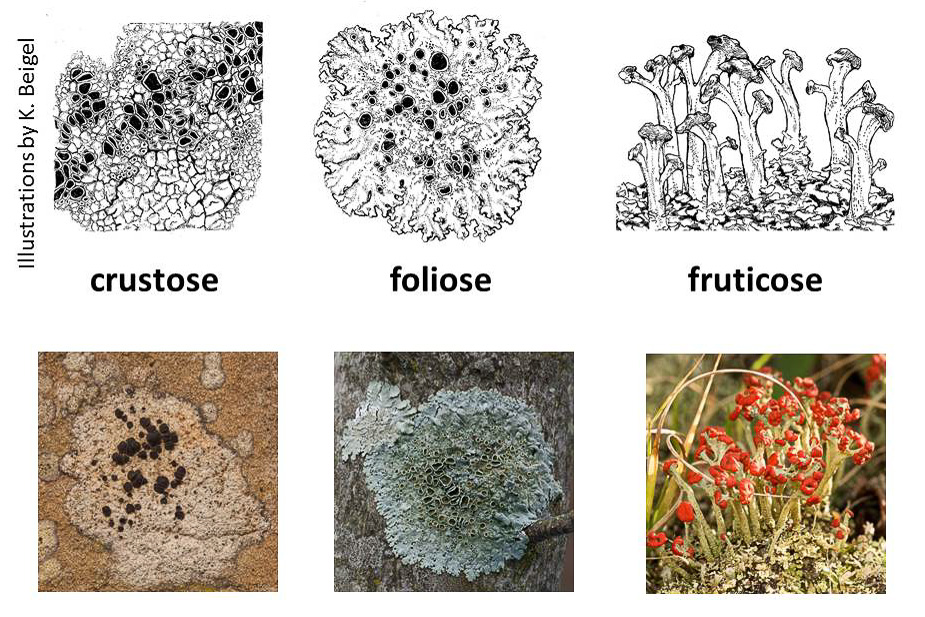
Here, crustose, fruticose, and foliose forms all coexist. - Higher elevations favored crustose and fruticose lichens—hard-bodied or wiry forms adapted to cold, dryness, and wind.
- Lower valleys hosted leafy foliose lichens, flourishing in warmer, humid conditions.
One of the more unexpected discoveries was the clear divide between the eastern and western Himalayas.
The heavy monsoon rains in the east produced lichens with distinct growth forms and adaptations compared with those in the drier, more variable climates of the west.
But the most important insight was trait-based.
Rather than focusing only on which species were present, the scientists studied:
- growth forms
- algal partners
- substrate preferences
- dispersal strategies
These traits revealed early indicators of stress or adaptation—the subtle shifts before a species disappears entirely.
A lichen might thin, change partners, or evolve drought tolerance long before it vanishes.
Lichens, in other words, are early-warning sensors.
Climate Change’s Microscopic Messengers


What makes lichens so valuable as climate messengers is their sensitivity to exactly the things that global warming disrupts:
- UV radiation
- temperature swings
- moisture change
- shifting winds
When conditions change, lichens don’t simply disappear—they adapt.
Their forms, partnerships, and distribution across the land reveal the story of those changes.
They are, in essence, microbial canaries in the coal mine.
The research shows that in the Himalayas, lichens are already responding to microclimatic shifts driven by warming, altered rainfall, and changing wind patterns.
Because their trait patterns are so reliable, scientists believe lichens could become one of the best natural tools for tracking climate change in mountainous areas—often reacting faster than trees, animals, or glaciers.
There is a grounding truth in this:
the oldest, slowest-growing residents of the mountains might be keeping the most accurate diary of our planet’s changes.
Beyond the Bark: What Comes Next?

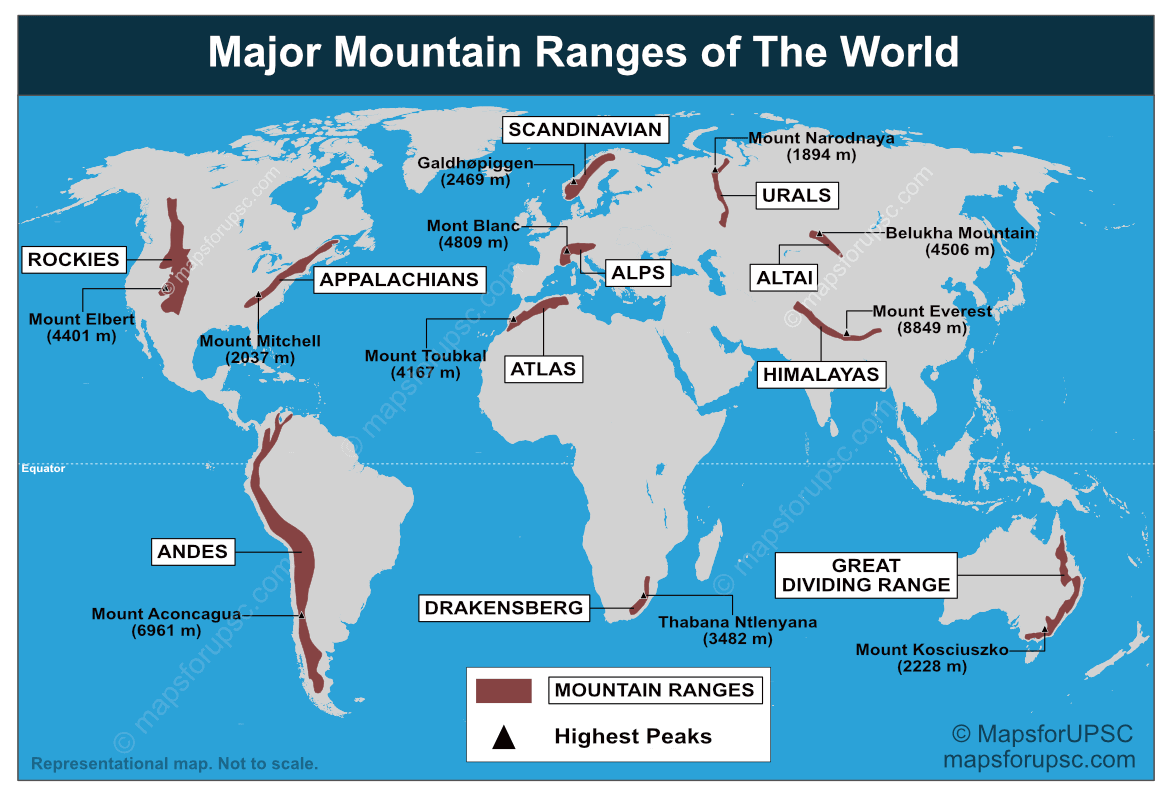
While this study provides a valuable snapshot of Himalayan lichens and their responses to climate, it’s only the beginning.
Real power will come from:
- long-term monitoring, watching the same lichens over seasons and years
- tracking trait shifts, not just species presence
- comparing data across ranges like the Andes, Alps, Rockies, and Tibetan Plateau
- integrating findings with soil microbes, water cycles, minerals, and vegetation
This broader perspective can reveal how entire ecosystems respond to environmental stress.
These insights don’t belong only in remote mountains.
Urban environments, industrial sites, and everyday spaces also host lichens—quiet monitors of pollution, moisture, temperature, and airborne chemicals.
There’s humility in realizing that a thin crust on a stone may help guide policy, conservation, and climate forecasting.
But there is hope too: the answers we need may already be growing quietly beneath our feet.
A Mycelial Footnote


In a world where headlines are loud and overwhelming, it’s sometimes the quietest signals that matter most.
Lichens—resilient, slow, patient—are honest messengers.
Their adaptations are a record of how the world is shifting.
If my experience has taught me anything, it’s that early warnings are a gift—if we choose to notice them.
In the fungal kingdom, survival is not only persistence.
It is communication.
It is sensing change early, and responding with clarity.
Right now, the lichens are telling us something.
The question is: will we listen?
References
Academic References
- Nimis PL, Scheidegger C, Wolseley P. Monitoring Lichens as Indicators of Pollution and Climate Change. Springer.
- Singh KP & Sinha GP. Lichen Flora of the Indian Himalayas.
- Rikkinen J. Ecology and Evolution of Lichen Symbioses.
Official References
- NASA Earth Observatory – Climate Resources
- IPCC Reports on Mountain Ecosystems
- Ministry of Environment, Forest and Climate Change (India)
Image Sources (CC0 / CC BY / Public Domain)
(All images are representative editorial images, not research photos.)
- Himalaya high-altitude landscapes — Pixabay (CC0)
- Lichen macro close-ups — Wikimedia Commons (CC0/CC BY)
- Lichen growth forms chart — Rawpixel / OpenClipart (CC0)
- Climate indicator & microclimate visuals — Unsplash / NASA (Public Domain)
- Lichen monitoring transects — Wikimedia Commons (CC0)
- Global mountain maps — Natural Earth (Public Domain)
- Symbolic nature/stone textures — Pixabay / Unsplash (CC0)
Key Takeaways
- There are places in the world where the air is thin and the silence is so deep, it seems to hold its own kind of wisdom.
- New research is showing that these subtle organisms might be the clearest barometers we have for tracking the shifting climate—if only we pay attention.
- But the study wasn’t simply about cataloguing what’s out there.
- These traits revealed early indicators of stress or adaptation—the subtle shifts before a species disappears entirely.A lichen might thin, change partners, or evolve drought tolerance long before it vanishes.
- When conditions change, lichens don’t simply disappear—they adapt.Their forms, partnerships, and distribution across the land reveal the story of those changes.
Frequently Asked Questions
What should you know about lichens as Climate Barometers?
A team of researchers set out to understand how lichens respond to the Himalayan climate. Their work mapped more than 1,400 lichen species across a steep sweep of elevation—from warm, moisture-laden valleys at 1,000 meters all the way up to barren, wind-scoured heights at 4,
What should you know about climate Change’s Microscopic Messengers?
What makes lichens so valuable as climate messengers is their sensitivity to exactly the things that global warming disrupts:
What should you know about beyond the Bark: What Comes Next??
While this study provides a valuable snapshot of Himalayan lichens and their responses to climate, it’s only the beginning.
What should you know about a Mycelial Footnote?
In a world where headlines are loud and overwhelming, it’s sometimes the quietest signals that matter most.
What should you know about academic References?
(All images are representative editorial images, not research photos.)