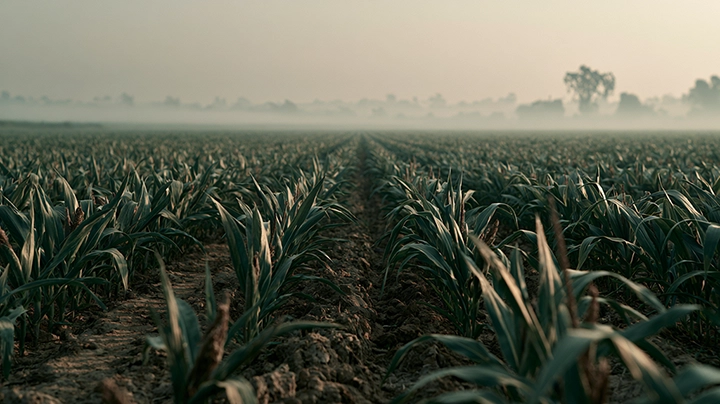

Are fungi quietly designing how ecosystems behave?
A Shift in Ecological Thinking
Are fungi passive participants or active ecosystem architects?


For decades, ecology has followed a familiar narrative. Climate shapes soil, soil supports plants, and plants build ecosystems. Fungi, in this model, are cast as background organisms—decomposers or silent partners beneath the surface.
New research highlighted in Nature Ecology & Evolution (2026) challenges this view.
Instead of reacting to ecosystems, fungi appear to actively shape them. They influence how nutrients move, how plants compete, and how ecosystems respond to environmental stress.
This emerging perspective suggests that fungi are not just participants in ecological systems. They are architects helping define how those systems function.
A New Ecological Blueprint
How do fungi reshape traditional ecosystem models?

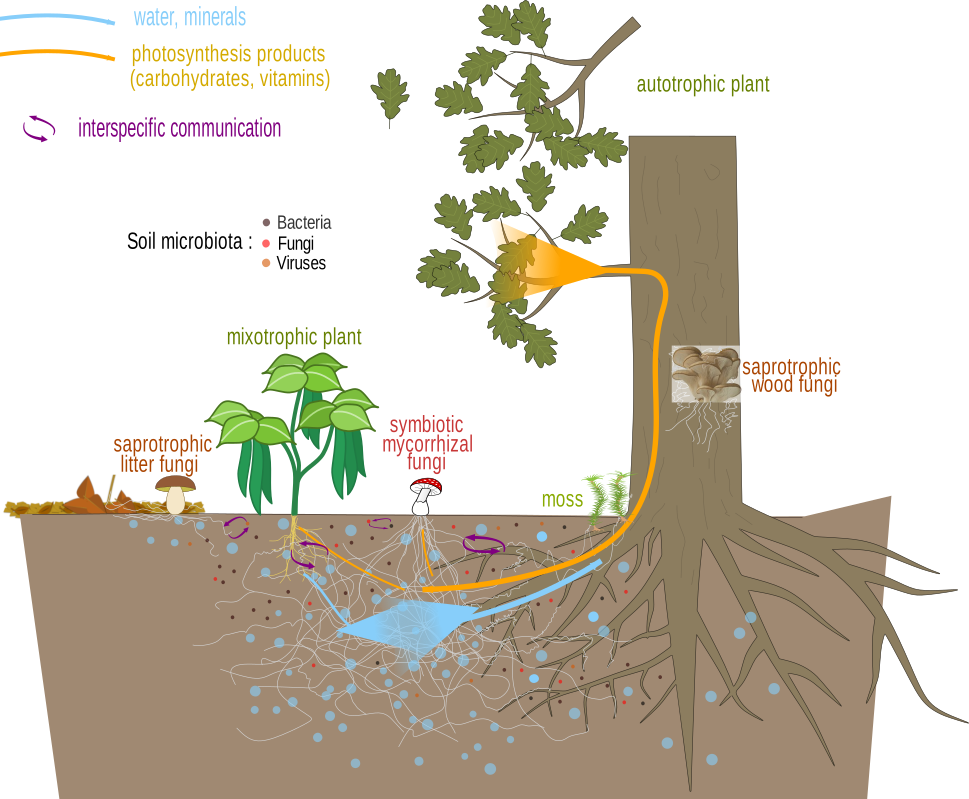

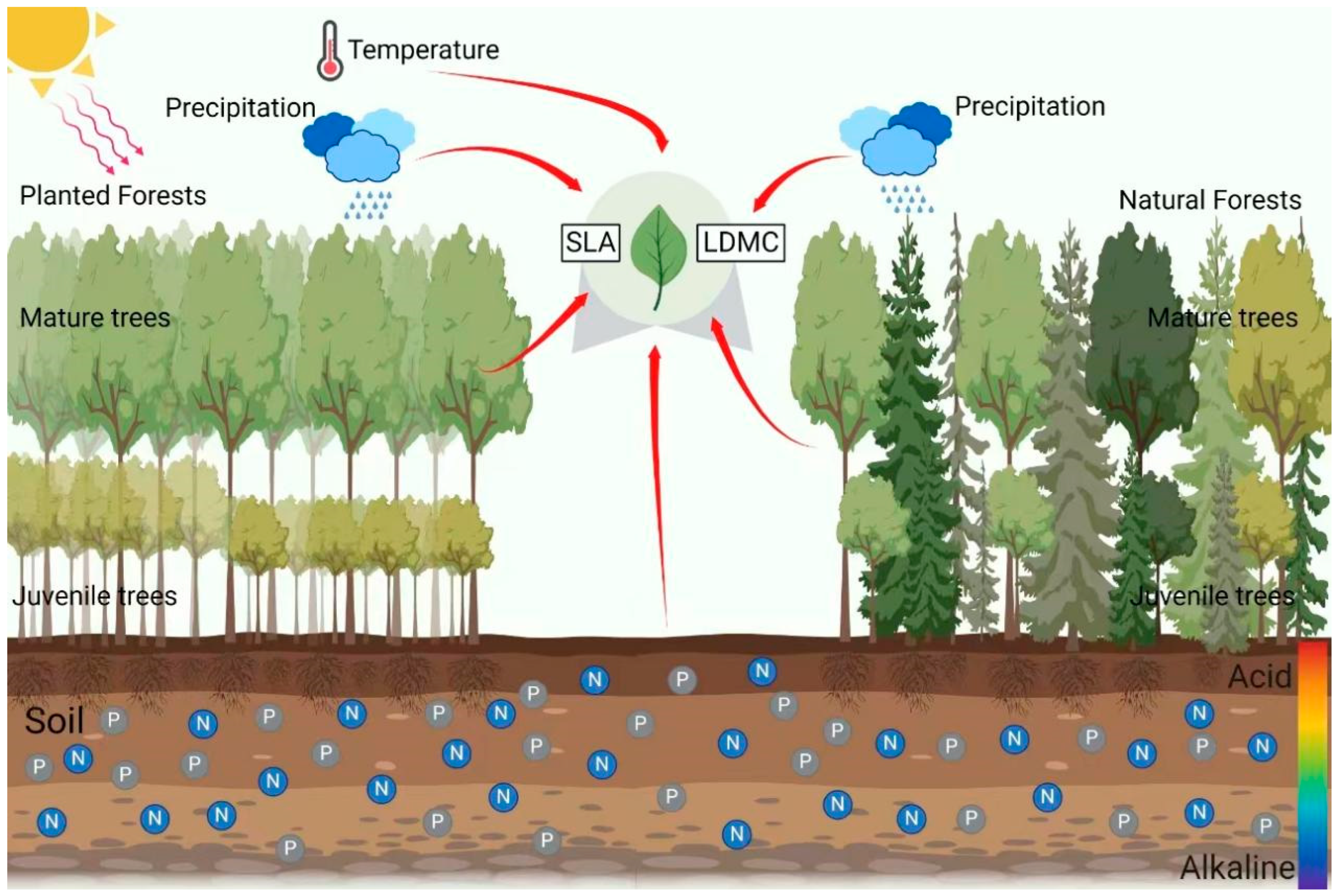
Traditional ecological models follow a top-down structure in which climate determines soil conditions, soil determines plant growth, and plants define ecosystem structure.
However, ecosystems are increasingly understood as feedback systems, where multiple components continuously influence one another.
Within this network, fungi modify soil chemistry, regulate nutrient availability, and influence plant interactions. These changes feed back into plant communities and ecosystem dynamics.
Rather than being shaped only from above, ecosystems emerge from constant interactions between visible organisms and hidden microbial networks.
Are Fungi Just Helpers or System Drivers?
How do fungi influence which plants survive and thrive?

Fungi are well known for forming mycorrhizal partnerships with plants, exchanging nutrients for carbon. But their role extends beyond simple cooperation.
Fungal communities can determine which plants gain access to essential nutrients such as phosphorus and nitrogen. By controlling these resources, fungi indirectly influence plant competition and survival.
Some fungal networks enhance drought tolerance in specific plants, giving them an advantage under environmental stress. As a result, two ecosystems with similar climate and soil conditions may develop very different plant communities depending on their fungal composition.
Fungi do not simply support ecosystems. They help decide their outcomes.
Diversity as Ecological Control
Why does fungal diversity affect how ecosystems behave?


Fungal communities are highly diverse, and different species perform distinct ecological functions.
Some fungi specialize in decomposing organic matter and releasing nutrients back into the soil. Others form close symbiotic relationships with plant roots, acting as nutrient intermediaries. Additional groups influence soil structure, water retention, and microbial balance.
When this diversity changes, ecosystem behavior changes as well. Nutrient cycling patterns shift, plant communities reorganize, and carbon storage dynamics are altered.
Fungal diversity therefore represents more than biodiversity. It acts as a control system that influences how ecosystems function and respond to change.
How Does Climate Change Interact with Fungi?
Why are fungi central to climate-driven ecosystem shifts?


Fungi respond rapidly to environmental changes such as temperature increases and shifts in moisture levels.
These changes can restructure fungal communities, favoring certain species while suppressing others. As fungal composition shifts, nutrient cycling processes are altered, plant–fungal relationships reorganize, and soil carbon dynamics change.
This creates a cascading effect in which climate influences fungi, fungi reshape plant systems, and ecosystems adjust accordingly.
In this chain, fungi act as a biological translation layer, converting environmental change into ecological outcomes.
Why This Changes How We Think
Why are fungi often overlooked in environmental science and policy?
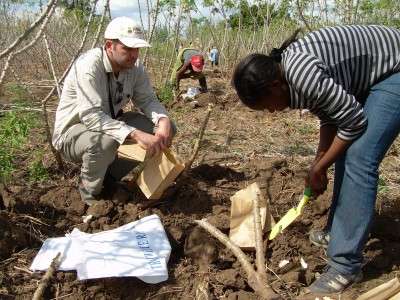
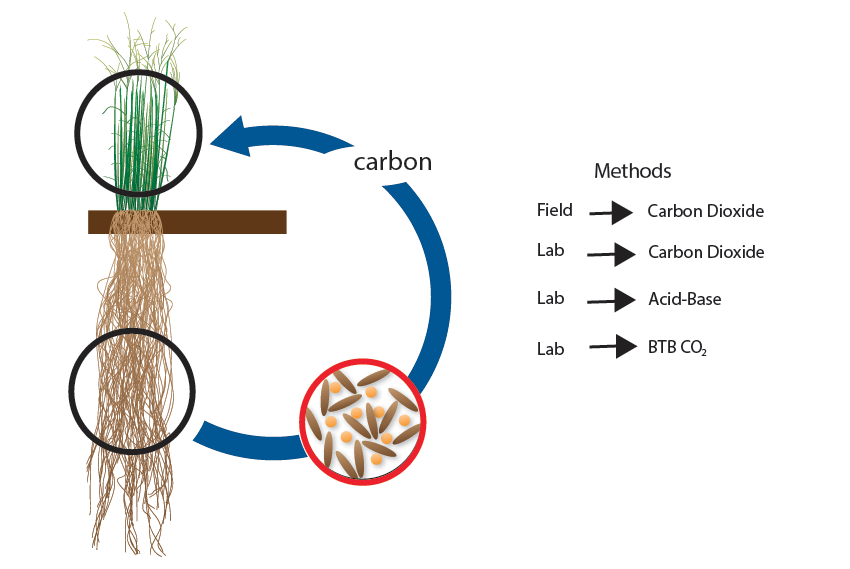
Despite their importance, fungi are frequently underrepresented in ecological models and decision-making frameworks.
Climate science often focuses on plant behavior and carbon flux while overlooking fungal processes that regulate both. Agricultural systems rely heavily on fertilizers and irrigation, often ignoring fungal networks that naturally improve nutrient efficiency. Ecosystem restoration efforts may fail when fungal communities are not restored alongside plant life.
Recognizing fungi as a foundational layer of ecosystems highlights a major gap in how environmental systems are understood and managed.
The Underground Network
What role do fungal networks play in ecosystem stability?
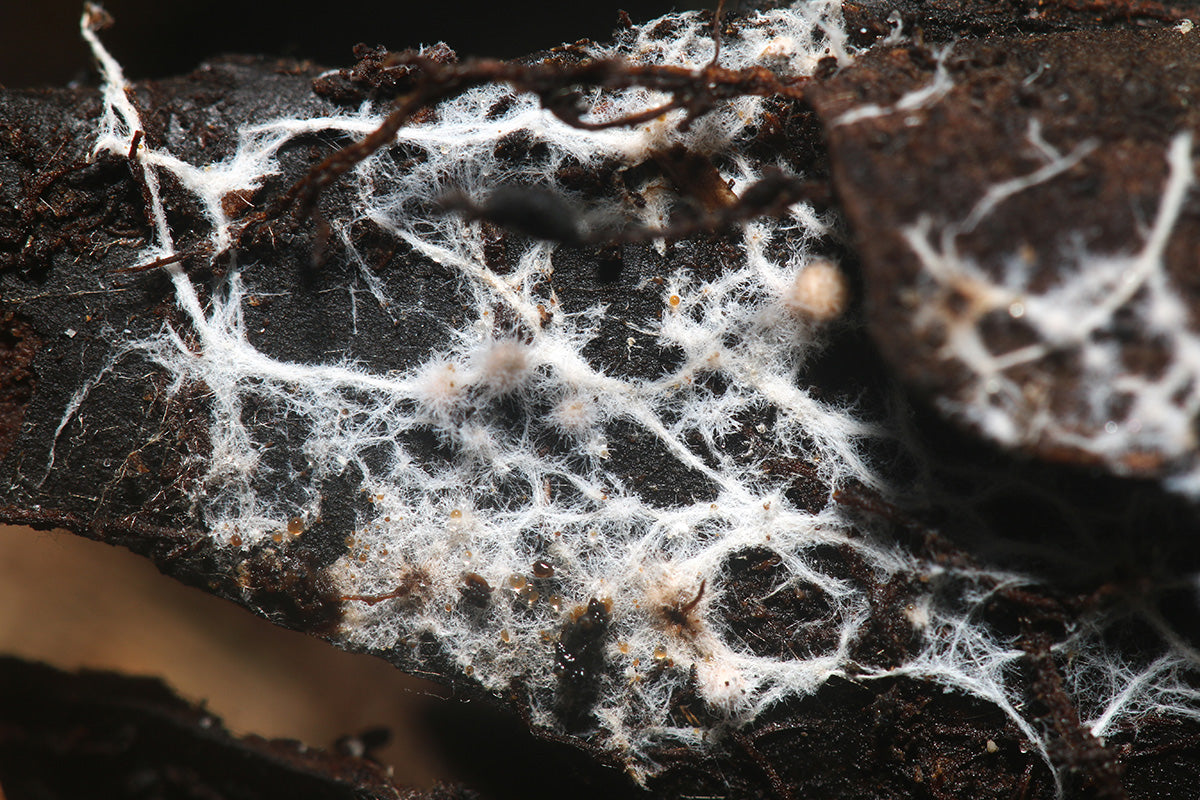
Beneath every ecosystem lies a dense web of fungal hyphae forming interconnected networks.
These networks link plant roots, redistribute nutrients, influence microbial communities, and stabilize soil structure. They are dynamic systems that adapt to environmental conditions and help regulate ecological processes over time.
Despite their importance, these networks remain largely invisible in policy, underrepresented in research frameworks, and overlooked in public awareness.
Shifting toward a network-based understanding of ecosystems may be essential for addressing environmental challenges.
MoldNewsHub Takeaway
Why should fungi be considered ecosystem architects?
Fungi regulate how nutrients flow, how plants interact, and how ecosystems respond to stress. Their influence extends across soil chemistry, plant competition, and carbon storage.
They are not simply components of ecosystems. They help define how ecosystems function.
As environmental pressures increase, understanding fungal networks will be critical for predicting ecological change, improving agricultural systems, and restoring degraded landscapes.
The structure of ecosystems is not only shaped above ground. It is written in the networks beneath them.
❓ FAQ
What does it mean that fungi are “ecosystem architects”?
It means fungi actively shape how ecosystems function by influencing nutrient cycles, plant competition, and soil processes, rather than simply responding to environmental conditions.
How do fungi affect plant growth?
Fungi regulate access to nutrients such as phosphorus and nitrogen and can enhance plant tolerance to stress, influencing which species thrive.
Why is fungal diversity important?
Different fungal species perform different ecological roles. Changes in fungal diversity can alter nutrient cycling, plant communities, and ecosystem stability.
How does climate change affect fungi?
Climate shifts can change fungal community composition, which in turn affects plant systems and ecosystem behavior through altered nutrient and carbon dynamics.
Why are fungi often overlooked in ecology?
Because they are mostly invisible and harder to study, ecological models and policies have traditionally focused on plants and animals, underestimating fungal influence.
Key Takeaways
- Please login Are fungi quietly designing how ecosystems behave?
- Climate shapes soil, soil supports plants, and plants build ecosystems.
- Instead of reacting to ecosystems, fungi appear to actively shape them.
- This emerging perspective suggests that fungi are not just participants in ecological systems.
- However, ecosystems are increasingly understood as feedback systems, where multiple components continuously influence one another.
Frequently Asked Questions
What should you know about please login to bookmark?
Please login Are fungi quietly designing how ecosystems behave?
What should you know about a Shift in Ecological Thinking?
For decades, ecology has followed a familiar narrative. Climate shapes soil, soil supports plants, and plants build ecosystems. Fungi, in this model, are cast as background organisms—decomposers or silent partners beneath the surface.
Are fungi passive participants or active ecosystem architects?
For decades, ecology has followed a familiar narrative. Climate shapes soil, soil supports plants, and plants build ecosystems. Fungi, in this model, are cast as background organisms—decomposers or silent partners beneath the surface.
What should you know about a New Ecological Blueprint?
Traditional ecological models follow a top-down structure in which climate determines soil conditions, soil determines plant growth, and plants define ecosystem structure.
How do fungi reshape traditional ecosystem models?
Traditional ecological models follow a top-down structure in which climate determines soil conditions, soil determines plant growth, and plants define ecosystem structure.