
For years, we trusted that the food on our tables was safe.
Governments assured us that regulations, testing, and recalls would protect us. But the world has changed, and those promises no longer hold up.
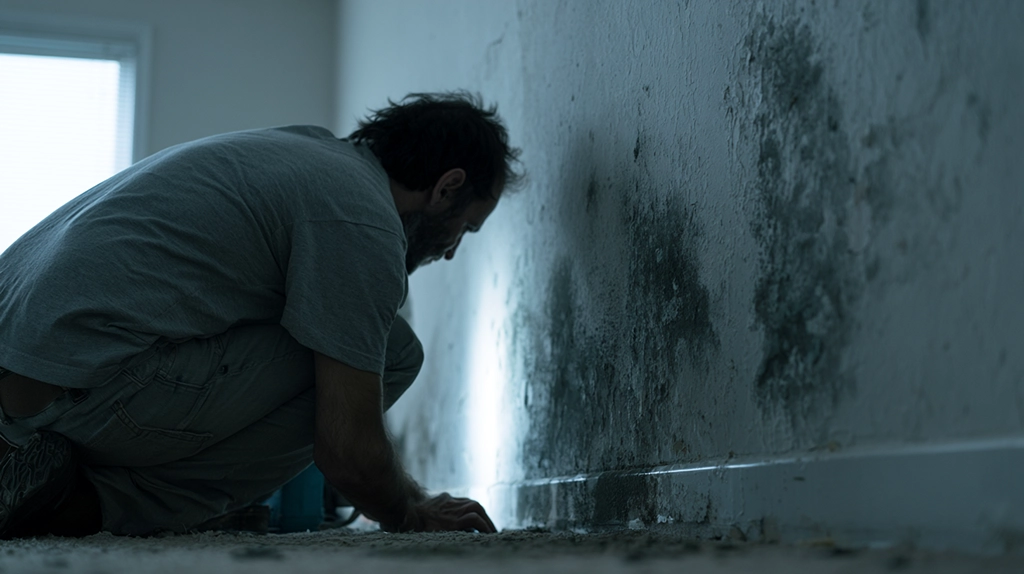
Extreme weather, fungal contamination, and global supply chain issues are making food less safe, and the old ways of regulating contamination are failing. Recalls are increasing, food prices are rising, and families are left wondering: How do we protect ourselves when the system designed to keep us safe is broken?
But we don’t have to feel powerless. As a community, we can take action—not just by making safer choices for our families, but by demanding that food safety be treated as the urgent priority it is.

Source: Wikimedia Commons, CC BY-SA 4.0
Why Food Safety is No Longer Guaranteed
For decades, food safety laws were built for a different time—when weather was predictable, farms were local, and contamination risks could be managed. That’s no longer the world we live in.
- Extreme weather events create perfect conditions for fungal pathogens that contaminate crops.
- The overuse of pesticides and fungicides has led to stronger, resistant strains of contamination.
- International trade means even if one country enforces strict food safety rules, contaminated products can still enter the global market.
Governments react instead of prevent, meaning recalls happen after food has already been eaten.
Imagine bringing home a bag of flour, baking bread for your family, only to find out a week later it was contaminated. Picture packing your child’s lunch, then seeing a news alert that the fruit you bought has been recalled.
This isn’t just an issue for farmers or regulators—it’s a problem affecting every household.

Source: Wikimedia Commons, CC BY-SA 3.0
What This Means for Us—And Our Grocery Bills
Food safety isn’t just about avoiding recalls—it’s about whether we’ll have enough safe food at all.
- When contamination spreads, entire crops can be rejected, driving up food prices.
- Countries with strict food safety rules may reject contaminated shipments, but that food often gets rerouted to markets with weaker regulations—making food safety an issue of inequality.
- Small and mid-sized farms, unable to afford costly mycotoxin testing, may shut down, leaving fewer options and more control in the hands of big corporations.
The cost isn’t just financial—it’s health-related too. Long-term exposure to contaminated food has been linked to chronic illness, weakened immune systems, and developmental issues in children.
So, while we worry about what’s in our food, we also worry about whether we can afford it.

Source: Wikimedia Commons, CC BY-SA 4.0
What We Can Do as a Community
We don’t just feed ourselves—we feed families, friends, and entire communities. While we can’t personally rewrite food safety laws, we can take meaningful action:
Make informed choices. Support local farms with safe practices, and look for brands that test for contaminants.
Raise awareness. Share food recall notices—many people miss them until too late.
Demand better policies. Push for stronger food safety standards, better mycotoxin monitoring, and trade rules that stop contaminated food from being dumped on vulnerable markets.
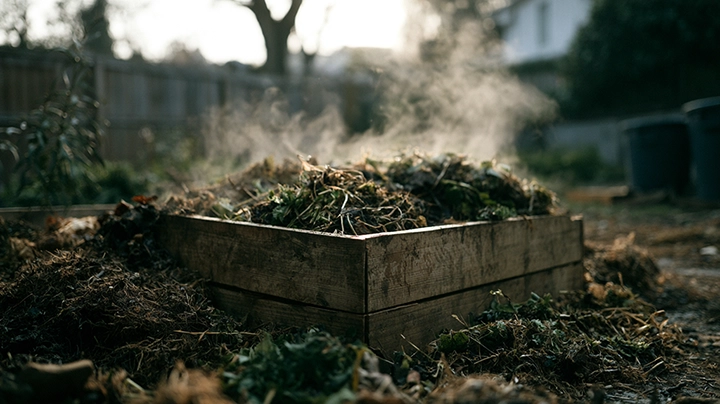
Create safer habits at home. Store food properly, wash produce thoroughly, and use airtight containers to prevent mold growth.
Teach the next generation. Help children understand safe food handling and where their food comes from.

Source: Wikimedia Commons, CC BY-SA 3.0
Final Thought: We Deserve Better, and We Can Demand It
No one should have to second-guess whether their food is safe. No one should have to rely on luck to avoid contamination.
We can’t fix the global food system overnight, but we can take small, powerful steps—staying informed, supporting better farming practices, and demanding stronger regulations.
Because food safety isn’t just about avoiding sickness—it’s about protecting our families, our wallets, and our future.
What are your biggest concerns about food safety? Let’s talk about it and work together toward solutions.

Source: Wikimedia Commons, CC BY-SA 4.0
References
- FAO – Food Safety
- WHO – Food Safety Fact Sheet
- CDC – Mycotoxins
- WHO – Immune System
- Food Safety – Wikipedia
- Mycotoxin – Wikipedia
- Wikimedia Commons images:
- Food recall notice (CC BY-SA 4.0)
- Spoiled fruit (CC BY-SA 3.0)
- FAO food price index chart (CC BY-SA 4.0)
- Farmers market produce (CC BY-SA 3.0)
- Child eating healthy food (CC BY-SA 4.0)
Key Takeaways
- Governments assured us that regulations, testing, and recalls would protect us.
- Extreme weather, fungal contamination, and global supply chain issues are making food less safe, and the old ways of regulating contamination are failing.
- As a community, we can take action—not just by making safer choices for our families, but by demanding that food safety be treated as the urgent priority it is.
- Imagine bringing home a bag of flour, baking bread for your family, only to find out a week later it was contaminated.
- This isn’t just an issue for farmers or regulators—it’s a problem affecting every household.
Frequently Asked Questions
What should you know about for years, we trusted that the food on our tables was safe.?
Governments assured us that regulations, testing, and recalls would protect us. But the world has changed, and those promises no longer hold up.
Why Food Safety is No Longer Guaranteed?
For decades, food safety laws were built for a different time—when weather was predictable, farms were local, and contamination risks could be managed. That’s no longer the world we live in.
What This Means for Us—And Our Grocery Bills?
Food safety isn’t just about avoiding recalls—it’s about whether we’ll have enough safe food at all.
What We Can Do as a Community?
We don’t just feed ourselves—we feed families, friends, and entire communities. While we can’t personally rewrite food safety laws, we can take meaningful action:
What should you know about final Thought: We Deserve Better, and We Can Demand It?
No one should have to second-guess whether their food is safe. No one should have to rely on luck to avoid contamination.