
Rewriting the Opening Chapters of Life
Every now and then, science hands us a story that changes how we see everything beneath our feet. The latest comes from a group of evolutionary biologists who have redrawn the fungal family tree — or more accurately, pushed its roots far deeper than anyone expected.
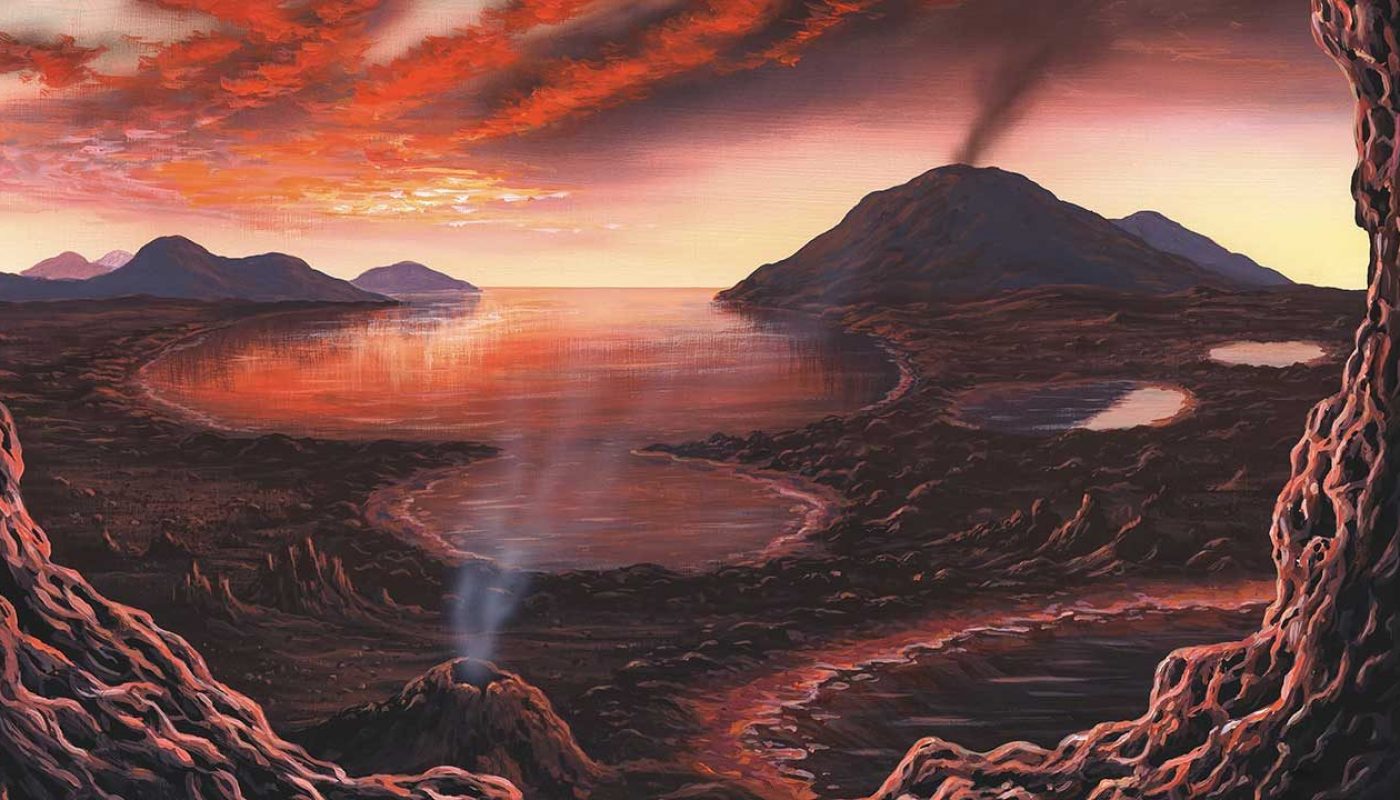
According to this new research, the last common ancestor of today’s fungi lived not just before forests, or even mossy wetlands, but possibly 1.4 billion years ago. For context, that’s hundreds of millions of years before plants ever set root on land, and well before animals crawled out of the sea. Fungi, it seems, may have been quietly at work, reshaping the planet while the rest of life was still deciding how to divide or where to swim.
How Did Scientists Redraw the Fungal Timeline?


The team from the Okinawa Institute of Science and Technology didn’t just rely on a few rare fossils. They combined the best available fossil evidence with something a bit more modern: the “footprints” left behind by horizontal gene transfers — genetic handshakes passed between distant branches of life.
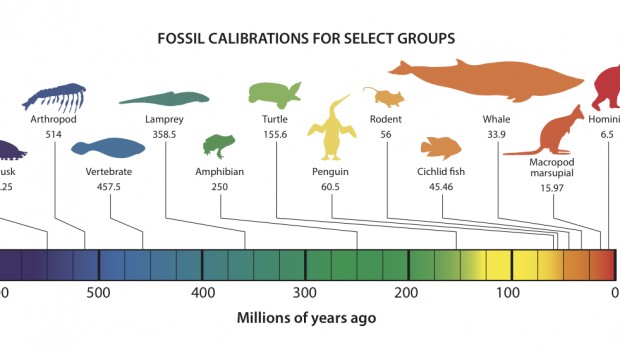
Fossil calibrations helped set the earliest dates, while gene transfer events anchored key splits in the fungal lineage. The result: a new, more precise evolutionary clock. Their analysis now places the dawn of fungi between 900 million and 1.4 billion years ago — pushing fungal origins hundreds of millions of years deeper into Earth’s history than previous models.
It’s a staggering number. But what does it actually mean for us, or for the world we know?
Fungi: Not Just Decomposers, But Earth’s First Engineers

For decades, fungi were seen as nature’s cleanup crew, showing up after the fact to break down fallen wood or decaying leaves. This new timeline changes the story entirely.
If fungi were already diverse and active before plants colonized land, it means the earliest soils may have been shaped — not by roots, but by fungal threads. Modern soil fungi are experts at breaking down minerals, releasing nutrients, and binding particles together.
The implication is that, long before any leaf or grass blade softened the surface of the continents, fungi were already there, creating the first biological soils and quietly preparing the ground for everything that followed.
It’s a subtle but profound shift: fungi as primary “ecosystem engineers,” not just late arrivals living off plant leftovers.
The Bigger Picture: Fungi and the Puzzle of Complex Life


One reason this story matters so much is because fungi are one of just five major lineages to evolve complex multicellularity — a club that includes animals, land plants, brown algae, and red algae.
Pinning down when fungi diversified helps scientists understand not just fungal history, but the broader evolution of life’s architecture.
If fungi were among the first to build multicellular bodies and spread across the continents, it suggests their early innovations may have influenced the course of life for everything else. The timeline gives us clues about when the machinery for complex life — communication between cells, coordinated growth, the beginnings of true tissues — came together on Earth.
It’s humbling to realize that while the spotlight often falls on towering redwoods or ancient trilobites, the truly pioneering work might have been happening underground, hidden from view, in a kingdom of threads and spores.
How Reliable Is the New Timetree?

Like all big advances in evolutionary science, this new fungal timeline comes with caveats.
Fungal fossils are notoriously scarce — their bodies rarely fossilize well, and when they do, it’s often a puzzle just to identify them. Molecular clocks, meanwhile, depend on assumptions about how quickly genetic changes accumulate, and these rates can shift as new data comes in.
The researchers tackled this uncertainty by adding gene transfer events to the fossil evidence, tightening their estimates and cross-checking the timeline. Even so, they’re the first to admit that these numbers are best understood as well-informed hypotheses, not final answers.
The ecological roles of early fungi are still inferred, based on what their modern descendants do — breaking down rock, releasing nutrients, and building the foundation for soils.
What’s clear, though, is that this new approach brings us closer than ever to understanding how, and when, fungi became a driving force on Earth.
What This Means for Our View of Earth’s Past
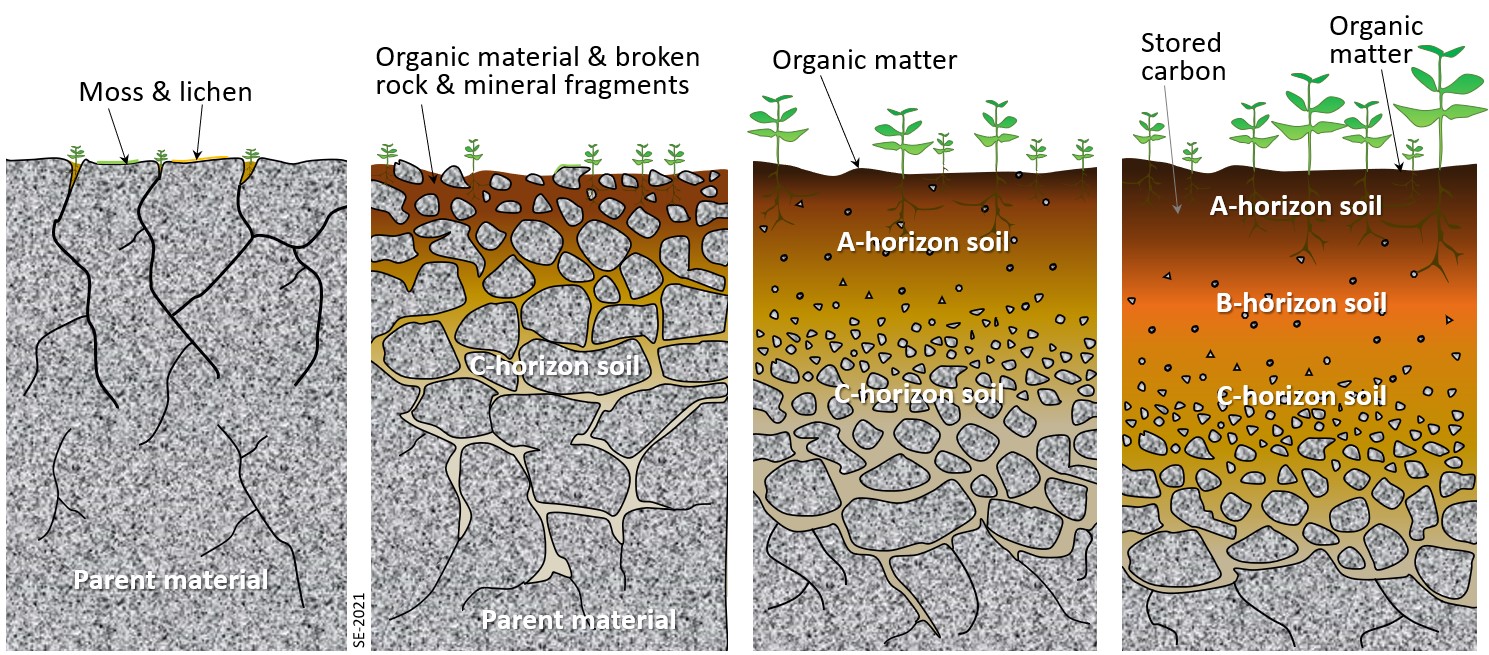
If fungi arrived on land long before plants, it reorders the sequence of life’s great innovations.
It suggests that before lush forests or animal migrations, a vast invisible network was already at work, turning sterile rock into something living.
Modern soils are complex, living systems — but their earliest origins may have been spun by fungi, patiently transforming Earth’s crust grain by grain.
This perspective recasts fungi from supporting characters into lead architects of the terrestrial world. Their early appearance likely made it possible for land plants to take root and thrive, and for animals to eventually follow.
As a lifelong admirer of resilience and quiet persistence, I find this possibility both humbling and thrilling. It’s a reminder that the biggest changes don’t always begin with the loudest voices. Sometimes, it’s the silent workers — the ones who lay the groundwork — that shape everything that comes after.
A Closing Reflection


What I love about stories like this is how they challenge us to see the world differently.
Fungi are easy to overlook, whether you’re looking at a field, a forest, or a microscope slide.
But when you step back and ask where the real transformations began, it turns out they’ve been there from the very start — pioneers, architects, quiet engineers.
This new fungal timetree invites us to honor the overlooked, to stay curious, and to remember that every thriving landscape has a deep and sometimes invisible history.
If fungi were building the stage for life a billion years ago, maybe we ought to pay them a little more attention today.
References
Academic References
- Lücking R, Hibbett DS, et al. Fungal evolution and the origin of multicellularity. Mycologia.
- Berbee ML, Taylor JW. Dating the molecular clock of fungi. Fungal Biology Reviews.
- Parfrey LW et al. Estimating the timing of early eukaryotic diversification. PNAS.
Official / Institutional Sources
- Okinawa Institute of Science and Technology (OIST) — Evolutionary Genomics Unit
- USGS — Precambrian Earth resources
- NASA Earth Observatory — Early Earth reconstructions
Image Sources (CC0 / CC BY / Public Domain)
- Early Earth & Precambrian landscapes — Pixabay / NASA (Public Domain)
- Phylogenetic diagrams & gene transfer visuals — Wikimedia Commons (CC0 / CC BY)
- Soil fungi microscopy — Wikimedia Commons (CC0)
- Multicellularity evolution illustrations — OpenClipart / Rawpixel (CC0)
- Fossil calibration & molecular clock diagrams — Wikimedia Commons (CC0)
- Precambrian microbial life renderings — Pixabay / NASA (Public Domain)
- Fungal spores & symbolic soil hyphae — Pixabay / Unsplash (CC0)
Key Takeaways
- Every now and then, science hands us a story that changes how we see everything beneath our feet.
- Fungi, it seems, may have been quietly at work, reshaping the planet while the rest of life was still deciding how to divide or where to swim.
- Their analysis now places the dawn of fungi between 900 million and 1.4 billion years ago — pushing fungal origins hundreds of millions of years deeper into Earth’s history than previous models.It’s a staggering number.
- For decades, fungi were seen as nature’s cleanup crew, showing up after the fact to break down fallen wood or decaying leaves.
- It’s a reminder that the biggest changes don’t always begin with the loudest voices.
Frequently Asked Questions
What should you know about rewriting the Opening Chapters of Life?
Every now and then, science hands us a story that changes how we see everything beneath our feet. The latest comes from a group of evolutionary biologists who have redrawn the fungal family tree — or more accurately, pushed its roots far deeper than anyone expected.According to this new research, th
What should you know about fungi: Not Just Decomposers, But Earth’s First Engineers?
For decades, fungi were seen as nature’s cleanup crew, showing up after the fact to break down fallen wood or decaying leaves. This new timeline changes the story entirely.If fungi were already diverse and active before plants colonized land, it means the earliest soils may have been shaped — not by
What This Means for Our View of Earth’s Past?
If fungi arrived on land long before plants, it reorders the sequence of life’s great innovations.It suggests that before lush forests or animal migrations, a vast invisible network was already at work, turning sterile rock into something living.Modern soils are complex, living systems — but their e
What should you know about a Closing Reflection?
What I love about stories like this is how they challenge us to see the world differently.Fungi are easy to overlook, whether you’re looking at a field, a forest, or a microscope slide.But when you step back and ask where the real transformations began, it turns out they’ve been there from the very
What are the key findings about The Deep Roots of?
Every now and then, science hands us a story that changes how we see everything beneath our feet. The latest comes from a group of evolutionary biologists who have redrawn the fungal family tree — or more accurately, pushed its roots far deeper than anyone expected.According to this new research, th