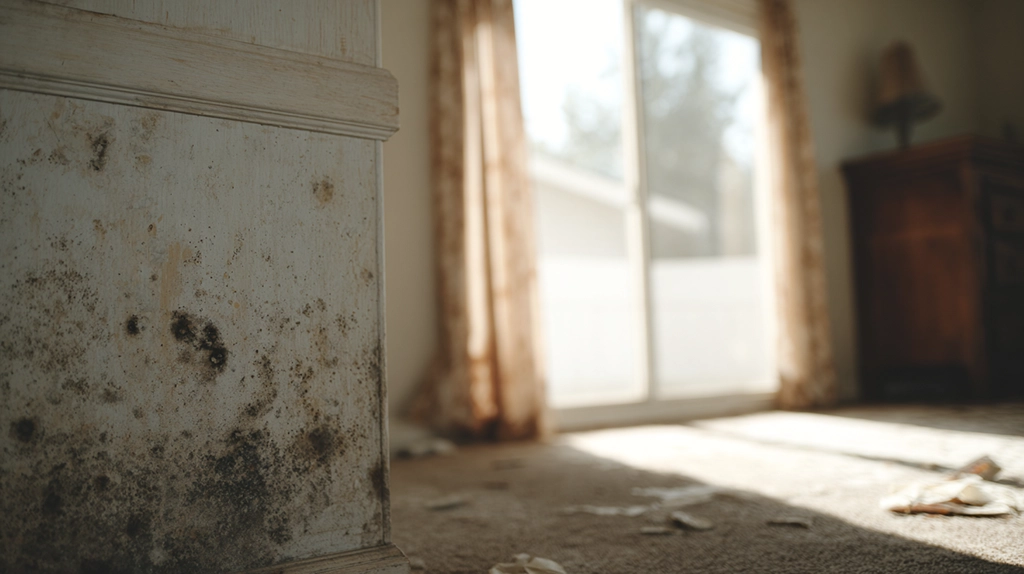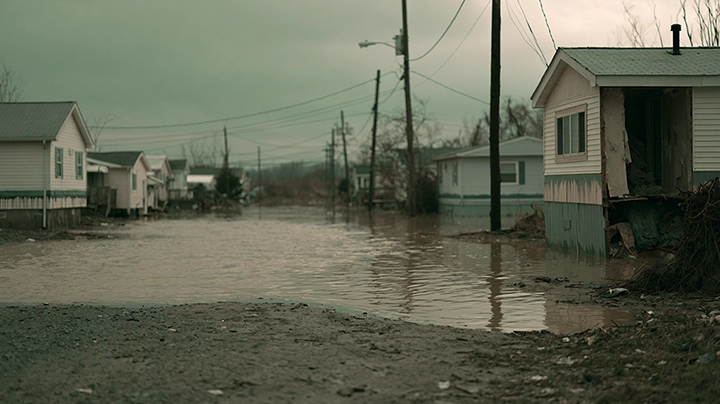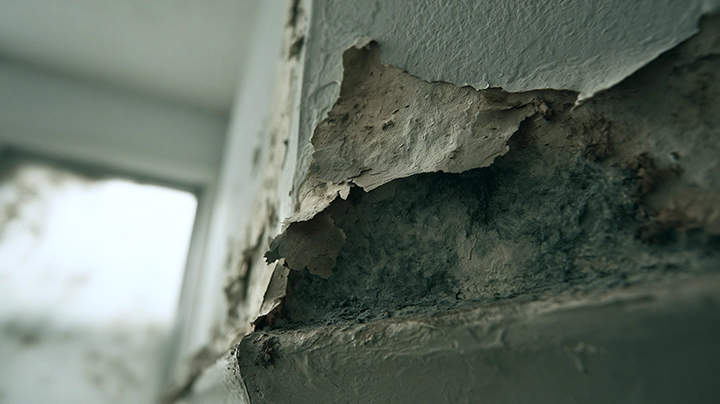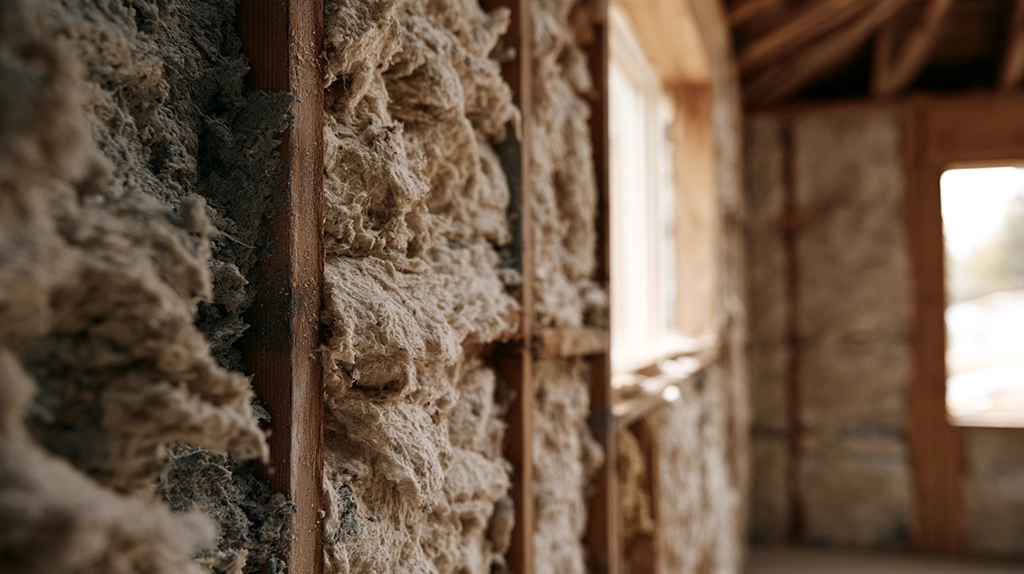
Bio-based insulation — hemp, wood fiber, cork, mycelium composites — addresses a real problem in construction. These materials reduce embodied carbon, draw on renewable inputs, and align with decarbonization targets the building industry cannot ignore. They are also, by biological definition, food. A review published in npj Materials Degradation makes this point clearly: once insulation derives from plant-based material, it stops behaving like an inert component and starts behaving like something fungi are evolved to break down. In humid climates, that distinction has consequences.
The Fundamental Difference Moisture Makes
Conventional synthetic insulation — glass fiber, mineral wool, closed-cell foam — does not provide nutrients. Bio-based insulation does. That distinction matters little in dry conditions, but changes the risk profile substantially when moisture enters the equation. Many bio-based products are hygroscopic: they absorb moisture from surrounding air, which is often marketed as a humidity-buffering benefit for indoor comfort. In practice, that buffering capacity can also slow drying when the material becomes saturated. In consistently humid climates — coastal regions, subtropical zones, parts of Southeast Asia — the baseline moisture environment differs significantly from the temperate or cold conditions where many bio-based products were originally developed and tested. A material that dries adequately in northern Europe may retain moisture long enough in a humid subtropical building to support fungal colonization within days to weeks.

The Testing Gap the Industry Has Not Solved
The review identifies a structural problem in how mold resistance is evaluated across bio-based insulation products: there is no universal testing standard. Different studies use different fungal species, different humidity levels, different exposure durations, and different evaluation methods. Some measure visual mold growth. Others measure spore production, biomass accumulation, or enzymatic activity. Each approach is valid in isolation; together, they produce data that cannot be meaningfully compared. Two products can each be described as “mold-resistant” based on entirely different testing conditions. A product that performed well in a 28-day accelerated laboratory test may behave very differently after two years in a real wall assembly exposed to seasonal wetting and drying cycles. The gap between laboratory performance and field performance tends to become visible only after installation — when correction is expensive.
Buildings Do Not Operate Under Controlled Conditions
Thermal modeling and moisture design often assume relatively stable conditions. Real buildings do not work that way. Moisture enters wall assemblies through air infiltration, vapor diffusion, and construction imperfections. Temperature gradients create localized condensation zones inside assemblies. Drying rates depend on material permeability, interior vapor control, and exterior climate exposure. When bio-based insulation is placed inside these systems, it responds to wetting and drying cycles that may repeat dozens of times per year. Fungal spores are present in construction environments as a baseline condition — they do not need to be introduced. What determines whether colonization occurs is whether the material remains damp long enough, often enough, to allow establishment.
Performance Depends on the Full System, Not Just the Material

The review does not conclude that bio-based insulation should be avoided. It concludes that the decision to use these materials needs to account for the full building system — climate conditions, envelope design, vapor control strategy, construction quality, and maintenance practices — rather than treating material selection as a standalone choice. A hemp insulation panel that performs reliably in a well-designed passive house in a temperate climate may be poorly suited to a standard wall assembly in a coastal high-humidity zone without additional design consideration. Mold resistance needs to be treated as a primary design criterion for bio-based materials — as fundamental as thermal performance and fire resistance — rather than a secondary characteristic addressed by product labeling. This requires standardized testing protocols that reflect real climate conditions, longer field study data, and closer coordination between material engineers, building scientists, and mycologists who understand how the relevant fungal species actually behave on organic substrates over time.
Frequently Asked Questions
What is bio-based insulation?
Bio-based insulation refers to thermal insulation materials derived from plant or biological sources — including hemp fiber, wood fiber, cellulose, cork, straw, and mycelium composites. These materials are used as lower-carbon alternatives to synthetic insulation such as glass fiber or mineral wool.
Why is bio-based insulation more vulnerable to mold than synthetic alternatives?
Synthetic insulation materials like glass fiber and mineral wool do not provide nutrients for fungal growth. Bio-based materials are composed of organic compounds — cellulose, lignin, hemicellulose — that fungi are evolved to break down. When moisture enters a wall assembly and saturates bio-based insulation, conditions for fungal colonization are present in a way they would not be with inorganic materials.
Does bio-based insulation always develop mold?
Not necessarily. In dry climates with well-designed building envelopes and controlled moisture conditions, bio-based insulation can perform reliably. The concern is greatest in humid climates, poorly designed wall assemblies, or buildings with air infiltration or vapor control problems that allow sustained moisture accumulation.
What should builders consider before using bio-based insulation in humid climates?
Key considerations include the material’s hygroscopic behavior, the drying potential of the wall assembly, the interior vapor control strategy, and the specific climate exposure. Mold resistance test data should be reviewed critically — including the humidity levels, duration, and fungal species used — to assess whether laboratory results are applicable to the actual building environment.