The “Black Mold” Label Distorts the Science
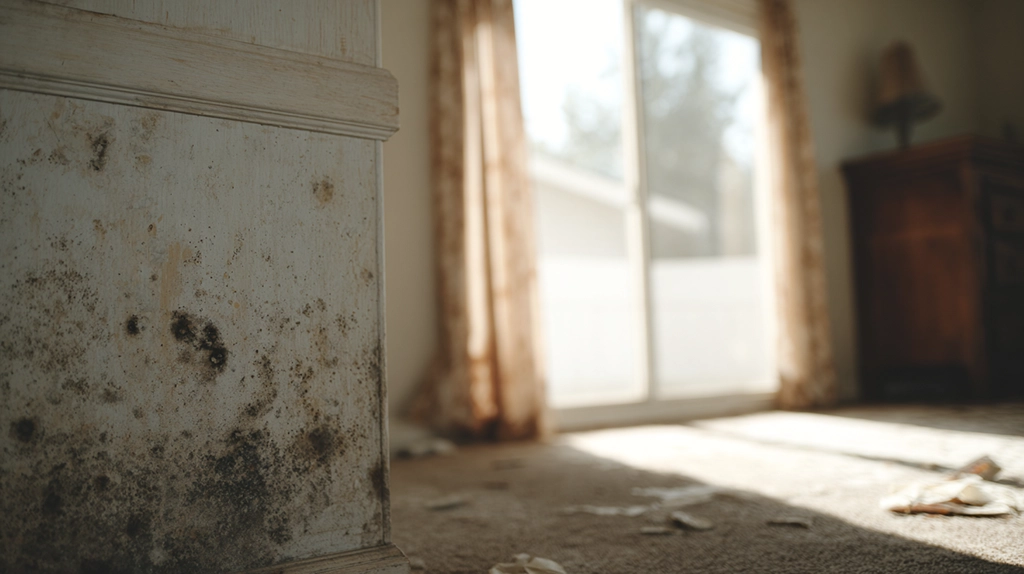
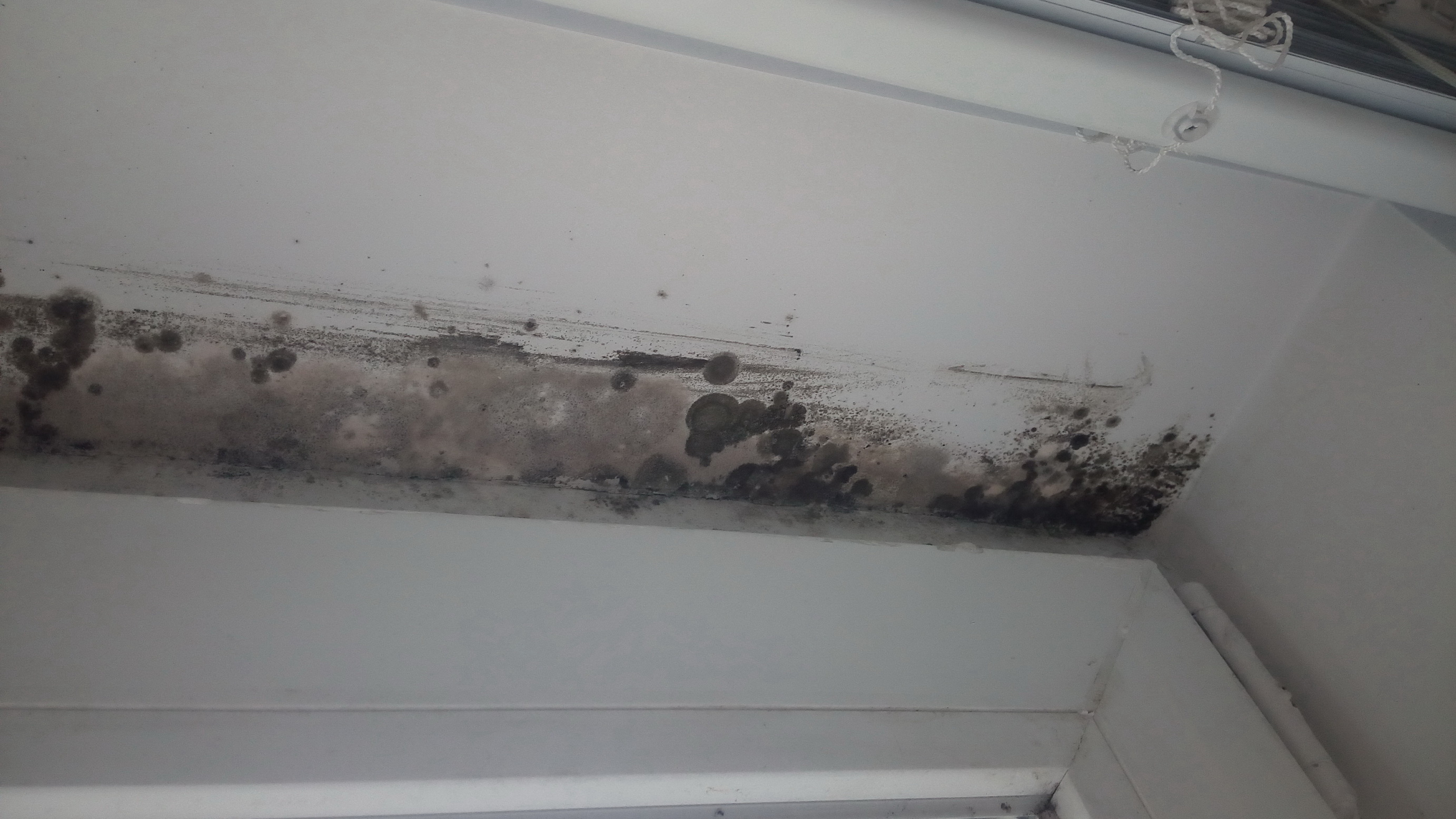
Few indoor molds carry a reputation as alarming as Stachybotrys chartarum. Phrases such as “toxic black mold” or “deadly mold” are memorable, but they misrepresent the biology. S. chartarum is a real indoor mold associated with chronically wet building materials, and some strains can produce mycotoxins under suitable conditions. However, a dark patch on a wall does not prove this species is present, and colony color cannot predict how any individual will respond to exposure.
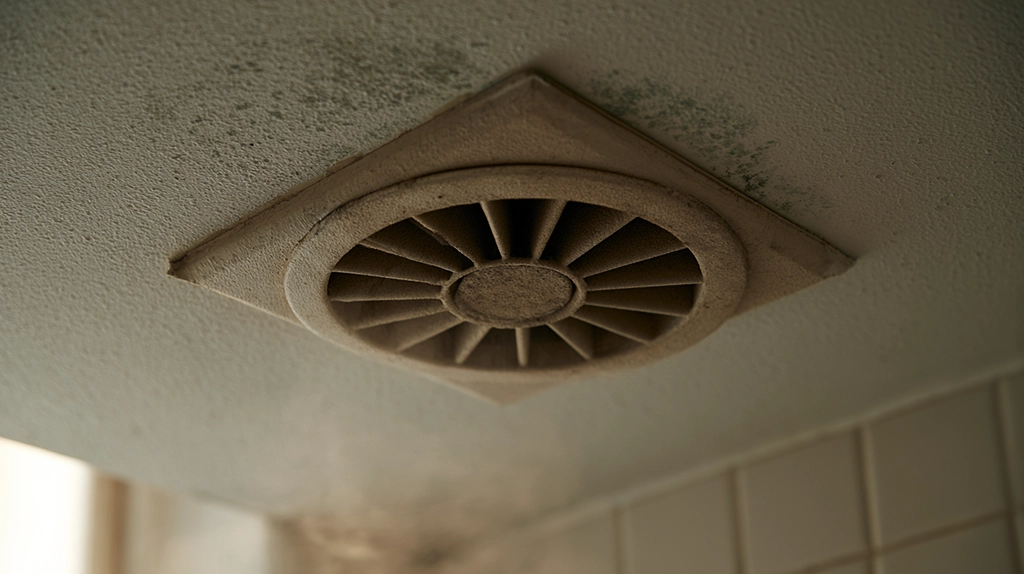
Many unrelated molds — Cladosporium, Alternaria, Aspergillus, and others — can form dark colonies on walls, window frames, fabrics, and dusty surfaces. The most important diagnostic clue is not darkness; it is moisture history. When S. chartarum establishes itself indoors, the building has typically provided sustained water, limited drying, and a cellulose-rich substrate such as paper-faced drywall, cardboard, wallpaper, fiberboard, or ceiling tile.
What Is Stachybotrys chartarum?
Stachybotrys chartarum is a filamentous fungus that grows as branching networks of hyphae forming a visible colony. The species also appears in older literature under the name Stachybotrys atra, though modern sources use the current designation. Like other molds, it reproduces through microscopic spores that can germinate on a compatible, moisture-rich surface.

CDC guidance explains that S. chartarum and other molds should be addressed through the same basic public-health principle: mold growth signals a moisture problem that requires correction. The CDC also cautions that no laboratory or clinical test can establish that S. chartarum caused a specific person’s symptoms simply because the mold was found in a building. Identifying the species may assist a building investigation, but it does not replace medical evaluation, moisture assessment, or proper remediation.
Why Cellulose Materials and Sustained Moisture Matter
The indoor habitat of S. chartarum is closely tied to cellulose — the structural material in plants and in many paper-based building products. Paper-faced gypsum board, wallpaper backing, cardboard, fiberboard, ceiling tiles, and some insulation facings can all provide nutrients when they remain wet. The fungus is particularly associated with prolonged water damage rather than brief condensation that dries within hours.
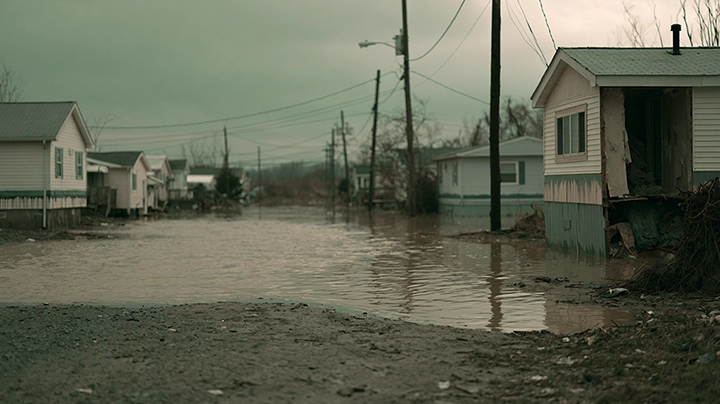
A slow plumbing leak, repeated roof intrusion, soaked drywall, floodwater exposure, or a wall cavity that stays damp for weeks creates the conditions this species requires. Its presence may therefore indicate that moisture was not merely present — it remained present long enough for a slow-growing, cellulose-associated mold to establish itself. Building investigation should cover more than the visible surface: roofs, plumbing, exterior walls, drainage, insulation, ventilation, and hidden wall cavities may all require attention.
The Mycotoxin Question
Some strains of S. chartarum can produce mycotoxins. Research has identified different chemical groups, or chemotypes, within the species — one associated with macrocyclic trichothecenes such as satratoxins, another with metabolites called atranones. This variation matters because two colonies that look identical may not produce the same chemical profile.
However, the biological capacity to produce a toxin does not mean every colony is continuously generating harmful amounts, that compounds are becoming airborne at a toxic dose, or that every exposed person will become ill. “Toxigenic” describes a capability, not a guaranteed outcome. Actual risk depends on the strain, environmental conditions, extent of growth, route and duration of exposure, disturbance of contaminated material, and the health status of the people present. This is why evidence-based health agencies avoid diagnosing “toxic mold illness” from color, odor, or a single building test alone.
Health Effects: What the Evidence Supports
The clearest health message concerns damp and moldy buildings in general. Indoor mold exposure may contribute to nasal irritation, coughing, wheezing, sore throat, eye irritation, skin symptoms, allergic reactions, and worsening asthma in susceptible people. CDC guidance acknowledges that damp and moldy environments can cause health effects in some individuals while producing no obvious symptoms in others — individual response varies substantially.
The UK government treats damp and mould as a housing and health issue rather than focusing on a single species. Following the death of Awaab Ishak and the introduction of Awaab’s Law, the legal response to serious damp in English social housing has strengthened considerably. In India, monsoon-related medical reporting regularly connects high indoor humidity with worsening respiratory outcomes for people with asthma or chronic obstructive pulmonary disease. The scientifically responsible conclusion is broader than any species label: living in a persistently damp, mold-contaminated building is undesirable regardless of which fungi dominate the wall.
Spore Behavior and the Limits of Air Sampling
One distinctive characteristic of S. chartarum is that its spores are often held in moist, sticky masses rather than released freely into the air. Many common indoor molds shed dry spores easily into moving air. S. chartarum spores may remain attached when a colony is wet and undisturbed, so a routine short-term air sample can fail to capture significant counts even when visible growth exists on damp building material.
Spores and fragments may become more airborne when colonies dry, when contaminated materials are cut or scraped, or when surfaces are demolished during cleanup. A low air-sampling result should not override visible evidence of water damage and fungal growth. If mold is growing on soaked drywall, that observation is already sufficient to justify moisture correction and appropriate material removal.
Hidden Growth, Cleanup, and the Water Rule
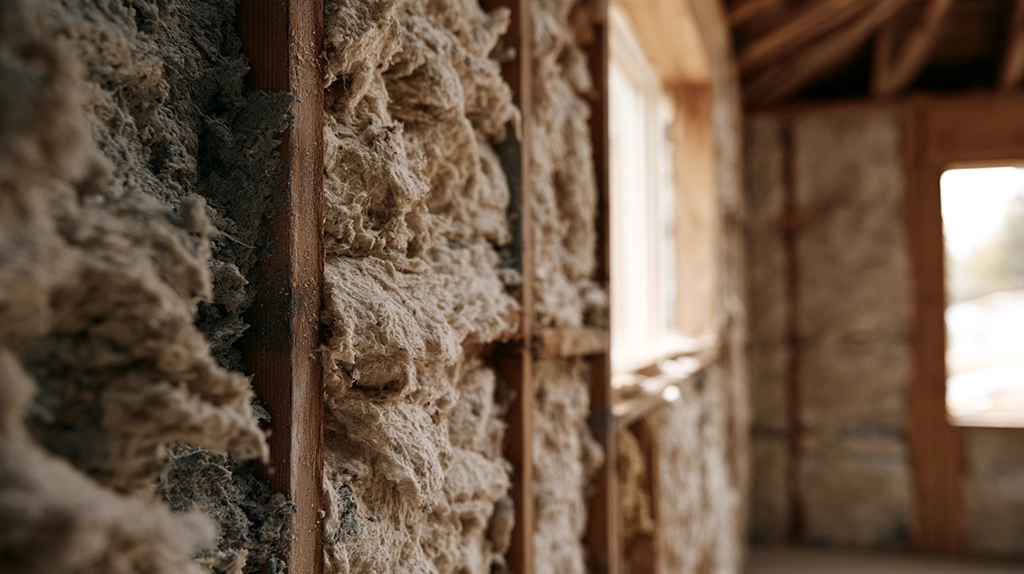
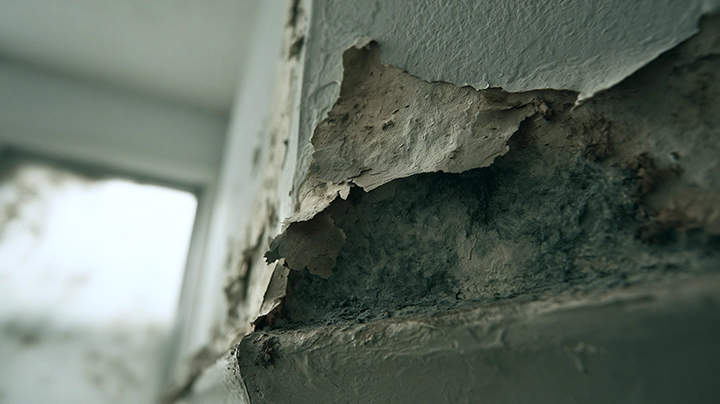
A small dark patch on painted drywall may represent only the visible edge of a larger problem. Water can travel behind wall coverings, beneath flooring, through insulation, and along framing. Warning signs of hidden contamination include recurring musty odor, soft or swollen drywall, peeling wallpaper, bubbling paint, stained ceiling tiles, warped baseboards, repeated regrowth after cleaning, and a history of plumbing leaks or flooding near an exterior wall or roofline.
Porous materials such as heavily contaminated drywall, ceiling tile, insulation, and fiberboard typically require removal rather than surface cleaning. Dry brushing, sanding, or demolishing moldy drywall without containment can distribute contamination throughout adjacent areas. People with asthma, significant mold allergy, chronic lung disease, or immune suppression should avoid participation in substantial cleanup work. The water source must be corrected before reconstruction begins — cleaning without drying is temporary, and painting over contamination is cosmetic.
The Same Biology, Different Moisture Pathways Worldwide
The biology of S. chartarum is consistent worldwide, but the moisture pathway varies by region. In the United States, hurricanes, plumbing failures, basement moisture, and poorly dried water damage are common contexts. In the United Kingdom, cold external walls, condensation, inadequate heating, and insufficient ventilation shape damp-building discussions. In Australia, tropical humidity, cyclones, and construction defects can create prolonged indoor dampness — recent reporting from the Northern Territory documented how persistent mould in a healthcare building became an occupational, remediation, and public-trust issue, not merely a cleaning problem. In India and Indonesia, monsoon rainfall, roof seepage, and flood exposure create seasonal moisture challenges with documented health burdens for affected communities.
Across every climate, the central principle remains the same: water must be stopped, wet material must be dried or removed, and buildings must not be allowed to remain chronically damp.
Frequently Asked Questions
What is Stachybotrys chartarum?
Stachybotrys chartarum is a filamentous fungus that grows on cellulose-rich materials — such as paper-faced drywall, cardboard, and wallpaper — when they remain wet for an extended period. It is commonly called black mold, though many other unrelated mold species can also appear dark. Color alone cannot confirm its presence or predict its health effects.
Is Stachybotrys chartarum always toxic?
No. Some strains have the biological capacity to produce mycotoxins under suitable conditions, but this does not mean every colony is actively generating harmful compounds or that every exposure results in toxic illness. Risk depends on the specific strain, the extent of contamination, whether material is disturbed during cleanup, and the health of the individuals present.
Can air testing miss Stachybotrys chartarum in a building?
Yes. Its spores are often held in sticky masses rather than released freely, so short-term air sampling may detect few spores even when significant growth exists on building materials. Visible water damage and fungal growth on drywall are themselves sufficient grounds to proceed with moisture correction and material removal — a low air count does not mean the building is safe.
What should I do if I find mold on drywall after a water leak?
First identify and stop the moisture source — without this step, any cleanup is temporary. Small, localized growth on an intact surface may be manageable with careful intervention, but heavily affected porous materials such as drywall, insulation, or ceiling tiles typically require removal. People with asthma, mold allergy, or weakened immunity should avoid direct involvement in significant cleanup work, and reconstruction should not begin before the building is fully dry.