
A Desert Menace Riding the Wind
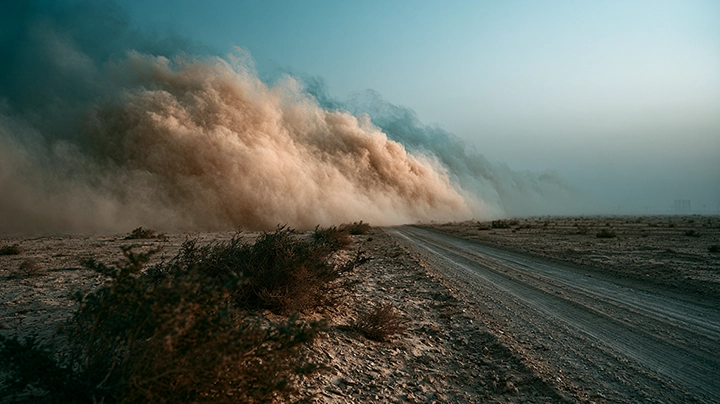
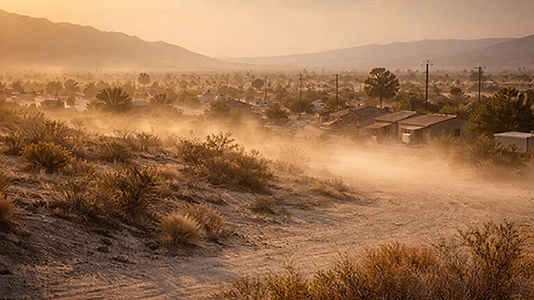
There’s a kind of romance to the open American West—the endless blue sky, the promise of adventure, the dust swirling in the afternoon sun. But as I’ve learned, what rides on that wind isn’t just stories and dreams. Sometimes, it’s danger—microscopic and nearly invisible. Valley Fever, once a local oddity, has become an expanding threat that’s sweeping across the arid landscape, quietly affecting both people and their beloved dogs.

What Is Valley Fever? The Invisible Foe
Valley Fever, formally known as coccidioidomycosis, is caused by inhaling spores from Coccidioides, a fungus native to dry, sandy soils of the American West. It’s not picky—construction work, farming, a dog’s playful digging, even a brisk wind can send spores airborne. All it takes is a single breath, and the infection can begin. Most people will think it’s the flu at first—cough, fever, aches, exhaustion. But while many recover without incident, a significant number develop serious complications: lung infections, meningitis, or—in rare cases—deadly disseminated disease.
What’s quietly terrifying? The same fungus can spread beyond the lungs, invading bones, skin, or even the brain, especially in vulnerable patients.

The Numbers: A Fungal Frontier Expanding
California alone reported a record 12,500 cases in 2024, and the numbers are climbing across the West. This isn’t just a blip—it’s a sign of things to come. With longer, hotter, drier seasons (thank you, climate change), the ground is drier, the dust is finer, and the fungus is thriving in new places.
What used to be a disease of the Central Valley and Sonoran Desert is now cropping up in regions that never had to worry before. The westward (and northward) march of Coccidioides means communities, healthcare providers, and pet owners all need to get ahead of the curve.

Dogs at Risk: Man’s Best Friend, Fungus’s Favorite Target
If you’re a dog lover, this next part hits home. Dogs, it turns out, are even more at risk than their owners. They sniff and dig—sometimes with joyful abandon—right where Coccidioides lurks. Cases of canine valley fever are rising, with symptoms that can include chronic cough, limping, weight loss, and even seizures if the fungus reaches the nervous system.
Veterinary clinics, especially those connected to UC Davis, have become early-warning stations, tracking dog infections to help map where the fungus is quietly spreading. Because most dogs don’t travel far, a new canine case usually means there’s a local reservoir. Our pets, it seems, are on the front line of fungal surveillance.

Misdiagnosed and Underreported: The Silent Epidemic
One of the biggest challenges with Valley Fever? People (and animals) don’t realize they have it. Doctors and vets may mistake it for bacterial pneumonia or the flu, and by the time the right tests are done, the fungus may have gained a dangerous foothold. This means official case numbers likely understate the true scale of the threat. Public health officials warn that, especially in new risk zones, a lack of awareness and diagnostic delay could have tragic consequences.

Climate’s Hand in the Spread
The story of Valley Fever is a story of changing climate. The fungus grows underground during brief wet periods, then waits for dry, windy spells to release its infectious spores. As the West gets hotter, drier, and more prone to dust storms, the “season” for Valley Fever grows longer and the map gets bigger. Researchers at UC Berkeley’s School of Public Health say we should expect even more cases in the coming years, as climate shifts outpace old disease models.

Next Steps: Meeting the Fungal Challenge
With this desert menace on the move, public health experts are emphasizing a coordinated and forward-thinking response. Early recognition is critical: doctors and veterinarians, especially those outside of the usual Valley Fever zones, need training and up-to-date information so that new cases don’t slip through the cracks. Expanding surveillance—both in veterinary clinics and among local wildlife—will help track outbreaks and identify emerging hotspots before they grow. Public education also has a vital role to play, as communities newly at risk must learn to recognize symptoms of Valley Fever in themselves and their animals. At the same time, development strategies need to include dust mitigation, particularly around construction sites and agricultural operations where soil is disturbed. And finally, there’s a pressing need to weave climate science into health policies, recognizing that as droughts intensify and dust storms grow more common, our approach to fungal threats must adapt in tandem. Tackling Valley Fever isn’t about a single silver bullet—it’s about a landscape-wide, multi-sector effort grounded in awareness, preparation, and resilience.
A Broader Fungal Context
Valley Fever is a reminder: not all dangerous fungi are in leaky basements or spoiled food. Coccidioides is a soil dweller, but others like Aspergillus, Penicillium, Cladosporium, Stachybotrys, and Alternaria can haunt our homes and hospitals, too. The fight against fungal disease is never just about one species or one place—it’s a landscape-wide challenge.
References
Academic Sources
- Ferguson, A. J., et al. (2024). The dog as a sentinel and animal model for coccidioidomycosis (Valley fever). Medical Mycology. https://doi.org/10.1093/mmy/myad139
- Neabore, L. K., et al. (2024). Wake-up Call: Rapid Increase in Human Fungal Diseases Requires Action. Clinical Infectious Diseases (open-access via PMC). https://pmc.ncbi.nlm.nih.gov/articles/PMC11034633/
Official Sources
- California Department of Public Health (CDPH). Valley Fever Cases Continue to Rise in 2025 Following Record Year in 2024. (Press release).
- California Department of Public Health (CDPH). Valley Fever (Coccidioidomycosis) overview and recent trends.
- Centers for Disease Control and Prevention (CDC). Valley Fever (Coccidioidomycosis). https://www.cdc.gov/valley-fever/
Key Takeaways
- Please login A Desert Menace Riding the Wind There’s a kind of romance to the open American West—the endless blue sky, the promise of adventure, the dust swirling in the afternoon sun.
- Sometimes, it’s danger—microscopic and nearly invisible.
- Valley Fever, formally known as coccidioidomycosis, is caused by inhaling spores from Coccidioides, a fungus native to dry, sandy soils of the American West.
- Most people will think it’s the flu at first—cough, fever, aches, exhaustion.
- The same fungus can spread beyond the lungs, invading bones, skin, or even the brain, especially in vulnerable patients.
Frequently Asked Questions
What should you know about please login to bookmark?
Please login A Desert Menace Riding the Wind There’s a kind of romance to the open American West—the endless blue sky, the promise of adventure, the dust swirling in the afternoon sun. But as I’ve learned, what rides on that wind isn’t just stories and dreams. Sometimes, it’s danger—microscopic and
What should you know about a Desert Menace Riding the Wind?
There’s a kind of romance to the open American West—the endless blue sky, the promise of adventure, the dust swirling in the afternoon sun. But as I’ve learned, what rides on that wind isn’t just stories and dreams. Sometimes, it’s danger—microscopic and nearly invisible. Valley Fever, once a local
What Is Valley Fever? The Invisible Foe?
Valley Fever, formally known as coccidioidomycosis, is caused by inhaling spores from Coccidioides, a fungus native to dry, sandy soils of the American West. It’s not picky—construction work, farming, a dog’s playful digging, even a brisk wind can send spores airborne. All it takes is a si
What should you know about the Numbers: A Fungal Frontier Expanding?
California alone reported a record 12,500 cases in 2024, and the numbers are climbing across the West. This isn’t just a blip—it’s a sign of things to come. With longer, hotter, drier seasons (thank you, climate change), the ground is drier, the dust is finer, and the fungus is thriving in new place
What should you know about dogs at Risk: Man’s Best Friend, Fungus’s Favorite Target?
If you’re a dog lover, this next part hits home. Dogs, it turns out, are even more at risk than their owners. They sniff and dig—sometimes with joyful abandon—right where Coccidioides lurks. Cases of canine valley fever are rising, with symptoms that can include chronic cough, limping, wei