
Beneath the Snow: A Battle of Mold and Ice
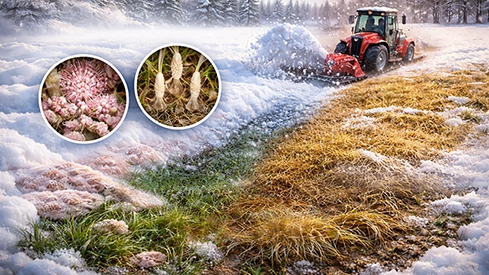
In the silent, snow-covered pastures of northern Japan, an invisible drama plays out each winter—one with major consequences for farmers, ecosystems, and the future of sustainable agriculture. Snow, often seen as nature’s blanket of dormancy, is revealed in a recent Scientific Reports study as a double-edged sword: sheltering grass from lethal cold, but at the same time creating a haven for cold-loving fungi. The research, led by Seiji Shimoda, explores how manipulating snow cover—by compaction or removal—reshapes the delicate balance between grass survival, mold risk, and frost damage.
For three grass species central to pasture systems—timothy, orchardgrass, and perennial ryegrass—the question is not just whether they survive the winter, but how they survive, and what new fungal threats lurk beneath the snow.

Snow Mold at 0°C: Where Insulation Becomes Infection
The real villain in this winter narrative is snow mold, a disease complex dominated by the fungi Microdochium nivaleand Typhula ishikariensis. These pathogens thrive in the unique microclimate under snow: near-freezing, dark, and consistently moist. The phenomenon of “Mild-T days,” where soil temperatures hover close to 0°C under an insulating snow layer, turns the subnivean environment into a fungal incubator.
The study found that by reducing snow depth—either through mechanical compaction or removal—the number of Mild-T days plummeted. As a result, snow mold severity dropped dramatically, especially in timothy grass. Plots with fewer than 20 Mild-T days showed almost no snow mold in timothy, and disease severity on the scale used was a negligible 0.13, compared to 1.78 in orchardgrass and 1.63 in perennial ryegrass.
This isn’t just a statistical footnote. It’s a demonstration that by manipulating winter’s thermal landscape, farmers can influence which diseases take hold—potentially reducing the need for chemical fungicides.

The High Cost of a Cold Defense: Frost as the Other Foe
But there’s a catch. What snow provides in disease risk, it takes away in insulation. When snow is removed or compacted, not only do fungi lose their stronghold, but grass roots and crowns lose their shield from biting frost.
The data from Hokkaido are sobering: perennial ryegrass suffered catastrophic frost damage, unable to withstand the exposure when its snowy protection was taken away. Orchardgrass was hit too, though its capacity for vigorous spring regrowth helped it bounce back. Timothy emerged as the unexpected champion, showing strong resistance to both snow mold and frost—making it a prime candidate for future winter-resilient pasture systems.
This reveals a fundamental winter paradox: in the battle between mold and frost, what defeats one threat may embolden another. Choosing the right grass species and monitoring environmental thresholds are essential for managing both risks.

Snow as a Climate-Structured Tool: Beyond Chemicals
The innovation here is as much philosophical as it is practical. For decades, disease control in agriculture has relied on chemical interventions—fungicides and pesticides—often with environmental and economic costs. This study signals a shift toward climate-structured disease control: using physical manipulation of the environment to suppress fungal activity.
The implications are wide-reaching. Snow management, already a tool for pest control (such as in volunteer potatoes), can now be repurposed for fungal mitigation. The method is relatively low-tech—requiring tractors and weather monitoring more than chemistry—and aligns with sustainability goals for reducing pesticide reliance.
However, this approach demands a nuanced understanding of local microclimates, soil temperature patterns, and species-specific frost tolerance. The future may see “snow farming” added to the agronomic toolbox, allowing growers to sculpt winter conditions in favor of their crops.
Lessons Beyond the Pasture: Engineering the Microclimate
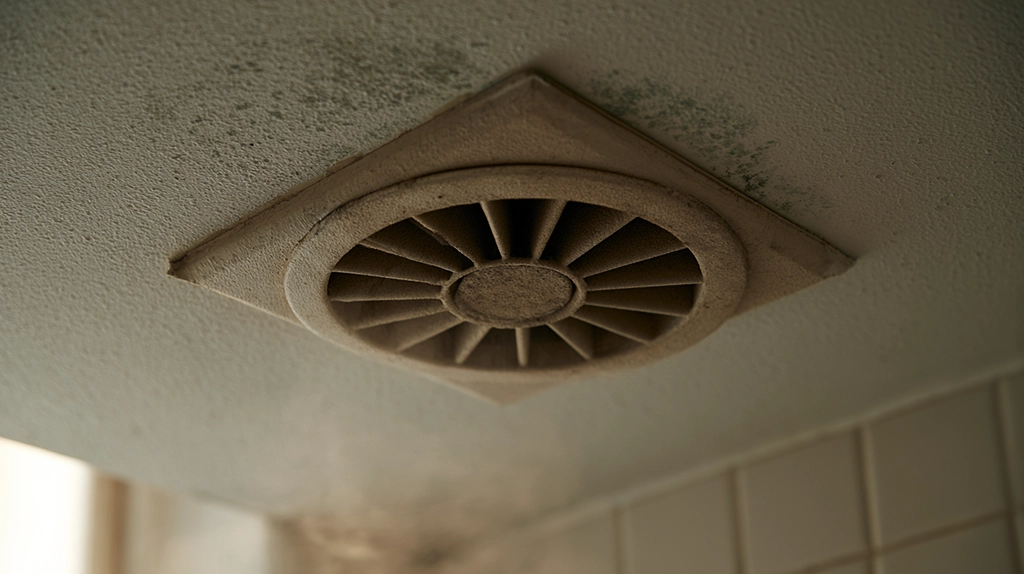
This study is part of a growing trend in climate-adaptive agriculture: using environmental engineering to outsmart pathogens. Similar strategies are being explored in greenhouses (with temperature and humidity control) and even in urban planning (to reduce indoor mold by managing building heat and moisture).
By demonstrating the dual impact of snow cover—both as a fungal incubator and a frost shield—Shimoda’s work underscores the complexity of managing diseases in a changing climate. As winters grow more unpredictable, such research will be critical for developing resilient agricultural systems.
Teslo’s Reflection: The Art of Winter Warfare
Snow, once seen as an uncontrollable force, now emerges as a strategic ally—or foe—in the ongoing struggle between plants and fungi. This research from Hokkaido highlights the subtlety of “climate-structured disease control,” challenging us to see snow not just as weather, but as a tool to be sculpted and managed. As climate change alters the rhythms of winter, learning to fight mold with snow—and to balance that fight with the dangers of frost—will become central to food security and sustainable farming.

References
Academic Sources
- Shimoda, S. (2025). Impact of snow manipulation on overwintering disease and frost damage across pasture grass species. Scientific Reports. https://doi.org/10.1038/s41598-025-21885-8
Official Sources
- Nature Portfolio — Scientific Reports (journal overview and publication platform): https://www.nature.com/srep
Key Takeaways
- The real villain in this winter narrative is snow mold, a disease complex dominated by the fungi Microdochium nivaleand Typhula ishikariensis.
- As a result, snow mold severity dropped dramatically, especially in timothy grass.
- What snow provides in disease risk, it takes away in insulation.
- The innovation here is as much philosophical as it is practical.
- This study signals a shift toward climate-structured disease control: using physical manipulation of the environment to suppress fungal activity.The implications are wide-reaching.
Frequently Asked Questions
What should you know about please login to bookmark?
Please login Beneath the Snow: A Battle of Mold and Ice In the silent, snow-covered pastures of northern Japan, an invisible drama plays out each winter—one with major consequences for farmers, ecosystems, and the future of sustainable agriculture. Snow, often seen as nature’s blanket of dormancy, i
What should you know about beneath the Snow: A Battle of Mold and Ice?
In the silent, snow-covered pastures of northern Japan, an invisible drama plays out each winter—one with major consequences for farmers, ecosystems, and the future of sustainable agriculture. Snow, often seen as nature’s blanket of dormancy, is revealed in a recent Scientific Reports stud
What should you know about snow Mold at 0°C: Where Insulation Becomes Infection?
The real villain in this winter narrative is snow mold, a disease complex dominated by the fungi Microdochium nivaleand Typhula ishikariensis. These pathogens thrive in the unique microclimate under snow: near-freezing, dark, and consistently moist. The phenomenon of “Mild-T days,” where s
What should you know about the High Cost of a Cold Defense: Frost as the Other Foe?
But there’s a catch. What snow provides in disease risk, it takes away in insulation. When snow is removed or compacted, not only do fungi lose their stronghold, but grass roots and crowns lose their shield from biting frost.The data from Hokkaido are sobering: perennial ryegrass suffered catastroph
What should you know about snow as a Climate-Structured Tool: Beyond Chemicals?
The innovation here is as much philosophical as it is practical. For decades, disease control in agriculture has relied on chemical interventions—fungicides and pesticides—often with environmental and economic costs. This study signals a shift toward climate-structured disease control: using physica