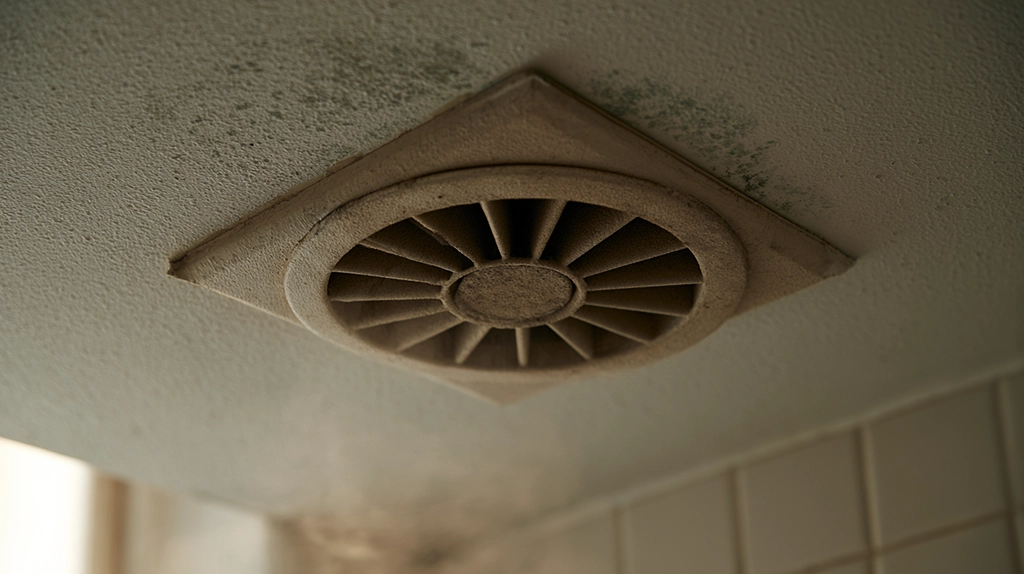

Mold is a Global Problem—But Could AI Finally Make a Difference?
Mold isn’t just a local issue—it’s a widespread problem affecting renters and homeowners in coastal regions, humid cities, and poorly ventilated homes worldwide. Whether it’s a tenant in Cornwall, an apartment dweller in New York, or a homeowner in Tokyo, the struggle remains the same: damp conditions, poor air circulation, and the never-ending battle to prevent mold. But what if technology could step in where landlords and building regulations fall short?
Can Smart Sensors Help Stop Mold Before It Starts?
Recently, researchers have begun using AI-powered sensors to track moisture and air quality. These devices can predict when conditions are right for mold growth and send early warnings—giving occupants time to intervene before mold takes hold.
The concept sounds promising, but there’s a catch: Technology alone doesn’t fix anything. Data can reveal a mold problem, but it still takes human action—whether from tenants, landlords, or policymakers—to do something about it.
The Smart Home Experiment: What We Learned from Cornwall
In one of the largest studies of its kind, researchers installed humidity and air quality sensors in 274 homes across Cornwall as part of the Smartline project. The goal? To see if real-time moisture tracking could help prevent mold.
The results were mixed.
Some tenants used the data effectively, improving ventilation and managing moisture levels before mold appeared.
Others, despite having clear evidence of a moisture problem, struggled to get landlords to act.
This highlights a major flaw in smart home solutions: AI can diagnose the problem, but it can’t force repairs. The same issue exists worldwide—many landlords ignore structural problems, leaving renters with no choice but to deal with the consequences.

Cornwall housing – Wikimedia Commons (CC BY-SA 3.0)
Smart Homes: A Fix for Homeowners, But Not for Renters?
For homeowners, smart home technology can be a game-changer. AI-driven systems can:
- Automatically regulate humidity to prevent excess moisture.
- Control airflow to stop condensation buildup.
- Detect leaks early, preventing long-term damage.
But for renters, things are far more complicated.
- Tenants don’t control ventilation, insulation, or building maintenance.
- Smart tech requires investment, which landlords may not want to make.
- Even with data proving a mold issue, some landlords still refuse to act.
This raises an important question: Should AI-driven mold detection be tied to legal protections for renters?
How Renters Can Use Smart Tech to Their Advantage
While smart sensors can’t fix mold on their own, they can still be valuable tools—especially when dealing with landlords who downplay the issue.
- Track Humidity Levels – Even a basic humidity monitor (available for under £20/$25) can provide data on moisture problems.
- Keep Records – Screenshots of humidity spikes, condensation issues, or mold-friendly conditions can serve as evidence.
- Know Your Rights – In the UK, US, and many other countries, landlords are legally required to address mold caused by structural problems. If they refuse, tenants can report them to local authorities.
- Push for Policy Changes – If AI can provide hard proof of unhealthy living conditions, housing laws should enforce landlord accountability.

Humidity monitor device – Wikimedia Commons (CC BY-SA 3.0)
Final Thoughts: AI Won’t Fix Mold—But It Can Prove It Exists
Smart home technology has the potential to improve living conditions—but only if people take real action based on the data. AI-powered home monitoring can identify risks, but it can’t repair faulty ventilation or force landlords to take responsibility.
For renters, smart sensors are a tool, not a solution. They provide evidence, they help with documentation, and they empower tenants to push for action. But until legal protections and housing policies catch up, AI will remain just another smart device—useful, but not powerful enough to solve the problem alone.
The data is there. Now, it’s time to do something with it.
References
Official & Regulatory Sources
- EPA – Mold and Moisture
- EPA – Ventilation and Indoor Air Quality
- Smartline Project – Official Website
Scientific & Educational Sources
- Mold – Wikipedia
- Artificial Intelligence – Wikipedia
- Cornwall – Wikipedia
- New York City – Wikipedia
- Tokyo – Wikipedia
- Ventilation (Architecture) – Wikipedia
- Condensation – Wikipedia
Image Sources (CC Licensed / Public Domain)
- Cornwall Housing – Wikimedia Commons (CC BY-SA 3.0)
- Digital Hygrometer – Wikimedia Commons (CC BY-SA 3.0)
Key Takeaways
- Mold isn’t just a local issue—it’s a widespread problem affecting renters and homeowners in coastal regions, humid cities, and poorly ventilated homes worldwide.
- But what if technology could step in where landlords and building regulations fall short?
- The concept sounds promising, but there’s a catch: Technology alone doesn’t fix anything.
- In one of the largest studies of its kind, researchers installed humidity and air quality sensors in 274 homes across Cornwall as part of the Smartline project.
- Others, despite having clear evidence of a moisture problem, struggled to get landlords to act.
Frequently Asked Questions
What should you know about mold is a Global Problem—But Could AI Finally Make a Difference??
Mold isn’t just a local issue—it’s a widespread problem affecting renters and homeowners in coastal regions, humid cities, and poorly ventilated homes worldwide. Whether it’s a tenant in Cornwall, an apartment dweller in New York, or a homeowner in Tokyo, the struggle remains the same: damp co
Can Smart Sensors Help Stop Mold Before It Starts?
Recently, researchers have begun using AI-powered sensors to track moisture and air quality. These devices can predict when conditions are right for mold growth and send early warnings—giving occupants time to intervene before mold takes hold.
What should you know about the Smart Home Experiment: What We Learned from Cornwall?
In one of the largest studies of its kind, researchers installed humidity and air quality sensors in 274 homes across Cornwall as part of the Smartline project. The goal? To see if real-time moisture tracking could help prevent mold.
What should you know about smart Homes: A Fix for Homeowners, But Not for Renters??
For homeowners, smart home technology can be a game-changer. AI-driven systems can:
How Renters Can Use Smart Tech to Their Advantage?
While smart sensors can’t fix mold on their own, they can still be valuable tools—especially when dealing with landlords who downplay the issue.