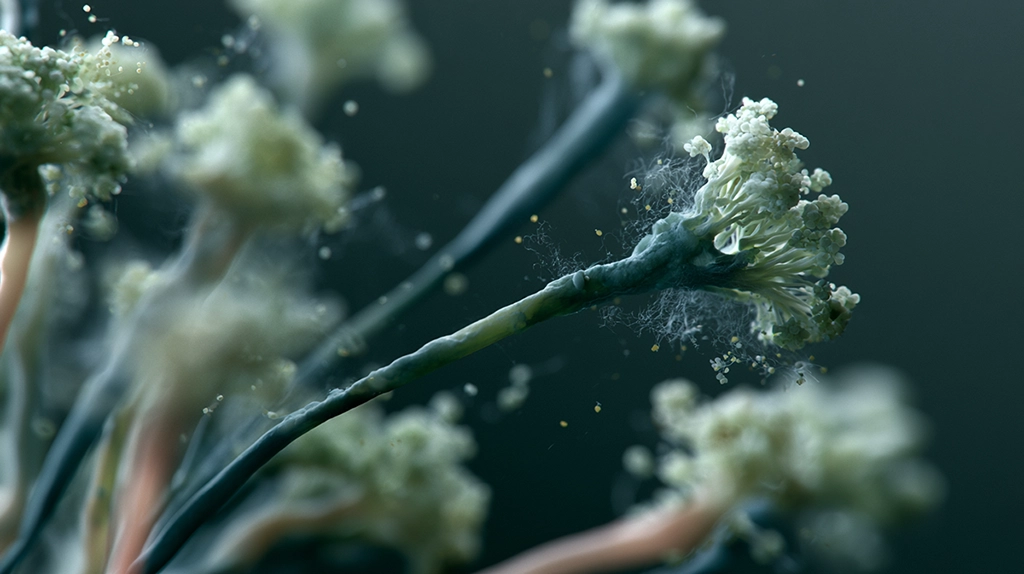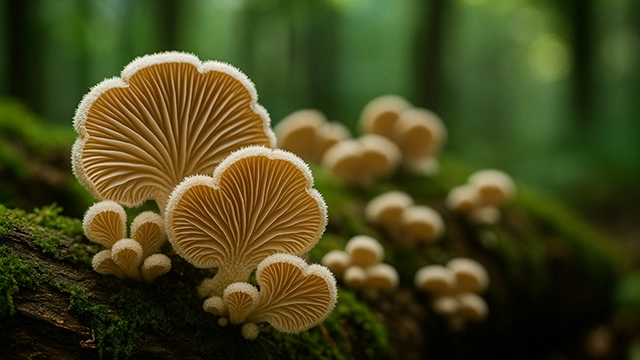
In a world where wellness trends change with the seasons, one mushroom has quietly earned a seat at the table—not with hype, but with substance. Schizophyllum commune, also known as the split-gill mushroom, isn’t flashy. You won’t see it center stage on supplement shelves or dominating foodie reels. But behind its fan-like gills lies a biochemical profile that might just redefine what we call a superfood.
From ancient forests to cutting-edge labs, this humble fungus is rewriting the story of functional foods and natural medicine. Let’s take a walk through its many talents—and why you’ll likely be hearing a lot more about it in the years to come.

A Mushroom That Multitasks
At first glance, S. commune looks like any other wood-loving mushroom, thriving on decaying logs in forests across the globe. But its chemical repertoire is anything but ordinary. Scientists have been zeroing in on this fungus, uncovering a powerhouse of bioactive compounds with wide-ranging health benefits.
Here’s what you’ll find inside:
- Polysaccharides with immune-boosting and cancer-fighting potential
- Flavonoids—those antioxidant warriors that mop up harmful free radicals
- Saponins, known for reducing inflammation and regulating cholesterol
- Ergosterol, a precursor to vitamin D, offering antibacterial and anti-inflammatory effects
Individually, these compounds are impressive. Together? They form a natural synergy that supports everything from cellular defense to metabolic health.

Nature’s Gentle Guardian
If chronic illness is the defining health challenge of our time, S. commune is quietly rising to meet it. Preliminary research points to benefits in a variety of areas:
- Cancer prevention through immune modulation and anti-tumor activity
- Cardiovascular health, with reduced inflammation and oxidative stress
- Diabetes management, helping to stabilize glucose and lipid levels
- Neuroprotection, possibly shielding neurons from the damage of aging
What stands out most is its potent antioxidant profile—a crucial factor in slowing down cellular aging and preventing DNA damage. In short: this mushroom isn’t just nourishing, it’s protective.

The Detox Defender
In a surprising twist, researchers are now exploring S. commune as a shield against environmental toxins. Early findings suggest that it may reduce the harmful effects of endocrine disruptors like Bisphenol A (BPA). This positions the mushroom not just as a dietary ally, but as a potential tool in the growing field of environmental health and detox support.
The idea that a mushroom could defend your body from modern pollutants? That’s the kind of innovation we didn’t know we needed—but absolutely do.

From Forest Floor to Wellness Formulas
Thanks to its safety profile (non-toxic even at high doses), S. commune is quickly making its way into wellness spaces around the globe. Think of it as a triple threat:
- In pharmaceuticals, it’s a source of natural compounds for drug development
- In functional foods, it’s being added to teas, soups, and fermented products
- In supplements, its extracts are popping up in powders and capsules aimed at liver health, immunity, and metabolic resilience
And it doesn’t stop there. Its enzymatic diversity hints at future applications in green chemistry, antimicrobial development, and even bioremediation.

Proceed with Curiosity (and a Bit of Caution)
While the early data is promising, most of the research on S. commune is still in preclinical stages—think lab dishes and animal models. Before this mushroom becomes a household name, we’ll need:
- Clinical trials in humans
- Standardized dosing and formulation methods
- More exploration into how it interacts with the gut microbiome and other nutrients
In other words, the stage is set, but the spotlight is just beginning to shine.

Don’t Underestimate the Quiet Ones
What makes Schizophyllum commune remarkable isn’t just its breadth of potential—it’s the way it bridges categories. It’s food, it’s medicine, it’s a detox agent, and it’s environmentally promising. This isn’t a passing fad. It’s a mycological multitasker with staying power.
In a wellness culture dominated by bold claims and fast fixes, S. commune reminds us that quiet strength and deep roots often yield the most lasting results. So whether you’re sipping it in tea or reading about it in clinical trials, know this: the split-gill mushroom is more than just another edible fungus.
It might just be your next health ally—one that’s been hiding in plain sight all along.
References
Academic
- Hyde KD, et al. (2019). Schizophyllum commune: a review on pharmacological properties and biotechnological potential. Frontiers in Microbiology. Publisher page
- Patel A, et al. (2020). Nutraceutical applications of mushrooms: Schizophyllum commune as a case study. Journal of Functional Foods. ScienceDirect
Official / Health
Key Takeaways
- Schizophyllum commune is one of the world’s most widespread mushroom species, found on wood on every continent except Antarctica, yet it remains relatively unknown outside of scientific circles despite extraordinary biological properties.
- S. commune produces schizophyllan—a beta-glucan polysaccharide with remarkable immunomodulatory and antitumor properties that has been approved as a cancer treatment adjuvant in Japan since the 1980s.
- The ‘split gill’ mushroom is distinctive for having an estimated 28,000 mating types (sexes)—the most sexual diversity of any known organism, enabling genetic recombination with virtually any individual of the species.
- As an emerging food ingredient, S. commune is consumed traditionally in parts of Southeast Asia, Cameroon, and Mexico—offering a umami-rich, chewy food source that is now attracting attention from the food technology sector.
- S. commune is also an emerging opportunistic pathogen in severely immunocompromised patients, causing rare but increasingly reported sinus, lung, and brain infections in settings of profound immunosuppression.
Frequently Asked Questions
What is Schizophyllum commune and why is it special?
Schizophyllum commune—commonly called the ‘split gill mushroom’ for its distinctive gill structure where each gill appears split longitudinally—is one of the most biologically remarkable organisms on Earth, combining extreme ubiquity with extraordinary genetic and chemical properties. Unique biological characteristics: most widespread wood-decay mushroom—found on dead and dying wood on every continent except Antarctica; recorded from virtually every country; tolerates extraordinary temperature and moisture extremes; most mating types—S. commune holds what may be the record for the most recognised mating types (sexes) of any sexually reproducing organism: approximately 28,000 mating types, compared to two (male and female) in humans; any two individuals of different mating types can mate; this extraordinary sexual polymorphism maximises outbreeding and genetic diversity. Genetic model organism—S. commune was one of the first mushroom-forming fungi used as a genetic model system; its compact, relatively small genome (~38 megabases) and rapid laboratory growth made it useful for studying fungal genetics, mating type biology, and lignocellulose degradation. Extreme stress tolerance—S. commune can survive desiccation to almost complete dryness and revive upon rehydration; survives UV irradiation levels lethal to most organisms; tolerates very wide temperature range; these properties have attracted interest from researchers studying extremophile biology and potential space biology applications. Chemical richness—produces schizophyllan (SPG), a powerful immunomodulatory beta-glucan; produces various enzymes including laccases, peroxidases, and cellulases with biotechnological potential.
What health benefits does Schizophyllum commune have?
Schizophyllum commune produces several compounds with documented bioactivity, most prominently schizophyllan—a triple-helix forming beta-glucan that has been subject to substantial clinical research particularly in Japan. Schizophyllan (SPG) as an immunomodulatory compound: chemical identity—schizophyllan is a β-(1→3)-linked glucose polymer with single β-(1→6)-glucosyl branches at every third glucose unit; in solution, it forms a characteristic triple-helical conformation. Mechanism of immunomodulation—schizophyllan interacts with Dectin-1 receptors on macrophages and dendritic cells; receptor activation stimulates macrophage cytokine production (TNF-α, IL-6, IL-12); these cytokines activate natural killer (NK) cells and T-lymphocytes; the overall effect is augmentation of the innate immune response. Clinical applications in Japan: SPG (commercialised as Sonifilan or Sizofiran) was approved in Japan in 1987 for use as an adjuvant in the treatment of cervical cancer; clinical trials in Japan showed improved survival rates when SPG was given alongside radiation therapy for cervical cancer compared to radiation alone; SPG has also been studied as adjuvant therapy for head and neck cancers, lung cancer, and gastric cancer in Japanese clinical trials. Other potential bioactivities: antiviral properties—in vitro and animal studies suggest SPG and related schizophyllan derivatives have antiviral activity against HIV and other viruses through immune modulation; antimicrobial effects—extracts of S. commune have shown antibacterial activity in laboratory studies against several pathogenic bacteria.
Is Schizophyllum commune edible and is it consumed as food?
Schizophyllum commune is consumed as food in several traditional cultures and is attracting increasing attention as a potential food ingredient, though its edibility varies by preparation method and cultural context. Traditional food use: Mexico—S. commune (called ‘teonanacatl’ or locally ‘seta’ in some regions) is consumed in several Mexican states including Oaxaca and Chiapas; it has been part of indigenous Mexican cuisine for centuries; typically prepared by boiling, which softens the otherwise tough texture; used in sauces, soups, and as taco fillings. Cameroon and West/Central Africa—collected from fallen trees and consumed as a protein-rich food; culturally important as a forest food resource; may be dried for preservation. Southeast Asia—consumed in parts of Indonesia, Thailand, and other countries; typically requires cooking to achieve palatable texture. Food properties: flavour—described as having a mild umami flavour with earthy, somewhat woody notes; less intensely flavoured than shiitake or oyster mushrooms. Texture—raw S. commune is very tough and leathery; requires thorough cooking (prolonged boiling or stewing) to achieve acceptable texture; the split gills create an unusual visual appearance. Nutritional composition—like most mushrooms, S. commune is low in fat, moderate in protein (on dry weight basis), contains dietary fibre including beta-glucan; the specific beta-glucan content is nutritionally relevant. Food safety considerations: S. commune is generally considered safe for healthy individuals when properly cooked; however, it is an allergen source in some individuals (it is both a direct allergen and an occupational allergen for workers in settings with high levels); as noted, it is an emerging opportunistic pathogen, though disease risk from ingestion rather than inhalation in immunocompetent individuals is extremely low.
How is Schizophyllum commune used in medicine and biotechnology?
Beyond schizophyllan’s role as a cancer immunotherapy adjuvant, S. commune is a source of numerous enzymes and compounds with biotechnological applications and is an emerging research model for several industrial bioprocesses. Enzyme production: laccases—S. commune produces potent laccase enzymes (multi-copper oxidases) that catalyse the oxidation of phenolic compounds; industrial applications include textile dye decolourisation and degradation, lignin degradation in pulp and paper processing, and bioremediation of phenolic pollutants. Cellulases and hemicellulases—S. commune produces a suite of enzymes that degrade plant cell wall polysaccharides; these have application in biofuel production (converting agricultural lignocellulosic waste to fermentable sugars) and in food processing. Lytic polysaccharide monooxygenases (LPMOs)—recently discovered enzymes that cleave cellulose and chitin through oxidative mechanism; S. commune produces LPMOs with potential industrial applications. Schizophyllan for non-medical applications: drug delivery vehicle—schizophyllan’s triple-helix structure allows it to bind and protect oligonucleotides (DNA/RNA); this property is being investigated for targeted gene delivery systems. Cosmetic ingredient—schizophyllan has good water retention properties and forms films; being investigated as a natural moisturising and film-forming agent in cosmetic formulations; has GRAS (Generally Recognised as Safe) status for cosmetic use in some markets. Biotechnology platform: the genetic tractability, rapid growth, and diverse enzyme profile of S. commune make it an attractive platform organism for fungal biotechnology; genome-edited S. commune strains are being developed for enhanced enzyme production.
Can Schizophyllum commune cause infections in humans?
Yes—S. commune is increasingly recognised as an opportunistic human pathogen, particularly in immunocompromised patients, in a clinical context that reinforces its unusual biology: an organism consumed as food in some cultures and used medicinally in others can cause life-threatening infections in susceptible individuals. Clinical spectrum of S. commune infections: most S. commune infections involve immunocompromised patients; the spectrum of disease includes sinonasal infection (sinusitis), pulmonary infection, central nervous system involvement, and disseminated infection. Unique aspect of S. commune infections: S. commune is unusual among fungal pathogens in its ability to colonise and infect mucous membranes in some apparently non-immunocompromised patients; cases of endobronchial colonisation and tracheobronchitis have been reported in patients with asthma and bronchiectasis without profound immunodeficiency; cases of sinusitis with S. commune have been documented in patients with allergic fungal sinusitis phenotype. Documented clinical cases: the cumulative clinical literature (approximately 150–200 reported cases globally as of the early 2020s) includes cases of allergic bronchopulmonary mycosis (similar to ABPA with Aspergillus), invasive sinusitis, fungal ball (mycetoma) of the paranasal sinuses, pneumonia, and disseminated infection. Treatment: there is no consensus treatment protocol; azoles (voriconazole, itraconazole) and echinocandins have activity against S. commune in vitro; surgical debridement of sinus disease is typically required; case reports describe variable outcomes. The duality of S. commune—simultaneously a food ingredient, a medicine, and an emerging pathogen—makes it one of the most biologically interesting fungi in clinical and nutritional science.