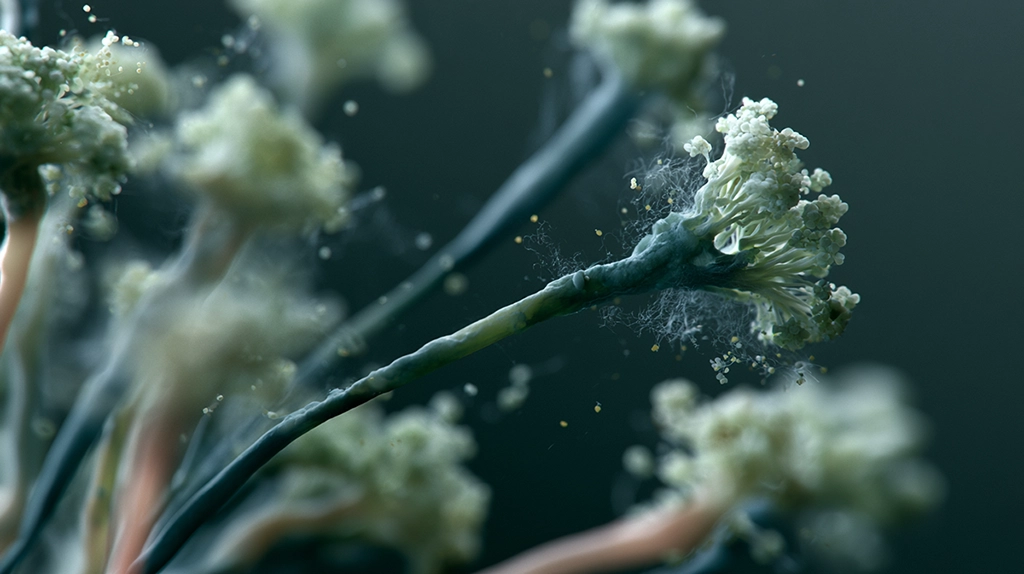

In laboratories across the United States, a faint lilac-colored mold has begun to appear more often than before. Its name is Purpureocillium lilacinum — formerly known as Paecilomyces lilacinus. Once dismissed as a harmless environmental fungus, it’s now showing up more frequently in diagnostic cultures.
According to a new study published in Emerging Infectious Diseases, detections rose from 56.6 to 74.3 per 100,000 fungal culture samples between 2019 and 2025. The numbers may look small, but to epidemiologists, they whisper a story: a quiet shift in the fungal landscape.
The increase is most noticeable in the South Atlantic and Pacific regions of the U.S.—areas known for warmth and humidity, much like tropical parts of Asia. Scientists still don’t know whether this rise reflects a real ecological change or just better detection methods and more samples. But one thing is clear: P. lilacinum is stepping out of obscurity and into the scientific spotlight.
A Double Life: Harmless Helper or Hidden Threat?

This fungus lives a double life. It’s known to degrade plastics, parasitize nematodes, and inhabit soil and plant roots. Yet, in rare cases, it can infect humans—causing keratitis, infections around implants, or skin lesions in people with weakened immune systems.
For most of us, it’s just another invisible passenger in the air. But for hospitals, labs, and industries, its presence is a subtle warning. The boundary between “environmental mold” and “pathogen” isn’t as solid as we thought.
More Than Numbers: A Changing Ecological Map
The significance of this research goes beyond the numbers. It’s a reminder that molds are not static villains—they evolve alongside the environments we create.
Warmer climates, higher humidity, and synthetic materials have opened new ecological doors. What we label as “contamination” may actually be evidence of environmental transformation. From hospital ventilation systems to cosmetic factories, molds like P. lilacinum are quietly mapping the microbial fingerprint of modern life.
Taxonomy and the Expanding Fungal Frontier

Recent taxonomic work such as A taxonomic and phylogenetic revision of the genus Paecilomyces (published in Studies in Mycology) has clarified that P. lilacinum and its relatives occupy a diverse ecological niche far beyond human disease.
Likewise, reviews in Frontiers in Fungal Biology have emphasized how global warming and industrial materials are encouraging rare molds to thrive in unexpected habitats.
The Epidemiological Perspective
For now, the Centers for Disease Control and Prevention (CDC) and clinical mycologists agree: there’s no confirmed surge in infections, only in detections. But this pattern invites a question—should environmental monitoring broaden its scope?
Fungi that rarely make the headlines might soon become the indicators of deeper ecological shifts. In the world of mold prevention, recognizing these subtle changes could be the key to anticipating the next wave of microbial adaptation.
The Mirror Effect: What Mold Reflects About Us
Molds have always been mirrors of the world we live in. They don’t speak, yet they record everything—the humidity of our homes, the materials we build with, the warmth of our cities.
When laboratories start growing more lilac colonies than before, it may not just be a scientific curiosity. It could be nature’s quiet reminder that even at the microscopic scale, the world is changing.
References
- Luangsa-ard, J. et al. (2011). A taxonomic and phylogenetic revision of the genus Paecilomyces. Studies in Mycology, 70, 1–36. DOI: 10.3114/sim.2011.70.01
- CDC (2025). Emerging Infectious Diseases: Trends in Environmental Mold Detection, 2019–2025.
- Frontiers in Fungal Biology (2024). Environmental adaptation and rare fungal emergence under climate stress.
- Samson, R. A., et al. (2023). Global distribution of Purpureocillium lilacinum and its clinical implications.Mycopathologia, 188(2), 115–127.
Key Takeaways
- Purple mold—primarily from the genus Purpureocillium lilacinum (previously Paecilomyces lilacinus)—is an increasingly detected organism in clinical laboratory samples, representing a shift from rare environmental contaminant to emerging opportunistic pathogen.
- Purpureocillium lilacinum is notable for being resistant to many first-line antifungal drugs, including amphotericin B and most azoles, making infections difficult to treat when they do occur.
- Infections from purple mold primarily occur in immunocompromised patients, though cases in immunocompetent individuals following traumatic implantation (contact lens wearing, soil injury) have been reported.
- The increasing detection of P. lilacinum in lab samples reflects both a genuine increase in its frequency as a human pathogen and improved molecular diagnostic capacity that allows identification of uncommon species.
- Treatment of P. lilacinum infections typically requires voriconazole, often for extended periods, and may necessitate surgical debridement of infected tissue in addition to antifungal therapy.
Frequently Asked Questions
What is purple mold and why is it appearing in lab samples?
‘Purple mold’ in clinical laboratory contexts most commonly refers to Purpureocillium lilacinum (formerly classified as Paecilomyces lilacinus), a hyalohyphomycete fungus that produces characteristic pale lilac to purple spore masses in culture. It was historically considered a soil organism and nematode biocontrol agent, occasionally isolated from clinical samples as a contaminant rather than a pathogen. The increasing frequency of clinical reports has several causes: genuine pathogen emergence—expanding immunocompromised patient populations (HIV/AIDS, haematological malignancy, solid organ transplant, biological therapies) provide a growing population susceptible to infections by fungi that cause no disease in immunocompetent hosts. Improved diagnostics—matrix-assisted laser desorption ionisation time-of-flight mass spectrometry (MALDI-TOF MS) and molecular sequencing allow rapid and reliable identification of uncommon fungi previously misidentified as ‘Penicillium sp.’ or contaminants; as these technologies have become standard in clinical laboratories, uncommon pathogens that were previously missed or misidentified now appear in the literature. Azole selection pressure—extensive use of azole antifungals for prophylaxis in immunocompromised patients may be selecting for azole-resistant environmental fungi in clinical settings.
What infections does Purpureocillium lilacinum cause?
Purpureocillium lilacinum causes a spectrum of clinical presentations, ranging from superficial to disseminated, with severity strongly correlated with the degree of immune compromise. Ocular infections: P. lilacinum has a well-established association with eye infections, particularly keratitis (cornea infection) in contact lens wearers (even immunocompetent individuals); fungal keratitis can cause severe visual impairment if not promptly diagnosed and treated; P. lilacinum keratitis has been associated with contaminated contact lens solutions and contact lens cases in several outbreaks. Cutaneous and subcutaneous infections: skin nodules, ulcers, and subcutaneous abscesses can occur following traumatic inoculation (soil or plant material injury); may occur in immunocompetent individuals following significant inoculation. Invasive infections in immunocompromised patients: sinusitis, pneumonia, endophthalmitis (eye interior infection), osteomyelitis, and disseminated infection have been reported; most serious invasive cases involve haematological malignancy patients, solid organ transplant recipients, or patients on prolonged corticosteroids. Peritonitis in peritoneal dialysis patients: P. lilacinum is a recognised cause of fungal peritonitis in patients on continuous ambulatory peritoneal dialysis (CAPD).
Why is purple mold so difficult to treat?
Purpureocillium lilacinum’s treatment challenges arise from its intrinsic antifungal resistance profile, which differs significantly from the more common Candida and Aspergillus pathogens that established antifungal regimens are designed to treat. Resistance profile: amphotericin B—P. lilacinum is intrinsically resistant or has high MICs to amphotericin B (the traditional broad-spectrum ‘last resort’ antifungal), making this drug ineffective for P. lilacinum infections despite its efficacy against many other invasive fungal pathogens. Fluconazole—not reliably active against P. lilacinum; not an appropriate treatment choice. Itraconazole and voriconazole—variable activity; voriconazole typically shows the lowest MICs in susceptibility testing and is considered the most reasonable treatment option; itraconazole is sometimes used as an alternative. Echinocandins (caspofungin, micafungin)—have activity in vitro but limited clinical data supports their use in monotherapy. The combination of high intrinsic resistance to amphotericin B (removing the ‘last resort’ option) and variable response to azoles creates a challenging treatment situation. Clinical approach: voriconazole is the preferred drug for most P. lilacinum infections based on available clinical case series; adjunctive surgical debridement (removing infected tissue) improves outcomes for localised disease; treatment duration is often months for severe infections.
How common is purple mold compared to other clinical molds?
Purpureocillium lilacinum remains an uncommon clinical pathogen compared to the major invasive molds, but its frequency has increased in clinical case reports over the past decade as both its pathogenic potential and diagnostic recognition have grown. Relative frequency context: Aspergillus fumigatus is by far the most common invasive mold pathogen, causing the vast majority of invasive mold infections in immunocompromised patients. Mucorales species (Rhizopus, Mucor, Cunninghamella) are the next most common invasive molds. Fusarium species are the third most common in some centres. Scedosporium and Lomentospora: uncommon but increasingly recognised in transplant recipients. Purpureocillium lilacinum: would rank perhaps 5th–8th in incidence among invasive mold pathogens at most centres; ‘rare’ by conventional definition but increasingly reported. Clinical importance disproportionate to frequency: even relatively uncommon clinical pathogens like P. lilacinum warrant attention because: their intrinsic resistance profiles mean they will not respond to standard empirical antifungal regimens designed for Aspergillus and Candida; clinicians who are not aware of P. lilacinum as a pathogen may not recognise its clinical presentations; as immunocompromised populations grow, even fungi causing disease in a small fraction of susceptible patients will generate more absolute case numbers.
Can healthy people get infected by purple mold?
While Purpureocillium lilacinum most commonly causes disease in immunocompromised individuals, infections in immunocompetent people do occur in specific circumstances. Circumstances where immunocompetent individuals develop P. lilacinum infections: contact lens-associated keratitis—contaminated contact lens storage solutions and lens cases have caused keratitis outbreaks; the cornea is an immunologically privileged site with limited immune surveillance compared to systemic tissues, making it accessible to opportunistic pathogens even in otherwise healthy individuals. Traumatic inoculation—deep soil or plant material injury that implants the fungus directly into subcutaneous tissue can cause localised infection even in people with normal immune function; agricultural workers and gardeners are particularly at risk. Invasive procedures—surgical wound infections, peri-orbital infections following eye surgery, and dialysis catheter-associated infections have been reported in patients without systemic immunocompromise. For routine environmental exposure (breathing, skin contact), the intact immune system of a healthy adult effectively controls P. lilacinum without infection. The practical message for healthy people: wear safety eyewear during activities that risk soil or plant material splash to the face; if you experience an unusual skin nodule following a soil injury, or eye symptoms following contact with contaminated water or contact lens care solutions, seek medical evaluation that includes consideration of fungal infection.