According to NATIONAL GEOGRAPHIC
For decades, infectious disease experts have focused their attention on viruses and bacteria—the pathogens historically responsible for pandemics, epidemics, and global health emergencies. Yet a quieter threat has been rising, largely unnoticed outside scientific circles. Fungal diseases, once considered niche infections affecting specific environments or immunocompromised individuals, are now emerging in new regions, new populations, and at unprecedented scales.
The growing concern is not rooted in sensationalism but in a gradual accumulation of scientific observations: more outbreaks, more drug-resistant strains, more unexpected ecological shifts. The fungal kingdom, long overlooked in medical discussions, is beginning to challenge the assumptions of global health systems built to detect fast-moving viruses but not slow, persistent, and often invisible fungal threats.
National Geographic ’s reporting on fungal disease detectives highlights this shift with a combination of scientific rigor and urgency. It portrays a world where fungi—adaptable, climate-sensitive, and increasingly drug-resistant—are moving into the center of epidemiological attention.
From my perspective as a reporter studying environmental risks, this story represents a turning point. Fungal outbreaks are not merely isolated incidents; they signal systemic changes in climate, land use, and human mobility. The challenge is not just treating infections—it is understanding how fungi are evolving alongside a changing planet.

Source: Wikimedia Commons, CC BY-SA 4.0
Why Fungal Diseases Are Increasing: Climate, Heat, and Ecological Disruption
One of the most profound insights from the article is how warming temperatures are reshaping fungal biology. Many pathogenic fungi historically could not survive or thrive at human body temperature. But as global temperatures rise, fungi are adapting—slowly but steadily—toward heat tolerance. This shift closes the gap between environmental fungi and the human thermal barrier, making infections more likely.
The phenomenon is not hypothetical. Several emerging fungal pathogens, including species related to Candida auris and Cryptococcus gattii, have shown surprising thermotolerance and the ability to infect healthy individuals rather than only vulnerable groups.
Moreover, extreme weather events, habitat disruption, and global travel are all reshaping where fungi can live and how they spread. Powerful storms and flooding can push spores indoors. Deforestation and land disturbance expose humans to soil-dwelling fungi once isolated from human populations. Long-distance travel transports spores across continents.
In this sense, fungal outbreaks tell a larger environmental story: when ecosystems are stressed, pathogens often find new footholds.
Disease Detectives: Tracking an Invisible Enemy
Compared with viral or bacterial outbreaks, fungal outbreaks present unique challenges. Fungi do not spread with the explosive speed of respiratory viruses, nor do they always reveal themselves through obvious symptoms. Their slow, insidious nature means fungal diseases often go undetected until they become severe—or widespread.
Disease detectives working in public health and mycology labs must often navigate several barriers:
- Limited Surveillance Systems
Most countries do not require reporting of fungal infections, making outbreaks difficult to detect early. - Diagnostic Challenges
Many fungal infections mimic bacterial or viral illnesses. Without specialized tests, misdiagnosis is common. - Geographic Mismatch
When fungi appear outside their usual regions—such as Valley Fever fungi moving northward—doctors may not recognize the symptoms at all. - Inadequate Treatment Arsenal
Fungi share many biological pathways with humans, making antifungal drug development difficult and slow. Existing drugs face rising resistance.
These obstacles create a landscape where fungal pathogens can spread under the radar until they become established.
Real-World Impact: From Valley Fever to Drug-Resistant Candida
National Geographic highlights several cases illustrating the breadth of the fungal threat.
Valley Fever (caused by Coccidioides species)
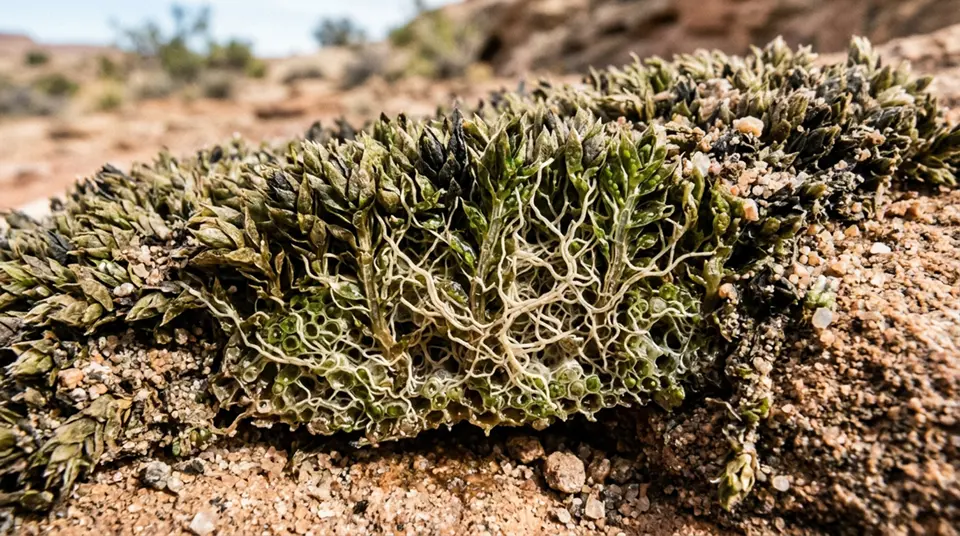
Once confined to the American Southwest, this soil-dwelling fungus has expanded into regions with warming, drier climates. Inhalation of its spores can lead to severe lung infections.
Blastomycosis (caused by Blastomyces dermatitidis )
Associated with moist soil and decaying wood, this fungus has caused outbreaks in regions previously considered low-risk. Climate instability may be expanding its range.
Histoplasmosis (caused by Histoplasma capsulatum )
Often linked to bird and bat droppings, this fungus can cause outbreaks when soil is disturbed—during construction, cave exploration, or land clearing.
Candida auris
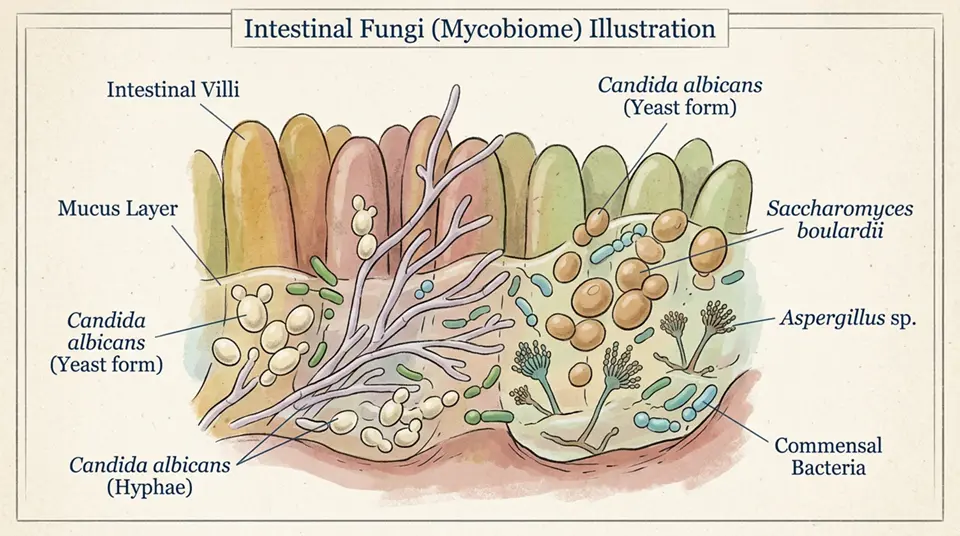
A yeast species representing one of the most alarming fungal threats, C. auris is highly drug-resistant, persistent in hospital environments, and capable of infecting vulnerable patients with high mortality rates.
The common thread across these examples is environmental shift combined with inadequate detection systems. These pathogens are not new—but their behavior is.

Source: Wikimedia Commons, Public Domain
Why Fungi Are Harder to Fight Than Other Pathogens
One of the most important points surfaced by the article is that fungi occupy a biological niche closer to humans than bacteria or viruses. Because fungal cells share many metabolic pathways with human cells, antifungal drugs often risk harming the host. This makes antifungal drug development far more limited.
At the same time, fungal pathogens are evolving drug resistance—driven partly by the widespread use of agricultural fungicides. Crops treated with antifungal chemicals apply selective pressure, pushing environmental fungi toward resistant traits. Some of those fungi eventually enter hospitals or communities.
This ecological link between agriculture and human disease represents one of the field’s most urgent scientific challenges.
A New Era of Fungal Epidemiology
The scientists featured in the article—mycologists, epidemiologists, environmental health researchers—are part of a growing global effort to treat fungi as major infectious threats rather than rare exceptions. Their work includes:
collecting fungal samples from outbreak zones
sequencing genomes to identify variants
mapping environmental conditions that promote outbreaks
improving rapid diagnostic tools
educating clinicians on fungal disease recognition
This multidisciplinary approach mirrors the strategies used in viral outbreak control—but adapted for a slower, more complex pathogen class.
What stands out to me is the shift in mindset: fungal disease is no longer seen as static or predictable. It is dynamic, climate-sensitive, and opportunistic.
A Reporter’s Perspective: Fungal Outbreaks Reflect a Changing Planet
From my vantage point, fungal outbreaks are more than public health challenges—they are ecological signals. Fungi respond quickly to environmental change, and their spread often mirrors the trajectories of climate instability, global trade, and land-use transformation.
When fungal pathogens expand into new regions, they often reveal underlying shifts:
rising temperatures
altered rainfall patterns
stressed ecosystems
increased human encroachment into wild habitats
In this way, fungal diseases serve as biomarkers of planetary disruption.
Yet there is also an opportunity here. Understanding fungal behavior more thoroughly could improve not only public health but environmental planning, agriculture, and climate adaptation strategies. Fungi are not merely threats—they are indicators.
References
IPCC – Global temperature trends
FAO – Agricultural fungicide use
According to NATIONAL GEOGRAPHIC
Key Takeaways
- Fungal diseases represent the most underfunded and underrecognised category of infectious disease relative to their global burden—more people die annually from fungal infections than from malaria or tuberculosis in some estimates.
- Climate change is expanding the geographic range of several clinically important fungi, including Coccidioides (Valley Fever) in North America and Aspergillus fumigatus across previously cooler European regions.
- The global antifungal drug pipeline is critically underdeveloped compared to antibacterial and antiviral pipelines, with few truly novel classes of antifungal drugs available despite growing resistance to existing agents.
- Candida auris—a multidrug-resistant yeast that emerged simultaneously on multiple continents around 2009—exemplifies the pandemic potential of emerging fungal pathogens in healthcare settings.
- Improved diagnostic capacity is urgently needed globally: most fatal fungal infections occur in low-income countries where laboratory infrastructure for fungal diagnosis is often absent, leading to severe underdiagnosis.
Frequently Asked Questions
Why are fungal infections becoming more common globally?
The global burden of serious fungal infections has grown substantially over the past three decades, driven by intersecting demographic, medical, environmental, and microbiological factors. Expanding immunocompromised populations: fungal infections are predominantly diseases of immunocompromised individuals; several trends have dramatically expanded this population globally. HIV/AIDS—approximately 38 million people live with HIV globally; despite antiretroviral therapy expansion, millions remain immunocompromised; Cryptococcal meningitis and Pneumocystis jirovecii pneumonia (PCP) remain major AIDS-defining illnesses in sub-Saharan Africa, Asia, and Latin America. Haematological malignancy treatment—more aggressive chemotherapy protocols for leukaemia, lymphoma, and myeloma cause prolonged severe neutropenia (very low neutrophil counts), creating windows of extreme fungal infection vulnerability; Aspergillus and rare mold infections are increasingly common in these settings. Solid organ transplantation—approximately 150,000+ solid organ transplants performed annually globally; lifelong immunosuppression required; fungal infections are a major source of post-transplant mortality. Biologic therapies—TNF-alpha inhibitors (adalimumab, infliximab), JAK inhibitors, and other biologic drugs used for autoimmune diseases impair specific immune pathways that are important for fungal defence. Corticosteroid use—high-dose corticosteroid treatment, used in many medical contexts, profoundly impairs antifungal immunity; the COVID-19 pandemic highlighted this dramatically, with dexamethasone treatment for severe COVID-19 leading to an epidemic of COVID-associated pulmonary aspergillosis (CAPA) in ICU patients. Climate change effects: rising temperatures and altered precipitation patterns expand the geographic ranges of soil-dwelling fungi; Coccidioides (Valley Fever) has extended its range northward into previously unaffected US states; warmer winters in Europe may be expanding Aspergillus fumigatus range.
What is Candida auris and why is it so alarming?
Candida auris is a multidrug-resistant yeast species first described in Japan in 2009 and now considered one of the most significant emerging healthcare-associated pathogens globally. What makes C. auris uniquely alarming: simultaneous emergence on multiple continents—C. auris was reported nearly simultaneously from hospital settings in South Korea, India, South Africa, Venezuela, and later North America and Europe in the early 2010s; this unusual geographic pattern of emergence suggests either very recent evolution or selection of existing strains globally, possibly related to fungicide use in agriculture. Multidrug resistance—many C. auris isolates are resistant to all three major classes of antifungal drugs (azoles, polyenes, and echinocandins); isolates resistant to all available systemic antifungals have been documented; treatment of pan-resistant C. auris is essentially impossible with currently available drugs. Healthcare setting persistence—C. auris survives for extended periods on dry hospital surfaces (unlike most other Candida species), enabling environmental contamination and patient-to-patient transmission via contaminated equipment and surfaces; multiple hospital outbreaks have proved extremely difficult to control. High mortality—crude mortality rates for C. auris bloodstream infections range from 30–70% in reported outbreaks; confounded by critically ill underlying patients, but clearly a dangerous pathogen. Population mainly at risk: ICU patients, patients with central venous catheters, patients on broad-spectrum antibiotics, and those with prior antifungal treatment. CDC designation: CDC classified C. auris as an ‘Urgent Threat’ in its 2019 Antibiotic Resistance Threats report—its highest threat category.
How serious is the global antifungal drug resistance problem?
Antifungal resistance is a growing global health concern, though it differs significantly in its current scope and mechanisms from the better-publicised antibiotic resistance crisis. Current resistance landscape: azole resistance in Aspergillus fumigatus—resistance to voriconazole and other azole antifungals in Aspergillus fumigatus is increasing globally; environmental azole resistance driven by agricultural fungicide use (tebuconazole, propiconazole) is well-documented in Europe, particularly the Netherlands, UK, and Scandinavia; environmental resistance rates of 5–20% have been found in some European countries; patients acquiring azole-resistant Aspergillus have significantly higher mortality from invasive aspergillosis. Fluconazole resistance in Candida—C. glabrata (now Nakaseomyces glabrata) has inherently reduced azole susceptibility; Candida auris shows high rates of multidrug resistance; C. tropicalis resistance is increasing in Asia. Echinocandin resistance in Candida—echinocandins are currently the first-line treatment for most invasive Candida infections; emerging resistance, particularly in C. glabrata and C. auris, is threatening this drug class. Pipeline assessment: only three antifungal drug classes are clinically available (polyenes, azoles, echinocandins); several novel antifungals are in late-stage clinical development: olorofim (a dihydroorotate dehydrogenase inhibitor, novel class); ibrexafungerp (first-in-class triterpenoid glucan synthase inhibitor—FDA approved 2021); oteseconazole (novel azole with enhanced spectrum); rezafungin (long-acting echinocandin). The pipeline is growing but narrower than for antibacterials, reflecting lower commercial investment driven by smaller market size and shorter treatment courses.
Which countries are most affected by serious fungal infections?
The global burden of serious fungal infections is highly geographically concentrated but also present at significant levels in all regions. Regions with highest absolute burden: Sub-Saharan Africa—Cryptococcal meningitis (caused by Cryptococcus neoformans and C. gattii) is the leading cause of infectious meningitis in HIV-positive individuals in this region; an estimated 180,000–250,000 deaths from cryptococcal meningitis occur in sub-Saharan Africa annually; Pneumocystis pneumonia (PCP) from P. jirovecii is similarly prominent. South Asia—India has the highest global burden of mucormycosis (caused by Mucorales fungi), historically associated with poorly controlled diabetes; the COVID-associated mucormycosis epidemic during India’s 2021 COVID-19 Delta wave (so-called ‘black fungus epidemic’) resulted in over 40,000 reported cases with approximately 50% mortality. Aspergillosis burden—global, but highest case rates in haematological malignancy and transplant centres; case rates track closely with intensity of immunosuppressive treatment. Americas—Valley Fever (coccidioidomycosis) concentrated in southwestern US, Mexico, Central America; endemic mycoses (histoplasmosis, paracoccidioidomycosis) are significant in tropical Americas. Europe—Aspergillosis predominates; environmental azole resistance is a specific European concern; C. auris outbreaks have occurred in multiple European hospital systems. The fundamental inequity: diagnostic capacity for fungal infections is concentrated in high-income countries; most deaths occur in low-income and middle-income countries where laboratory diagnosis and antifungal drugs are unavailable or unaffordable; the true global burden is severely underestimated due to diagnostic gaps in high-burden regions.
What can be done to better prevent and control fungal outbreaks?
Controlling the rising global burden of fungal infections requires simultaneous action across multiple domains: clinical practice, diagnostics, drug development, environmental management, and international health policy. Clinical and hospital infection control: Candida auris containment requires rigorous contact precautions, environmental decontamination using sporicidal disinfectants (chlorine-based or hydrogen peroxide vapour—standard quaternary ammonium disinfectants are ineffective against C. auris), and active surveillance screening of high-risk patients; Aspergillus prevention in haematological units requires HEPA-filtered air, positive pressure rooms, and antifungal prophylaxis protocols. Antifungal stewardship: inappropriate or overuse of azole antifungals drives resistance, both in clinical settings and agriculture; antifungal stewardship programmes (analogous to antibiotic stewardship) are being implemented in specialist centres; reducing unnecessary prophylactic and empirical antifungal use preserves drug efficacy. Diagnostic improvement: rapid diagnostic tests—lateral flow antigen tests for Cryptococcus (CrAg) and beta-D-glucan tests are relatively inexpensive and deployable in low-resource settings; expanding access to these tests in high-burden regions is cost-effective per life saved; WHO Global Action Plan: the 2022 WHO Fungal Priority Pathogens List identified 19 fungal species as priorities for research, diagnostics, and treatment development; this represented a landmark recognition of fungal disease in global health policy. Research investment: increased funding for fungal vaccine development (currently no licensed antifungal vaccine exists), new drug development, and understanding of environmental sources of resistant strains are critical unmet needs.