A Seasonal Return Draws Attention in Kerala
A rare and culturally significant fungal growth locally known as “Nilamanga,” or “earth mango,” has reportedly reappeared in parts of Kerala, according to a report by The Times of India. The unusual organism, which emerges from the ground during specific seasonal conditions, has long fascinated local communities due to its appearance, rarity, and connection to traditional ecological knowledge.
Its return has renewed public interest in the relationship between fungi, climate conditions, and regional biodiversity in southern India.

What Is the “Earth Mango”?
The organism referred to locally as Nilamanga is not an actual fruit but a fungal growth that resembles a small mango emerging from the soil. Its appearance has contributed to local folklore and regional naming traditions.
Although uncommon and only seasonally visible, the fungus has historically been recognized by rural communities familiar with forest ecosystems and monsoon cycles. The report suggests that the reappearance of the fungus is closely linked to environmental conditions favorable to fungal growth.
Monsoon Conditions and Fungal Emergence
Kerala’s tropical climate and monsoon-driven moisture create ideal conditions for fungal activity. Heavy rainfall, high humidity, and nutrient-rich soil environments support the emergence of many rare fungal species.
The return of Nilamanga appears to coincide with seasonal rainfall patterns that trigger fungal fruiting processes beneath the soil surface. Such fungi often remain dormant for extended periods before environmental cues stimulate visible growth.
This reflects the highly sensitive relationship between fungi and climatic conditions.

Ecological Importance of Rare Fungi
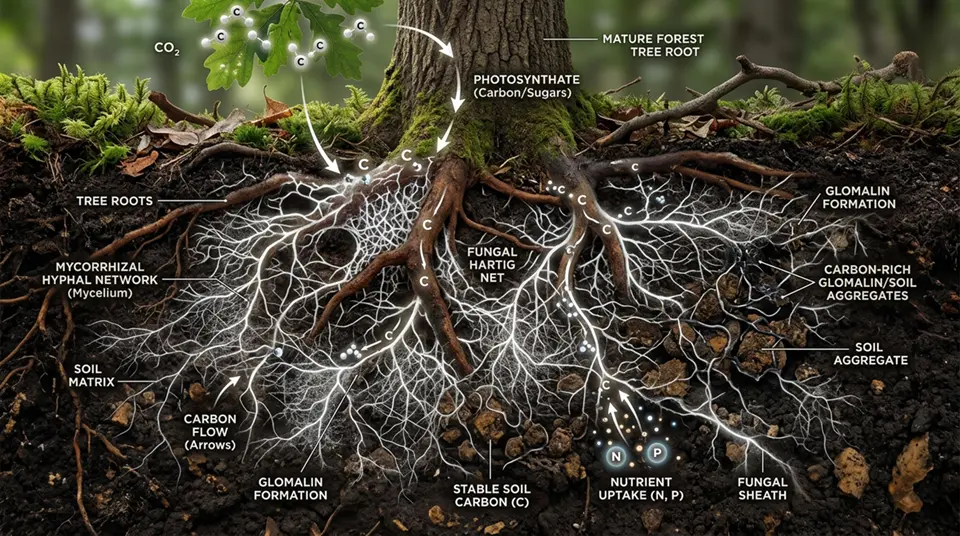
Although visually unusual, the fungus also represents a broader ecological process occurring underground. Fungi play essential roles in nutrient cycling, decomposition, and soil health.
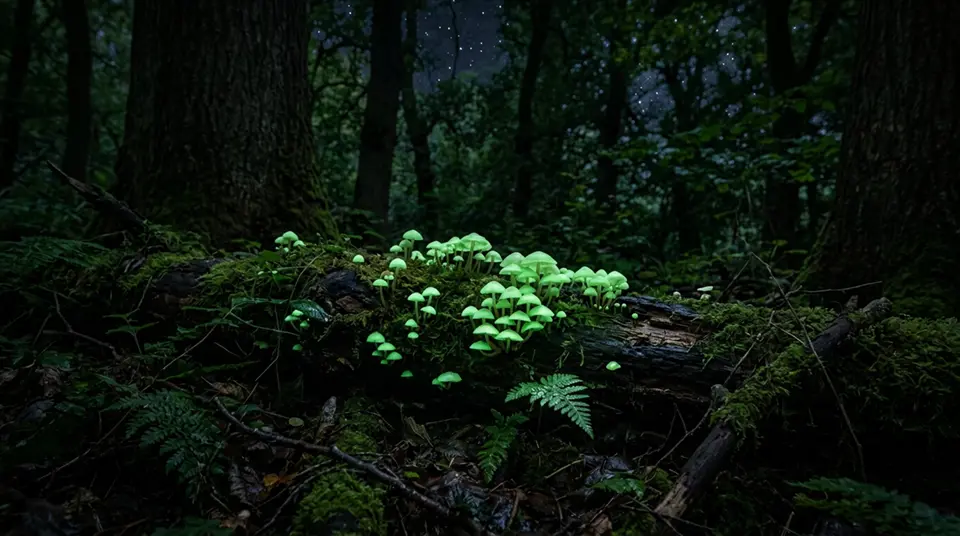
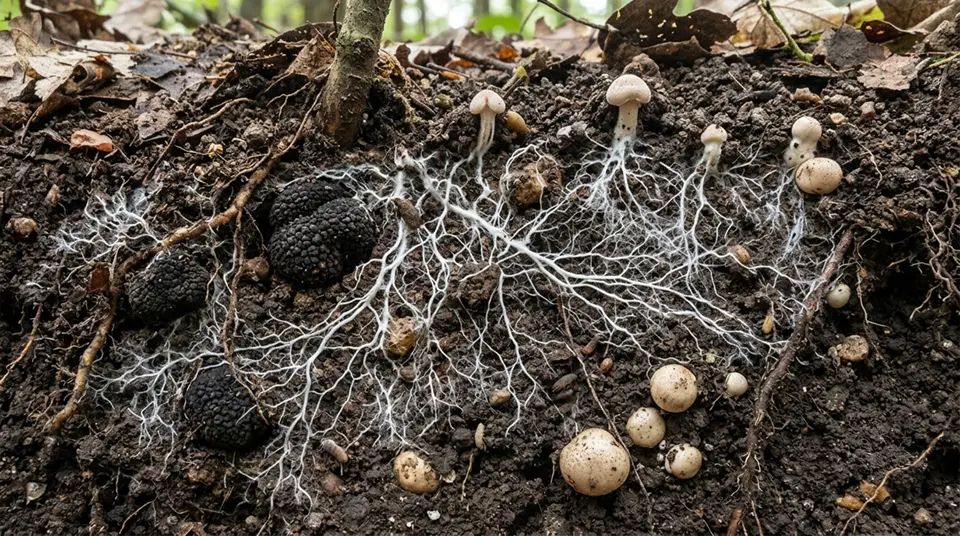
Many fungal species form hidden networks beneath the forest floor, breaking down organic matter and supporting plant ecosystems. Rare fungi such as Nilamanga may serve as indicators of environmental stability and biodiversity within local habitats.
Their appearance can therefore provide insight into ecosystem conditions and seasonal ecological balance.
Cultural and Local Significance
The report highlights how local communities have historically observed and named unusual natural phenomena long before scientific classification became widespread. Nilamanga is an example of how traditional ecological knowledge often preserves awareness of rare organisms within regional culture.
For many residents, the fungus represents not only a biological curiosity but also a seasonal marker connected to local identity and environmental memory.
This cultural dimension adds another layer to the scientific interest surrounding the organism.
Scientific Interest in Uncommon Fungal Species
Rare fungal appearances often attract attention from researchers due to the limited understanding of many fungal life cycles. Fungi remain among the least documented groups of organisms globally, with countless species still poorly studied or unidentified.
The emergence of unusual fungi provides opportunities for mycologists to investigate biodiversity, ecological interactions, and environmental adaptation.
In tropical ecosystems especially, fungal diversity is believed to be far greater than currently documented.
Fungi and Environmental Sensitivity
Fungal growth patterns are highly sensitive to changes in temperature, moisture, and habitat disturbance. As environmental conditions shift due to climate variability and land-use changes, some fungal species may become less common while others expand into new areas.
The reappearance of Nilamanga has therefore also prompted discussions about environmental conservation and the preservation of habitats that support rare fungal communities.
Protecting these ecosystems is considered important not only for visible plant and animal life but also for the hidden microbial systems that sustain biodiversity.

The Challenge of Identification and Classification
Identifying rare fungi can be difficult, particularly when local names and scientific classifications differ. Many fungi exhibit short fruiting periods and highly localized growth patterns, limiting opportunities for study.
Researchers often rely on both morphological observation and genetic analysis to determine species identity accurately. Community observations can also contribute valuable information, especially in regions where traditional ecological knowledge remains strong.
Renewed Public Fascination with Fungi
Globally, interest in fungi has grown rapidly in recent years, driven by research into ecology, medicine, food systems, and environmental science. Stories such as the return of Kerala’s “earth mango” reflect how fungi continue to capture public imagination due to their unusual biology and hidden lifestyles.
Unlike plants or animals, fungi often remain invisible until brief environmental windows allow them to emerge visibly.
A Reminder of Nature’s Hidden Cycles
The appearance of Nilamanga serves as a reminder that much of nature’s activity occurs out of sight. Beneath the soil, fungal systems operate continuously, shaping ecosystems in ways that are only occasionally visible to humans.
Its seasonal return highlights the complexity of tropical ecosystems and the intricate relationships between climate, soil, and microbial life.
Looking Ahead
As interest in fungal biodiversity continues to expand, rare organisms like Nilamanga may receive increased scientific attention. Their study could contribute to broader understanding of tropical ecology, environmental monitoring, and fungal evolution.
For local communities, however, the fungus remains something more immediate: a rare seasonal presence that reconnects people with the rhythms of the land and the hidden life beneath their feet.