
I used to think mushrooms were either for risottos or rainy-day hikes. You’d never catch me thinking they’d hold the future of psychiatry—or the power to gently undo years of pain when nothing else could. But that’s exactly what’s happening with Psilocybe, those so-called “magic mushrooms” that are quietly becoming some of the most talked-about fungi in mental health science.
After reading a recent review on their chemistry, culture, and clinical promise, I felt the need to sit with it. Really sit with it. Because this isn’t just about psychedelics. It’s about science learning to listen to what traditional knowledge and the natural world have known for centuries.

The Power Beneath the Cap: What Makes Psilocybe Special
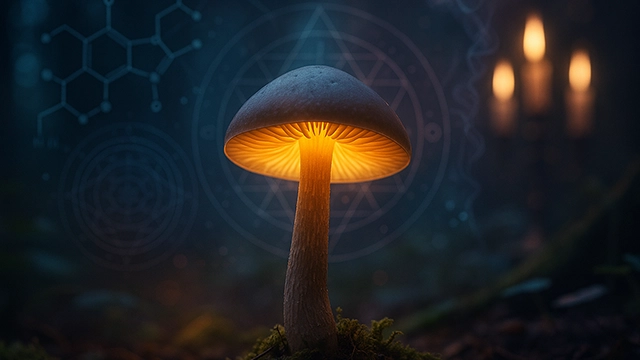
At the heart of Psilocybe mushrooms lies psilocybin, which the body converts into psilocin—a molecule that dances with our serotonin receptors and unlocks something many call expanded awareness. But it doesn’t stop there. The mushrooms also carry compounds like baeocystin and norbaeocystin, and researchers are now uncovering alternative biosynthetic pathways—in other words, how these compounds are made naturally.
That kind of detail matters. Because if we can understand the chemistry deeply, we can replicate it safely, ethically, and affordably. Think lab-grown versions for pharmaceutical use, without needing to harvest or commercialize wild species. It’s a quiet revolution in how we make medicine—one molecule at a time.

Tradition Knows: Bridging Ceremony and Clinical Trials
This isn’t a new story—it’s an old one finally being retold with the right kind of respect. Psilocybe mushrooms have been used for centuries in Indigenous ceremonies, especially in Central and South America. They weren’t just tripping tools—they were guides, healers, and bridges between the inner world and the spirit beyond.
The challenge now? Merging that ancient understanding with modern clinical frameworks. It’s not just about extracting the active ingredient—it’s about remembering that context matters. That care, ritual, and setting affect outcomes just as much as dosage and molecular weight.
This review didn’t erase that history—it acknowledged it. And that’s rare in science writing.
Healing the Unhealable: Where Psilocybin Might Help
Here’s where things get personal. As someone who has watched people I love struggle with depression and trauma, the research on psilocybin-assisted therapy feels both exciting and deeply moving.
Clinical studies suggest real impact in areas where conventional treatments stall:
- Treatment-resistant depression
- PTSD and complex trauma
- End-of-life anxiety in terminal illness
- Addiction recovery (alcohol and nicotine)
- Cluster headaches, one of the most excruciating and understudied conditions
What makes psilocybin unique isn’t just its interaction with serotonin—it’s its ability to induce lasting psychological shifts. People come out of these guided sessions not just feeling better—but thinking differently. And that change seems to stick.
That’s not a pill. That’s a process. And maybe that’s what we’ve been missing in mental health all along.

Taxonomy and Truth: Getting the Biology Right
It may sound dry, but the article’s section on taxonomy and genetic diversity really matters. If you want good science, you need good classification. And with so many wild and cultivated Psilocybe species, clarity isn’t optional—it’s essential.
Why? Because clinical trials need reproducibility. Regulators need specificity. And growers—both in research and future legal markets—need to know what they’re working with. It’s the foundation for safety, legality, and credibility.

What Comes Next? A New Frontier With Old Roots
The review doesn’t sugarcoat the road ahead. Psilocybe mushrooms are still classified as controlled substances in most of the world. There are still questions about accessibility, abuse potential, and how best to scale treatment responsibly.
But the direction is clear: if policy evolves alongside science—and if care is taken to center both cultural respect and patient safety—we may be on the verge of something extraordinary.
A hundred years ago, penicillin changed the face of medicine. Today, psilocybin may do the same for mental health.
This isn’t just about mushrooms. It’s about changing the way we think about healing. It’s about believing that what grows in shadow may one day help us see clearly. It’s about being brave enough to combine ritual with reason.
So here’s to Psilocybe—not as a recreational relic, but as a mycological messenger of change.
What was once underground is now under the microscope. And if we’re wise, we’ll look at it with open minds, open hearts, and the humility to admit that fungi might know a few things we’ve forgotten.
References
Academic
- Carhart-Harris, R. L. et al. (2016). Psilocybin for treatment-resistant depression: an open-label feasibility study.The Lancet Psychiatry. Full text
- Johnson, M. W. et al. (2014). Pilot study of psilocybin-assisted smoking cessation therapy. Journal of Psychopharmacology. Full text
- Nichols, D. E. (2020). Psychedelics. Pharmacological Reviews. Full text
Official
Key Takeaways
- I used to think mushrooms were either for risottos or rainy-day hikes.
- It’s about science learning to listen to what traditional knowledge and the natural world have known for centuries.
- Because if we can understand the chemistry deeply, we can replicate it safely, ethically, and affordably.
- It’s a quiet revolution in how we make medicine—one molecule at a time.
- Merging that ancient understanding with modern clinical frameworks.
Frequently Asked Questions
What should you know about the Power Beneath the Cap: What Makes Psilocybe Special?
At the heart of Psilocybe mushrooms lies psilocybin, which the body converts into psilocin—a molecule that dances with our serotonin receptors and unlocks something many call expanded awareness. But it doesn’t stop there. The mushrooms also carry compounds like baeocystin and norbaeocystin, and rese
What should you know about tradition Knows: Bridging Ceremony and Clinical Trials?
This isn’t a new story—it’s an old one finally being retold with the right kind of respect. Psilocybe mushrooms have been used for centuries in Indigenous ceremonies, especially in Central and South America. They weren’t just tripping tools—they were guides, healers, and bridges between th
What should you know about healing the Unhealable: Where Psilocybin Might Help?
Here’s where things get personal. As someone who has watched people I love struggle with depression and trauma, the research on psilocybin-assisted therapy feels both exciting and deeply moving.
What should you know about taxonomy and Truth: Getting the Biology Right?
It may sound dry, but the article’s section on taxonomy and genetic diversity really matters. If you want good science, you need good classification. And with so many wild and cultivated Psilocybe species, clarity isn’t optional—it’s essential.
What Comes Next? A New Frontier With Old Roots?
The review doesn’t sugarcoat the road ahead. Psilocybe mushrooms are still classified as controlled substances in most of the world. There are still questions about accessibility, abuse potential, and how best to scale treatment responsibly.