
The Most Dangerous Fungi Are the Ones You Cannot See
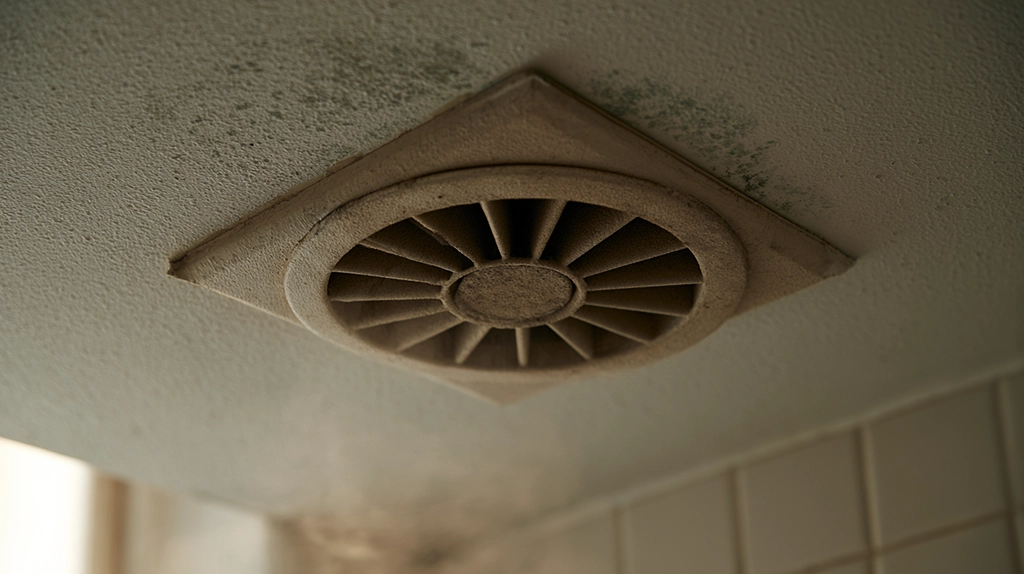
Mold spores are a constant presence in the air we breathe. For most people, they are harmless passengers, quickly cleared by a healthy immune system. But for patients with weakened immunity—such as organ transplant recipients, people undergoing chemotherapy, or those taking long-term immunosuppressive drugs—these spores can become life-threatening invaders.
When molds penetrate deep into the lungs, blood vessels, or internal tissues, they can cause invasive fungal infections, a category of disease associated with high mortality and notoriously difficult diagnosis. In many cases, the greatest challenge is not treatment, but recognizing the infection early enough to act.

A Diagnostic Dilemma in Modern Medicine
Traditionally, diagnosing invasive mold infections requires invasive procedures, including bronchoscopy, deep tissue biopsies, or surgical sampling. These methods carry significant risks and are often unsuitable for critically ill or immunocompromised patients.
Clinicians frequently face a painful trade-off: suspect a fungal infection, but hesitate to perform a procedure that may endanger the patient. During this delay, the infection may continue to spread, largely undetected.

Listening to the Blood Instead of Cutting Tissue
In 2025, researchers at Stanford Medicine introduced a fundamentally different approach. Rather than searching directly for mold in tissue, they asked whether the infection leaves behind detectable traces elsewhere in the body.
Their answer lies in the bloodstream.
The team developed a blood-based fungal DNA test, capable of detecting minute fragments of mold DNA circulating in the blood. As invasive fungi damage tissues, they release genetic material that can be identified using highly sensitive molecular techniques, similar to those employed in liquid biopsies for cancer diagnostics.
This method requires only a blood draw, eliminating the need for invasive sampling in many cases.

Clinical Evidence Behind the Promise
To evaluate the test’s performance, researchers analyzed 506 patients suspected of having invasive fungal infections. Blood test results were compared with outcomes from conventional diagnostic procedures.
The findings were striking:
- 88.5% concordance between the blood test and traditional diagnostic methods
- Results available in approximately 24 hours, compared to days or weeks for conventional testing
- In many cases, sufficient information to guide antifungal treatment without invasive procedures
For clinicians, the impact is not only diagnostic accuracy, but speed—often the most critical factor in patient survival.
Understanding the Limits
The researchers caution that the test is not universally applicable. Infections localized in areas with limited blood circulation, such as the sinuses or extremities, may not release enough fungal DNA into the bloodstream to be detected reliably.
As a result, the blood test is best viewed as a powerful complement to existing diagnostic tools rather than a complete replacement.

From Research Tool to Clinical Practice
The blood-based mold test is already in clinical use within the Stanford Health Care system, where approximately 3,000 tests are performed each month. Efforts are underway to further automate and commercialize the technology, with the goal of expanding access to other hospitals and healthcare systems.
Beyond mold infections, the same platform may eventually support rapid diagnosis of other hard-to-detect pathogens.

Key Takeaways
- Mold spores are a constant presence in the air we breathe.
- But for patients with weakened immunity—such as organ transplant recipients, people undergoing chemotherapy, or those taking long-term immunosuppressive drugs—these spores can become life-threatening invaders.
- Traditionally, diagnosing invasive mold infections requires invasive procedures, including bronchoscopy, deep tissue biopsies, or surgical sampling.
- Clinicians frequently face a painful trade-off: suspect a fungal infection, but hesitate to perform a procedure that may endanger the patient.
- Rather than searching directly for mold in tissue, they asked whether the infection leaves behind detectable traces elsewhere in the body.
Frequently Asked Questions
What should you know about the Most Dangerous Fungi Are the Ones You Cannot See?
Mold spores are a constant presence in the air we breathe. For most people, they are harmless passengers, quickly cleared by a healthy immune system. But for patients with weakened immunity—such as organ transplant recipients, people undergoing chemotherapy, or those taking long-term immunosuppressi
What should you know about a Diagnostic Dilemma in Modern Medicine?
Traditionally, diagnosing invasive mold infections requires invasive procedures, including bronchoscopy, deep tissue biopsies, or surgical sampling. These methods carry significant risks and are often unsuitable for critically ill or immunocompromised patients.
What should you know about listening to the Blood Instead of Cutting Tissue?
In 2025, researchers at Stanford Medicine introduced a fundamentally different approach. Rather than searching directly for mold in tissue, they asked whether the infection leaves behind detectable traces elsewhere in the body.
What should you know about clinical Evidence Behind the Promise?
To evaluate the test’s performance, researchers analyzed 506 patients suspected of having invasive fungal infections. Blood test results were compared with outcomes from conventional diagnostic procedures.
What should you know about understanding the Limits?
The researchers caution that the test is not universally applicable. Infections localized in areas with limited blood circulation, such as the sinuses or extremities, may not release enough fungal DNA into the bloodstream to be detected reliably.