
Patagonia’s Fungal Awakening: More Than Just Mushrooms
In the windswept, storybook wilderness of Patagonia, where glaciers meet forest and sea, a quiet but profound revolution is unfolding—one rooted in the ancient and astonishing world of fungi. The region’s recent surge in mushroom cultivation is not a fleeting food trend. Rather, it’s a groundswell of ingenuity, culture, and sustainability that’s transforming local economies, land stewardship, and even the way people see themselves in the ecosystem.
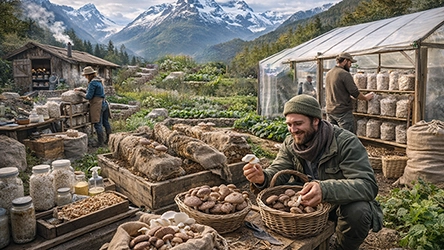
The conditions aren’t easy: Patagonia’s climate is dramatic, its soils are thin, and communities are scattered. But these challenges have proved fertile ground for creativity. Small-scale producers—many in rural or Indigenous communities—have transformed garages and greenhouses into bustling fungal laboratories. With little access to expensive equipment, they engineer their own sterilization units and repurpose agricultural waste as growth substrate. This do-it-yourself spirit is enabling the emergence of micro-enterprises that not only provide income but foster independence and resilience.

From Compost to Regeneration: Fungi as Agents of Change
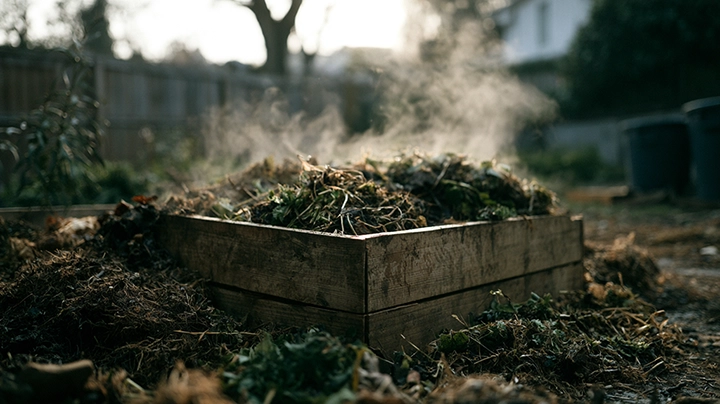
At the heart of this Patagonian movement is a paradigm shift in how fungi are valued. Mushrooms are being recognized not just for their culinary flair, but as engines of ecological regeneration. Farmers are weaving mycoculture into their operations, using fungi to compost crop leftovers, enrich soil, and reduce chemical input. Spent coffee grounds, sawdust, and straw—all waste products in a linear system—are reborn as valuable food.
This cyclical, agroecological approach is replacing extractive agriculture with a model grounded in cooperation and regeneration. Farms that once relied on monocultures are diversifying—combining mushrooms with vermiculture and composting.
The fungal life cycle, with its relentless transformation of decay into growth, has become a living metaphor for rural renewal.

Healing, Identity, and the New Fungal Economy
While the humble oyster mushroom (Pleurotus) is the regional mainstay, Patagonia’s mycological ambitions reach further. Growers are exploring medicinal and adaptogenic fungi—reishi (Ganoderma), lion’s mane (Hericium erinaceus), Cordyceps—and developing new markets for tinctures, teas, and powders. This trend bridges local herbal traditions with global wellness movements, offering new economic hope while reviving old wisdom.
Producers are also building a distinctive Patagonian brand—one that champions transparency, sustainable sourcing, and consumer education. Direct-to-consumer sales, community fairs, and online outreach help keep value within the region, while empowering residents with the knowledge and pride of a unique food culture.

Grassroots Mycotech and Open-Source Ingenuity
The region’s scarcity of high-tech resources has been a blessing in disguise. Lacking access to commercial sterilizers or lab supplies, Patagonian growers share hacks and homegrown designs through cooperatives, WhatsApp groups, and local clubs. School workshops and public demonstrations make mushroom growing accessible to anyone, turning kitchens and classrooms into mini-labs and sparking curiosity across generations.
These grassroots innovations are more than just technical solutions—they’re fostering a culture of experimentation, sharing, and open-source learning that could teach the world a thing or two about community-based science.

Cultural Revival: Fungi, Food Sovereignty, and Memory
For many rural and Indigenous Patagonians, mushrooms are more than a product—they’re a living link to land, memory, and food sovereignty. Foraging, once marginalized, is being revived through guided walks, festivals, and educational campaigns that celebrate local biodiversity and ancestral knowledge. Fungiculture thus becomes a form of cultural reclamation—a way to reconnect with territory, honor seasonal cycles, and strengthen community bonds.

Conservation and Climate Resilience
The environmental case for mushrooms is compelling: they require little water, grow vertically or indoors, and transform waste into nourishment. Mycorrhizal fungi in particular are being studied as powerful allies in reforesting degraded lands, enhancing soil carbon, and buffering watersheds against climate extremes.
In a region under threat from extraction and climate change, these low-impact, high-yield systems are not just productive—they’re a model for resilience.
Patagonia’s movement is also about conserving its greatest asset: its wild beauty. Mushroom farms can exist in harmony with forests, rivers, and grasslands—showing that production and preservation are not mutually exclusive.

From Patagonia to the World
What’s perhaps most hopeful about Patagonia’s mycoculture is its global relevance. The lessons being learned here—about ingenuity, circularity, and local empowerment—can inspire regions far beyond the southern Andes. In a world searching for sustainable food systems, climate solutions, and economic dignity, the tools of fungiculture are adaptable and scalable. Patagonia’s story reminds us that innovation often springs from the margins—and that fungi, the planet’s oldest recyclers, may just be key architects of our future.
So as the mushroom beds multiply in southern Chile and Argentina, and as new mycotech workshops light up rural towns, Patagonia is quietly seeding a future where fungi aren’t just food, but a foundation for regeneration, connection, and hope.
Key Takeaways
- In the windswept, storybook wilderness of Patagonia, where glaciers meet forest and sea, a quiet but profound revolution is unfolding—one rooted in the ancient and astonishing world of fungi.
- Rather, it’s a groundswell of ingenuity, culture, and sustainability that’s transforming local economies, land stewardship, and even the way people see themselves in the ecosystem.
- But these challenges have proved fertile ground for creativity.
- This do-it-yourself spirit is enabling the emergence of micro-enterprises that not only provide income but foster independence and resilience.
- Mushrooms are being recognized not just for their culinary flair, but as engines of ecological regeneration.
Frequently Asked Questions
What should you know about patagonia’s Fungal Awakening: More Than Just Mushrooms?
In the windswept, storybook wilderness of Patagonia, where glaciers meet forest and sea, a quiet but profound revolution is unfolding—one rooted in the ancient and astonishing world of fungi. The region’s recent surge in mushroom cultivation is not a fleeting food trend. Rather, it’s a groundswell o
What should you know about from Compost to Regeneration: Fungi as Agents of Change?
At the heart of this Patagonian movement is a paradigm shift in how fungi are valued. Mushrooms are being recognized not just for their culinary flair, but as engines of ecological regeneration. Farmers are weaving mycoculture into their operations, using fungi to compost crop leftovers, enrich soil
What should you know about healing, Identity, and the New Fungal Economy?
While the humble oyster mushroom (Pleurotus) is the regional mainstay, Patagonia’s mycological ambitions reach further. Growers are exploring medicinal and adaptogenic fungi—reishi (Ganoderma), lion’s mane (Hericium erinaceus), Cordyceps—and developing new markets for tinctures, teas, and powders. T
What should you know about grassroots Mycotech and Open-Source Ingenuity?
The region’s scarcity of high-tech resources has been a blessing in disguise. Lacking access to commercial sterilizers or lab supplies, Patagonian growers share hacks and homegrown designs through cooperatives, WhatsApp groups, and local clubs. School workshops and public demonstrations make mushroo
What should you know about cultural Revival: Fungi, Food Sovereignty, and Memory?
For many rural and Indigenous Patagonians, mushrooms are more than a product—they’re a living link to land, memory, and food sovereignty. Foraging, once marginalized, is being revived through guided walks, festivals, and educational campaigns that celebrate local biodiversity and ancestral knowledge