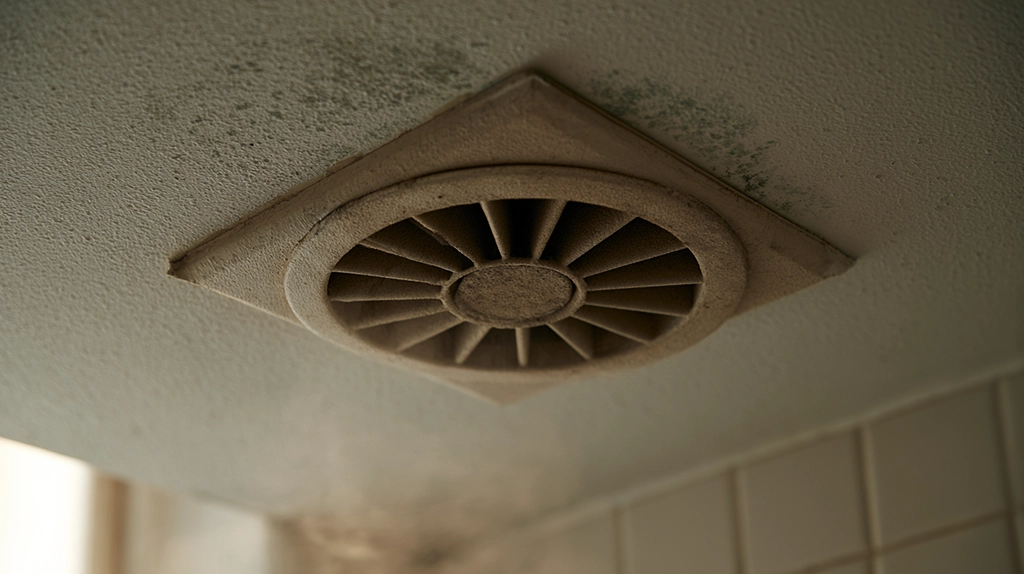

The story of mold always begins in a place we can’t see. It doesn’t knock, it doesn’t warn, yet within days it can stain walls, alter the smell of the air, and erase the sense of cleanliness in a space.
People everywhere ask the same question: Is it possible to prevent mold permanently?
From a scientific perspective, the answer lies not in cleaning agents, but in environmental management.
The Rules of the Game
To fight mold, we must first understand its rules. Mold needs only three things to grow: moisture, nutrients, and temperature.
Nutrients are everywhere — in wood, paper, dust, leather, even airborne particles. Temperature isn’t much of a barrier either; what feels comfortable to humans usually suits mold just fine. What truly decides whether it acts or sleeps is moisture.
At around 60% relative humidity (RH), hygroscopic surfaces such as paint coatings, paper fibers, fabrics, or leather can already accumulate a thin layer of available water — just enough to awaken fungal spores.
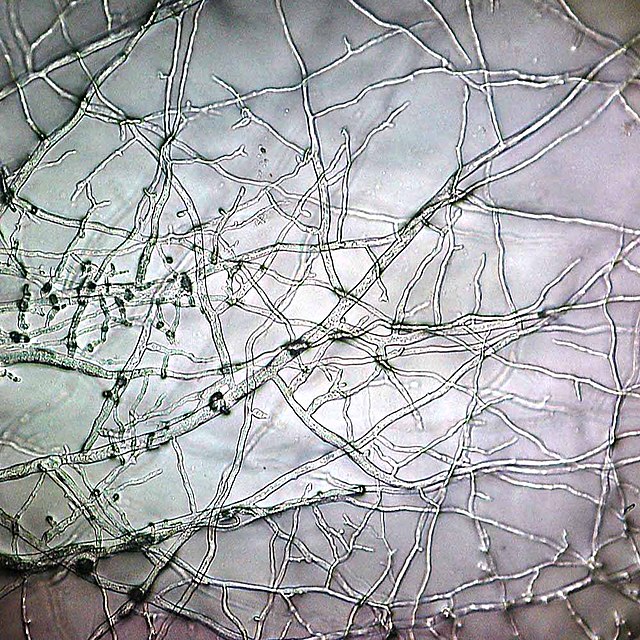
According to physiological studies on Aspergillus flavus and Aspergillus niger, once water and minimal nutrients are available, common mold spores typically complete germ-tube formation within 5–10 hours. After that, hyphae expand rapidly, colonizing the surface.
When the environment stays dry, spores shift into dormancy, waiting for the next wave of moisture.
This rhythm of “rest and activation” makes mold far more resilient than most people realize. It doesn’t rush to grow; it simply waits. The moment the air grows damp, it resumes life.
That’s why controlling humidity breaks the chain of survival. True prevention doesn’t mean killing every spore — it means never giving them the chance to begin.

Let the Air Move: Stopping Moisture Across Climates
If there’s a second superpower in long-term mold prevention, it’s airflow.
Air movement not only removes humidity but also disrupts the stability of spores on surfaces.
Research shows that under identical humidity levels, continuous air circulation can make drying two to three times faster, delaying visible mold growth by several folds.
That’s why in tropical or coastal regions, closing windows for just a few days can lead to dark stains along the walls. Mold doesn’t appear suddenly — it was always there, simply waiting for still air.
No matter where you live, moving air is your first line of defense.
Different climates bring different challenges:
- Humid and tropical regions: Focus on dehumidification and cross-ventilation. Open windows on opposite sides to create a natural draft — it lasts longer than any spray.
- Dry regions: Watch out for condensation traps. Hot days followed by cold nights can leave micro water films in corners and window frames, perfect shelters for mold.
- Cold climates: The danger lies in hidden condensation within insulated walls. Here, balancing airtightness with ventilation is more effective than heating alone.
In every climate, prevention isn’t about stopping moisture from existing — it’s about preventing it from staying.
True, lasting prevention doesn’t come from one-time drying or chemical treatments, but from keeping air continuously in motion. When airflow becomes part of the room’s rhythm, the game of mold simply ends before it starts.
Building Habits That Keep Mold Away
Mold prevention is not a sprint — it’s a marathon. The real winner isn’t technology or chemistry, but habit.
Everyday actions determine how air moves and how surfaces manage moisture. In other words, our routines quietly decide whether spores wake or sleep.
Start with routine awareness. Spend a few minutes each week inspecting corners, windows, and drains for moisture, condensation, or odor. This proactive check often spots risks earlier than any sensor. Studies show that when abnormal humidity lasts over 48 hours, surface activation risk rises sharply. Finding it a day earlier can save weeks of cleaning.
Next is consistent dehumidification. Continuous, steady dehumidification maintains dryness more effectively than intermittent bursts. Research indicates that stable humidity control prevents the rapid rebound that mold thrives on. Mold adapts best in cycles of drying and wetting — so consistency beats intensity.
Then, maintain airflow habits. Let the bathroom air out for ten minutes after a shower, run the exhaust fan after cooking, and allow cross-ventilation before closing windows. Experiments show that consistent air movement can shorten surface drying time by two to three times.
Finally, rethink material and usage habits. Don’t push furniture tightly against walls — let them breathe. Avoid stacking cardboard boxes, fabrics, or leather in dark corners. Regularly rotate, sun-dry, and air out stored items to reset the microclimate. These simple actions break mold’s hidden cycles.

Mastering the Invisible
We can’t eliminate mold from existence — but we can deny it a stage.
By learning to control humidity, guide airflow, choose materials wisely, and sustain consistent habits, mold remains confined to the microscope, not your walls.
“Permanent prevention” isn’t a single battle; it’s a subtle adjustment in how we live.
True cleanliness isn’t the white of a surface — it’s the stability of a system.
When we start managing the invisible patterns around us, the game of mold ends — with no players left but the spores themselves.
References
- EPA Mold and Moisture Control Guidelines
- CDC Mold Basics for Indoor Air Quality
- ASHRAE Handbook – Humidity and Condensation Control
- NIH Studies on Aspergillus Physiology and Germination
- WHO Guidelines for Indoor Air Quality: Dampness and Mold
Key Takeaways
- The story of mold always begins in a place we can’t see.
- Temperature isn’t much of a barrier either; what feels comfortable to humans usually suits mold just fine.
- At around 60% relative humidity (RH), hygroscopic surfaces such as paint coatings, paper fibers, fabrics, or leather can already accumulate a thin layer of available water — just enough to awaken fungal spores.
- When the environment stays dry, spores shift into dormancy, waiting for the next wave of moisture.This rhythm of “rest and activation” makes mold far more resilient than most people realize.
- True prevention doesn’t mean killing every spore — it means never giving them the chance to begin.
Frequently Asked Questions
What is Mold’s Eternal Game and why does it matter?
The story of mold always begins in a place we can’t see. It doesn’t knock, it doesn’t warn, yet within days it can stain walls, alter the smell of the air, and erase the sense of cleanliness in a space.People everywhere ask the same question: Is it possible to prevent mold permanently?From a scienti
How does climate change influence the spread of Mold’s Eternal Game?
To fight mold, we must first understand its rules. Mold needs only three things to grow: moisture, nutrients, and temperature.Nutrients are everywhere — in wood, paper, dust, leather, even airborne particles. Temperature isn’t much of a barrier either; what feels comfortable to humans usually s
What are researchers and experts doing to address Mold’s Eternal Game?
At around 60% relative humidity (RH), hygroscopic surfaces such as paint coatings, paper fibers, fabrics, or leather can already accumulate a thin layer of available water — just enough to awaken fungal spores.
What are the main risks associated with Mold’s Eternal Game?
According to physiological studies on Aspergillus flavus and Aspergillus niger, once water and minimal nutrients are available, common mold spores typically complete germ-tube formation within 5–10 hours. After that, hyphae expand rapidly, colonizing the surface.
What actions are recommended regarding Mold’s Eternal Game?
When the environment stays dry, spores shift into dormancy, waiting for the next wave of moisture.This rhythm of “rest and activation” makes mold far more resilient than most people realize. It doesn’t rush to grow; it simply waits. The moment the air grows damp, it resumes life.That’s why controlli