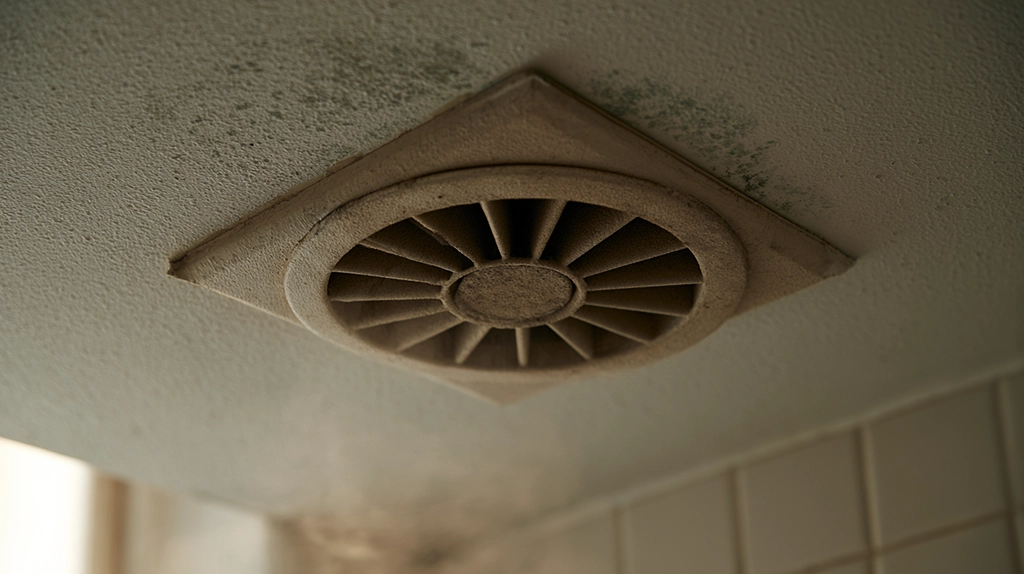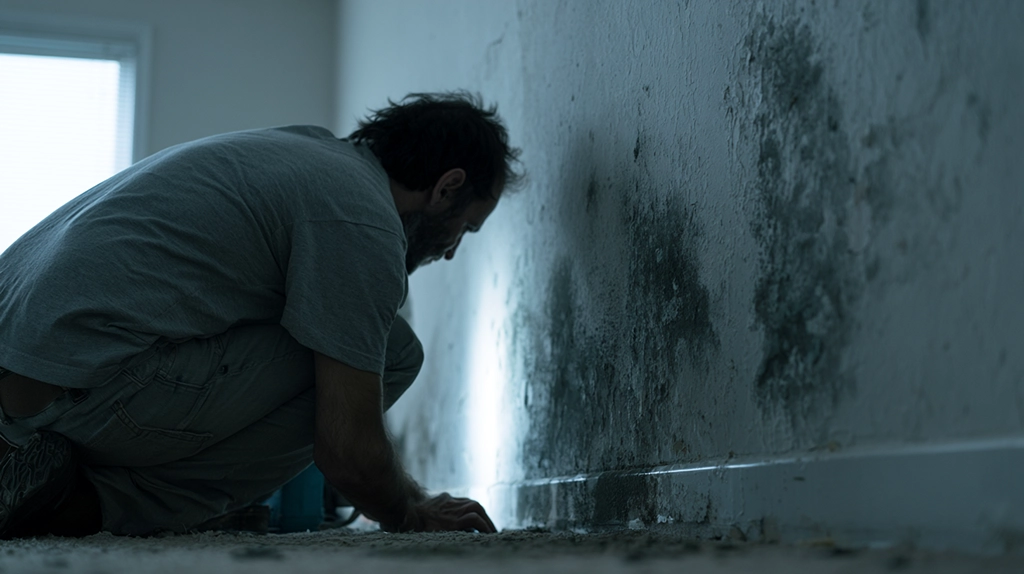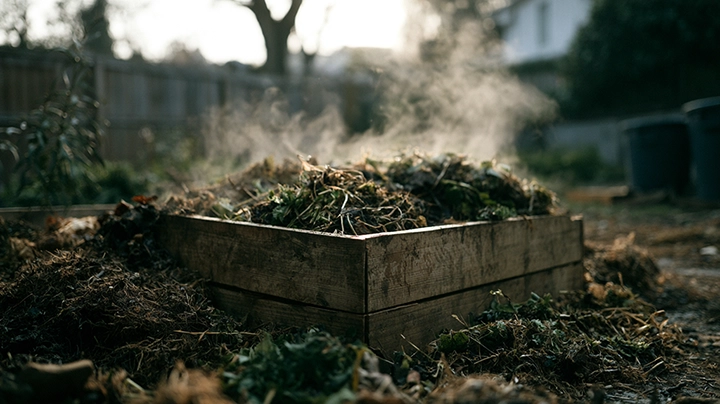

When most people think of mold, they picture black patches on damp walls, the musty smell of the rainy season, or bread gone bad. But mold’s influence goes far beyond spoiled food or construction materials. It quietly creeps into our everyday lives, causing small annoyances that don’t send us rushing to the doctor, but still leave us frustrated, embarrassed, or uncomfortable.
Surprisingly, three of the most common “little problems” we encounter—dandruff, nail fungus, and athlete’s foot—are all linked to fungi.
Dandruff: An Invisible Party on Your Scalp
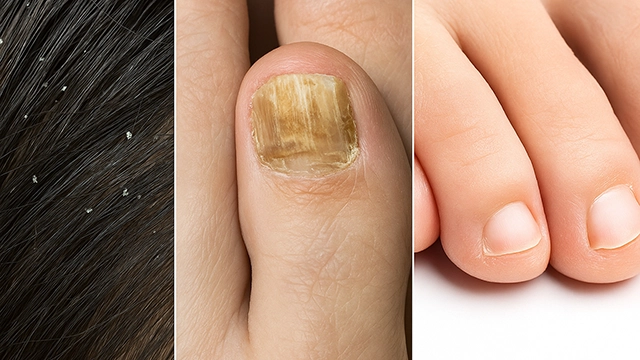
Dandruff is often blamed on dryness, but its real culprit is a fungus. On our scalp lives a yeast-like fungus called Malassezia. Normally, it coexists peacefully with us. But when its population grows too large, things change. Malassezia breaks down natural oils on the scalp and releases oleic acid. This irritates the skin, triggers inflammation, and speeds up the shedding of skin cells. The result? Tiny white flakes that land on our shoulders.
Dandruff isn’t painful, but it is socially awkward. Picture yourself in a black sweater during a meeting, noticing white specks dusting your shoulders. It’s not just dry skin—it’s a fungal overgrowth throwing a party on your scalp.

Nail Fungus: The Hidden Story Behind Discolored Nails
Fungal nail infection, known medically as onychomycosis, is another everyday encounter with mold. Dermatophytes, yeasts, and other fungi can invade the nail, turning it thick, yellow, brittle, and sometimes crumbly.
At first glance, it seems like a cosmetic issue, but nail fungus can cause discomfort and even pain, making walking or wearing shoes unpleasant. It also creates openings where bacteria can slip in, causing secondary infections.
Infections often start in the most ordinary places: the damp floors of public baths, swimming pools, or simply from sharing nail clippers. The changes creep up so gradually that people often don’t realize the cause until their nails look noticeably different.

Athlete’s Foot: A Mold Paradise in Your Shoes
If dandruff is subtle and nail fungus is slow, athlete’s foot is the most obvious fungal reminder in daily life. Known medically as tinea pedis, athlete’s foot is a fungal infection of the toes and soles.
The symptoms are irritating but familiar: peeling between the toes, itchiness, burning, even cracks or blisters. Why is it so common? Because shoes and socks provide fungi with everything they need—warmth, moisture, and darkness. After a day of sweating in sneakers or office shoes, the environment inside becomes a fungal paradise.
It’s easy to mistake athlete’s foot for simple sweaty feet or poor ventilation, but fungi are the real culprits. Athletes are frequent sufferers due to constant shoe use, but office workers who wear tight leather shoes all day are just as vulnerable.

Other “Minor Nuisances” You Might Not Link to Mold
Beyond these three well-known examples, fungi sneak into our daily routines in other subtle ways:
- Damp bathroom towels or shower mats can harbor mold, producing unpleasant odors and sometimes mild skin irritation.
- Air conditioner filters can trap spores, and when airflow spreads them indoors, you might notice sneezing or mild congestion in the mornings.
- Damp food or clothing often carries residual spores that cause lingering odors, lowering comfort even if they don’t directly make you sick.
These aren’t emergencies, but they chip away at comfort and cleanliness. Mold doesn’t always shout; sometimes, it whispers through annoyances we tend to overlook.

The Bigger Picture: Small Annoyances, Big Reminder
The story of mold shows us it’s not just a “big problem” like collapsing drywall or food spoilage. It’s in the tiny flakes on your shoulders, the yellowed nail that won’t grow back normally, and the itchy toes in your shoes.
Next time you notice dandruff on your jacket, a nail that looks off, or that irritating itch between your toes, remember—it’s not just dry skin, aging, or sweat. Mold might be the quiet roommate you never invited but who never leaves.
Understanding these small connections doesn’t mean we should live in fear. Instead, it gives us a sense of control. Once we know how fungi shape our everyday annoyances, we can make better choices—like drying towels thoroughly, keeping shoes ventilated, and recognizing when that “minor issue” might be a fungal signal.
References
Academic
- Xu, J., Saunders, C. W., & Madan, R. (2007). Dandruff-associated Malassezia genomes reveal convergent and divergent virulence traits. Nature, 445(7130), 284–289. doi:10.1038/nature05448
Official
Key Takeaways
- When most people think of mold, they picture black patches on damp walls, the musty smell of the rainy season, or bread gone bad.
- It quietly creeps into our everyday lives, causing small annoyances that don’t send us rushing to the doctor, but still leave us frustrated, embarrassed, or uncomfortable.
- On our scalp lives a yeast-like fungus called Malassezia.
- Malassezia breaks down natural oils on the scalp and releases oleic acid.
- It’s not just dry skin—it’s a fungal overgrowth throwing a party on your scalp.
Frequently Asked Questions
What should you know about dandruff: An Invisible Party on Your Scalp?
Dandruff is often blamed on dryness, but its real culprit is a fungus. On our scalp lives a yeast-like fungus called Malassezia. Normally, it coexists peacefully with us. But when its population grows too large, things change. Malassezia breaks down natural oils on the scalp and releases oleic acid.
What should you know about nail Fungus: The Hidden Story Behind Discolored Nails?
Fungal nail infection, known medically as onychomycosis, is another everyday encounter with mold. Dermatophytes, yeasts, and other fungi can invade the nail, turning it thick, yellow, brittle, and sometimes crumbly.
What should you know about athlete’s Foot: A Mold Paradise in Your Shoes?
If dandruff is subtle and nail fungus is slow, athlete’s foot is the most obvious fungal reminder in daily life. Known medically as tinea pedis, athlete’s foot is a fungal infection of the toes and soles.
What should you know about other “Minor Nuisances” You Might Not Link to Mold?
Beyond these three well-known examples, fungi sneak into our daily routines in other subtle ways:
What should you know about the Bigger Picture: Small Annoyances, Big Reminder?
The story of mold shows us it’s not just a “big problem” like collapsing drywall or food spoilage. It’s in the tiny flakes on your shoulders, the yellowed nail that won’t grow back normally, and the itchy toes in your shoes.