
Mold Panic Is Costing Billions—But It Doesn’t Have to Cost You
Mold—the silent, creeping menace that homeowners, landlords, and insurers fear the most. But here’s the truth: not every mold claim is the catastrophe it’s made out to be.
Water damage happens. It’s easy to assume the worst—that mold is already spreading, that homes need to be gutted, that insurance will cover it all. Panic sets in. Walls get ripped out before testing is even done. Entire rooms are demolished, families are displaced, and costs spiral out of control.
The mold industry thrives on fear, and that fear has turned into billions in avoidable costs, fraudulent claims, and reckless remediation projects. But here’s what we need to remember: not all mold is dangerous, and not all mold claims require drastic action.
As homeowners, landlords, and decision-makers, we have the power to prevent unnecessary damage, protect our investments, and make smarter choices.

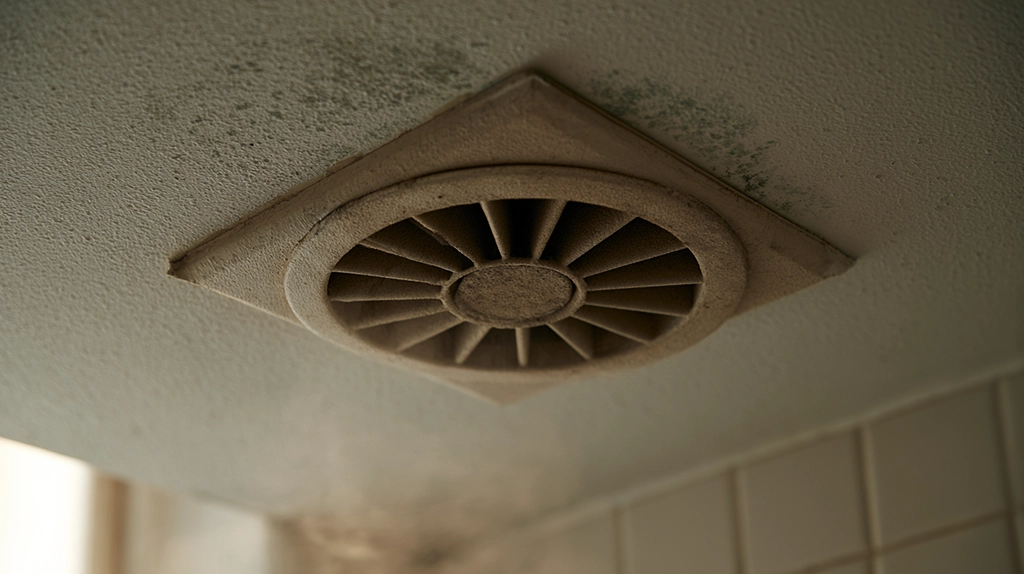
Source: Wikimedia Commons, CC BY-SA 3.0
How Panic Turns Into Unnecessary Costs—And How You Can Stop It
Mold claims follow the same predictable pattern:
- A small leak goes unnoticed for weeks.
- A plumbing failure leads to water pooling behind walls.
- Then the fear sets in. Contractors are called before testing is done. The assumption? “Mold must be everywhere.”
Walls get torn apart. Furniture gets tossed. The price tag? Tens of thousands, sometimes millions, before anyone even confirms the presence of harmful mold.
This happens in homes, schools, hospitals, and offices every day:
- A fire sprinkler floods an apartment complex—before anyone checks for mold, contractors assume the worst. Insurance nearly pays out six figures, only to find out no significant mold growth was present.
- A hospital renovation traps moisture in walls—fear spreads, leading to plans for ICU demolition until further investigation reveals only a small section was affected.
- A university dorm’s air conditioning system malfunctions—panic ensues, leading to 110 rooms being gutted before anyone even tests for mold.
This cycle leaves families displaced, businesses in financial distress, and insurance companies reluctant to cover real mold claims when they arise.
The solution? Slowing down, verifying, and acting with knowledge instead of fear.
The Insurance Shift: What Homeowners Need to Know
For years, mold claims were approved with little pushback. But insurers are now catching on.
Payouts for mold remediation have skyrocketed, leading to more investigations into false claims, unnecessary demolitions, and rushed decisions. Insurance companies are demanding proof before processing claims, and courts are seeing more legal battles over mold damage.
Here’s what this means for homeowners and property managers:
- Insurers are requiring more verification. Testing, documentation, and professional assessments are now a must before approving remediation claims.
- Blind demolitions will no longer be covered. Ripping out walls without proper assessment can leave property owners footing the bill.
- Mold remediation standards are tightening. Unqualified assessors and predatory contractors are being weeded out, making way for credible, science-backed approaches.
This isn’t about ignoring mold. It’s about protecting your home, your budget, and your peace of mind by taking the right steps.
A Smarter Future: How We Can Prevent Mold Fraud and Panic
The mold remediation industry is changing, and technology is leading the way.
AI-driven moisture detection will help homeowners detect leaks early, preventing mold from taking hold before it becomes a crisis.
Stronger licensing regulations will ensure only qualified professionals assess mold damage, reducing fraudulent claims.
Stricter insurance policies will push for proper testing and proof before expensive remediation begins.
The message is simple: Mold is real, but mold hysteria is costly.
As homeowners and decision-makers, we have control over how we respond. We can prevent mold growth, verify claims, and make informed choices—without fear taking over.

Source: Wikimedia Commons, CC BY-SA 4.0
How You Can Take Control and Protect Your Home
The best way to avoid being part of the mold panic cycle is to take action before it happens.
Prevent mold before it starts. Keep humidity low, ensure good ventilation, and fix leaks immediately.
Verify claims before agreeing to costly repairs. Demand proper air sampling and laboratory testing before approving remediation work.
Use technology to monitor your home. Invest in moisture sensors and smart home monitoring systems to detect issues early.
Know your rights and follow best practices. Don’t let misinformation lead to unnecessary home damage or skyrocketing costs.
Mold may be invisible, but our ability to stop mold fraud, protect our homes, and prevent financial loss is within our control.
It’s time to stop fearing mold and start managing it wisely.
References
- Mold – Wikipedia
- Mold Health Issues – Wikipedia
- Insurance Fraud – Wikipedia
- Indoor Air Quality – Wikipedia
- EPA – Mold Remediation
- Wikimedia Commons images:
- Mold on wall (CC BY-SA 3.0)
- Moisture meter (CC BY-SA 4.0)
Key Takeaways
- Mold—the silent, creeping menace that homeowners, landlords, and insurers fear the most.
- It’s easy to assume the worst—that mold is already spreading, that homes need to be gutted, that insurance will cover it all.
- The mold industry thrives on fear, and that fear has turned into billions in avoidable costs, fraudulent claims, and reckless remediation projects.
- Tens of thousands, sometimes millions, before anyone even confirms the presence of harmful mold.
- This cycle leaves families displaced, businesses in financial distress, and insurance companies reluctant to cover real mold claims when they arise.
Frequently Asked Questions
What should you know about mold Panic Is Costing Billions—But It Doesn’t Have to Cost You?
Mold—the silent, creeping menace that homeowners, landlords, and insurers fear the most. But here’s the truth: not every mold claim is the catastrophe it’s made out to be.
How Panic Turns Into Unnecessary Costs—And How You Can Stop It?
Mold claims follow the same predictable pattern:
What should you know about the Insurance Shift: What Homeowners Need to Know?
For years, mold claims were approved with little pushback. But insurers are now catching on.
What should you know about a Smarter Future: How We Can Prevent Mold Fraud and Panic?
The mold remediation industry is changing, and technology is leading the way.
How You Can Take Control and Protect Your Home?
The best way to avoid being part of the mold panic cycle is to take action before it happens.