
Bathrooms don’t give mold much to work with — they give it everything. Warm air, regular moisture, organic residue on surfaces, and limited ventilation in many designs. The conditions aren’t accidental. They’re structural, which means prevention has to be structural too.
The goal isn’t to eliminate every mold spore from a bathroom — that’s neither achievable nor necessary. The goal is to deny mold the sustained conditions it needs to establish and grow. Moisture is the controlling variable. Control moisture, and the other factors that mold requires become irrelevant.
Why Bathrooms Are High-Risk
Bathrooms are among the most mold-prone areas in any building — not because of any single factor, but because of how multiple factors overlap. A shower generates significant water vapor in a short period. That vapor condenses on cooler surfaces: tiles, mirrors, walls, ceilings. Grout absorbs moisture. Soap residue provides organic material. Poor air exchange means surfaces stay damp longer than they should.
Each of these factors individually is manageable. Together, without active intervention, they create conditions where mold can establish on a weekly or even daily cycle.
Ventilation: The Primary Control
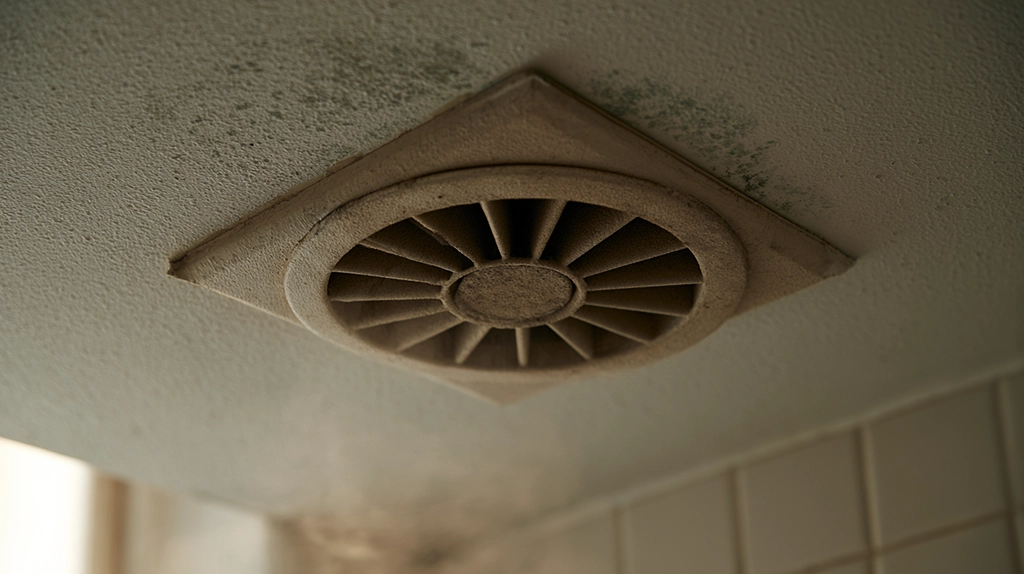
No other single intervention affects bathroom mold risk as consistently as ventilation. An exhaust fan that vents to the exterior — not into a ceiling cavity or attic space — removes the humid air generated by showering before it has time to condense extensively on surfaces.
The timing matters as much as the equipment. Running a fan only during a shower removes some moisture, but the air in the room remains humid after the shower ends. Running the fan for at least 30 minutes after showering allows the air exchange to continue until humidity levels normalize.
Where a mechanical exhaust fan isn’t available or adequate, opening a window during and after showering provides meaningful air movement. A dehumidifier in a bathroom without exterior ventilation can also maintain humidity at levels that don’t support mold growth — ideally below 60 percent relative humidity.
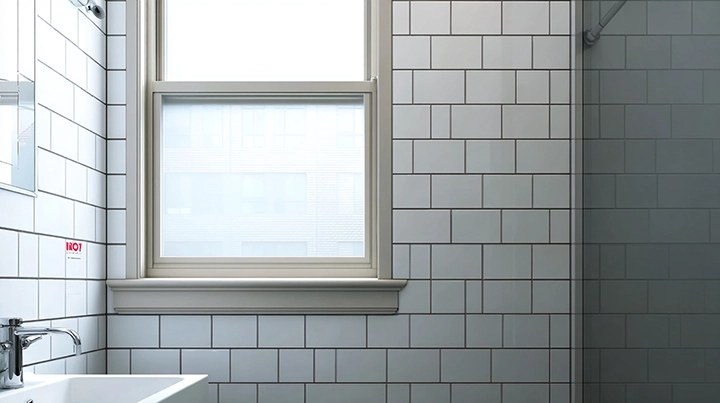
Temperature consistency also matters. Warm, humid air contacting significantly cooler surfaces produces condensation. Maintaining a more consistent bathroom temperature — particularly in colder months — reduces the temperature differential that drives condensation on tiles, windows, and mirrors.

Surface Materials: What You Build With Matters
The materials in a bathroom determine how much moisture they absorb and retain, which directly affects how long surfaces stay damp after use.
Ceramic and porcelain tiles are well suited to bathroom environments because they are non-porous and don’t absorb moisture. The grout between tiles is a different matter — grout is porous and absorbs moisture readily, making it one of the most common sites for mold development. Sealing grout regularly and cleaning it before mold establishes reduces this vulnerability significantly.
Caulking around bathtubs, showers, and sinks is another critical point. Traditional caulk degrades over time, developing cracks and gaps where water can penetrate behind surfaces. Silicone caulk is more durable and more water-resistant than standard acrylic formulations, and replacing degraded caulk promptly prevents the hidden moisture accumulation that leads to mold behind walls.
Using mold-resistant paint on bathroom walls and ceilings provides an additional layer of resistance. These formulations include antimicrobial agents that inhibit surface mold growth. They are not a substitute for moisture control, but in combination with good ventilation, they reduce the likelihood of mold establishing on painted surfaces.
Cleaning Routines: Removing the Conditions Before They Accumulate
Regular cleaning in the bathroom serves two functions: it removes organic residue that provides nutrients for mold, and it removes the moisture that accumulates on surfaces after each use.
Wiping down tile walls and glass surfaces after showering — with a squeegee or a microfiber cloth — significantly reduces the drying time of those surfaces. Surfaces that dry quickly don’t sustain the conditions mold needs. This single habit, applied consistently, has a disproportionate effect on mold risk.
Grout requires more deliberate attention. Because it’s porous, soap residue and moisture accumulate within it rather than just on the surface. Cleaning grout lines with a mold-targeting product on a regular schedule — and ensuring the area dries completely afterward — prevents the slow colonization that makes grout a persistent mold site.
Shower curtains are frequently overlooked. Plastic curtains should be washed regularly and allowed to dry fully after each use — bunching a wet curtain creates exactly the sustained damp conditions where mold establishes quickly. Fabric curtains require washing or replacement when mold appears.

Leaks: The Source That Makes Everything Else Irrelevant
Ventilation, materials, and cleaning routines all address the surface-level moisture that comes from normal bathroom use. Leaks create a different category of problem: persistent moisture in areas that don’t dry between uses, often in locations that aren’t visible.
A slow leak around a faucet base, at pipe connections under a sink, or in the seal at the base of a toilet can sustain moisture levels in wall cavities and under flooring indefinitely. By the time the leak is noticed, mold may already be established behind surfaces where standard cleaning can’t reach it.
Regular inspection of these areas — particularly under sinks, around toilet bases, and behind shower fixtures — allows leaks to be identified and addressed before they create hidden contamination. Caulk and grout deterioration around tub and shower surrounds should be checked and repaired on a routine basis, not just when a visible problem appears.
FAQ
How do I prevent mold from forming in the bathroom? Control moisture through consistent ventilation, wipe down wet surfaces after use, clean grout regularly, and fix leaks promptly. These four actions together address the conditions mold requires.
What’s the best way to reduce bathroom humidity? Run an exhaust fan that vents to the exterior for at least 30 minutes after each shower. Open windows where possible. Consider a dehumidifier in bathrooms without adequate mechanical ventilation.
Can I just use bleach to clean bathroom mold? Bleach removes visible surface mold but doesn’t address the moisture conditions that produced it. Without correcting ventilation and surface drying, mold will return. Bleach is a cleaning tool, not a prevention strategy.
Why does mold grow in my bathroom even though I have a fan? The fan may not be venting to the exterior, may not be running long enough after showers, or may have insufficient capacity for the bathroom size. Verify that the fan exhausts outside and run it for at least 30 minutes after each use.
Is mold-resistant paint worth using? It provides an additional layer of protection on painted surfaces when combined with good ventilation and cleaning habits. It is not effective as a standalone measure and does not prevent mold in grout or on non-painted surfaces.
References
- UK Government — Understanding and Addressing the Health Risks of Damp and Mould: https://www.gov.uk/government/publications/damp-and-mould-understanding-and-addressing-the-health-risks-for-rented-housing-providers/understanding-and-addressing-the-health-risks-of-damp-and-mould-in-the-home–2
- Economic Times — Is Leaving the Bathroom Fan on Longer Actually Helping?: https://economictimes.indiatimes.com/news/international/us/is-leaving-the-bathroom-fan-on-longer-actually-helping/articleshow/129921219.cms?from=mdr
- MoldSci — Do Mold-Resistant Paints and Coatings Really Work?: https://www.moldsci.com/blog/posts/do-mold-resistant-paints-and-coatings-really-work
Key Takeaways
- Please login Bathrooms don’t give mold much to work with — they give it everything.
- They’re structural, which means prevention has to be structural too.
- Control moisture, and the other factors that mold requires become irrelevant.
- A shower generates significant water vapor in a short period.
- Together, without active intervention, they create conditions where mold can establish on a weekly or even daily cycle.
Frequently Asked Questions
What should you know about please login to bookmark?
Please login Bathrooms don’t give mold much to work with — they give it everything. Warm air, regular moisture, organic residue on surfaces, and limited ventilation in many designs. The conditions aren’t accidental. They’re structural, which means prevention has to be structural too.
Why Bathrooms Are High-Risk?
Bathrooms are among the most mold-prone areas in any building — not because of any single factor, but because of how multiple factors overlap. A shower generates significant water vapor in a short period. That vapor condenses on cooler surfaces: tiles, mirrors, walls, ceilings. Grout absor
What should you know about ventilation: The Primary Control?
No other single intervention affects bathroom mold risk as consistently as ventilation. An exhaust fan that vents to the exterior — not into a ceiling cavity or attic space — removes the humid air generated by showering before it has time to condense extensively on surfaces.
What should you know about surface Materials: What You Build With Matters?
The materials in a bathroom determine how much moisture they absorb and retain, which directly affects how long surfaces stay damp after use.
What should you know about cleaning Routines: Removing the Conditions Before They Accumulate?
Regular cleaning in the bathroom serves two functions: it removes organic residue that provides nutrients for mold, and it removes the moisture that accumulates on surfaces after each use.