
The legal cannabis industry in the U.S. is exploding, rapidly transforming into a multi-billion-dollar market. With more states legalizing both medical and recreational marijuana, industry growth shows no signs of slowing. In fact, the U.S. cannabis market is expected to hit $50 billion by 2028. However, with rapid expansion comes new challenges, particularly in product safety, mold contamination, and testing reliability.
Unlike pharmaceutical drugs, which undergo strict FDA approval, cannabis remains regulated at the state level, resulting in inconsistent safety standards across jurisdictions. The absence of federal oversight has led to gaps in quality control, raising concerns about mold presence in consumer products. Reports from Massachusetts dispensaries indicate that mold-contaminated cannabis has reached the market, highlighting the need for improved monitoring and prevention strategies.
Understanding Mold Risks in Cannabis Production
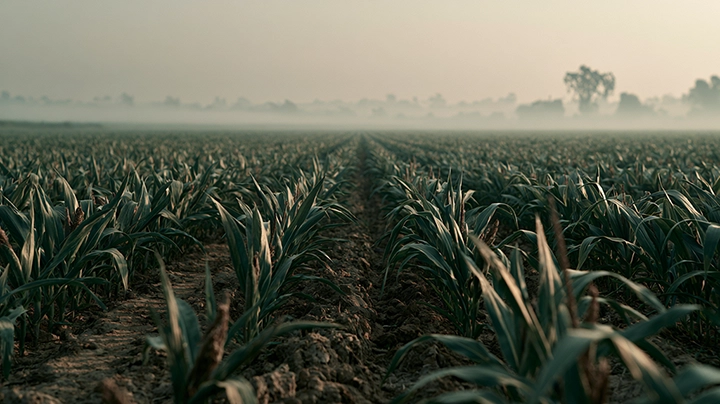
Mold contamination in cannabis can occur at multiple points throughout the production process, posing a serious risk to product safety and consumer health. During cultivation, both indoor and outdoor environments expose cannabis plants to airborne mold spores, which can settle on leaves and flowers, creating the perfect conditions for fungal growth.
As the plants move into the drying and curing phase, improper moisture control can lead to pockets of humidity, allowing Aspergillus, Cladosporium, and Penicillium—three of the most common cannabis-contaminating molds—to thrive.
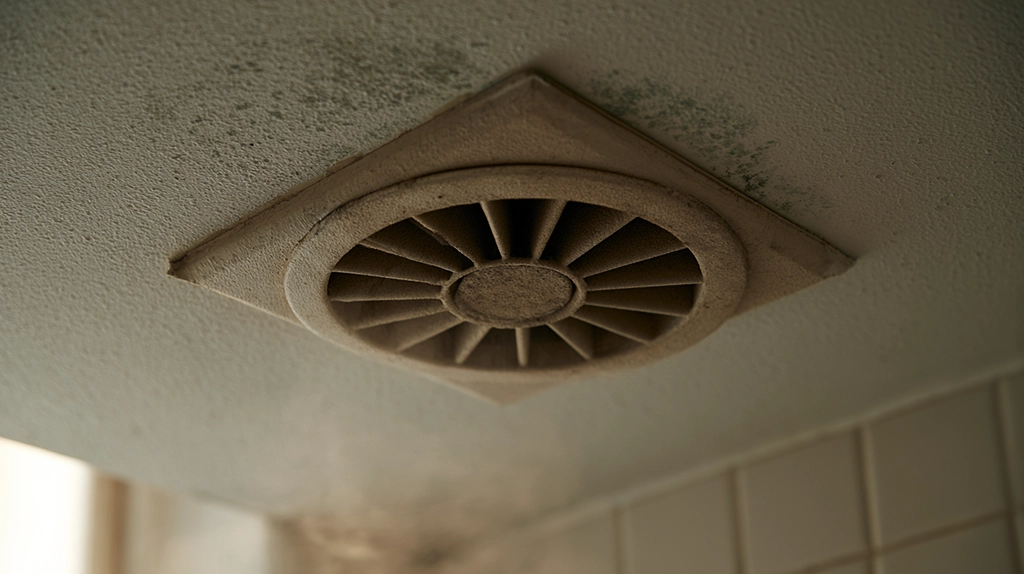
Even after cannabis passes initial safety inspections, it remains vulnerable during storage and packaging. High-humidity environments, combined with airtight plastic packaging, can trap residual moisture, creating an ideal breeding ground for mold. Without strict ventilation and humidity control, mold can continue developing, potentially leading to severe health risks—especially for individuals with respiratory conditions, allergies, or weakened immune systems.
As cannabis legalization expands, addressing mold prevention in every stage of production is essential to maintaining quality control, product integrity, and consumer trust.
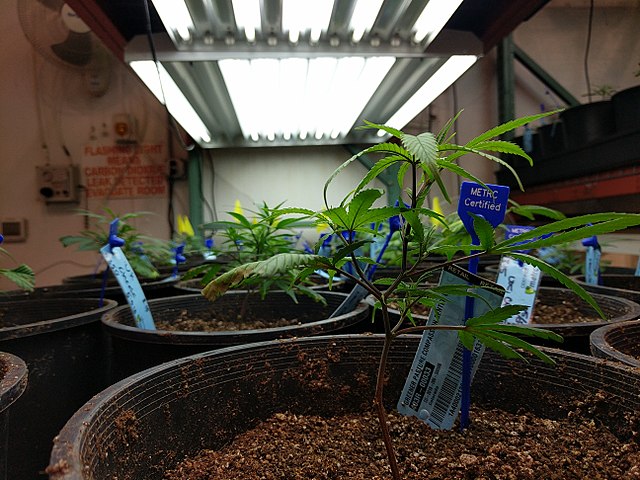
Cannabis cultivation facility – Wikimedia Commons (CC BY-SA 4.0)
Challenges in Cannabis Safety Testing
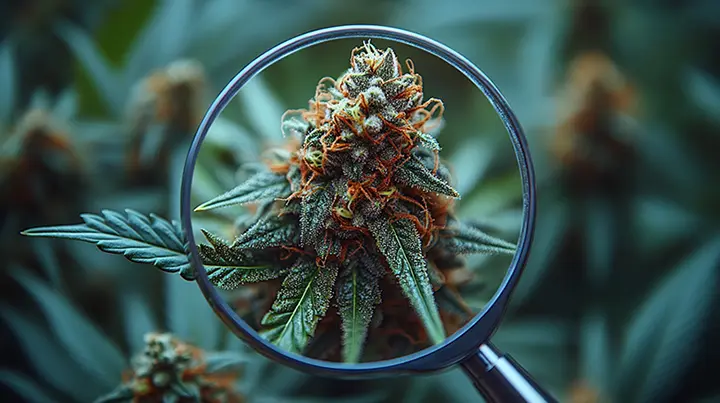
While mold detection is crucial, current testing methods vary widely across laboratories. Some facilities use fast but less precise PCR methods, which detect DNA fragments but may not differentiate between live and dead spores. Culture-based testing, on the other hand, provides a more accurate assessment of active mold presence.
One of the major industry challenges is lab shopping, where cannabis companies seek out testing facilities with lower safety thresholds, allowing products that should have failed to pass inspection. This inconsistency in testing protocols weakens consumer protection and underscores the need for regulatory improvements.

Cannabis sample testing in lab – Wikimedia Commons (CC BY-SA 4.0)
Improving Mold Safety in the Cannabis Industry
To mitigate mold risks and enhance consumer safety, experts advocate for stronger industry standards, including:
- Mandatory Culture-Based Testing – Ensuring live spores are detected before products reach consumers.
- Randomized Product Audits – Regular independent testing to identify contamination before distribution.
- Enhanced Regulatory Oversight – Establishing uniform testing criteria to eliminate result manipulation.
In Massachusetts, a legal dispute has further exposed industry vulnerabilities. MCR Labs, one of the state’s largest cannabis testing facilities, recently sued eight competing labs, alleging manipulated test results that concealed mold contamination and falsely inflated THC levels.
While the Massachusetts Cannabis Control Commission (CCC) initially set out to enforce strict consumer safety measures, reports indicate significant gaps in enforcement. A planned “secret shopper” testing program, meant to audit dispensary products, was never implemented, leaving room for undetected contamination.

Cannabis buds in dispensary jars – Wikimedia Commons (CC BY-SA 4.0)
How Mold Prevention Companies Can Lead Change
While cannabis growers and testing labs navigate these challenges, mold prevention companies have an opportunity to introduce innovative solutions that set new industry benchmarks.
Key Strategies for Mold Prevention:
- Humidity Control Systems – Implementing automated climate control in grow rooms and storage areas to reduce moisture accumulation.
- Advanced Spore Monitoring – Deploying real-time microbial detection systems to identify contamination before distribution.
- Sanitization & Storage Protocols – Educating cultivators and retailers on effective cleaning and packaging solutions to minimize mold spread.
By partnering with cannabis cultivators and testing facilities, mold prevention experts can play a critical role in shaping industry-wide safety measures, ensuring both consumer protection and long-term credibility for the cannabis market.

Commercial dehumidifier system – Wikimedia Commons (CC BY-SA 4.0)
References
Official & Regulatory Sources
- FDA – U.S. Food and Drug Administration
- CDC – Respiratory Diseases
- CDC – What is an Allergy?
- Massachusetts Cannabis Control Commission
Scientific & Educational Sources
- Cannabis Industry – Wikipedia
- Legality of Cannabis by U.S. Jurisdiction – Wikipedia
- Aspergillus – Wikipedia
- Cladosporium – Wikipedia
- Penicillium – Wikipedia
- PCR – Wikipedia
- THC – Wikipedia
Image Sources (CC Licensed / Public Domain)
- Cannabis grow room – Wikimedia Commons (CC BY-SA 4.0)
- Cannabis testing in laboratory – Wikimedia Commons (CC BY-SA 4.0)
- Cannabis in jars – Wikimedia Commons (CC BY-SA 4.0)
- Dehumidifier system – Wikimedia Commons (CC BY-SA 4.0)
Key Takeaways
- is exploding, rapidly transforming into a multi-billion-dollar market.
- cannabis market is expected to hit $50 billion by 2028.
- Unlike pharmaceutical drugs, which undergo strict FDA approval, cannabis remains regulated at the state level, resulting in inconsistent safety standards across jurisdictions.
- Mold contamination in cannabis can occur at multiple points throughout the production process, posing a serious risk to product safety and consumer health.
- Even after cannabis passes initial safety inspections, it remains vulnerable during storage and packaging.
Frequently Asked Questions
What should you know about understanding Mold Risks in Cannabis Production?
Mold contamination in cannabis can occur at multiple points throughout the production process, posing a serious risk to product safety and consumer health. During cultivation, both indoor and outdoor environments expose cannabis plants to airborne mold spores, which can settle on leaves and flowers,
What should you know about challenges in Cannabis Safety Testing?
While mold detection is crucial, current testing methods vary widely across laboratories. Some facilities use fast but less precise PCR methods, which detect DNA fragments but may not differentiate between live and dead spores. Culture-based testing, on the other hand, provides a more accurate asses
What should you know about improving Mold Safety in the Cannabis Industry?
To mitigate mold risks and enhance consumer safety, experts advocate for stronger industry standards, including:
How Mold Prevention Companies Can Lead Change?
While cannabis growers and testing labs navigate these challenges, mold prevention companies have an opportunity to introduce innovative solutions that set new industry benchmarks.
What are the key findings about Mold?
The legal cannabis industry in the U.S. is exploding, rapidly transforming into a multi-billion-dollar market. With more states legalizing both medical and recreational marijuana, industry growth shows no signs of slowing. In fact, the U.S. cannabis market is expected to hit $50 billion by 2028. How