
Can fungi unlock rare earth metals from waste and reshape the future of resource extraction?
A New Source of Critical Materials
Can rare earth elements be recovered from waste instead of mined?
Modern technology depends on rare earth elements (REEs), which are essential for electric vehicles, wind turbines, electronics, and advanced defense systems. Despite their importance, extracting these materials through traditional mining is energy-intensive, environmentally damaging, and often concentrated in limited geographic regions.
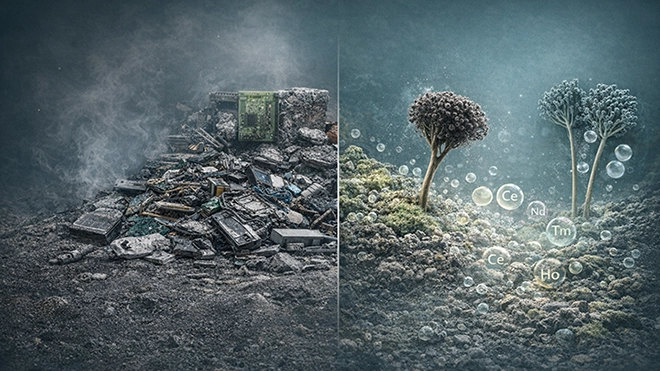
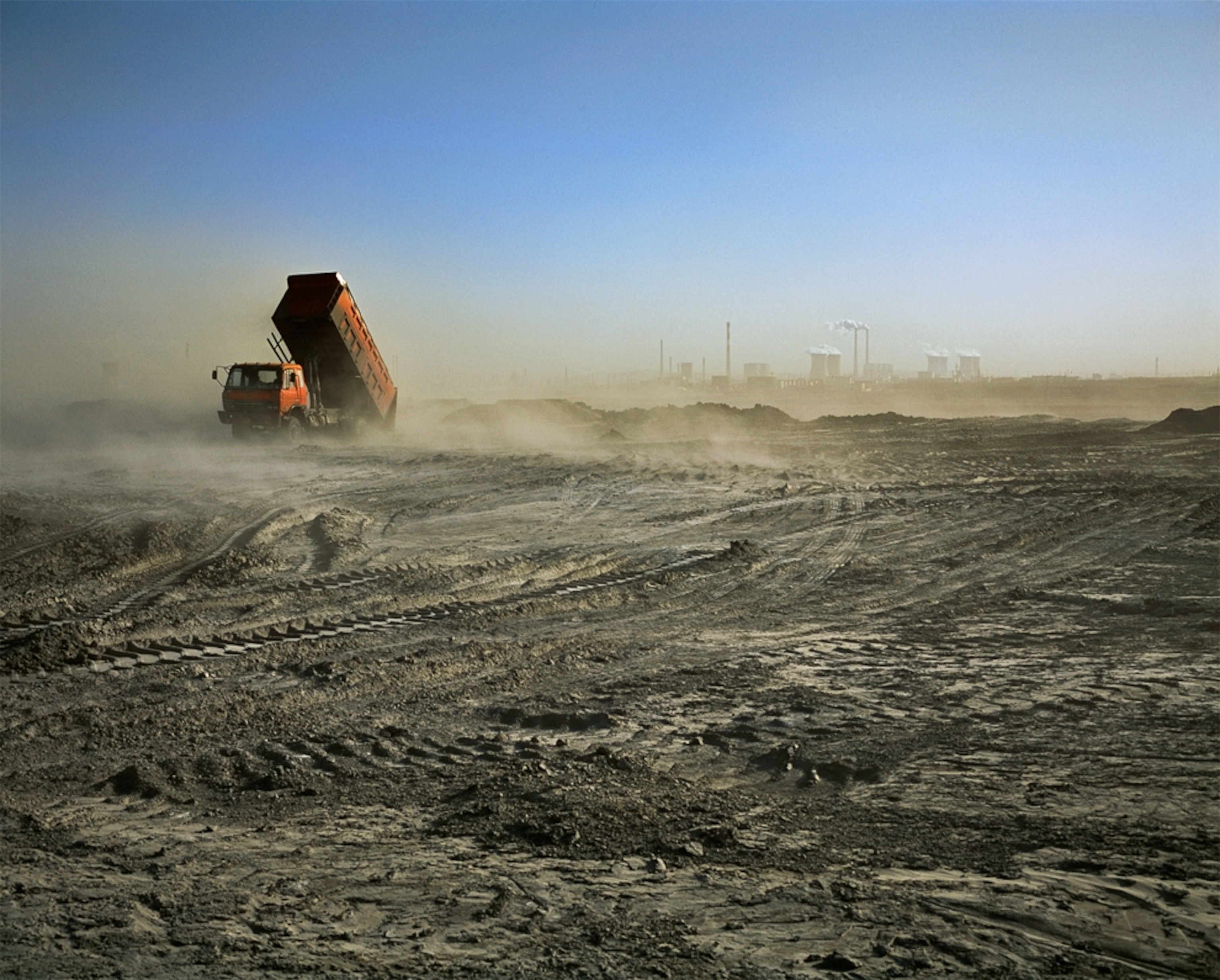
A new approach is emerging that shifts the focus from underground deposits to above-ground waste. Materials once considered unusable, such as coal ash, industrial residues, and electronic waste, are now being reclassified as valuable resource reservoirs.
This shift suggests that future resource extraction may rely less on mining new materials and more on recovering what has already been discarded.


Waste as an Urban Mine
Why are landfills and industrial waste considered valuable resource sources?
Industrial waste is no longer viewed simply as an endpoint. Instead, it is increasingly recognized as a reservoir of untapped materials.
Coal ash, produced from coal combustion, contains measurable concentrations of rare earth elements along with other minerals. Similarly, landfills hold decades of discarded electronics and industrial products that contain valuable metals.
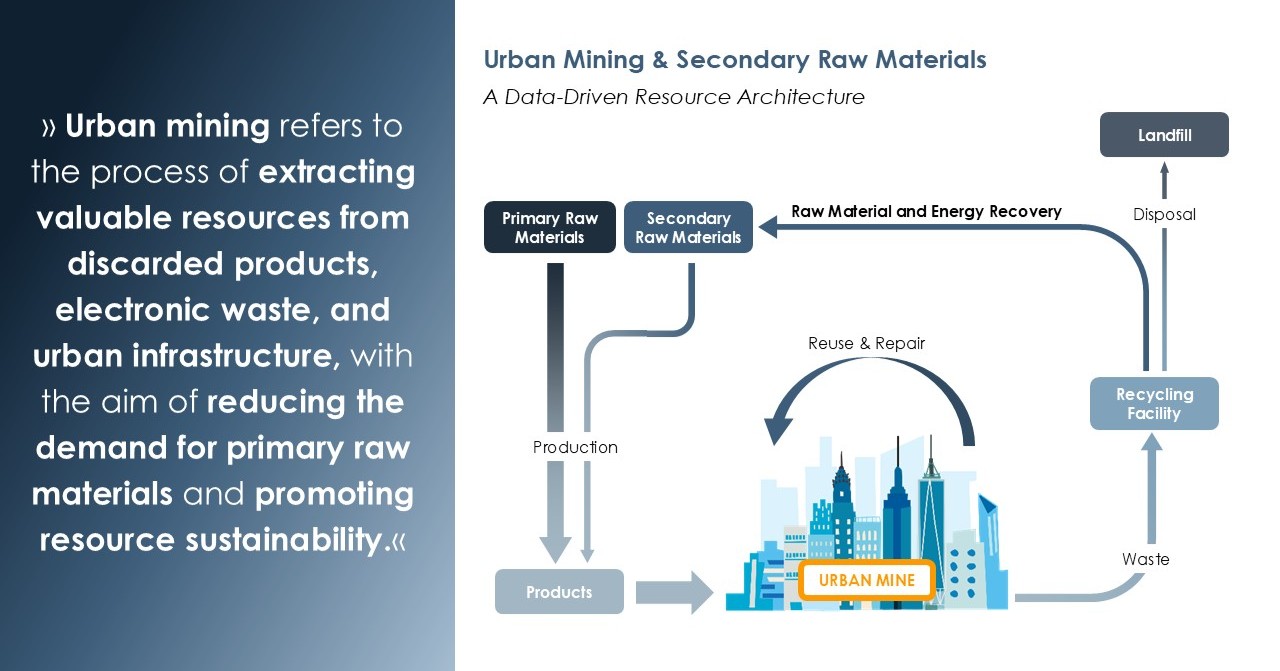
These environments are now referred to as urban mines, reflecting their potential as alternative sources of critical materials. The concept challenges traditional assumptions about waste and introduces a more circular approach to resource management.

Why Rare Earth Elements Matter
What makes rare earth elements essential for modern technology?
Rare earth elements are not scarce in total quantity, but they are difficult to extract and refine efficiently. Their unique properties make them indispensable in many advanced technologies.
They are used in electric vehicle motors, wind turbine generators, consumer electronics, and aerospace and defense systems. As demand for renewable energy and digital infrastructure grows, the need for stable and sustainable REE supply chains becomes increasingly important.
However, conventional extraction methods create environmental and economic challenges, including ecosystem disruption, toxic waste generation, and high energy consumption. This creates tension between technological advancement and environmental sustainability.
Fungi as Chemical Engineers
How can fungi extract metals from waste materials?
Fungi are natural decomposers that specialize in breaking down complex materials to access nutrients. To do this, they produce organic acids that dissolve mineral structures.
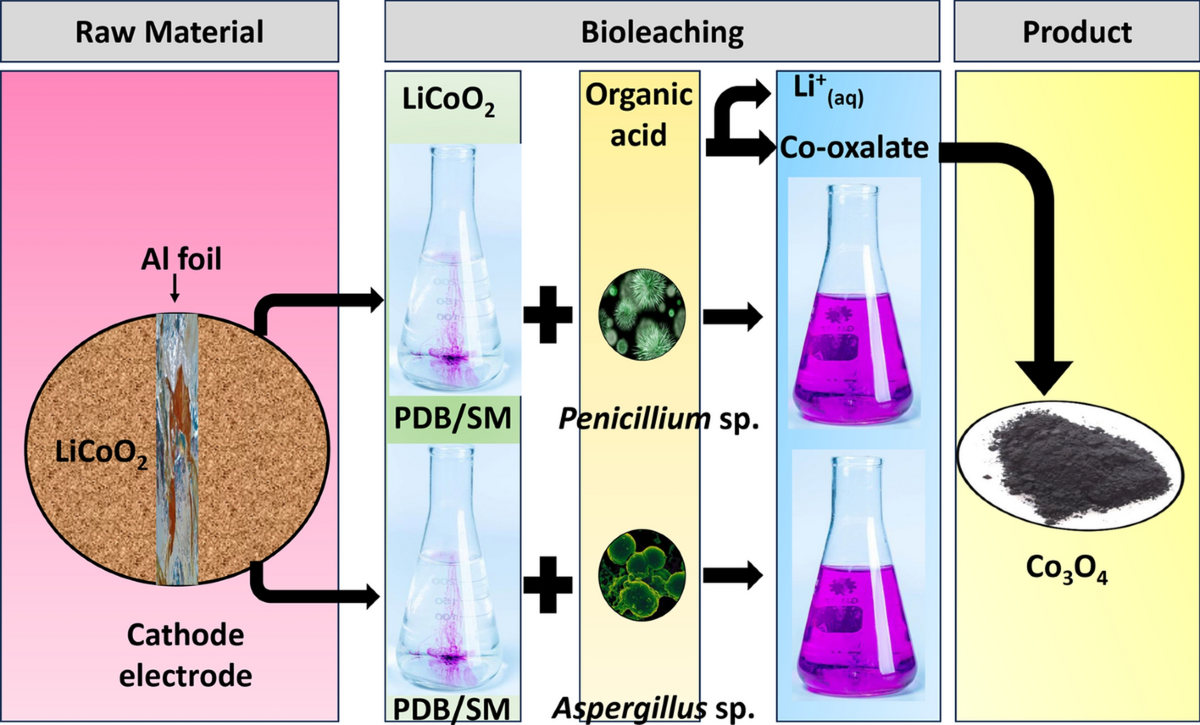
Certain species, such as Aspergillus niger and Penicillium simplicissimum, are particularly effective at producing acids like citric acid and oxalic acid. These compounds can dissolve mineral matrices, release metal ions, and transform metals into forms that can be recovered.
This process, known as bioleaching, allows fungi to extract valuable elements from materials that would otherwise be difficult to process using conventional methods.


How Fungal Bioleaching Works
What are the key steps in fungal metal extraction?
Fungal bioleaching operates through a sequence of biological and chemical interactions.
First, fungi colonize the surface of waste materials such as coal ash or electronic residues. As they grow, they release organic acids into their environment. These acids break down mineral structures and weaken the chemical bonds that hold metals in place.
As the material dissolves, metal ions are released into solution. These ions can then be collected and processed using relatively simple recovery methods.
The key advantage of this approach lies in its conditions. Unlike traditional mining, bioleaching occurs at lower temperatures, requires less energy, and avoids many harsh chemical treatments.


From Extraction to Circular Systems
How does fungal bioleaching support a circular economy?
Fungal bioleaching represents a shift from linear resource use to circular systems.
Instead of extracting raw materials, using them, and discarding them, circular models focus on recovering and reusing materials continuously. Fungi play a natural role in this process due to their ability to adapt, replicate, and transform complex materials.
By converting waste into usable resources, fungal systems help close the loop in material cycles. This approach reduces environmental impact while improving resource efficiency.


The Challenges Ahead
What limits the large-scale use of fungal bioleaching?
Despite its potential, fungal bioleaching is still in the development stage.
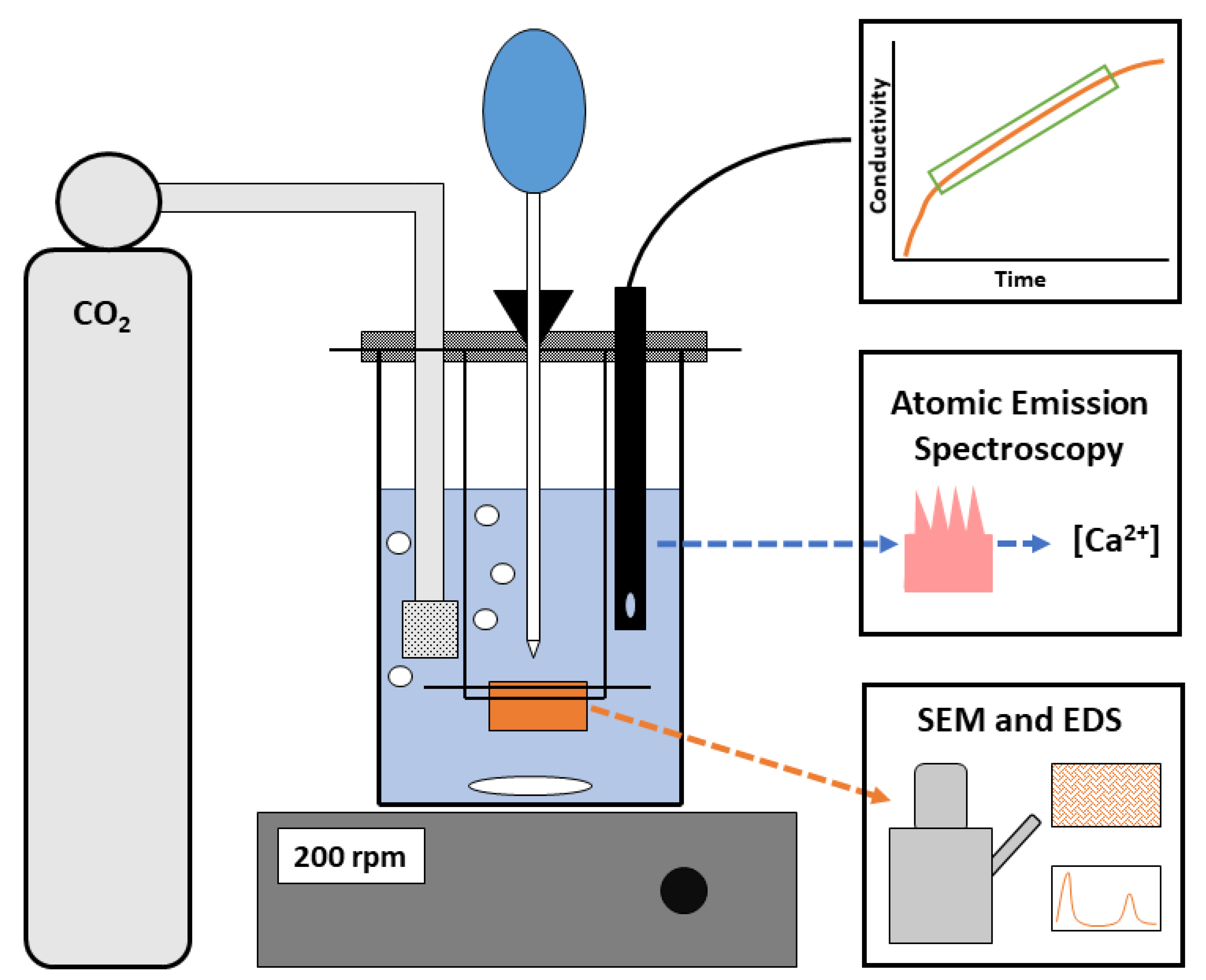
Scaling the process from laboratory conditions to industrial operations presents technical challenges. Fungal growth must be carefully controlled to ensure consistent performance, and contamination from other microorganisms can interfere with the process.
In addition, recovery systems must be optimized to capture extracted metals efficiently. Integration with existing waste management systems, regulatory approval, and cost competitiveness with traditional mining methods also remain important considerations.
The technology shows promise, but widespread adoption will require coordinated advances in biology, engineering, and policy.
A Shift in Resource Thinking
Why is fungal mining changing how we view waste and resources?
The most significant impact of fungal bioleaching may be conceptual rather than technical.
For centuries, resource extraction has focused on accessing new materials from the Earth. As environmental pressures increase and accessible deposits decline, this approach is becoming less sustainable.
Fungal bioleaching introduces a new perspective in which waste is not an endpoint but a resource. Discarded materials become part of a continuous cycle, and biological systems play an active role in resource recovery.
This shift redefines how materials move through the economy and highlights the role of fungi as key agents in sustainable industry.
❓ FAQ
What are rare earth elements (REEs)?
Rare earth elements are a group of metals used in advanced technologies such as electronics, renewable energy systems, and high-performance magnets.
What is bioleaching?
Bioleaching is a process in which microorganisms, including fungi, extract metals from materials by chemically breaking them down.
Why use fungi instead of traditional mining?
Fungal bioleaching requires less energy, produces fewer pollutants, and can recover metals from waste materials rather than new mining sites.
Can fungi survive in industrial waste environments?
Yes. Many fungi are highly resilient and can tolerate harsh chemical conditions found in landfills and industrial residues.
Is fungal metal extraction already used commercially?
Bioleaching is used for certain metals, but applying it to rare earth elements is still under active research and development.
References
Academic Sources
Johnson, D. B. (2014). Biomining—biotechnologies for extracting and recovering metals from ores and waste materials. Current Opinion in Biotechnology. https://doi.org/10.1016/j.copbio.2014.03.010
Reith, F., et al. (2018). Bioleaching of metals from waste materials: A review. Hydrometallurgy. https://doi.org/10.1016/j.hydromet.2018.03.004
Gadd, G. M. (2010). Metals, minerals and microbes: geomicrobiology and bioremediation. Microbiology. https://doi.org/10.1099/mic.0.037143-0
Official Sources
U.S. Geological Survey (USGS) – Rare Earth Elements: https://www.usgs.gov
United Nations Environment Programme (UNEP) – Resource Efficiency: https://www.unep.org
Key Takeaways
- Can fungi unlock rare earth metals from waste and reshape the future of resource extraction?
- Instead, it is increasingly recognized as a reservoir of untapped materials.Coal ash, produced from coal combustion, contains measurable concentrations of rare earth elements along with other minerals.
- What makes rare earth elements essential for modern technology?Rare earth elements are not scarce in total quantity, but they are difficult to extract and refine efficiently.
- How can fungi extract metals from waste materials?Fungi are natural decomposers that specialize in breaking down complex materials to access nutrients.
- These acids break down mineral structures and weaken the chemical bonds that hold metals in place.As the material dissolves, metal ions are released into solution.
Frequently Asked Questions
What should you know about academic Sources?
Johnson, D. B. (2014). Biomining—biotechnologies for extracting and recovering metals from ores and waste materials. Current Opinion in Biotechnology. https://doi.org/10.1016/j.copbio.2014.03.010Reith, F., et al. (2018). Bioleaching of metals from waste materials: A review. Hydrometal
What should you know about official Sources?
U.S. Geological Survey (USGS) – Rare Earth Elements: https://www.usgs.govUnited Nations Environment Programme (UNEP) – Resource Efficiency: https://www.unep.org
What are the key findings about Mining the Trash?
Can fungi unlock rare earth metals from waste and reshape the future of resource extraction?
How does Mining the Trash affect public health or safety?
Can rare earth elements be recovered from waste instead of mined?Modern technology depends on rare earth elements (REEs), which are essential for electric vehicles, wind turbines, electronics, and advanced defense systems. Despite their importance, extracting these materials through traditional mini
What do researchers and experts say about Mining the Trash?
Why are landfills and industrial waste considered valuable resource sources?Industrial waste is no longer viewed simply as an endpoint. Instead, it is increasingly recognized as a reservoir of untapped materials.Coal ash, produced from coal combustion, contains measurable concentrations of rare eart