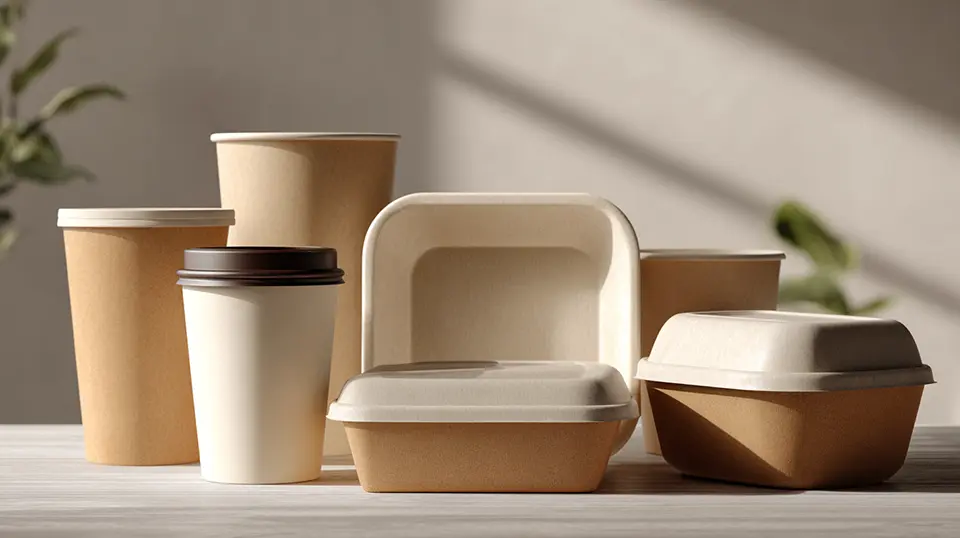
According to TECHNOLOGY NETWORKS
I. The Plastic Problem in Packaging
Single-use plastics, particularly in food packaging and paper coatings, such as those found inside coffee cups, represent a major environmental challenge. These synthetic materials, which provide essential resistance to liquids, grease, and oil, are slow to decompose, contributing significantly to global pollution and landfill waste.
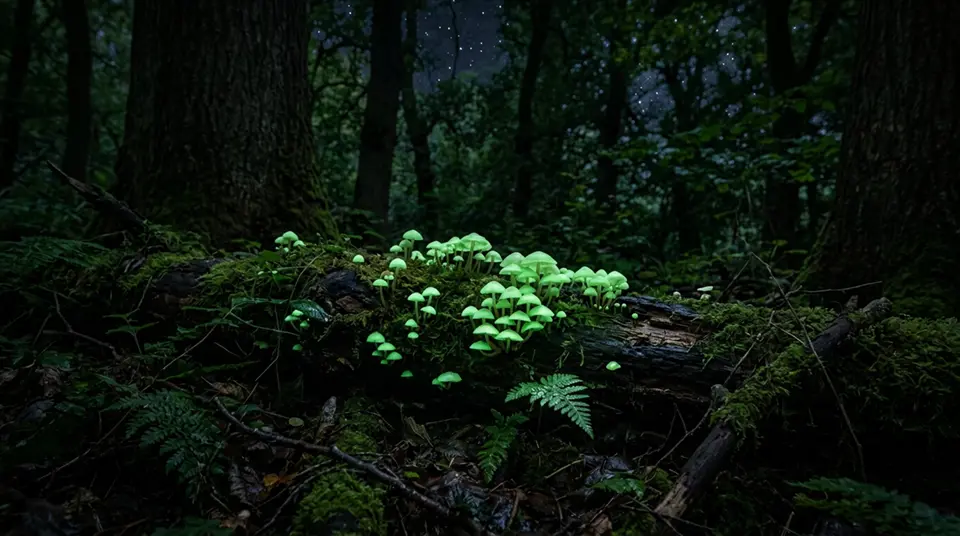
The push for genuinely biodegradable, food-safe alternatives has driven researchers to explore the natural world, leading to a breakthrough using an unlikely source: an edible fungus.

Source: Wikimedia Commons, CC BY-SA 4.0
II. The Fungal Solution: The Turkey Tail Coating
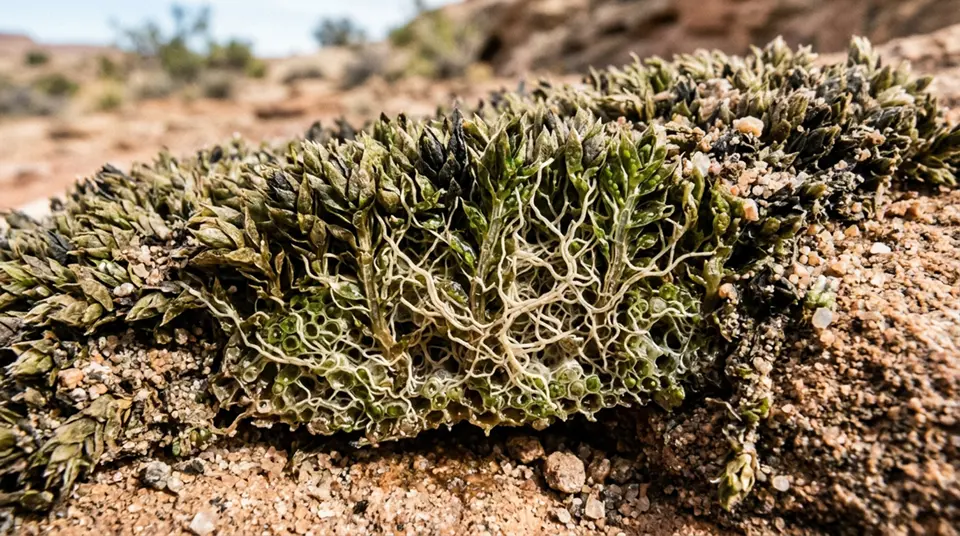
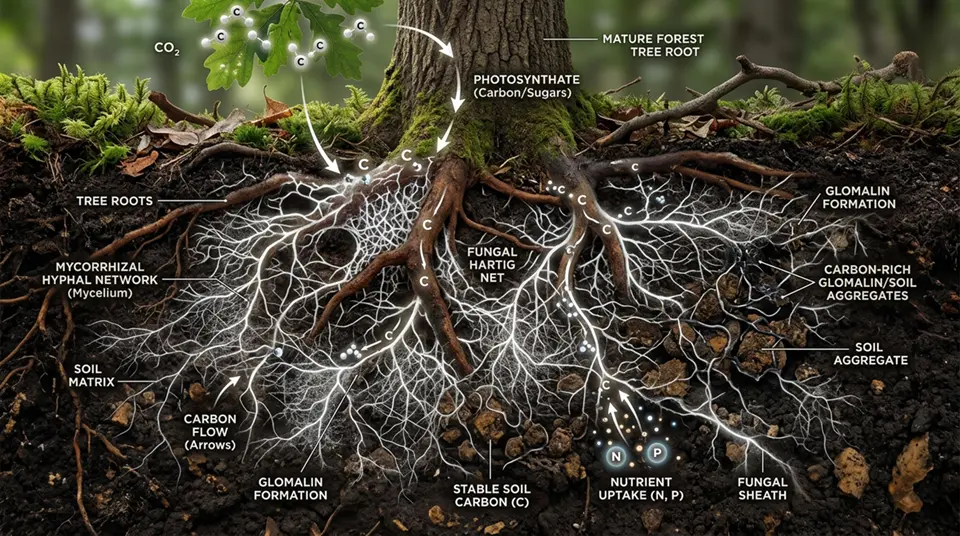
Researchers have successfully developed a thin, food-safe, and highly effective liquid-resistant coating derived from the mycelium—the root-like network—of an edible fungus commonly known as the “turkey tail” (Trametes versicolor).
This pioneering work, published in the journal Langmuir (American Chemical Society), outlines a method to harness the fungus’s natural properties to create a superior, sustainable barrier for common materials like paper, wood, and textiles.

Source: Wikimedia Commons, CC BY-SA 3.0
III. Bio-Fabrication and Barrier Properties
The process involves a form of bio-fabrication, combining the fungal network with plant fibers:
Composite Creation: Researchers blended the Trametes versicolor mycelia with a nutrient-rich solution of cellulose nanofibrils (tiny, fine fibers derived from wood pulp). The nanofibrils provide structural support and are already a common material in paper-making.
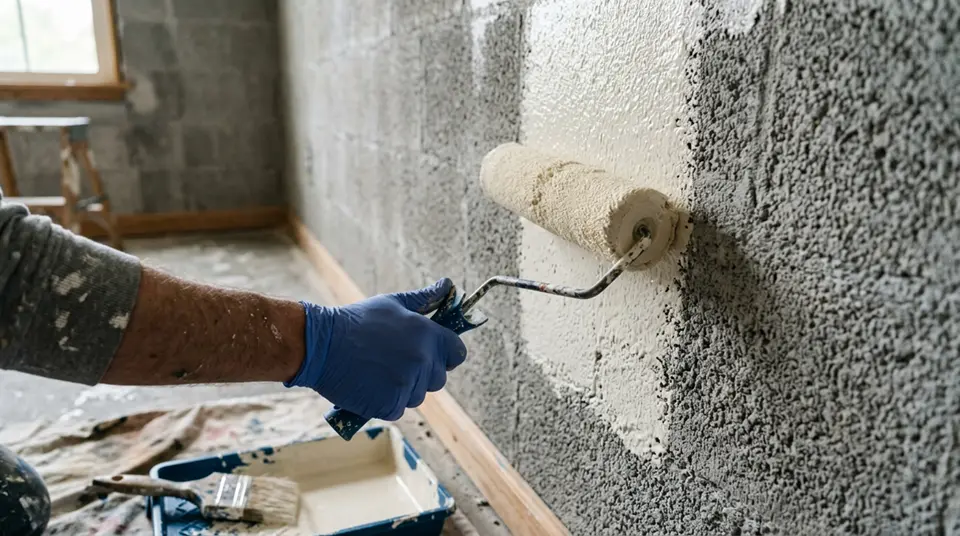
Fungal Growth: Thin layers of this mixture were applied to various materials, including paper, denim, polyester felt, and thin birch wood veneer. The samples were placed in a warm environment, allowing the fungus to grow an impervious film over a period of at least three days.
Inactivation: The process was completed by placing the samples in an oven, which inactivated the fungus and dried the coating, leaving behind a thin, protective layer.
The resulting fungal coating demonstrated remarkable hydrophobic (water-repelling) properties. Water droplets placed on the treated paper and textiles formed distinct, bead-like spheres, whereas water quickly soaked into the untreated materials.
IV. Resistance to Multiple Liquids
Crucially for commercial application, the fungal coating’s barrier function extends beyond water. The proof-of-concept study showed that the film effectively blocked the absorption of various organic liquids, including:
- Oil and Grease (e.g., castor oil)
- Organic Solvents (e.g., n-heptane and toluene)
This multi-liquid resistance suggests the coating’s significant potential in commercial applications where resistance to oil and grease is paramount—such as food packaging, disposable containers, and grease-proof papers.
V. Paving the Way for a Green Future
This fungal-based technology represents a major step toward a circular economy solution for packaging and textiles.
Sustainability: Unlike plastic coatings, the mycelium-based film is derived from natural, renewable resources and is completely biodegradable, leaving minimal environmental impact at the end of its life cycle.
Safety: The use of an edible fungus ensures the coating is food-safe — making it a viable alternative for direct-contact food packaging, such as single-use coffee cups and food wraps.
Scalability: Researchers suggest that this technology could be integrated into existing manufacturing processes with minimal changes, offering a practical and environmentally responsible replacement for plastic coatings in various industrial sectors.
Further work will focus on scaling the production and conducting long-term performance tests, but the initial findings demonstrate a clear path for fungi to help eliminate single-use plastics from the consumer market.

Source: Wikimedia Commons, CC BY-SA 4.0
References
- Javed, M. et al. (2024). Bio-derived Hydrophobic Mycelium Coatings for Paper and Textiles.
- Trametes versicolor – Wikipedia
- UNEP (2023). Single-use Plastics and Global Waste Impact.
According to TECHNOLOGY NETWORKS
Key Takeaways
- Edible fungus mycelium is being developed as an eco-friendly food coating material that extends shelf life, reduces food waste, and provides an alternative to petroleum-based plastic food packaging.
- Mycelium coatings work by creating a protective semi-permeable layer on food surfaces that modulates water vapour transmission, inhibits mold growth, and can deliver antimicrobial compounds.
- Research groups have demonstrated mycelium-based coatings on strawberries, tomatoes, bread, and cheese that extend freshness 2–5 days beyond uncoated controls without affecting taste or nutritional content.
- Unlike synthetic food coatings, mycelium coatings are fully biodegradable and edible—they can be consumed with the food or composted without environmental impact.
- Scaling mycelium coating technology for commercial food production requires solving challenges of growth substrate standardisation, coating application methods, and regulatory approval for novel food contact materials.
Frequently Asked Questions
How can fungal mycelium be used as a food coating?
Mycelium-based food coatings leverage several natural properties of fungal mycelium networks: their semi-permeable structure that can be engineered to control gas and moisture exchange; their biological compatibility with food surfaces; their potential to carry antimicrobial compounds produced during growth; and their edibility (mycelium of food-grade fungi like Ganoderma, Rhizopus, and other food fungi is consumed as part of fermented foods globally). The coating process typically involves: growing mycelium in liquid culture to a defined cell concentration; preparing a coating suspension from the mycelium biomass; applying the coating to food surfaces by dipping, spraying, or rolling; and drying the coating in place to form an adherent, transparent or semi-transparent layer. The resulting coating physically creates a barrier that reduces water loss (important for fruits and vegetables) and oxygen exchange (which drives oxidation and aerobic microbial growth).
Does a mycelium coating change the taste or appearance of food?
Research groups developing mycelium food coatings have prioritised sensory neutrality as a design criterion, seeking coatings that extend shelf life without perceptible impact on taste, texture, or appearance. Current results are promising but not universally perfect. Appearance: mycelium coatings applied at the thicknesses tested in research studies (typically producing a dry film of 10–50 μm) are generally transparent or translucent and do not significantly alter the visual appearance of fruits and vegetables; some slight sheen has been reported. Taste and aroma: at research-stage coating thicknesses, trained sensory panels generally do not detect significant differences in flavour between coated and uncoated samples; however, if the mycelium source organism produces strong volatiles, these may be detectable at higher coating concentrations. Texture: the thin coating layer does not significantly alter texture of firm produce like apples and tomatoes; on delicate soft fruit like strawberries, some studies have detected slight firmness changes (which may be perceived positively as the coating maintains cell turgor during storage).
What food waste problem is mycelium coating trying to solve?
Food loss and waste is a global problem of enormous scale: approximately one-third of all food produced globally (around 1.3 billion tonnes per year) is lost or wasted, representing wasted resources including land, water, energy, and labour, plus significant greenhouse gas emissions from decomposing food waste in landfills. Post-harvest losses of fresh produce—particularly fruits and vegetables—due to surface mold growth and moisture loss are a major component of this waste at both consumer and supply chain levels. In high-income countries, consumer-level food waste from fresh produce spoilage accounts for a significant fraction of total food waste. In low-income countries, post-harvest losses of fresh produce can reach 30–50% due to lack of refrigeration and packaging infrastructure. Mycelium coating directly addresses the surface mold and moisture loss mechanisms of fresh produce spoilage, potentially extending commercially viable shelf life and reducing the volume of produce discarded at retail, food service, and consumer levels. Even a 2–3 day extension in shelf life for coated produce would represent a significant reduction in food loss if applied at commercial scale.
Are mycelium food coatings safe to eat?
Regulatory safety assessment of mycelium food coatings is an active and evolving area, and the safety status depends on the specific fungal species used and the regulatory jurisdiction. Relevant considerations: the fungal species used must be confirmed as food-grade and non-toxigenic—using well-characterised edible fungi species (Ganoderma lucidum, Lentinula edodes mycelium, Rhizopus oligosporus, food-grade Aspergillus species) provides a baseline safety rationale. Allergenic potential: mycelium coatings could potentially trigger reactions in individuals with fungal allergies; this requires assessment and possibly labelling disclosure. Novel food regulation: in the EU, mycelium-based food coatings would likely be subject to novel food regulation (EU 2015/2283), requiring a safety dossier demonstrating safety before approval; in the US, the GRAS (Generally Recognised As Safe) pathway is the likely regulatory route. Research groups have begun addressing regulatory requirements, but no mycelium food coating has yet received broad regulatory approval for commercial food use as of the knowledge cutoff, limiting current applications to research and small-scale demonstration.
What other sustainable food packaging innovations are being developed?
Mycelium food coatings are one component of a broader innovation landscape in sustainable food packaging that is moving away from petroleum-derived plastics. Other notable innovations include: seaweed and algae-based films and coatings (agar, carrageenan, alginate): marine-derived polysaccharides with film-forming properties; edible, biodegradable, and produced from renewable marine resources; already used in some food applications as edible coatings and as oxygen-barrier packaging materials. Chitosan coatings: derived from chitin (from crustacean shells or fungal cell walls—fungal chitosan is increasingly preferred to avoid shellfish allergen concerns); chitosan has well-documented antimicrobial properties and film-forming ability; approved for food use in some jurisdictions. Whey protein films: derived from cheese manufacturing byproduct; forms strong oxygen barrier films with good biodegradability. Starch-based bioplastics: thermoplastic starch from corn, potato, and cassava with modified properties; compostable food packaging. Beeswax and carnauba wax coatings: traditional food-safe coatings for produce and cheese; effectively reduce moisture loss and provide microbial barrier.