
The Unseen Danger in Your Bedroom
We think of our beds as places of rest and comfort, but what if they are slowly making us sick?
Mold thrives in dark, warm, and humid environments—and that includes your mattress, pillows, and bedding. Every night, as we sleep soundly, we could be inhaling microscopic mold spores that affect our health without us realizing it.
Most people focus on sleep hygiene—avoiding screens before bed, adjusting room temperature, and sticking to a schedule. But what if the real issue isn’t our habits, but the mold colonies lurking inside our sleep environment?
Let’s break it down and understand how mold finds its way into our bedrooms—and more importantly, how we can stop it.

Source: Wikimedia Commons, CC BY-SA 3.0
The Science: Why Your Bed Is a Mold Magnet
Every night, your body releases heat and moisture—up to one liter of sweat per night. This moisture gets absorbed by your mattress, pillows, and blankets, creating a perfect breeding ground for fungi.
If your bedroom has poor ventilation, humidity becomes trapped, feeding fungal growth and allowing spores to thrive. Modern bedding materials such as memory foam and polyester are particularly prone to moisture retention.
Over time, dust, dead skin cells, and bacteria accumulate in your mattress, providing additional nutrients for mold colonies. If you haven’t replaced your mattress in years, it may already be harboring unseen fungal growth.
While we sleep, we are literally breathing in whatever is inside our bedding—and if mold is present, the effects can build up over time.

Source: Wikimedia Commons, CC BY-SA 4.0
How Mold Affects Your Sleep and Health
You might not see mold, but your body feels its presence. Mold spores trigger inflammatory responses, affecting breathing, immune function, and cognitive clarity.
If you wake up feeling congested or foggy-headed, mold could be the culprit.
- Respiratory impact: Mold exposure causes nasal congestion and sinus inflammation, worsening asthma and obstructive sleep apnea (OSA) 【EPA】.
- Neurological symptoms: Chronic exposure to mycotoxins can lead to fatigue, headaches, and cognitive decline.
- Skin irritation: Mold spores in bedding can cause itchy skin, rashes, and flare-ups of eczema or dermatitis.
Over time, chronic exposure weakens immunity, leading to recurrent infections and persistent tiredness.

Source: Wikimedia Commons, CC BY 4.0
Where Mold Hides in Your Bedroom
Even if your bed looks spotless, mold can be lurking beneath the surface:
- Mattresses & pillows absorb sweat and dust, becoming fungal reservoirs—especially if older than 7 years.
- Duvets & blankets trap humidity if washed infrequently.
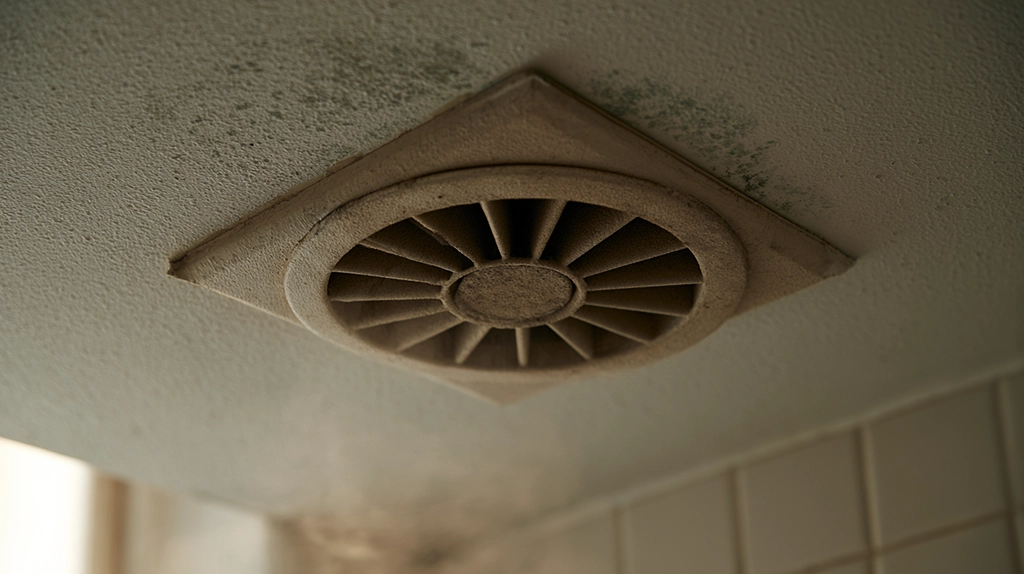
- Walls, carpets, and ceilings in poorly ventilated rooms collect condensation.
- HVAC and air vents can spread spores throughout the entire home.
A musty odor is often the first sign of hidden mold. By the time discoloration appears, colonies are already mature.

Source: Wikimedia Commons, CC BY-SA 3.0
How to Detox Your Bedroom and Sleep Healthier
The key to better sleep isn’t just a comfortable mattress—it’s clean air, dry bedding, and prevention.
- Use waterproof, antimicrobial mattress and pillow protectors to block moisture.
- Keep indoor humidity below 50% with a dehumidifier.
- Wash bedding weekly in hot water (≥ 60 °C) to kill spores and dust mites.
- Vacuum mattresses using a HEPA-filter cleaner to remove allergens.
- Improve ventilation by opening windows daily or using an air purifier with a HEPA filter.
- Replace mattresses older than 7–10 years or choose natural latex and mold-resistant materials.

Source: Wikimedia Commons, CC BY-SA 4.0
Final Warning: Your Sleep Might Be at Risk
You might think you’re getting eight hours of rest, but if mold is in your bedroom, your body is fighting inflammation all night instead of recovering.
Many people blame stress or screens for poor sleep—but in reality, their environment is the enemy.
If you wake up groggy, congested, or itchy, it might not be allergies—it could be mold exposure.
Fixing sleep isn’t just about habits—it’s about your environment.
A cleaner bedroom means deeper sleep, stronger immunity, and better health.
So, when was the last time you checked your mattress for mold?
If your sleep matters, start with the air you breathe and the bed you sleep in.
Your body—and your rest—depend on it.

Source: Wikimedia Commons, CC BY 4.0
References
Global Health & Science Sources
- World Health Organization – Mycotoxins Fact Sheet
- Centers for Disease Control and Prevention – Mold FAQs
- U.S. Environmental Protection Agency – Mold and Health
- European Food Safety Authority – Mycotoxin Risks
Images
- Mold spores micrograph (CC BY-SA 3.0)
- Condensation on window (CC BY-SA 4.0)
- Woman coughing in bedroom (CC BY 4.0)
- Moldy wall in building (CC BY-SA 3.0)
- Dehumidifier in room (CC BY-SA 4.0)
- Bright bedroom with open window (CC BY 4.0)
Key Takeaways
- We think of our beds as places of rest and comfort, but what if they are slowly making us sick?Mold thrives in dark, warm, and humid environments—and that includes your mattress, pillows, and bedding.
- Most people focus on sleep hygiene—avoiding screens before bed, adjusting room temperature, and sticking to a schedule.
- Let’s break it down and understand how mold finds its way into our bedrooms—and more importantly, how we can stop it.
- If your bedroom has poor ventilation, humidity becomes trapped, feeding fungal growth and allowing spores to thrive.
- Over time, dust, dead skin cells, and bacteria accumulate in your mattress, providing additional nutrients for mold colonies.
Frequently Asked Questions
What should you know about the Unseen Danger in Your Bedroom?
We think of our beds as places of rest and comfort, but what if they are slowly making us sick?Mold thrives in dark, warm, and humid environments—and that includes your mattress, pillows, and bedding. Every night, as we sleep soundly, we could be inhaling microscopic mold spores that affect our heal
What should you know about the Science: Why Your Bed Is a Mold Magnet?
Every night, your body releases heat and moisture—up to one liter of sweat per night. This moisture gets absorbed by your mattress, pillows, and blankets, creating a perfect breeding ground for fungi.
How Mold Affects Your Sleep and Health?
You might not see mold, but your body feels its presence. Mold spores trigger inflammatory responses, affecting breathing, immune function, and cognitive clarity.If you wake up feeling congested or foggy-headed, mold could be the culprit.
Where Mold Hides in Your Bedroom?
Even if your bed looks spotless, mold can be lurking beneath the surface:
How to Detox Your Bedroom and Sleep Healthier?
The key to better sleep isn’t just a comfortable mattress—it’s clean air, dry bedding, and prevention.