
190 New Fungi and Plants, Discovered Almost Too Late
In nature, existence does not guarantee recognition.
For science, a species without a name is often treated as if it does not exist at all.
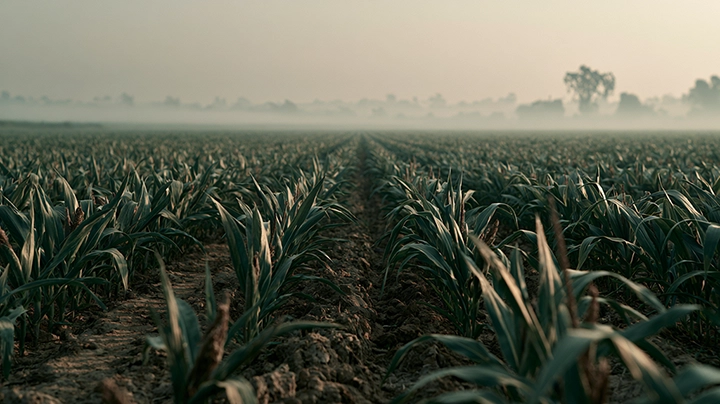
In 2025, scientists formally named 190 new species of plants and fungi. At first glance, the number sounds like a celebration of discovery. But for conservation biologists, it carries a quieter warning. Many of these organisms were identified only when their habitats were already under threat. Some were recognized just as they were becoming rare.


Discovery Often Comes Too Late
These species were not found because their ecosystems were thriving. Quite the opposite.
Many were documented during surveys prompted by deforestation, land conversion, or climate-driven ecological change.
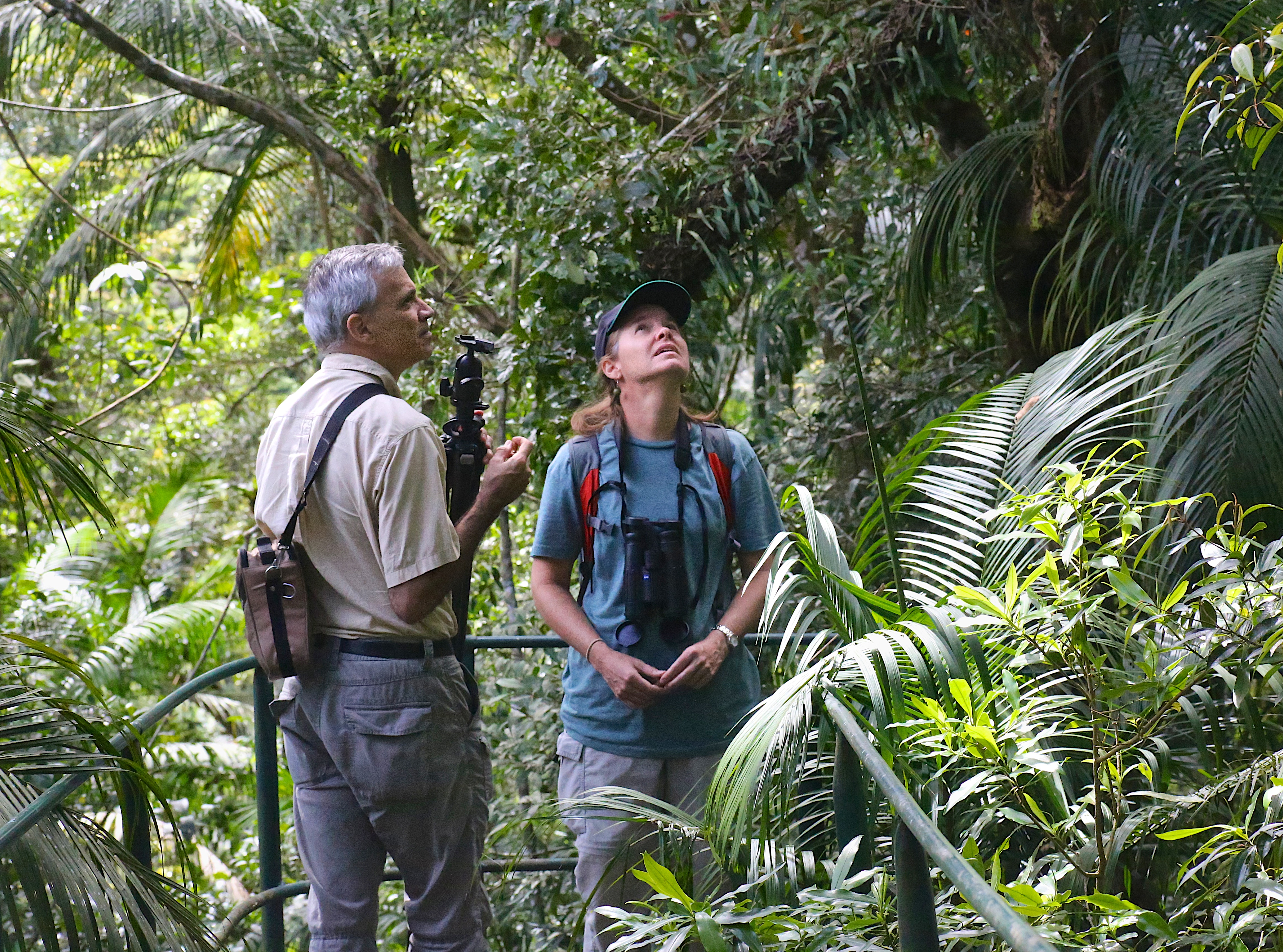
Researchers at the Royal Botanic Gardens, Kew have repeatedly emphasized a difficult truth: humanity often becomes aware of biodiversity only when it is already disappearing.
For fungi, this delay is even more pronounced. Most fungi live hidden lives, embedded in soil, plant roots, insects, or building materials. They do not attract attention, and they rarely appear in conservation priorities until long after their decline has begun.
A Fungal World That Is Precise, Not Gentle
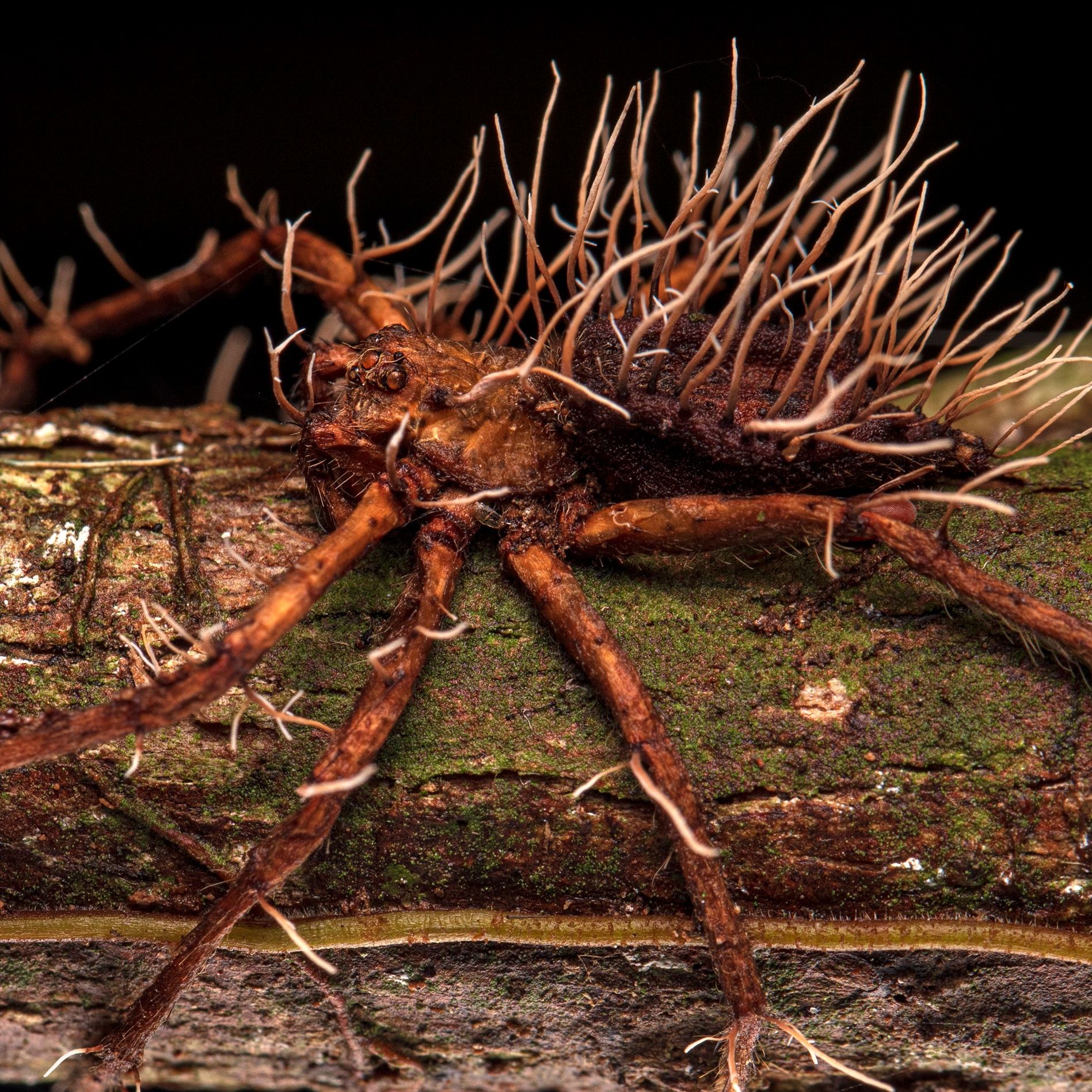
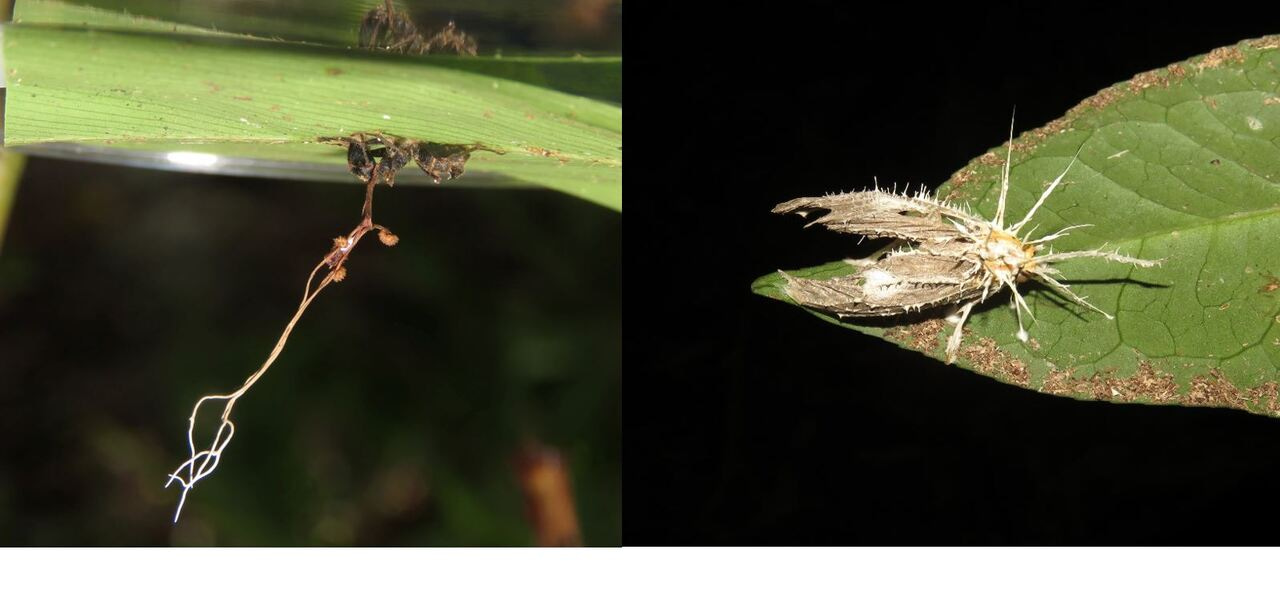

Among the newly named fungi is a species that infects spiders, growing inside its host and eventually using the spider’s burrow as a platform to release spores. Species in genera such as Cordyceps exemplify this extraordinary evolutionary specialization.
The image may seem unsettling, but it reflects the precision of fungal evolution.
Fungi are not passive background organisms. They regulate populations, recycle nutrients, and shape ecosystems through highly specialized relationships. Yet these roles often go unnoticed until a species is formally described.
Without a name, such organisms remain biologically invisible.
Naming Is Not Ceremony. It Is Survival
In taxonomy, naming a species is not a symbolic act. It is a gateway.
Without a name, a species cannot be listed as endangered.
Without classification, it cannot be protected by law.
Without documentation, its disappearance leaves no trace.
This framework is governed internationally by systems such as the International Union for Conservation of Nature Red List.
This is why several newly named species were immediately classified as threatened. They were not newly evolved. They were simply acknowledged for the first time.
Fungi Remain a Blind Spot in Biodiversity
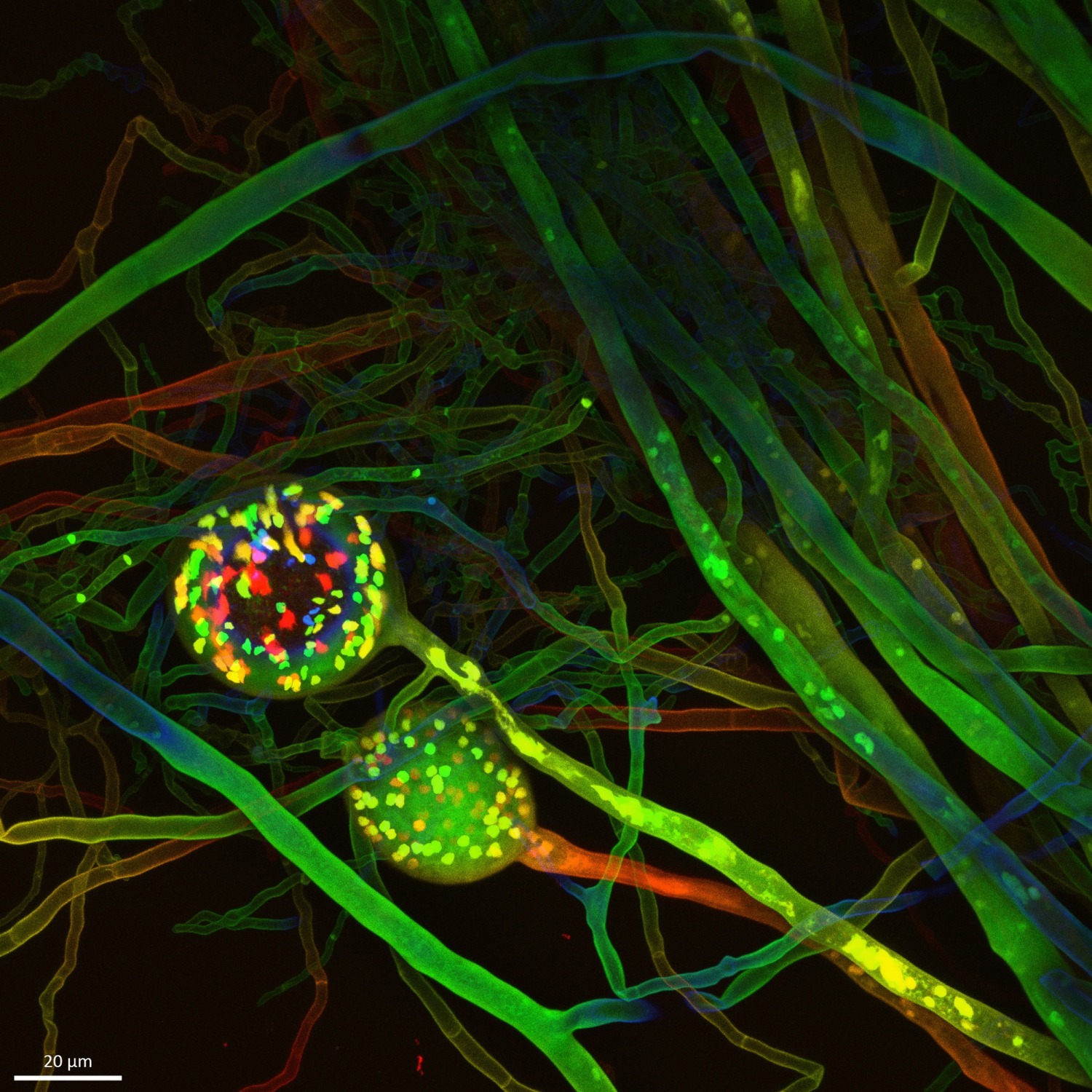

Although fungi represent only part of the 190 newly described species, scientists agree that fungi are among the most under-documented forms of life on Earth.
Researchers estimate that between 2.2 and 3.8 million fungal species may exist globally, yet only about 150,000 have been formally described.
Fungi underpin ecosystems by:
- Supporting plant growth through mycorrhizal symbiosis
- Regulating insect populations
- Recycling nutrients
- Influencing soil carbon storage and atmospheric chemistry
They also intersect directly with agriculture, infrastructure, and human health.
A Quiet Warning, Not a Celebration
The 2025 list of newly named species is more than a scientific milestone. It is a reminder of how narrow the window of recognition has become.
For fungi in particular, the time between discovery and disappearance is shrinking.
Being named does not guarantee survival.
But without a name, survival is rarely even considered.
Taxonomy is not just about classification.
It is about visibility. And visibility determines protection.
References
Academic Sources
- Hawksworth, D. L., & Lücking, R. (2017). Fungal diversity revisited. Microbiology Spectrum. DOI: 10.1128/microbiolspec.FUNK-0052-2016
- Royal Botanic Gardens, Kew. (2025). State of the World’s Plants and Fungi Report
- Blackwell, M. (2011). The fungi: 1, 2, 3… 5.1 million species? American Journal of Botany. DOI: 10.3732/ajb.1000298
Official Sources
- Royal Botanic Gardens, Kew — State of the World’s Plants and Fungi
- International Union for Conservation of Nature — Red List of Threatened Species
Key Takeaways
- In nature, existence does not guarantee recognition.For science, a species without a name is often treated as if it does not exist at all.
- At first glance, the number sounds like a celebration of discovery.
- Many of these organisms were identified only when their habitats were already under threat.
- Researchers at the Royal Botanic Gardens, Kew have repeatedly emphasized a difficult truth: humanity often becomes aware of biodiversity only when it is already disappearing.
- They do not attract attention, and they rarely appear in conservation priorities until long after their decline has begun.
Frequently Asked Questions
What should you know about discovery Often Comes Too Late?
These species were not found because their ecosystems were thriving. Quite the opposite.Many were documented during surveys prompted by deforestation, land conversion, or climate-driven ecological change.
What should you know about naming Is Not Ceremony. It Is Survival?
In taxonomy, naming a species is not a symbolic act. It is a gateway.
What should you know about fungi Remain a Blind Spot in Biodiversity?
Although fungi represent only part of the 190 newly described species, scientists agree that fungi are among the most under-documented forms of life on Earth.
What should you know about a Quiet Warning, Not a Celebration?
The 2025 list of newly named species is more than a scientific milestone. It is a reminder of how narrow the window of recognition has become.
What are the key findings about If It?
In nature, existence does not guarantee recognition.For science, a species without a name is often treated as if it does not exist at all.